





Hair Follicle Anatomy & Folliculitis
What Are Hair Follicles?
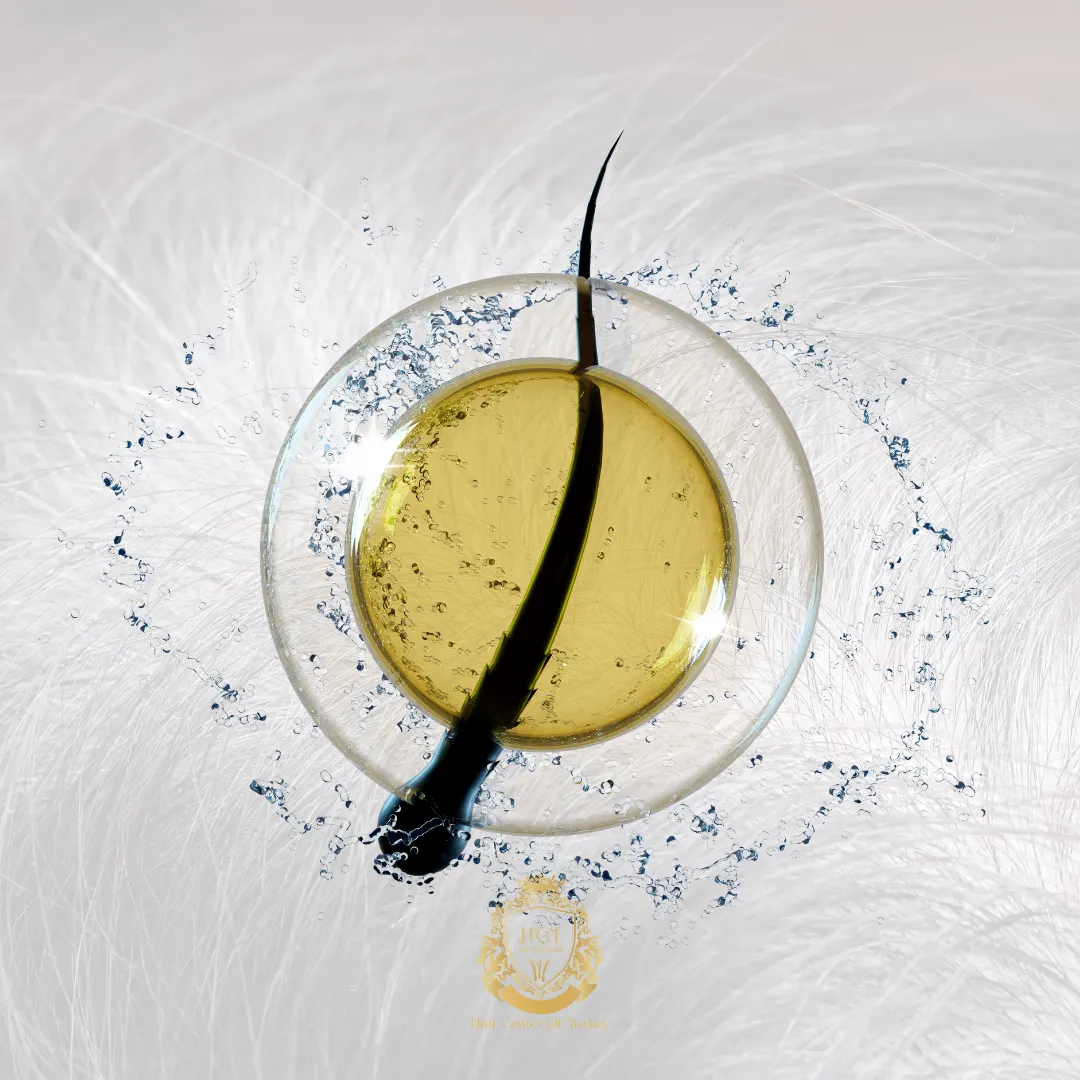
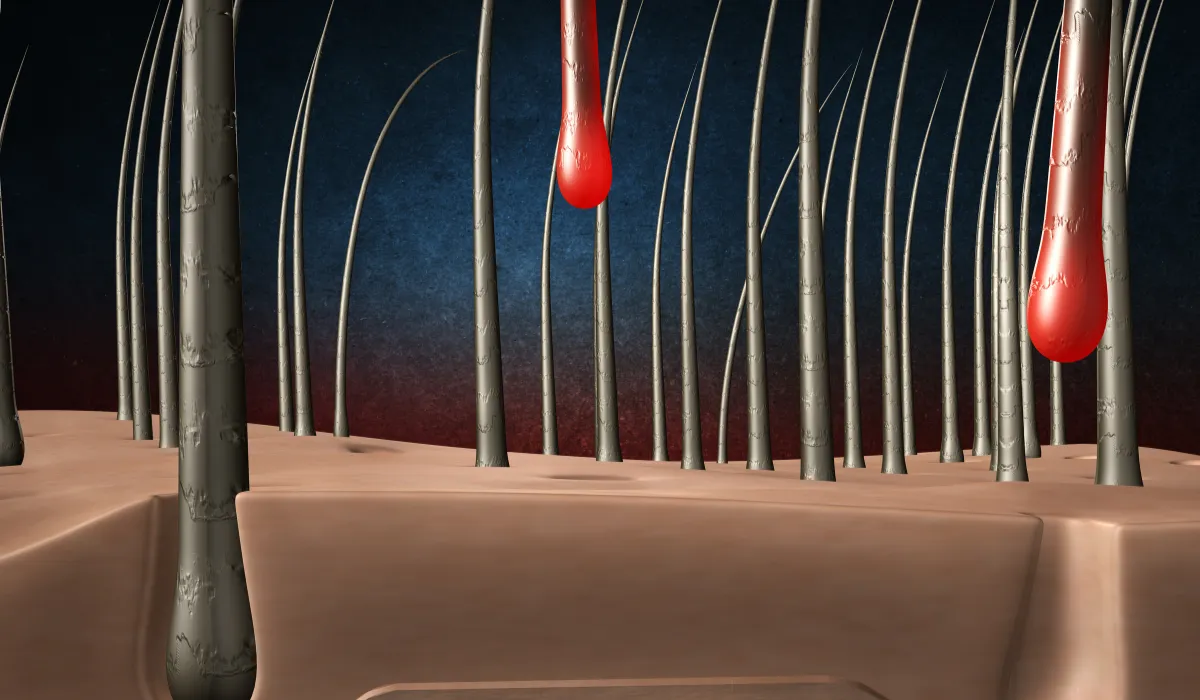
Hair follicles are small, tube-like structures located in the skin from which hair grows. Each follicle houses a hair root, which is nourished by blood vessels to support hair growth. Hair follicles play a crucial role not only in hair production but also in regulating the hair growth cycle.
The hair growth cycle consists of three key phases:
Anagen (Growth Phase): The active phase where hair grows continuously.
Catagen (Transition Phase): A short phase where hair detaches from its blood supply and prepares for shedding.
Telogen (Resting Phase): Hair stops growing, sheds, and makes room for new hair growth.
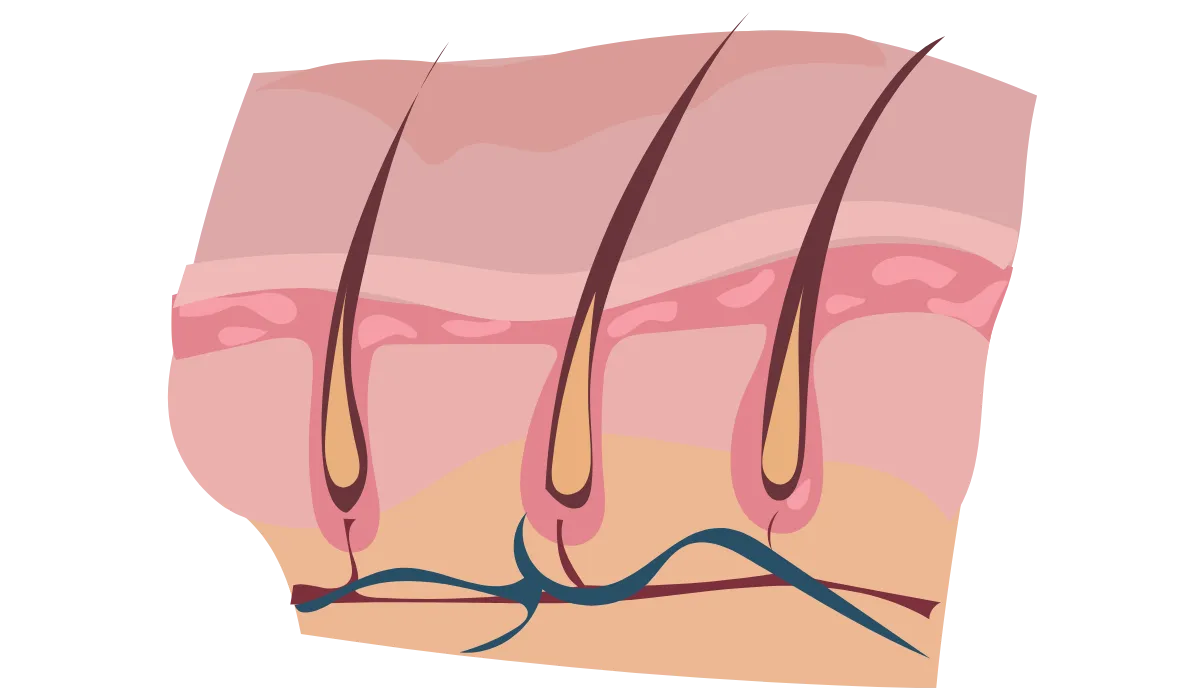
Table of Contents
How Many Hair Follicles Do Humans Have?
The average human scalp contains approximately 100,000 hair follicles. However, this number can vary depending on factors such as genetics, ethnicity, and age. People with thicker hair typically have fewer follicles but larger individual hair strands, while those with thinner hair may have more follicles but smaller hair strands.

What Affects Hair Follicle Health?
The health and functionality of hair follicles are influenced by several factors, including:
Genetics: Determines hair density, texture, and susceptibility to hair loss.
Hormones: High levels of dihydrotestosterone (DHT) can shrink hair follicles, leading to hair thinning or baldness.
Diet and Nutrition: Deficiencies in essential nutrients like biotin, iron, zinc, and protein can weaken follicles and affect hair growth.
Scalp Conditions: Issues such as dandruff, psoriasis, or scalp infections can damage hair follicles, slowing or preventing growth.
Lifestyle Factors: Stress, poor sleep, smoking, and inadequate blood flow can harm follicle health, impacting hair production.
Can You Regrow Dead Hair Follicles?
While dormant hair follicles can sometimes be reactivated with treatments like minoxidil, platelet-rich plasma (PRP) therapy, or laser therapy, completely dead or scarred follicles cannot regenerate. In cases where follicles are permanently damaged, hair transplant surgery may be the only viable solution.
How to Keep Hair Follicles Healthy
Maintaining healthy hair follicles is essential for stronger, thicker hair growth. Here are some strategies to support follicle health:
Scalp Massage: Regular scalp massage improves blood circulation, delivering vital nutrients to hair roots.
Proper Hair Care: Use gentle, sulfate-free shampoos and avoid excessive heat or harsh chemicals that may damage follicles.
Balanced Diet: Ensure you consume a diet rich in vitamins A, C, D, E, and omega-3 fatty acids to nourish hair follicles.
Stress Reduction: Managing stress through relaxation techniques such as yoga or mindfulness can help prevent stress-induced hair shedding (telogen effluvium).
Medical Treatments: Consult a dermatologist for advanced treatments like DHT blockers, PRP therapy, or microneedling if you’re experiencing thinning or hair loss.
Frequently Asked Questions (F.A.Q.)
What causes folliculitis in kids?
Staphylococcus aureus infection is most common; friction, sweat, eczema, and hot-tub bacteria contribute.
What does a hair folicle look like?
A hair follicle is a tiny skin pocket with a bulbous root surrounding hair.
Can folliculitis cause fever?
Fever is uncommon; if present, consider widespread infection or abscess and seek care.
What is the best treatment for folliculitis?
Best treatment targets cause: cleansing, warm compresses, topical antibiotics; oral antibiotics for severe cases.
What triggers hair folliculitis?
Friction, shaving, tight clothing, sweating, occlusive products, and contaminated hot tubs often trigger it.