






Glycolic Acid for Hair: Benefits, How to Use It, and Side Effects
Glycolic acid is an alpha hydroxy acid (AHA) that works as a chemical exfoliant. Used on the scalp, it can help lift product buildup, loosen dead skin, and support a cleaner, more balanced scalp environment. When used correctly (usually once or twice weekly), it may reduce greasiness and flaking without harsh scrubbing.
What Is Glycolic Acid?
Glycolic acid is an AHA most commonly derived from sugarcane. It has a small molecular size, which is why it’s widely used for exfoliation in skin care. In hair care, it’s typically used on the scalp to break down buildup and improve how the scalp feels and functions.
Why It’s Used in Hair Care
Scalp skin behaves a lot like facial skin: it can accumulate oil, dead skin cells, and product residue. Over time, that buildup can contribute to itchiness, visible flaking, and a heavy “coated” feel at the roots. A gentle chemical exfoliant can help refresh the scalp without aggressive scrubbing.
How Glycolic Acid Works on Hair and Scalp
Glycolic acid helps dissolve the “glue” that holds dead skin cells together, making them easier to rinse away. On the scalp, that can translate into:
- Less dead-skin buildup at the roots
- Cleaner-looking hair between washes
- A smoother scalp surface that feels less congested
It’s not a hair-growth drug, but a healthier scalp environment can make it easier to maintain strong, resilient hair.
Benefits of Glycolic Acid for Hair
Scalp Exfoliation and Flake Control
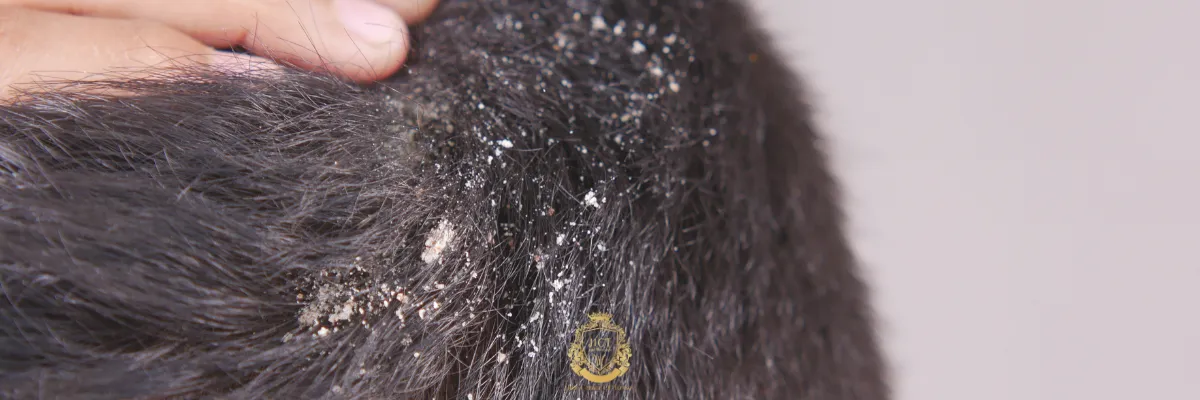
When flaking is driven by buildup, gentle exfoliation can help. Glycolic acid can loosen dead skin and residue so it washes away more easily. Many people notice a cleaner scalp feel and fewer visible flakes with consistent, careful use.
Deeper Cleansing for Healthier Follicle Openings
Styling products, dry shampoo, sweat, and sebum can collect around the roots. Glycolic acid can help clear that residue from the scalp surface. This is especially useful if your scalp feels “blocked” even after shampooing.
Improved Hair Feel: Softer, Smoother Lengths
While glycolic acid is mainly used on the scalp, cleaner roots often improve how hair looks and feels overall. People with dry, brittle hair may also find that reducing scalp buildup helps conditioners and masks perform better. The key is not overdoing it, since too much exfoliation can backfire.
Helps Manage Oiliness and Grease
For oily scalps, glycolic acid can help reduce the heavy, greasy feel that comes from sebum mixing with product residue. It won’t stop oil production completely, but it can support a cleaner scalp surface. Many users find hair looks fresher for longer when they keep buildup under control.
How to Use Glycolic Acid for Hair
1) Glycolic Acid Shampoo or Conditioner
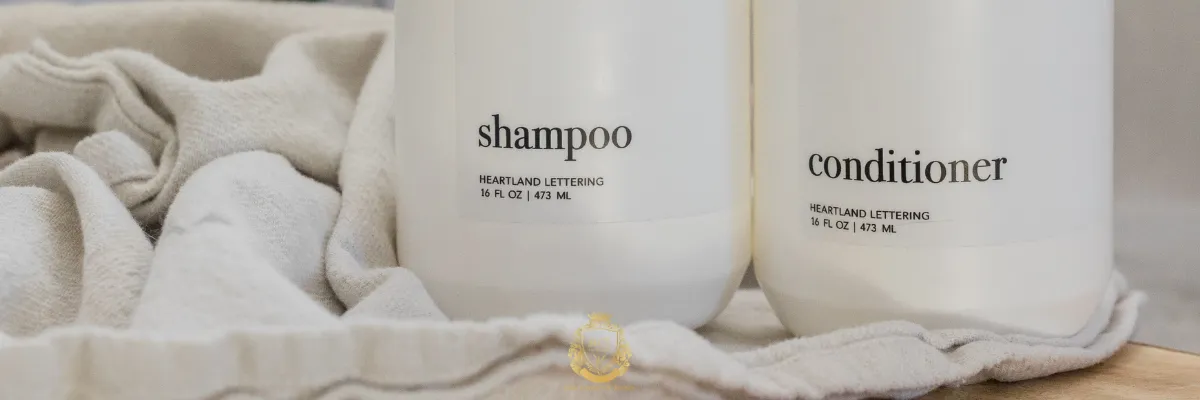
This is the easiest entry point because the formula is designed for rinse-off use. Start with once a week and see how your scalp responds. If you tolerate it well, you can use it up to twice weekly.
2) Pre-Wash Scalp Treatment (At-Home)
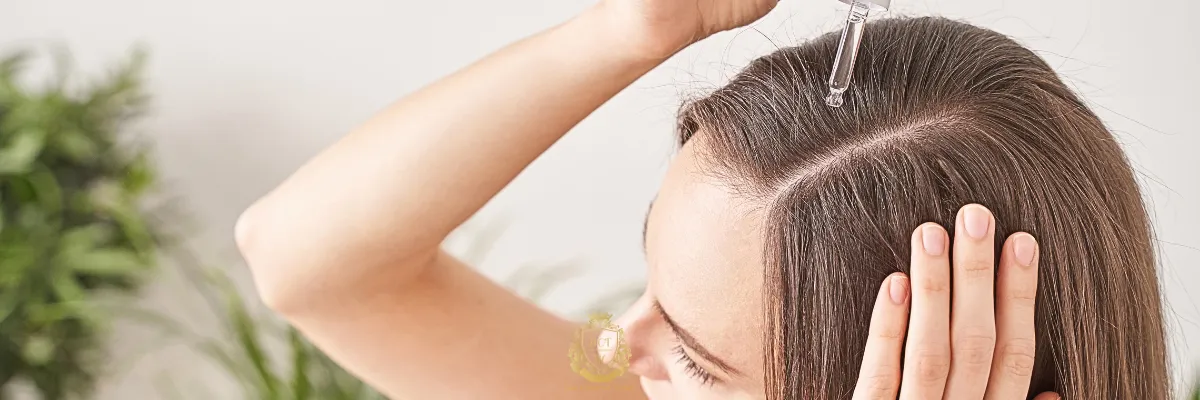
For deeper exfoliation, some people use a glycolic acid scalp product before shampooing. Look for a low-to-moderate strength formula, follow the label directions, and avoid leaving it on longer than recommended.
A simple routine looks like this:
- Apply the product to the scalp in sections.
- Massage gently with fingertips (no scratching).
- Leave on for the instructed time (often 5–10 minutes).
- Rinse thoroughly, then shampoo and condition.

3) Hair Masks That Include Glycolic Acid
Some masks use glycolic acid alongside conditioning agents. These are usually meant to improve hair feel, shine, and manageability. Use them as directed, typically once weekly.

4) Professional Scalp Treatments
Salons and clinics may offer scalp exfoliation treatments using acids or combined protocols. These can be helpful if you struggle with persistent buildup. If you have eczema, psoriasis, or seborrheic dermatitis, it’s safer to ask a dermatologist before booking an acid-based treatment.
Potential Side Effects and Safety Tips
Scalp Irritation or Sensitivity
If the formula is too strong or used too often, you may notice stinging, redness, or itchiness. Start slowly, avoid applying to broken skin, and stop if irritation persists. Patch testing behind the ear or on a small scalp area is a smart first step.
Dryness or Over-Exfoliation
Overuse can strip the scalp and make hair feel drier at the roots. Keep frequency conservative (often once or twice weekly) and pair with a gentle shampoo and a hydrating conditioner. If you already use strong actives (like retinoids on the scalp or medicated dandruff treatments), don’t stack them without professional guidance.
Increased Sun Sensitivity
AHAs can increase sun sensitivity, and that includes the scalp—especially if you have thinning hair or a visible part. If you’ll be in direct sun, wear a hat and consider a scalp-friendly SPF product.

Who Should Use Glycolic Acid for Hair?
Best for:
- People with scalp buildup, visible flaking, or “coated” roots
- Oily scalps that feel greasy quickly
- Anyone who uses a lot of styling products or dry shampoo
Use extra caution (or skip) if:
- Your scalp is very sensitive or easily irritated
- You have open sores, active inflammation, or recent chemical damage
- You know you react to AHAs or exfoliating acids
FAQ
Does glycolic acid help with hair growth?
It can’t “force” hair to grow, but it may help indirectly. By reducing buildup and keeping the scalp surface clearer, it can support a healthier environment for hair to thrive. If you have sudden shedding or patchy hair loss, get medical advice instead of relying on exfoliants.
How often should I use glycolic acid on my scalp?
Most people do well with **once weekly** at first. If you tolerate it with no dryness or irritation, you can increase to **twice weekly**. If your scalp feels tight, itchy, or flaky after use, scale back.
Is glycolic acid good for oily hair?
It can be. Glycolic acid helps break down the mix of oil and residue that makes hair look greasy. It’s most useful when oiliness is paired with buildup from products or infrequent cleansing.



