






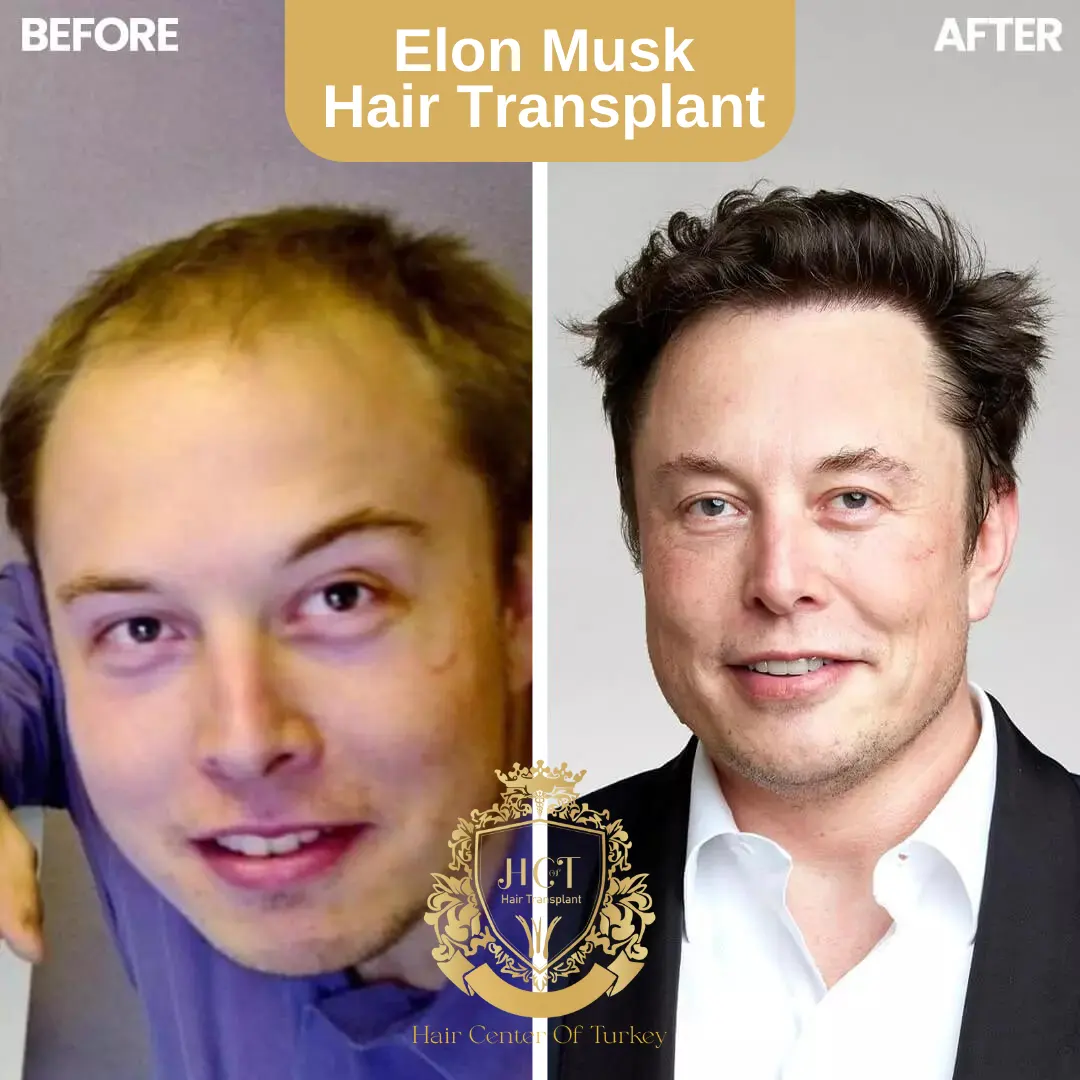
Elon Musk Hair Transplant: What We Can and Can’t Know
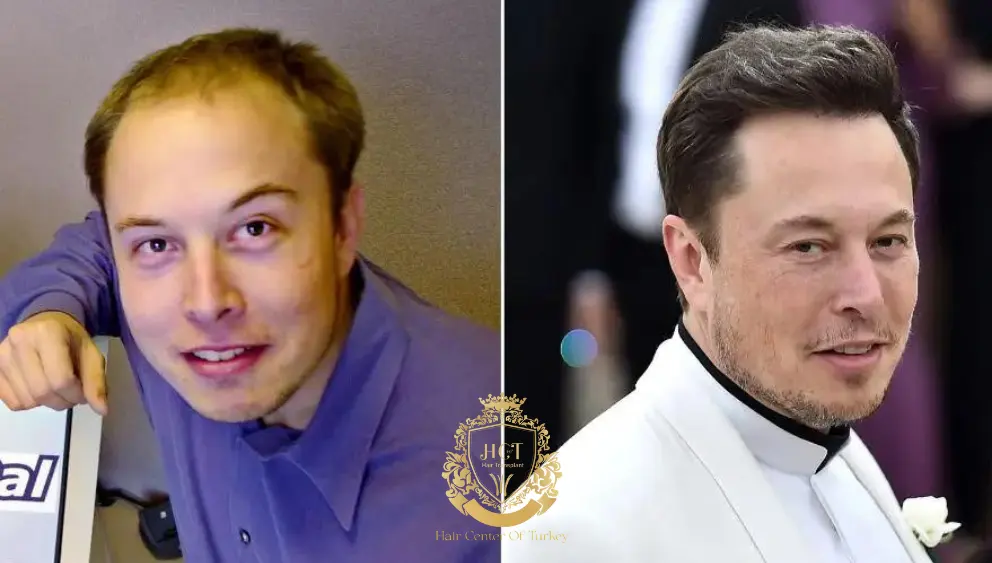
Elon Musk’s hairline has changed a lot over the last two decades, and that’s why “Elon Musk hair transplant” remains a popular search. The truth is simpler: there’s no public confirmation of any procedure. Still, we can explain what people are reacting to in photos, what hair restoration methods could create that kind of change, and what matters most if you’re considering treatment yourself.
Why People Think He Had Hair Restoration
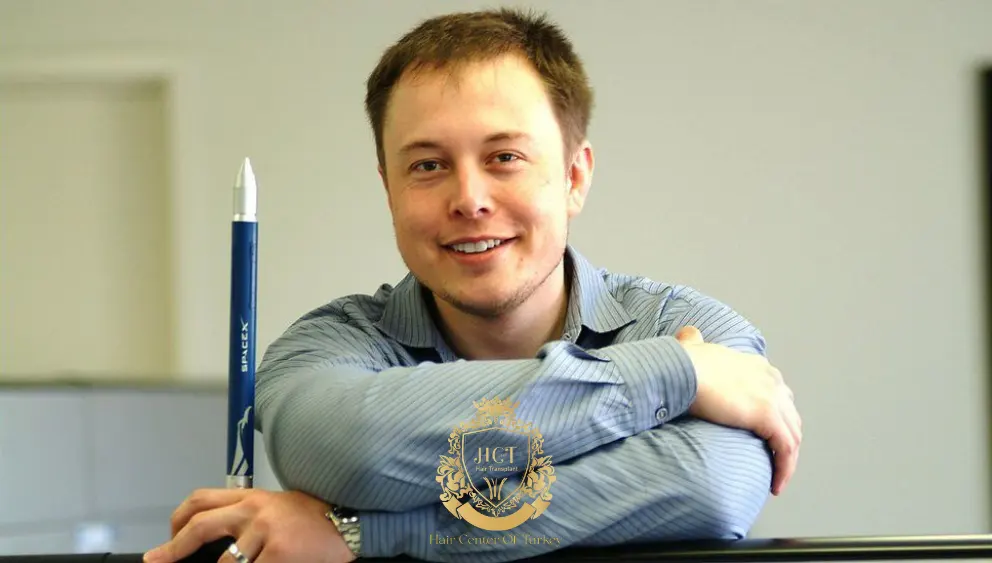
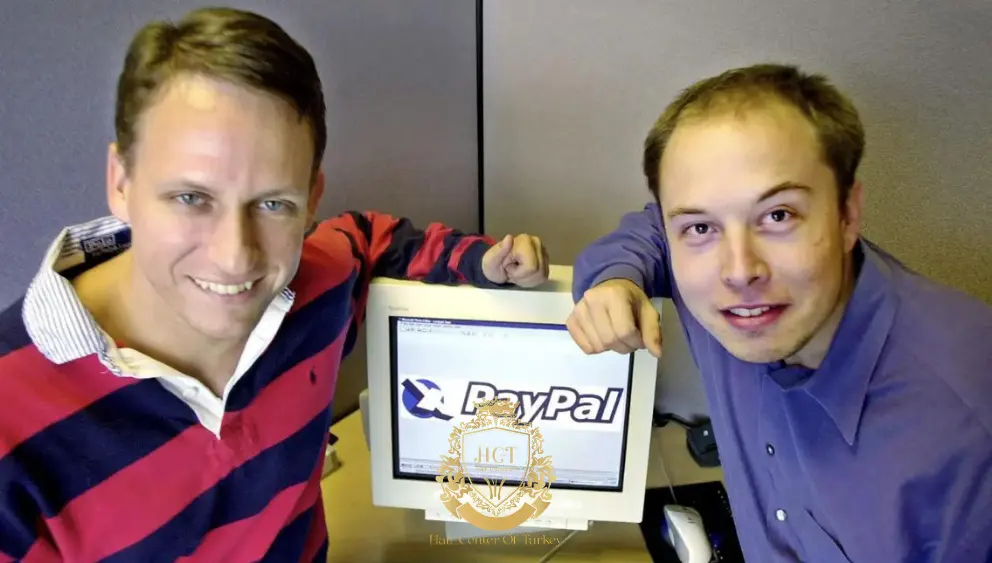
Early photos often show a higher, receding hairline, while later appearances show a fuller frontal area. That kind of improvement is unusual if male-pattern hair loss is progressing unchecked. It’s also the kind of change that triggers online “before and after” comparisons, even when lighting, styling, and hair length are different.
It’s worth treating any celebrity timeline carefully. Images are taken years apart, with different cameras and angles, and public figures may use professional styling. A visible change can still be real, but photos alone can’t prove which method was used.
Has Elon Musk Confirmed a Hair Transplant?
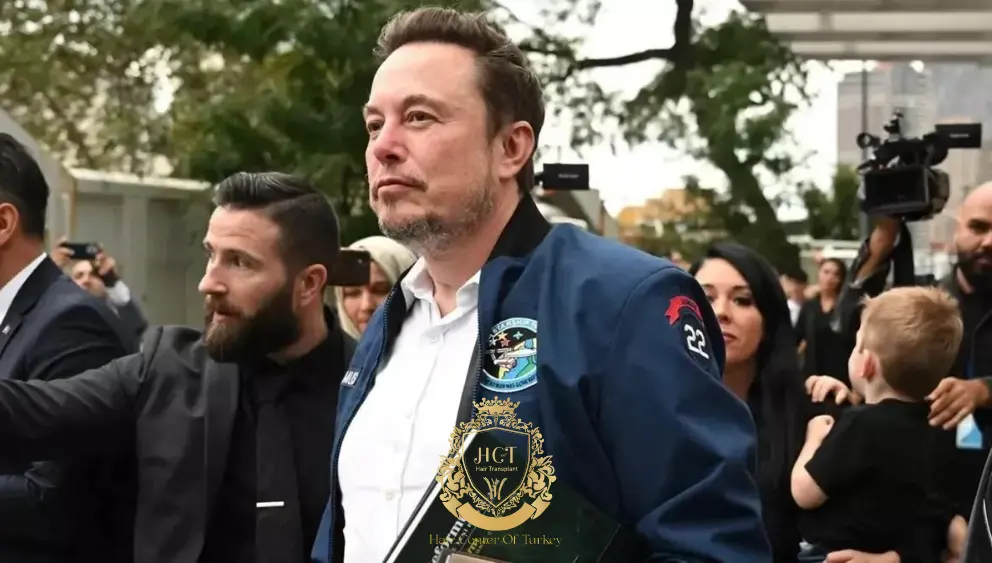
No. Musk has never publicly confirmed having a hair transplant or any specific hair restoration treatment. Because of that, anything you read about the exact technique, clinic, cost, or number of grafts is speculation based on appearance rather than medical records.
When you’re evaluating your own options, the more useful question is not what a celebrity “did,” but what is medically appropriate for your hair loss pattern, donor capacity, and long-term plan.
What Procedures Are Commonly Discussed in Cases Like This
FUE (Follicular Unit Extraction)
FUE moves individual follicular units from the donor area (usually the back and sides of the scalp) to thinning regions. It’s widely used because it can avoid a linear scar and allows flexible graft placement for hairline design.
Sapphire FUE
Sapphire FUE is a variation of FUE that uses sapphire blades for channel opening. Clinics often choose it for precision and controlled incisions, depending on scalp characteristics and the plan for density.
DHI (Direct Hair Implantation)
DHI places grafts using an implanter pen, which can be helpful when a clinic wants very controlled angle and direction in tight areas. It’s not “better” for everyone, but it can be a good fit for certain hairline and density goals.
FUT (Strip Method)
FUT removes a thin strip from the donor area and then dissects it into grafts. It can still be appropriate in some cases, especially when maximising graft yield is a priority, but it does leave a linear scar and requires a different aftercare plan.
Other Reasons a Hairline Can Look Different
Hair can appear thicker or thinner depending on haircut, product use, colour, and how light hits the scalp. Weight change and facial ageing can also alter how a hairline “reads” in photos. Some people use camouflage fibres or strategic styling for events and interviews.
There are also non-surgical medical options that may slow hair loss for some patients. A qualified clinician should explain benefits, risks, and suitability rather than treating medication as a universal fix.
What Really Determines a Natural Result
A natural-looking outcome comes down to planning and execution. The hairline needs an age-appropriate design, correct angles, and a soft transition zone in the front. Density should be realistic, and the donor area must be protected to avoid overharvesting.
The most reliable way to know what’s possible is an in-person assessment or a detailed remote evaluation with clear photos. That’s when a team can estimate graft needs, map donor capacity, and set expectations for growth timelines.
A Boutique, VIP Consultation Approach
At Hair Center of Turkey, the goal is to make planning straightforward and personal. A consultation focuses on your pattern of hair loss, medical history, donor quality, and what a sustainable plan looks like over time.
If you’d like an initial opinion, you can request a free consultation and receive a graft estimate based on your photos. From there, you can decide whether to move forward, ask questions about technique options, and review aftercare guidance in detail.
Frequently Asked Questions
Did Elon Musk definitely get a hair transplant?
There’s no public confirmation. His changing hairline is the reason for the rumours, but it’s not possible to state “definitely” without his own statement or medical documentation.
How many grafts would a typical hairline restoration need?
It depends on the hairline shape, degree of recession, hair calibre, and desired density. A mild recession might require roughly 1,500–2,500 grafts, while more advanced loss can require more—sometimes across more than one session.
How long does it take to see final results?
Most patients see noticeable growth from around the third to fourth month, with more significant improvement by month six. Final maturation commonly takes up to 12 months, and sometimes longer depending on individual factors.
Is a hair transplant permanent?
Transplanted follicles from the donor area tend to be more resistant to hair loss, but ongoing thinning can continue in non-transplanted areas. A long-term plan may include medical management and realistic density goals.
Can Afro hair be transplanted?
Yes, but it requires extra care because curved follicles can make extraction and implantation more technically demanding. Surgeon experience and correct tools matter a lot for safe graft handling and natural direction.
What should I ask during a consultation?
Ask about the proposed technique, estimated graft range, hairline design, who performs each step, and what aftercare looks like. You should also ask how future hair loss will be managed so the result stays balanced over time.



