

Drew Brees Hair Transplant
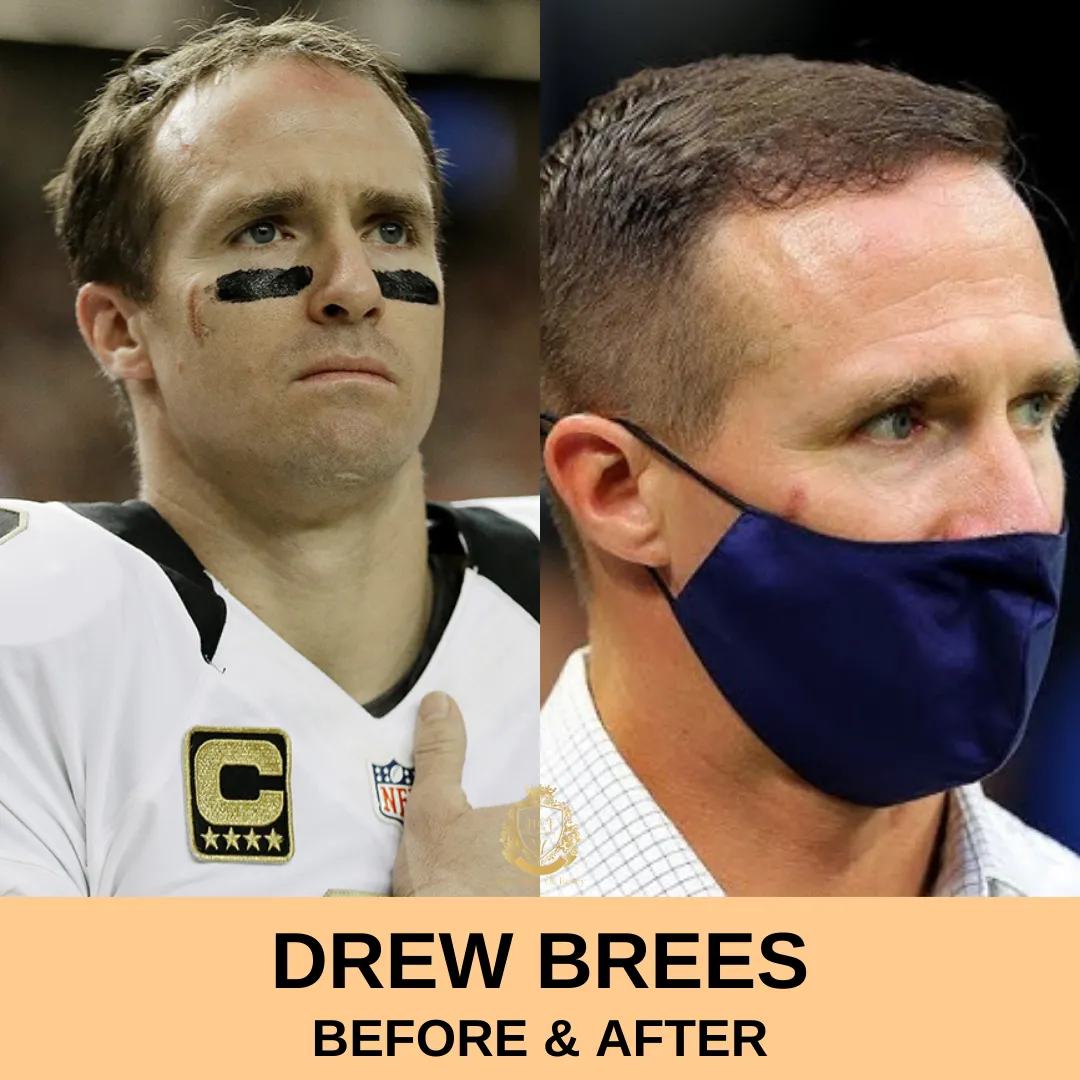
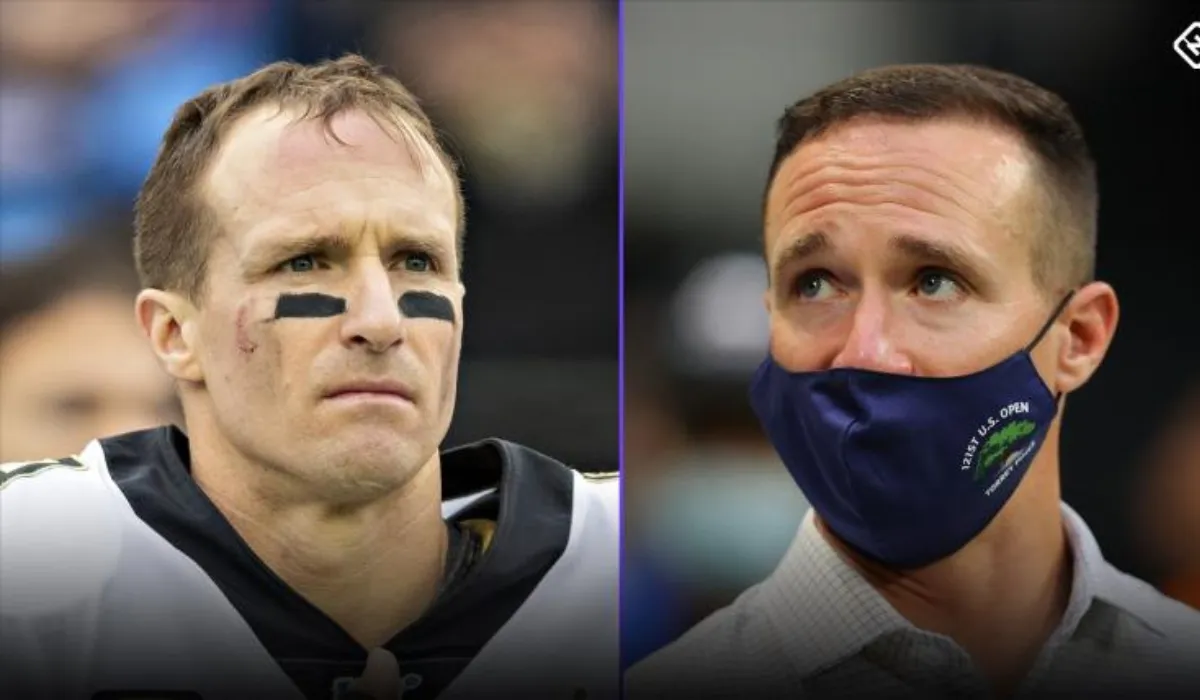
Drew Brees’ noticeably fuller hair has led to ongoing hair transplant speculation, especially since his post‑retirement TV appearances. There’s no public confirmation from Brees, so any procedure details are educated guesswork. Still, his look is consistent with modern hair restoration options such as FUE, medical therapy, or strategic styling.
Table of Contents
Who Is Drew Brees?
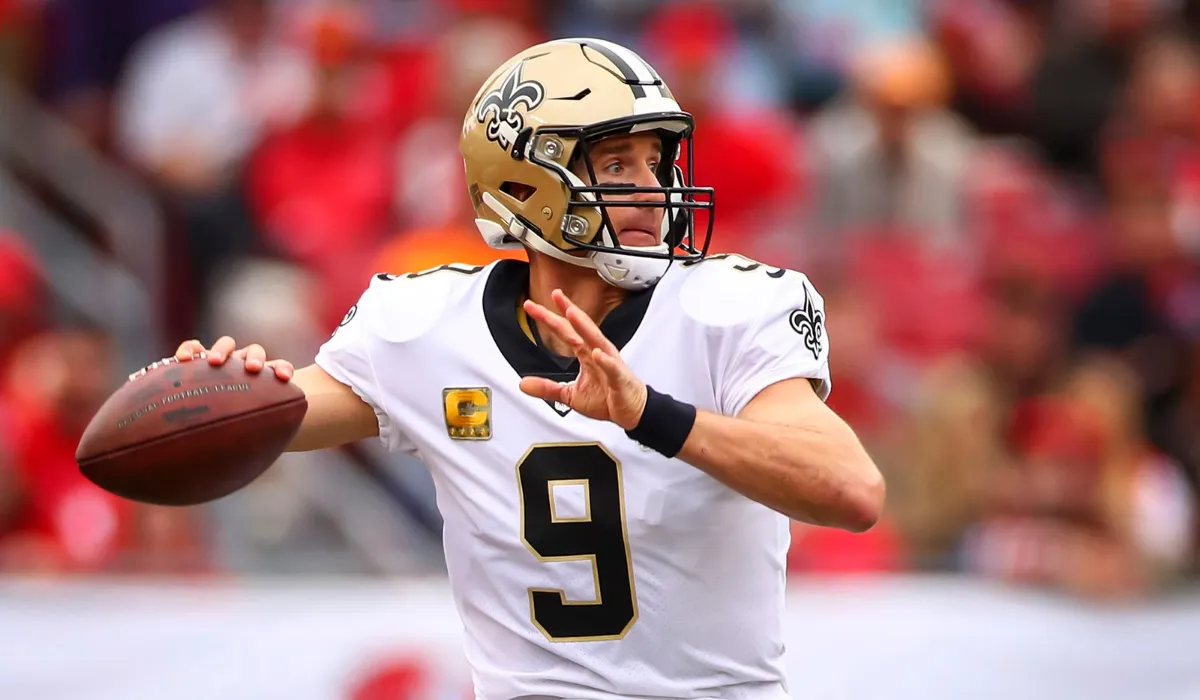
Drew Brees is a former NFL quarterback best known for his career with the New Orleans Saints. He’s widely recognized for elite accuracy, leadership, and a Super Bowl XLIV win that helped define the Saints’ modern era. After retiring, he moved into broadcasting and business, keeping him in the public eye.
Career Highlights Fans Still Talk About
- Super Bowl XLIV MVP (2010): Led New Orleans to the franchise’s first Super Bowl title.
- Record-setting passing production: Became one of the NFL’s most prolific passers by yards and completions.
- 2009 season surge: A landmark year that ended with a championship run.
- Walter Payton NFL Man of the Year (2006): Recognized for community impact.

Did Drew Brees Get A Hair Transplant?
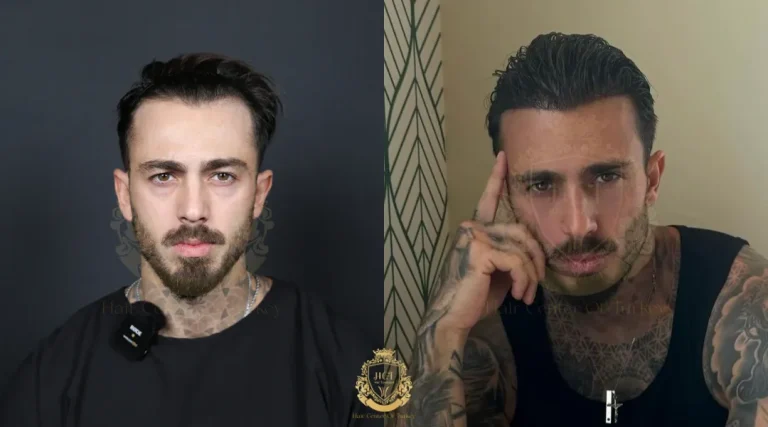
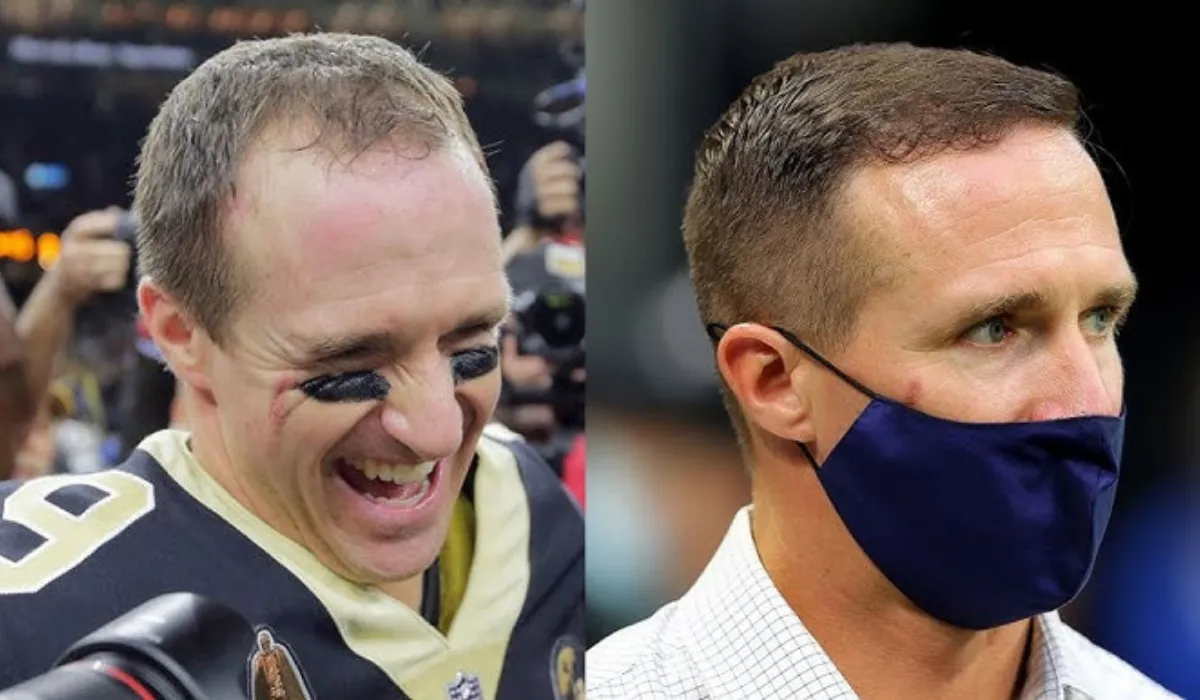
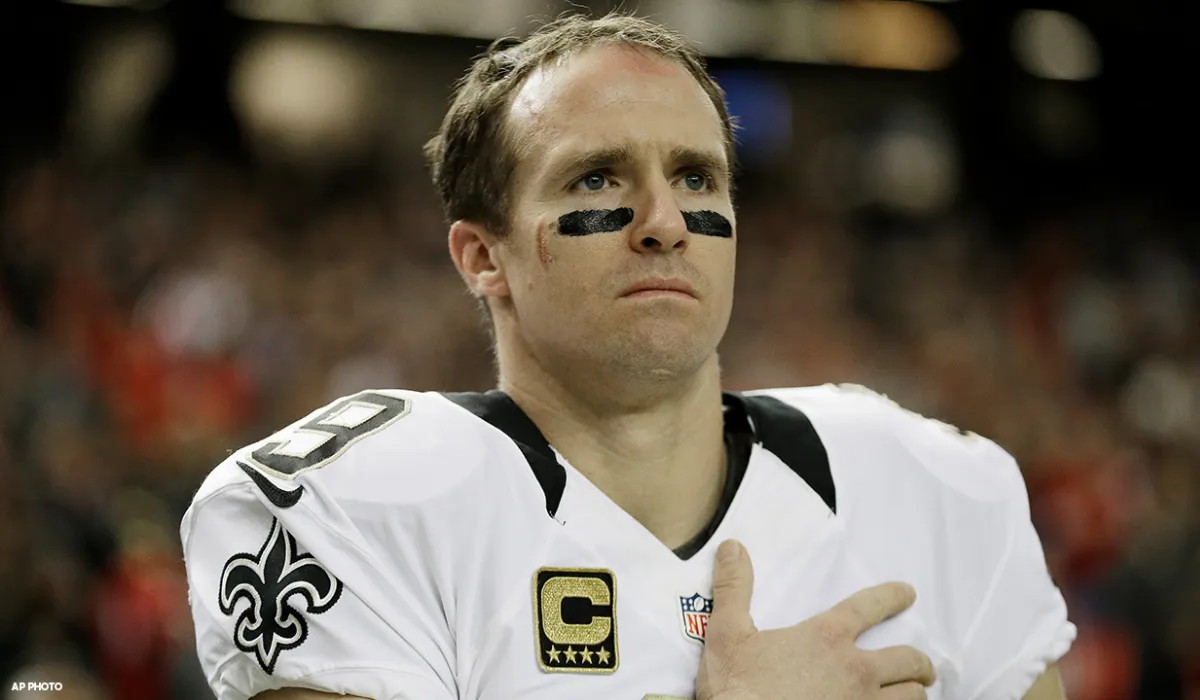
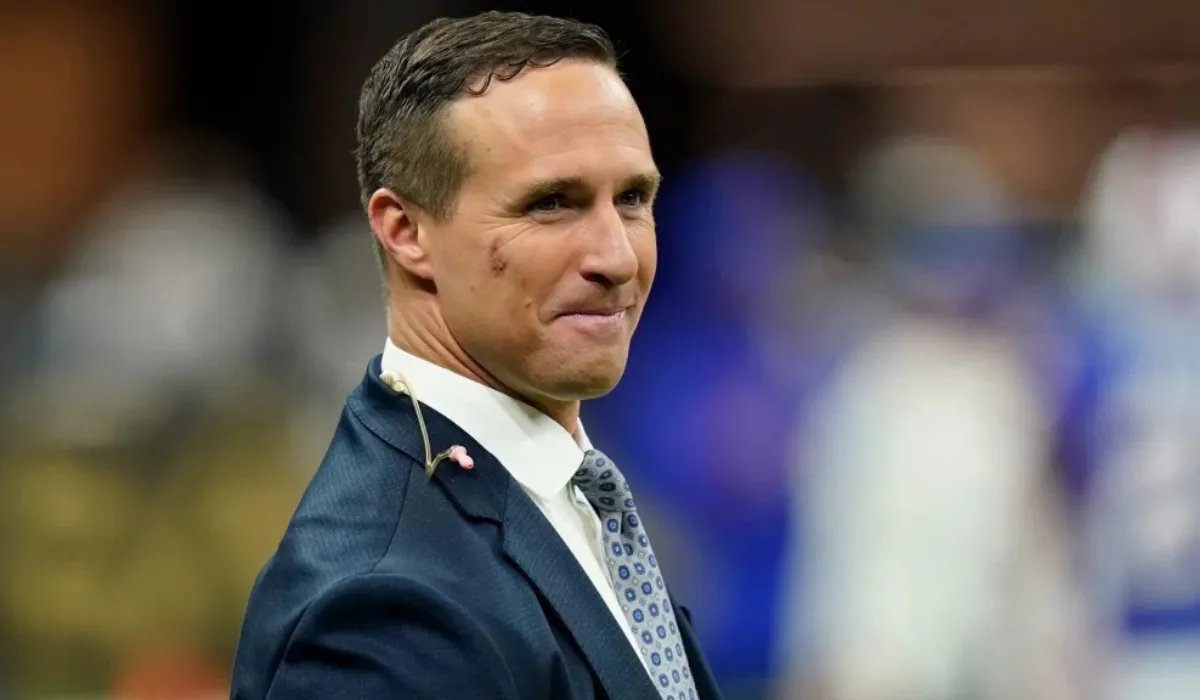
Brees has not publicly confirmed having a hair transplant. The rumors largely stem from the contrast between earlier photos showing a thinner hairline and later appearances showing more density and a sharper front line. Without a statement from him or his medical team, the most accurate answer is that it remains unverified.
Why The Rumors Started
Most public discussion picked up after viewers noticed Brees’ hair looking fuller during televised appearances following retirement. When someone’s hairline appears more defined and the frontal density looks stronger, people naturally assume surgical restoration. That said, cameras, lighting, haircut choices, and temporary concealers can also change how hair reads on screen.
What Changes Are Consistent With Hair Restoration?
A More Defined Hairline
A transplanted hairline often looks cleaner at the temples and more even across the front. If the hairline shifts forward or appears less “see-through” under bright studio lights, that can align with transplant results. Natural outcomes also depend on age-appropriate design and hair direction.
Improved Density In The Front
Transplants typically focus on the frontal third first because that area frames the face. When the front looks noticeably thicker while the crown remains relatively unchanged, it can suggest targeted restoration. It can also reflect medication response or skilled styling, so the pattern matters more than any single photo.
Which Technique Would Fit The Look? FUE Vs. FUT
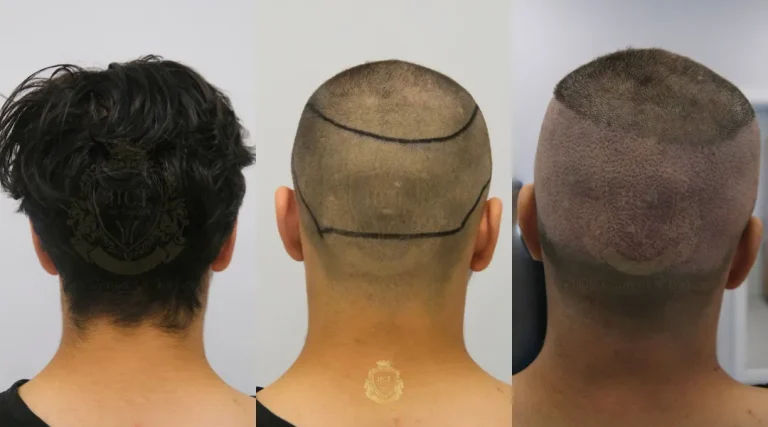
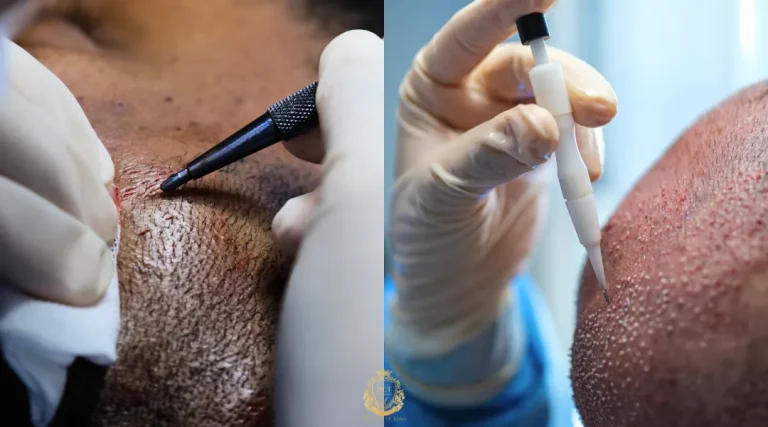
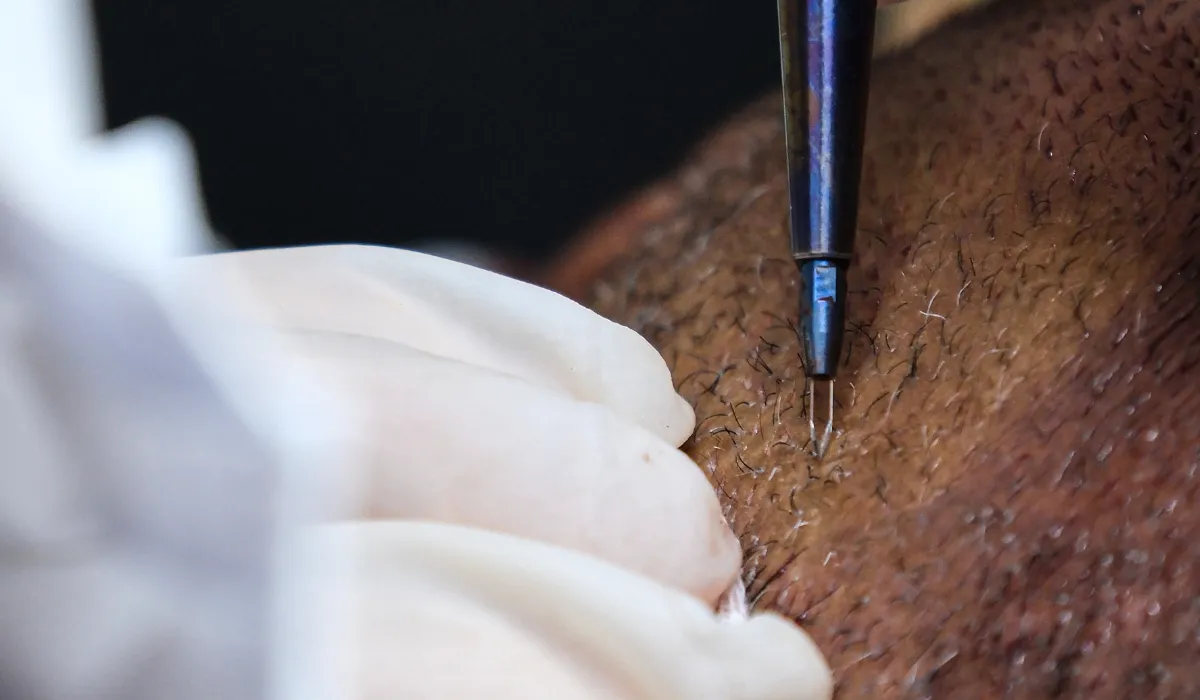
Two common surgical methods are FUE (Follicular Unit Extraction) and FUT (Follicular Unit Transplantation). FUE removes individual grafts and usually leaves tiny dot scars that are hard to spot with longer hair. FUT removes a strip from the donor area and leaves a linear scar that can be visible with very short hair.
From public images alone, it’s not possible to confirm which method—if any—was used. Clinics typically choose based on donor characteristics, hair caliber, goals, and the patient’s preferred hairstyle.
How Many Grafts Might Be Needed For A Similar Result?
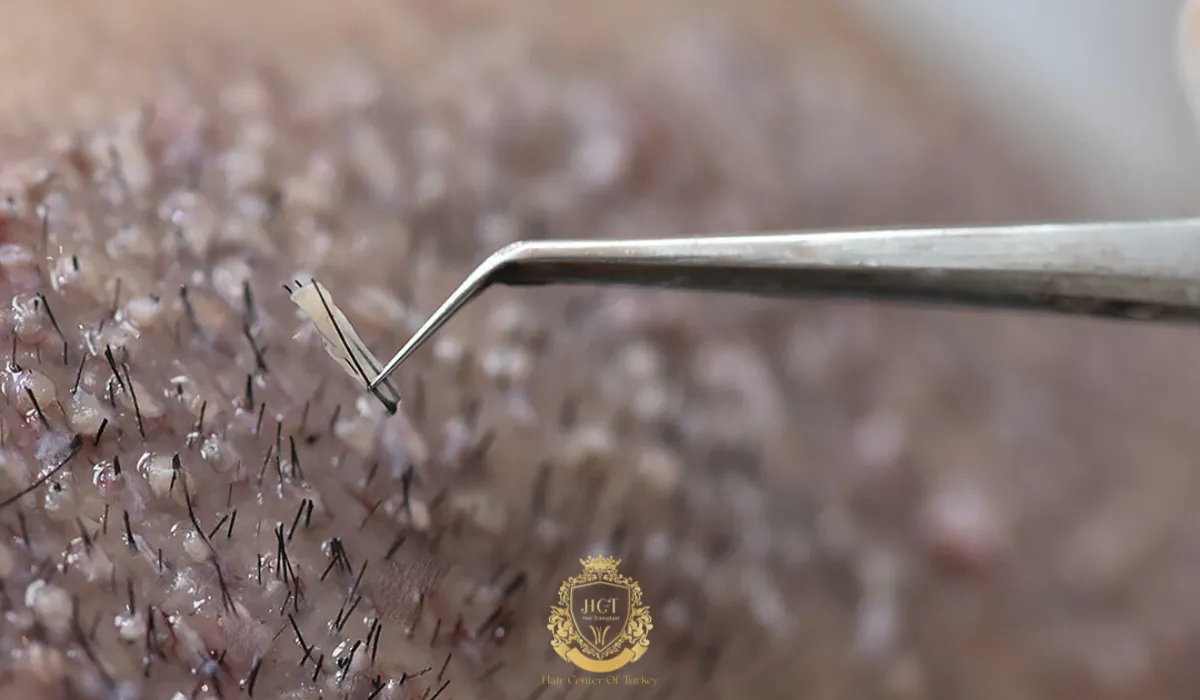
For someone addressing a receding hairline and mild-to-moderate thinning, clinics often discuss ranges from roughly 2,000 to 4,000 grafts. The right number depends on donor capacity, the size of the area being treated, hair thickness, curl pattern, and how dense the plan should be. A responsible plan prioritizes a natural hairline and long-term donor management over chasing maximum density.
Other Explanations Besides A Transplant
Medical Treatment
Some people see visible improvement with medical therapy prescribed by a clinician. Results vary, and it may take months to evaluate whether a regimen is working. If the goal is density maintenance, medical options can be part of a broader plan.
Styling, Fibers, And On-Camera Factors
Hair fibers, volumizing products, a different haircut, and professional styling can dramatically change how hair appears on TV. Studio lighting, high-definition cameras, and makeup can also exaggerate or reduce the appearance of thinning. That’s why before-and-after comparisons can be misleading when conditions aren’t similar.
Considering A Hair Transplant In Turkey?
Turkey remains a popular destination for hair restoration because of experienced medical teams, established clinics, and packages that often include aftercare support. The best outcomes still come down to fundamentals: surgeon-led planning, ethical graft counts, sterile technique, and consistent follow-up. If you’re comparing clinics, focus on patient results, transparent medical leadership, and clear postoperative instructions.
Hair Center Of Turkey: A Patient-First Approach
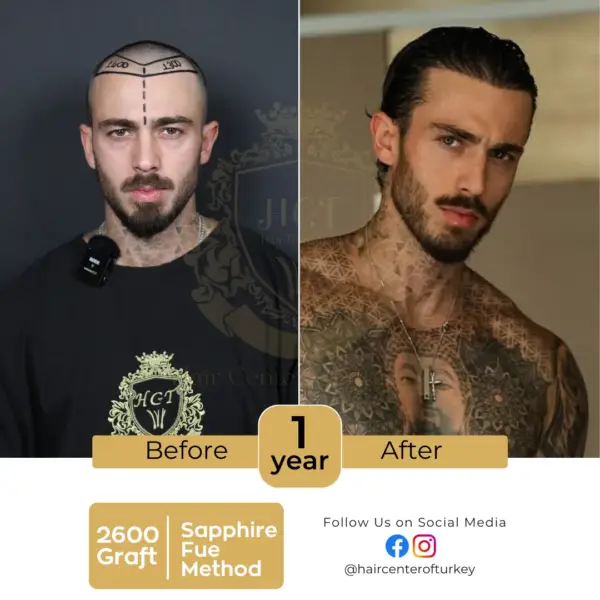
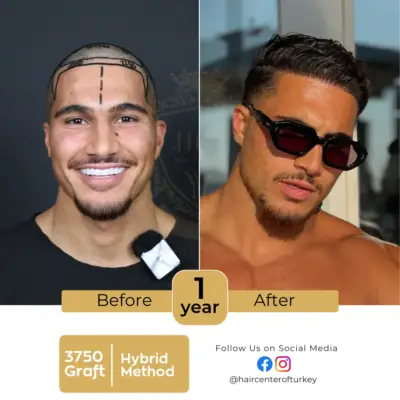
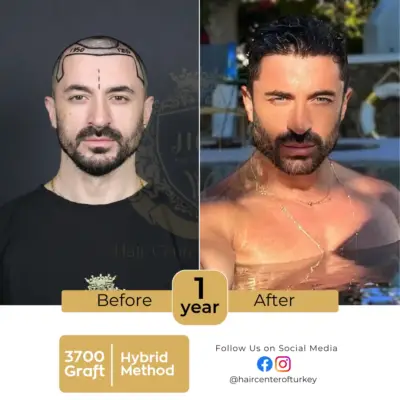
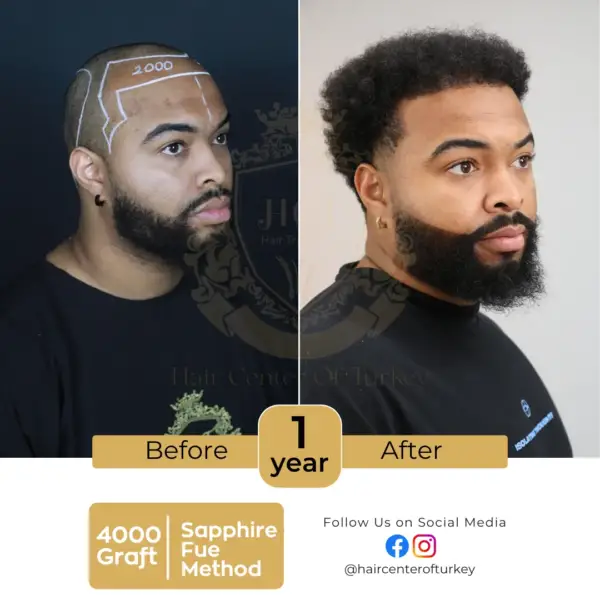
Hair Center of Turkey provides hair restoration services built around individualized planning and natural hairline design. Your suitability, graft estimate, and technique should be determined after a clinical assessment—not from celebrity photos. A strong clinic experience also includes realistic expectations, written aftercare guidance, and accessible support during recovery.
If you want a result that looks natural in everyday life—not just in staged photos—start with a consultation that reviews your donor area, hair loss pattern, and long-term goals.
FAQ
What is the cost of Drew Brees’ hair transplant?
It has not been disclosed; he has not confirmed it, but similar procedures generally cost $3,000–$15,000+.
What happened to Drew Brees’ hair?
His hairline appeared fuller in post-retirement TV appearances, sparking rumors of a transplant.
How many hair transplants has Drew Brees had?
There is no publicly confirmed number of hair transplants.
Who are the most famous celebrities who have had hair transplants?
Wayne Rooney, Jimmy Carr, Ben Stokes, Cheyenne Jackson, Calum Best, Elton John.
How many grafts did he have transplanted?
Not disclosed; there is no confirmed graft count.
Explore the complete guide: Celebrity Hair Transplants – Sports Personalities