





Does Vaping Cause Hair Loss?
Right now, there’s no strong scientific proof that vaping directly causes hair loss. Still, vaping can affect the body in ways that may trigger shedding or thinning in some people—mainly through nicotine’s effects on blood flow, stress, sleep disruption, and inflammation. If shedding is new or worsening, it’s worth reviewing your habits and getting checked for other common causes.
The Short Answer
Vaping hasn’t been shown to directly cause baldness the way genetics can. The concern is indirect: ingredients in e-liquids—especially nicotine—may reduce circulation to the scalp and increase physiologic stress, which can push more hairs into the shedding phase.
What Research Says So Far
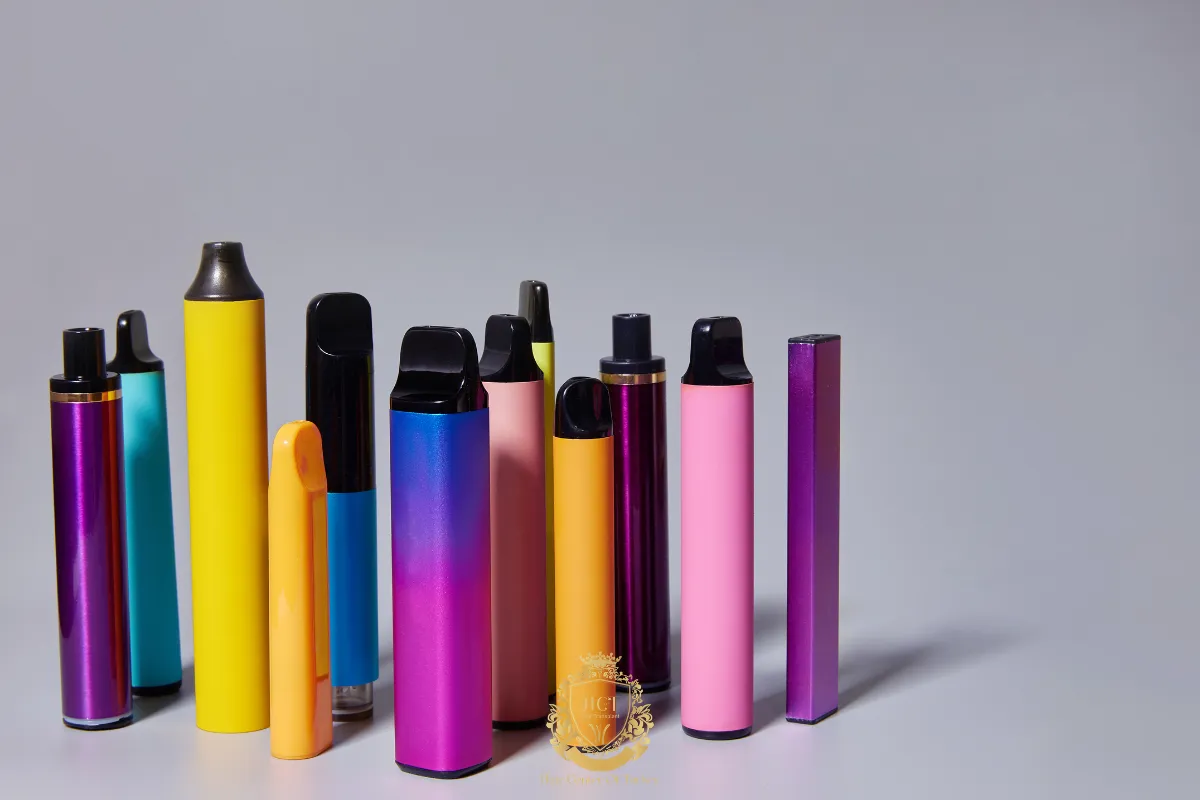
Studies on vaping and hair loss are limited, and most evidence is indirect. We know nicotine can constrict blood vessels and affect the cardiovascular system, and smoking is associated with worse skin and hair outcomes in some studies. Whether vaping has a similar impact over the long term is still being studied.
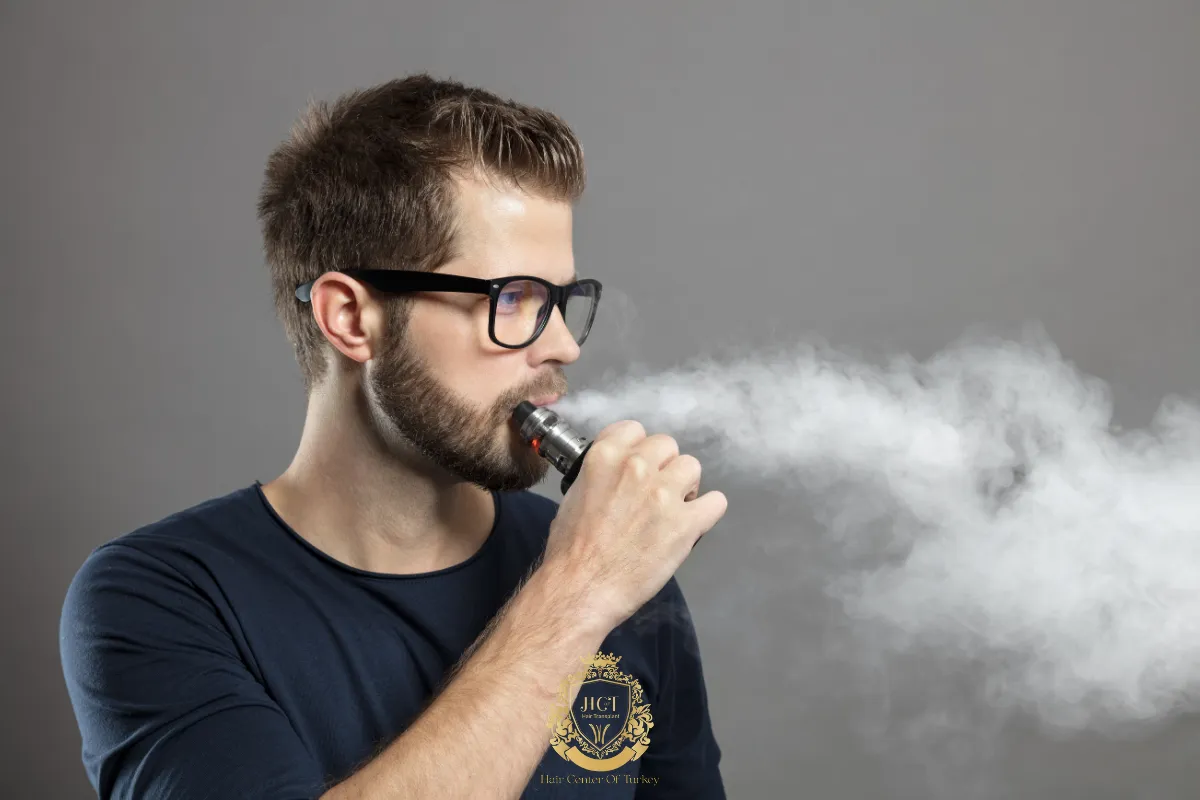
How Vaping Could Affect Hair Health Indirectly
Nicotine and Scalp Blood Flow
Nicotine constricts blood vessels. When that happens, less oxygen and fewer nutrients may reach hair follicles, especially if exposure is frequent. Over time, reduced follicle support can contribute to weaker growth and increased shedding in people who are already prone to thinning.
Inflammation and Oxidative Stress
Some aerosol compounds and flavoring byproducts can irritate tissues and may promote oxidative stress. Inflammation around follicles can worsen scalp conditions and may make shedding more noticeable, particularly if you also deal with dandruff, dermatitis, or sensitive skin.
Stress, Anxiety, and Sleep Disruption
Hair follicles respond to stress hormones. If vaping is tied to higher anxiety, poor sleep, or withdrawal cycles, your body can shift more follicles into a resting phase, leading to telogen effluvium—diffuse shedding that often shows up a few months after a trigger.
Hormone Shifts That Can Affect Hair
Nicotine can influence cortisol and other hormone pathways. Hormonal disruption doesn’t guarantee hair loss, but in people with androgen sensitivity or underlying endocrine issues, it may aggravate thinning.
Can Vaping Cause Permanent Hair Loss?
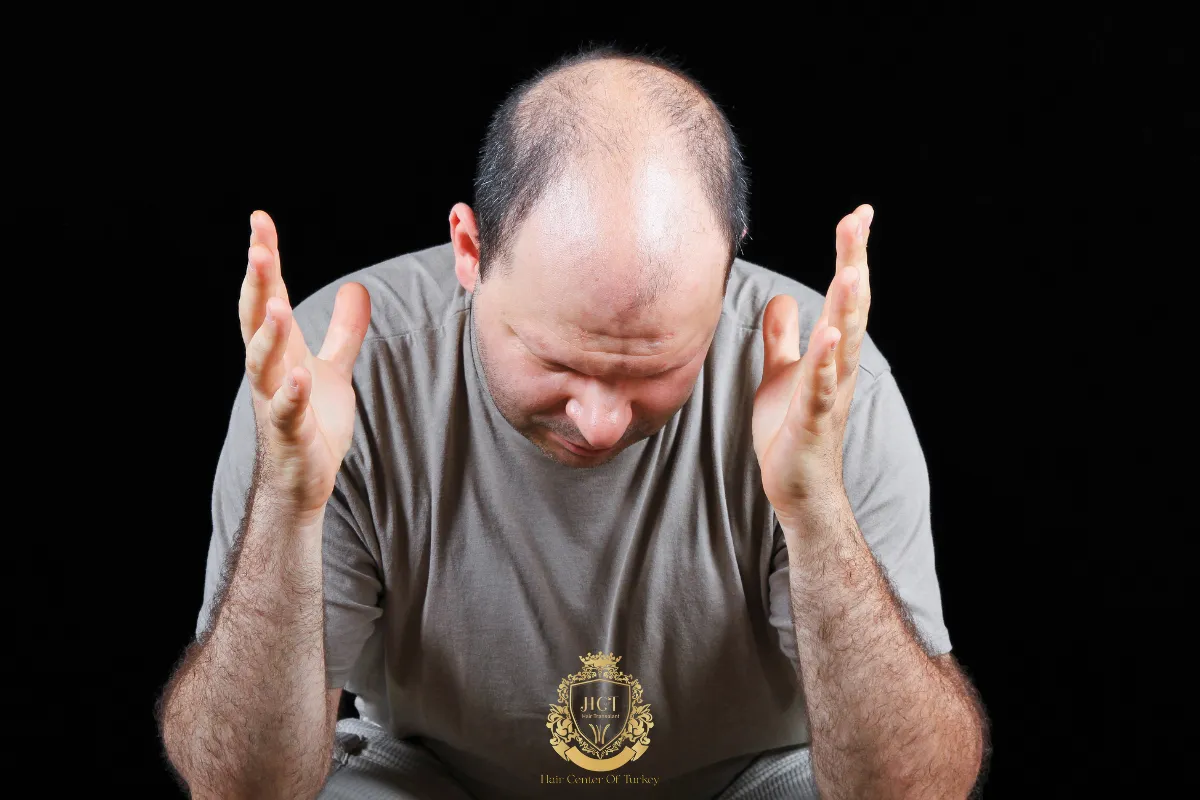
If vaping contributes to shedding through stress or circulation changes, the pattern is more likely to be temporary. Permanent loss usually involves genetics (androgenetic alopecia), scarring conditions, or untreated medical issues. Still, chronic triggers can make thinning look worse over time, especially if a person already has hereditary hair loss.
Clues Your Shedding Might Be Related to Vaping
- Shedding started or increased after you began vaping more often or switched to higher-nicotine products.
- You notice more shedding during periods of high stress, poor sleep, or frequent nicotine cravings.
- Your scalp feels tighter, drier, itchier, or more irritated since vaping became routine.
- Hair loss improves when you cut back nicotine and stabilize sleep, diet, and stress.
How to Reduce Hair Shedding If You Vape
Lower Nicotine Exposure
If you use nicotine, consider stepping down concentration and reducing frequency. Some people notice less shedding once cravings and withdrawal swings settle.
Support Circulation and Nutrition
Prioritize protein, iron-rich foods, zinc, and omega-3 fats. Hydration and regular movement also support circulation, which helps follicles stay in a healthier growth environment.
Protect Sleep and Manage Stress
Aim for consistent sleep and build a stress routine you can stick with—walking, strength training, breathwork, or counseling. When telogen effluvium is the issue, stress reduction often makes a real difference.
Treat Scalp Problems Early
If you have dandruff, itch, or flaking, treat it. Scalp inflammation can intensify shedding and make hair feel thinner even when follicles are still active.
When to See a Dermatologist
Get medical advice if shedding is sudden, patchy, painful, or paired with scalp scaling, sores, or redness. It’s also smart to check in if you have heavy shedding for more than 3 months, menstrual changes, recent illness, major weight loss, or signs of anemia or thyroid issues.
FAQ
Does nicotine cause hair loss?
Nicotine isn’t proven to directly cause hair loss, but it can reduce blood flow and increase stress hormones. Those effects may worsen shedding or thinning in people who are susceptible.
Can vaping affect the scalp?
It can. For some people, vaping is associated with dryness, irritation, or flares of scalp sensitivity. If your scalp is inflamed, hair can shed more and look less dense.
If I quit vaping, will my hair grow back?
If vaping is contributing indirectly through stress or irritation, hair often improves once triggers are removed and overall health stabilizes. If you have genetic hair loss, you may need targeted treatments to see regrowth.