





Does Alcohol Cause Hair Loss? Effects of Alcohol on Hair
Alcohol typically doesn’t make hair fall out on its own, but frequent or heavy drinking can contribute to thinning and shedding. Dehydration, poor sleep, higher stress, and low levels of key nutrients (like iron, zinc, and protein) can push more hairs into the shedding phase. Reducing alcohol and fixing deficiencies often improves growth over time.
Does alcohol cause hair loss?
Alcohol can play a role in hair loss, but it’s usually an indirect trigger rather than the sole cause. Many people notice more shedding after periods of heavy drinking because alcohol affects hydration, nutrition, sleep quality, and stress levels. If you already have a genetic tendency toward thinning, those factors can make it more noticeable.
Hair loss has many possible causes, including genetics, thyroid problems, iron deficiency, recent illness, pregnancy, rapid weight loss, and certain medications. If shedding is sudden, severe, or comes with scalp symptoms, it’s worth checking in with a clinician so you don’t miss a treatable condition.
Table of Contents
How alcohol can affect hair growth
Hair grows in cycles. When the body is under strain, more hairs can shift into the resting phase and shed a few months later. This pattern is called telogen effluvium, and it can happen after stressors like poor nutrition, sleep disruption, or illness—factors that can be linked to heavy drinking.
Nutrient deficiencies
Regular heavy alcohol intake can reduce appetite, interfere with absorption, and increase nutrient loss. Over time, deficiencies can weaken hair shafts and slow growth. Nutrients commonly connected to healthy hair include:
- Protein (hair is made largely of keratin, a protein)
- Iron (low iron stores can contribute to shedding)
- Zinc
- Folate and other B vitamins
- Vitamin D (when low, it may be associated with shedding in some people)
Dehydration and dryness
Alcohol is a diuretic for many people, meaning it can increase fluid loss. Dehydration can leave hair looking dull and brittle and may irritate the scalp, especially if you’re already prone to dandruff or dryness. While dehydration alone usually isn’t a permanent cause of hair loss, it can worsen breakage and make thinning look worse.
Sleep disruption and higher stress
Even when alcohol makes you feel sleepy, it can fragment sleep later in the night. Poor sleep and higher stress hormones can push more hairs into shedding and make recovery slower. If drinking is tied to anxiety, mood changes, or burnout, the stress effect on hair can be significant.
Hormonal and inflammatory effects
Heavy drinking may affect hormones involved in hair growth and can increase inflammation in the body. For some people, this may worsen scalp conditions or increase shedding. This doesn’t mean every drink causes hair loss, but frequent high intake can stack multiple risk factors at once.
Liver health and overall nutrition
Long-term heavy alcohol use can harm the liver and contribute to broader nutritional problems. When overall health is affected, hair is often one of the first places the body ‘cuts back’ because hair growth is not essential for survival. If you have symptoms such as jaundice, persistent fatigue, swelling, or unexplained weight changes, seek medical advice promptly.
Who is most likely to notice alcohol-related shedding?
Not everyone who drinks will lose hair. You may be more likely to notice thinning if you:
- Drink heavily or binge drink regularly
- Have a low-protein diet or limited overall calorie intake
- Have low iron stores, vitamin D deficiency, or other nutrient gaps
- Already have androgenetic (genetic) hair loss
- Have high stress, poor sleep, or smoke alongside drinking
Signs your hair loss might be linked to drinking habits
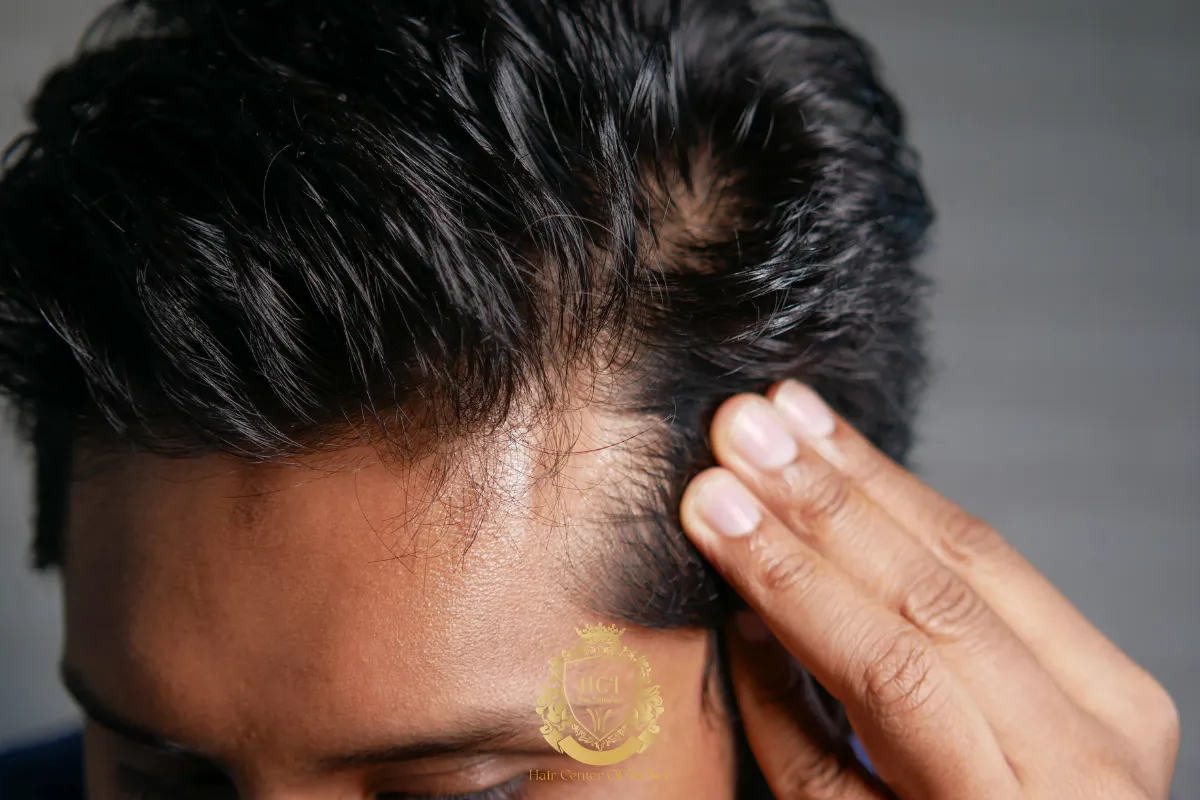
Alcohol-related shedding tends to be diffuse, meaning it comes from all over the scalp rather than a single patch. You might also notice dry, brittle strands, more breakage, or a flaky scalp. Other clues include frequent fatigue, poor recovery after workouts, or signs of poor nutrition.
Does hair loss stop after quitting alcohol?
For many people, shedding improves after cutting down or quitting—especially if alcohol was contributing to dehydration, poor sleep, or nutrient deficiencies. Hair growth is slow, so changes are gradual. It often takes 2–3 months for reduced shedding to become noticeable and 6–12 months to see fuller regrowth, depending on the cause.
If hair loss is mainly genetic (male or female pattern hair loss), quitting alcohol won’t reverse it on its own. You may still benefit from reducing alcohol, but you’ll likely need targeted treatment options discussed with a dermatologist.
How to help hair grow back after cutting back on alcohol
Focus on nutrition first
Aim for regular meals with enough protein and iron-rich foods. If you suspect a deficiency, ask your clinician about labs such as ferritin (iron stores), vitamin D, B12, folate, thyroid function, and a complete blood count.
Hydrate and protect the scalp
Drink water throughout the day, especially if you’re reducing alcohol after a period of frequent intake. Use gentle shampoos and avoid aggressive heat styling while hair is fragile. If dandruff or itching is persistent, a medicated anti-dandruff shampoo may help, or a clinician can check for dermatitis.
Sleep and stress habits that support regrowth
Prioritize consistent sleep and build a wind-down routine that doesn’t rely on alcohol. Light exercise, mindfulness, and reducing caffeine late in the day can help sleep quality. When stress is the main trigger, addressing it often improves shedding over the following months.
Supplements: only when needed
Supplements can be useful if you have a proven deficiency, but they’re not a shortcut for everyone. Taking high doses of certain vitamins or minerals can be harmful. If you do supplement, follow a clinician’s guidance and recheck levels as recommended.
When to see a doctor or dermatologist
Get medical advice if you notice patchy bald spots, scalp pain, redness, scaling, or sudden rapid shedding. It’s also wise to seek help if you’re drinking heavily and struggling to cut back, or if you have symptoms suggesting liver or nutritional problems. A clinician can help you address root causes and rule out conditions that need treatment.
F.A.Q.
Will my hair grow back if I stop drinking alcohol?
Possibly—if alcohol caused shedding via deficiencies or stress, regrowth may occur within months.
Will my hair look better if I stop drinking?
Yes—less dehydration and better nutrition can improve shine, breakage, and scalp health.
What drink causes thinning hair?
No single drink; heavy alcohol consumption can cause deficiencies and stress that increase shedding.
Why is my hair thinning with alcohol?
Alcohol can worsen thinning via nutrient malabsorption, dehydration, poor sleep, and stress-related shedding.
Do alcoholics have thinner hair?
Often yes, due to chronic malnutrition and illness that increase hair-shedding disorders.