

Beta Sitosterol And Hair Loss: Does It Help?
At Hair Center of Turkey, our medical team regularly evaluates natural compounds for hair health, including beta sitosterol — a plant sterol found in nuts, seeds, and vegetable oils. It’s often marketed for hair loss because it may influence DHT, a hormone linked to pattern hair loss. Human evidence is limited, and results vary. If you choose to try it, focus on realistic expectations, good scalp care, and medical advice when shedding is sudden or severe.
Table of Contents
What Is Beta Sitosterol?
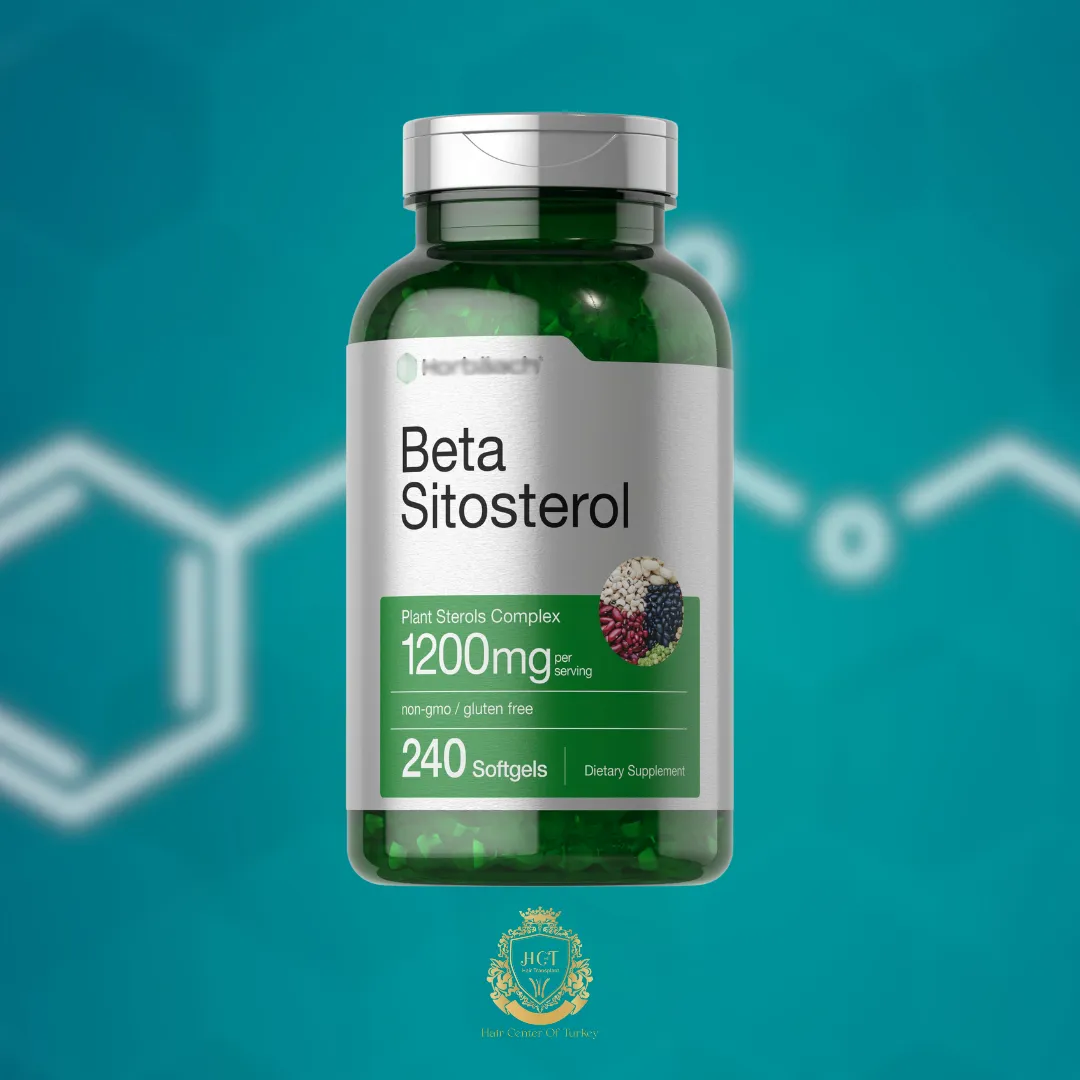
Beta sitosterol is a natural compound called a phytosterol. It has a structure similar to cholesterol and is found in many plant foods. It’s best known for supporting healthy cholesterol levels and is also used in some prostate-health supplements.
Why It’s Discussed For Hair Loss
Most “natural DHT blocker” conversations revolve around androgenetic alopecia (pattern hair loss). In this condition, genetically sensitive follicles react to dihydrotestosterone (DHT) and gradually miniaturize. Over time, hairs become finer, shorter, and easier to shed.
How Beta Sitosterol May Affect DHT
Beta sitosterol has been studied for its potential to influence the enzyme 5-alpha-reductase, which converts testosterone to DHT. That mechanism is also the target of prescription treatments such as finasteride. Still, supplements are not the same as prescription medication, and the strength of the effect can differ widely.
If beta sitosterol helps, the benefits would likely come from supporting a healthier environment for follicles rather than producing rapid regrowth. For many people, stabilizing shedding is a more realistic early goal than dramatic thickening.
What Research Says
Clinical research on beta sitosterol specifically for hair loss is limited. Most human studies involve multi-ingredient formulas or saw palmetto products that contain plant sterols, including beta sitosterol. Some small trials report improvements in perceived hair quality or reduced shedding, but results are not consistent enough to treat it as a proven solution.
The takeaway: beta sitosterol may be worth considering as a supportive option, especially for people who prefer a gentle, natural approach. It shouldn’t replace evidence-based treatments when hair loss is progressive or distressing.
Food Sources Of Beta Sitosterol
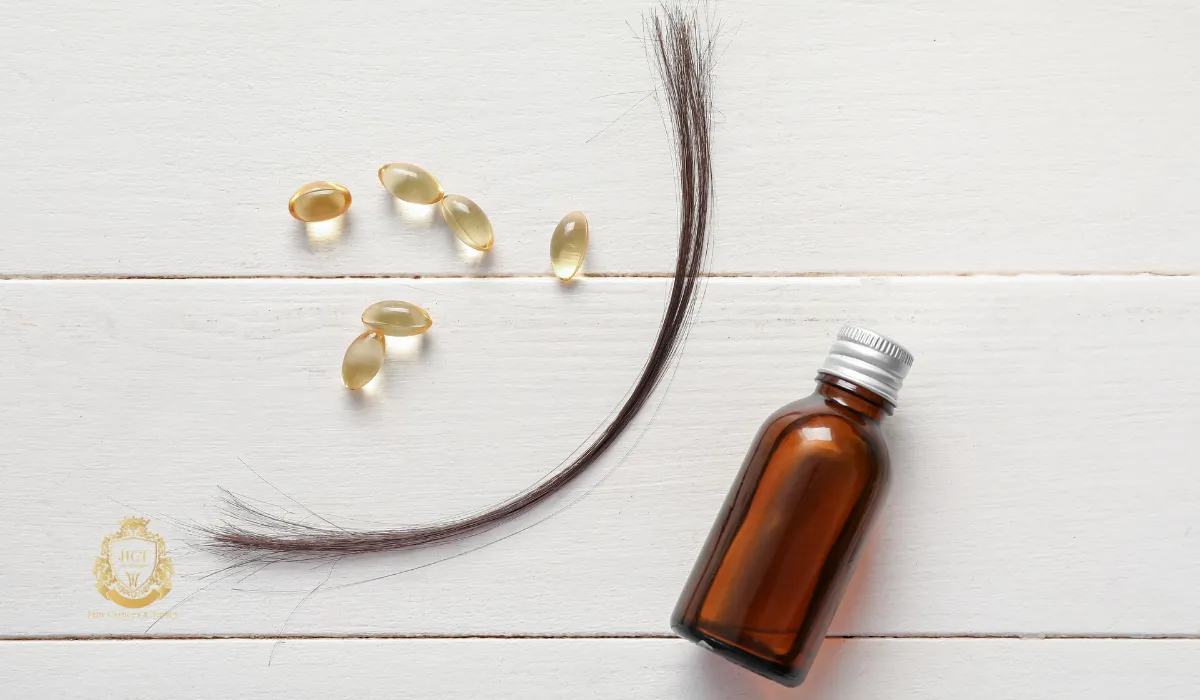
Getting phytosterols from food supports overall health and is a low-risk starting point. Foods naturally rich in beta sitosterol include:
- Avocados
- Nuts and seeds (for example, almonds, walnuts, pumpkin seeds)
- Vegetable oils (such as olive, canola, and sesame oil)
- Legumes (including lentils, chickpeas, and soybeans)
How To Use Beta Sitosterol For Hair Health
1) Dietary intake
A balanced diet with healthy fats, protein, iron, zinc, and vitamin D supports hair quality more reliably than a single ingredient. Adding phytosterol-rich foods can fit naturally into that bigger picture.

2) Supplements
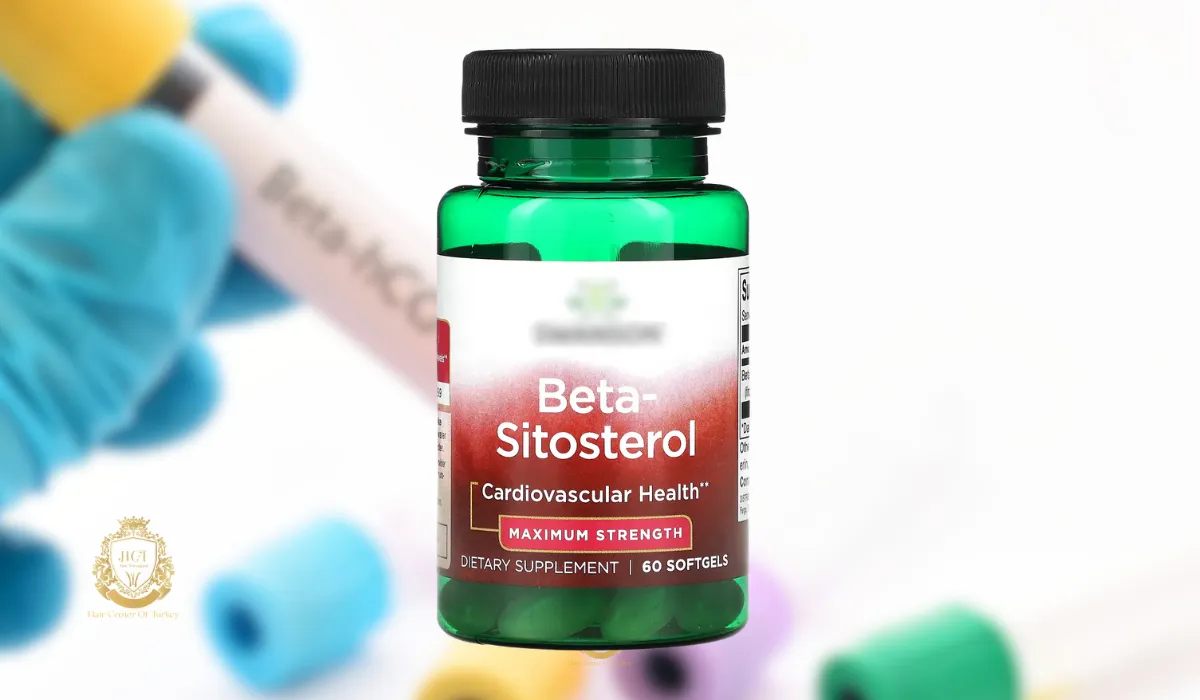
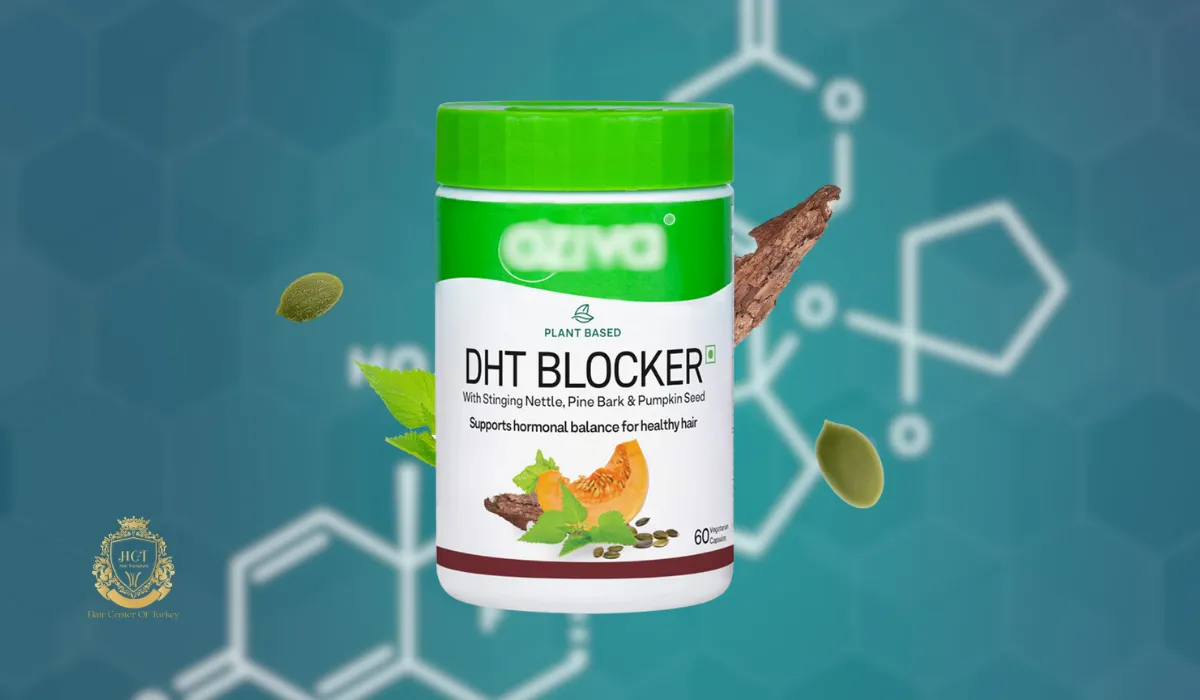
Beta sitosterol supplements are sold alone or combined with ingredients such as saw palmetto, biotin, or pumpkin seed oil. Choose reputable brands and avoid stacking multiple “DHT blocker” products at the same time. If you take hormone-related medication or have a medical condition, check with a clinician first.

3) Topical products
Some shampoos and scalp serums include phytosterols as part of a broader scalp-care formula. Topical products may help with comfort and scalp balance, but they are unlikely to reverse genetic hair loss on their own.
How Long Does It Take To See Results?
Hair grows slowly, so any meaningful change typically takes time. If beta sitosterol helps you, you may notice reduced shedding or improved feel and texture after about 3 months, with fuller changes taking 6 months or longer. A sudden increase in shedding needs medical evaluation rather than self-treating.
Possible Side Effects And Precautions
Beta sitosterol is generally well tolerated for most adults, but mild digestive effects can occur. Examples include nausea, gas, bloating, diarrhea, or constipation. Stop use and seek medical advice if you develop persistent symptoms.
People who are pregnant or breastfeeding, under 18, or managing hormone-sensitive conditions should get medical guidance before use. It may also be unsuitable for individuals with sitosterolemia, a rare disorder that affects plant sterol metabolism.
When To See A Doctor
Get medical advice if hair loss is sudden, patchy, painful, associated with scalp scaling or bleeding, or accompanied by fatigue, weight change, or menstrual changes. These clues can point to conditions such as thyroid disease, iron deficiency, inflammatory scalp disorders, or autoimmune hair loss. Treating the underlying cause is usually the fastest route to improvement.
FAQ
How to block DHT for hair loss naturally?
Only prescription 5-alpha-reductase inhibitors reliably block DHT; natural options have limited evidence.
Is beta-sitosterol DHT blocker?
Beta-sitosterol shows weak 5-alpha-reductase inhibition; human evidence for DHT blocking is limited.
What is the Big 3 for hair loss?
Minoxidil, finasteride, and ketoconazole shampoo are commonly called the hair-loss Big 3.
What do the Japanese do for hair loss?
Many Japanese use AGA clinics offering finasteride/dutasteride, minoxidil, and hair transplants.
What did Elon Musk use to regrow hair?
Elon Musk hasn’t confirmed; experts speculate hair transplant plus finasteride/minoxidil.
Explore the complete guide: Hair Loss Treatments