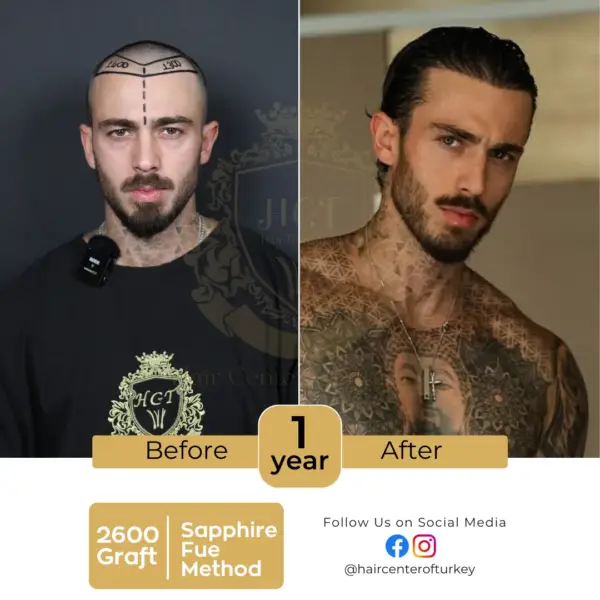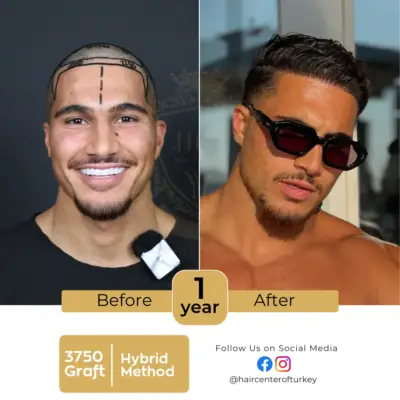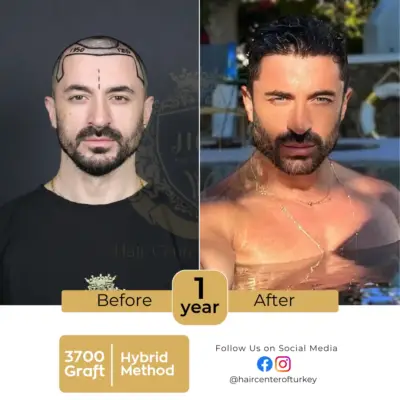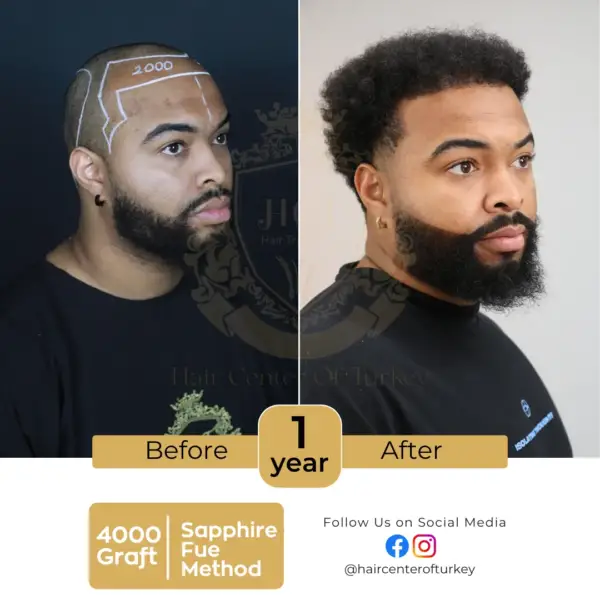







Before And After FUE Hair Transplant
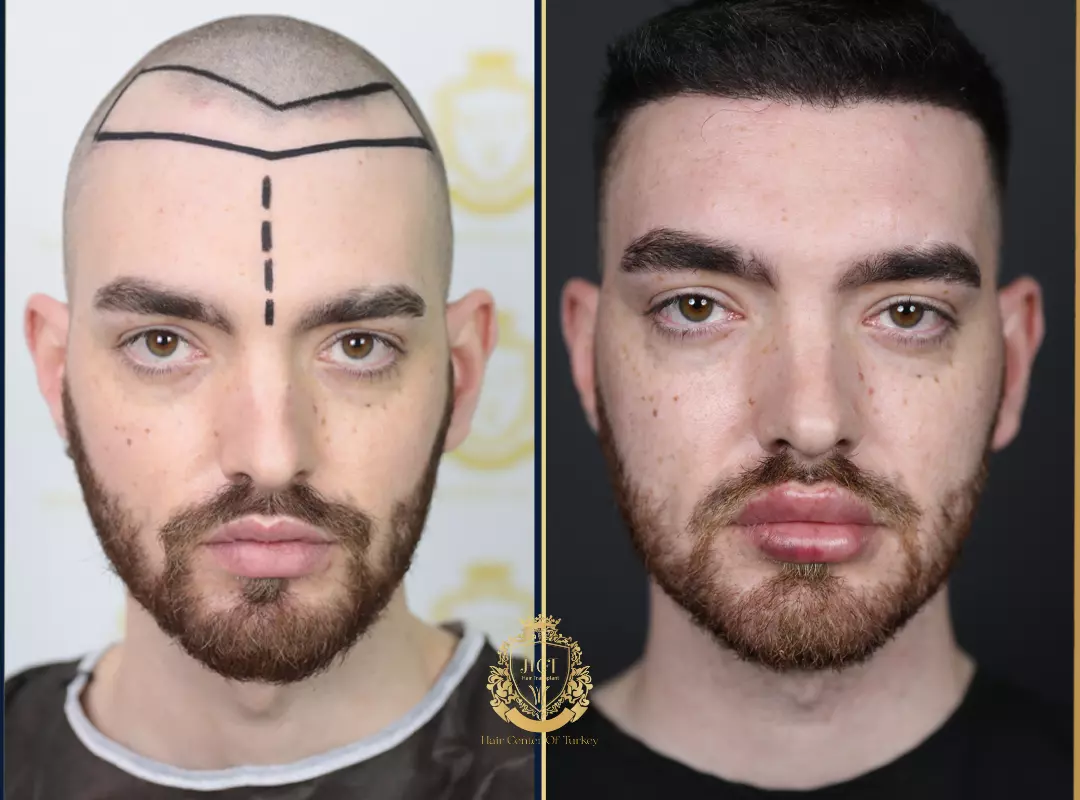
Before-and-after FUE results usually show a gradual improvement, not an overnight change. Most people see early redness and scabbing in the first week, temporary shedding in weeks 2–6, and new growth starting around month 3. Final density typically becomes clear between months 9–12, based on your graft count, hair characteristics, and aftercare.
Table of Contents
What FUE Is And Why Before/After Photos Matter
FUE (Follicular Unit Extraction) is a minimally invasive hair transplant technique where grafts are removed one by one from a donor area and then implanted into thinning or bald areas. Because healing and regrowth happen in stages, before-and-after photos are useful for setting realistic expectations about timing and density. For the clearest comparison, photos should be taken in similar lighting, with the same hairstyle, and at consistent milestones (for example: 1 week, 1 month, 3 months, 6 months, and 12 months).
A Quick Note On The History Of FUE
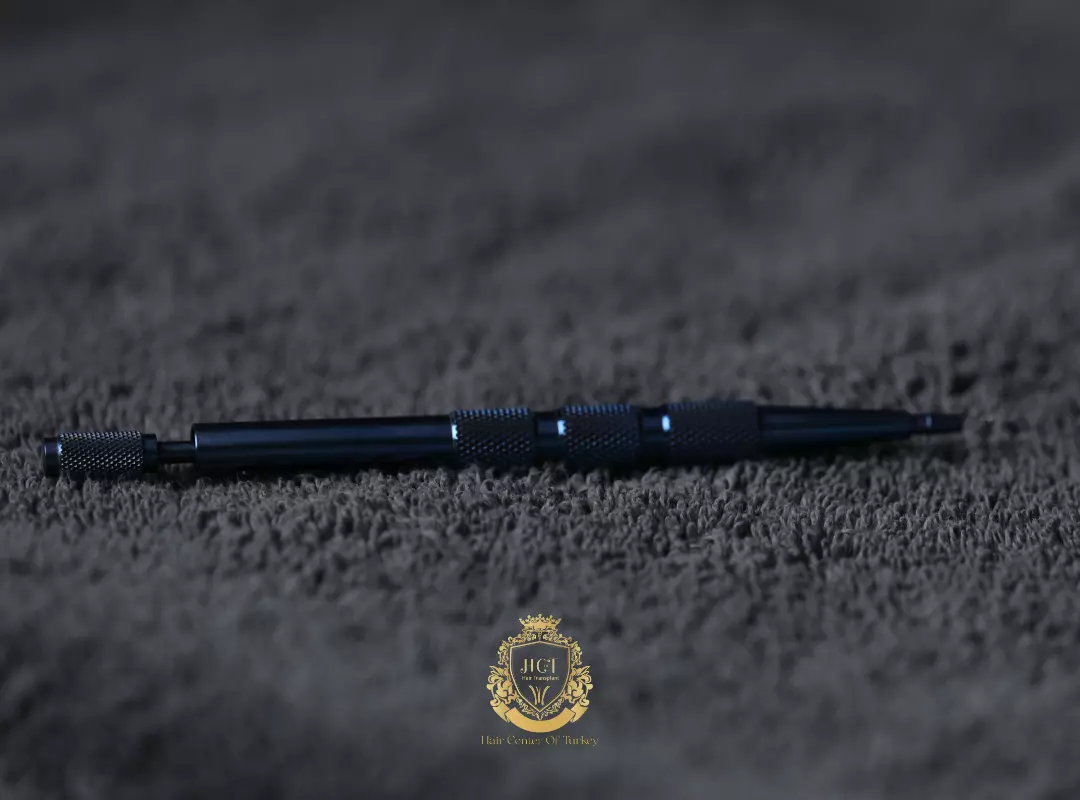
Modern FUE was first described in Japan in 1988, and the technique was introduced into medical literature in 2002. In Turkey, many clinics began adopting FUE in the early 2000s as tools and training became more standardized. Today, FUE is widely offered because it avoids a linear strip scar and supports natural-looking placement when planned carefully.
Who May Be A Good Candidate
Suitability depends on your donor hair quality, the pattern of hair loss, overall health, and expectations about achievable coverage. FUE is commonly considered for androgenetic (genetic) hair loss, hairline refinement, and some scar or traction-related thinning. A face-to-face consultation is important, since the safest plan is always personalized.
How FUE Hair Transplantation Is Performed
FUE is typically carried out in a sterile clinical setting by a physician-led team. After local anesthesia is applied to the donor area, follicular units are extracted with a small punch and stored in a way that protects graft quality. The recipient area is then prepared, and grafts are implanted to match the natural direction, angle, and density of your existing hair.
Donor Area Selection
Most grafts are taken from the back and sides of the scalp because this hair is generally more resistant to androgen-related thinning. If scalp donor supply is limited, some patients may be evaluated for body hair as an additional option, depending on hair characteristics and medical suitability.
Channel Opening And Implantation
Channels (tiny incisions) are created in the recipient area before implantation, or the surgeon may use an implantation technique depending on the clinic’s protocol. Case length varies with graft numbers and complexity, often taking several hours. Your team should explain how many grafts are planned and why that number fits your goals and donor capacity.
Common FUE Variations You May Hear About
Clinics may describe FUE with different names, usually based on the tools used to create channels or the way anesthesia and comfort measures are handled. The most important factors are medical oversight, graft handling, natural hairline planning, and consistent aftercare.
Micro FUE
Micro FUE generally refers to using smaller punches or micro-motor devices to extract grafts with precision. Some patients may need one session, while others may need staged sessions based on the area to be covered and donor limits. Return-to-work time varies; many people resume non-physical work within a few days, depending on swelling and how they feel.
Sapphire FUE
Sapphire FUE typically means sapphire-blade tips are used when creating recipient channels. Some clinics report cleaner incisions and less tissue trauma compared with standard steel blades, though outcomes still depend heavily on surgeon technique and graft placement. Procedures are often planned as a single session when graft numbers allow.
Sedation-Assisted FUE
Some centers use light sedation alongside local anesthesia to improve comfort for anxious patients. Sedation does not remove the need for careful medical screening, and you’ll usually need a short recovery period before returning to normal routines. Your clinician should explain the medication plan, monitoring, and any restrictions for the first 24 hours.
What To Expect After FUE
Days 1–7
Redness, mild swelling, and small scabs around the implanted grafts are common during the first week. Your clinic usually performs the first wash and shows you how to clean the area gently at home. Avoid rubbing, scratching, or direct pressure on the recipient area during early healing.
Weeks 2–6
Many patients experience temporary shedding of transplanted hairs, often called shock loss. This is expected and does not mean the transplant has failed, since the follicles remain in place under the skin. Your scalp can also feel tight or itchy as it heals.
Months 3–12
New growth commonly becomes noticeable from around month 3, then gradually thickens over time. Most people see clearer cosmetic improvement between months 6–9, with the final look usually assessed around months 9–12. Hair caliber, curl pattern, and donor density all affect how “full” the result appears.
Aftercare Habits That Support Healing
Follow the washing and medication instructions your clinic provides, since protocols vary. Hydration, adequate sleep, and avoiding smoking can support recovery, while strenuous exercise is often limited for a short period. If your clinician advises it, limit very salty foods in the first days to reduce swelling.
Follow-Up Appointments
Regular follow-ups help your medical team track healing, manage any irritation, and confirm that regrowth is progressing as expected. Many clinics schedule check-ins at 1 month, 3 months, 6 months, and 12 months, then adjust based on your case.
What Affects The Cost Of FUE
Pricing is usually based on graft count, the complexity of the hairline design, the technique and tools used, and the level of medical staffing. Package details, accommodation for medical travel, and post-op care also influence total cost. For a clear quote, ask for a written plan that lists the planned graft range and what is included.
When To Speak With A Specialist
If you’re comparing before-and-after results online, focus on cases that match your hair type, hair loss pattern, and starting density. A reputable clinic will discuss limitations, donor management, and realistic timelines rather than promising guaranteed outcomes. For personalized guidance, book a consultation with a physician-led team, such as Hair Center of Turkey’s boutique, patient-focused approach.
Medical disclaimer: This page is for general information and does not replace medical advice. Always follow your surgeon’s instructions and seek urgent care if you develop severe pain, rapidly worsening swelling, fever, or signs of infection.
Frequently Asked Questions
How long will a FUE hair transplant last?
Transplanted FUE hairs usually last permanently if donor hair is stable.
What are the downsides of FUE?
Downsides include higher cost, longer sessions, and potential overharvesting causing patchy donor thinning.
What is the failure rate of FUE?
Failure is uncommon; poor graft handling, smoking, or infection can reduce growth.
Which is better, FUE or FUT?
FUE suits small-to-medium work; FUT suits large sessions and preserves donor density.
How long after FUE do you look normal?
Most people look presentable in 7–14 days; redness can linger longer.
How to sleep after a FUE procedure?
Sleep on your back with head elevated; avoid rubbing grafts for 7–10 days.
How much do 3,000 FUE grafts cost?
Expect a wide range: several thousand to over $15,000, by country and clinic.