





Washing Hair With Apple Cider Vinegar: Side Effects And Safe Use
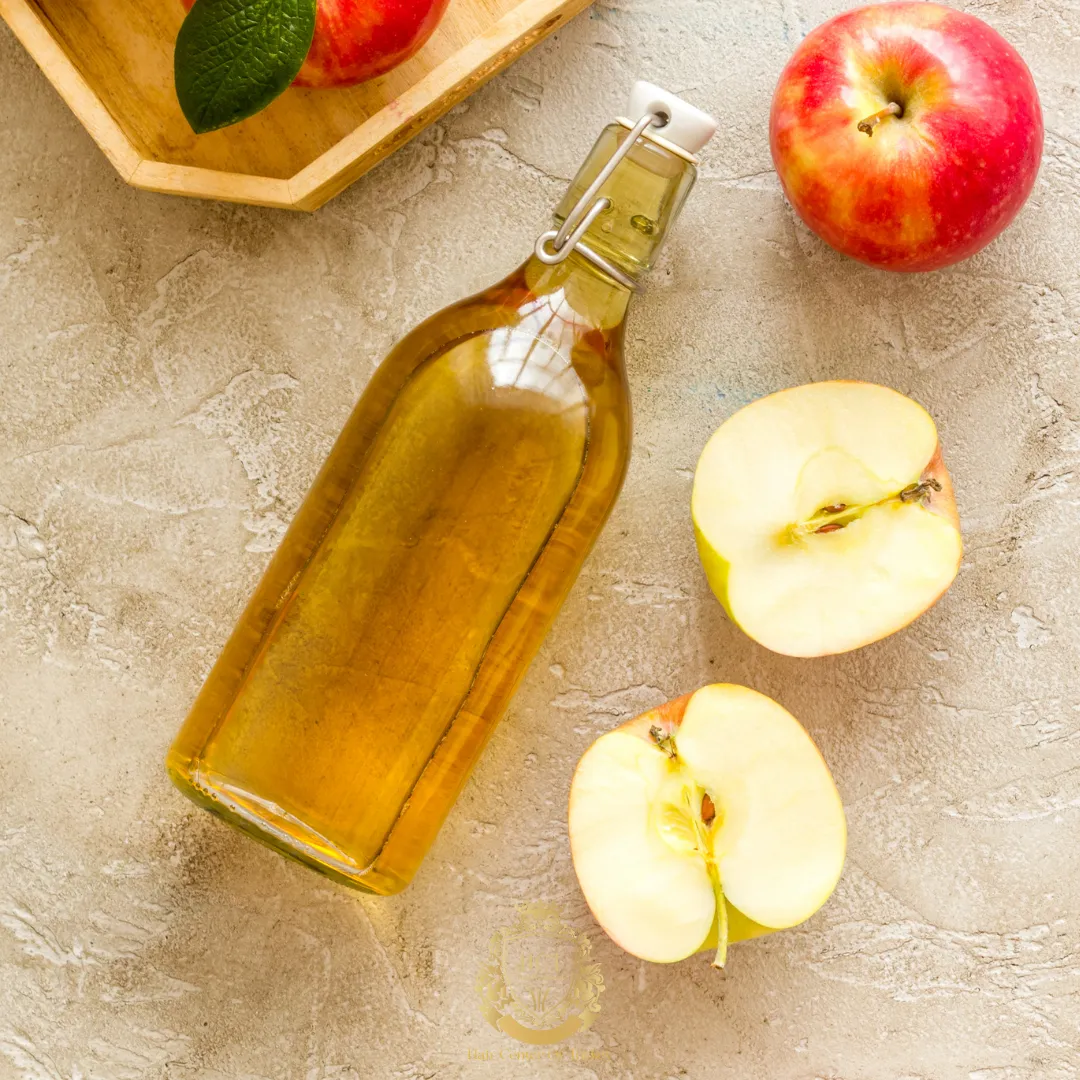
Apple cider vinegar (ACV) can help remove buildup and add shine, but it’s acidic and can irritate the scalp if used undiluted or too often. Common side effects include burning, dryness, frizz, and color fading. For safer use, dilute 1–2 tablespoons in 1 cup of water, rinse for 1–2 minutes, then condition.
Apple cider vinegar is often used as a “clarifying” hair rinse for dandruff, oiliness, and dullness. Some people love the results, while others end up with irritation or overly dry hair. The difference usually comes down to concentration, frequency, and whether your scalp is already sensitive.

Why People Use Apple Cider Vinegar On Hair
An ACV rinse is typically used to freshen the scalp and remove product buildup. People use it for results like:
- A cleaner-feeling scalp after heavy styling products
- Less visible flaking for some dandruff-prone scalps
- Smoother-looking hair and more shine
- Easier detangling after washing
Results vary by hair type, and ACV isn’t a must-have for healthy hair. If you try it, technique matters.
Possible Side Effects Of An Apple Cider Vinegar Hair Rinse
Scalp Irritation And Itching
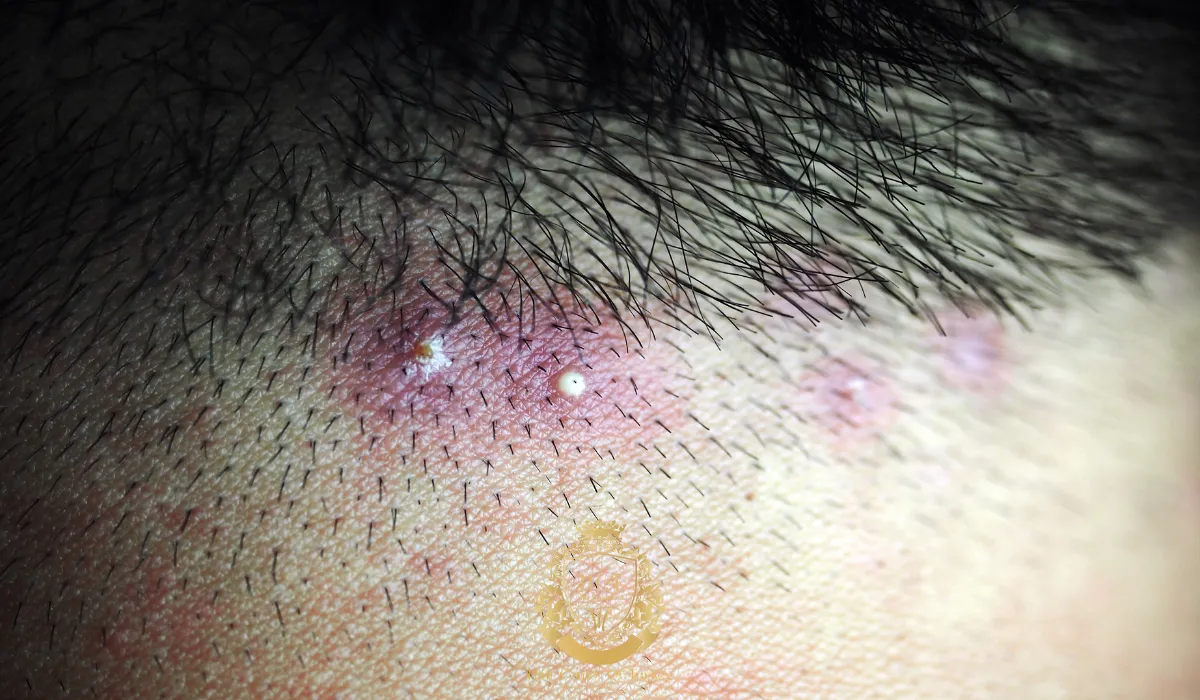
ACV is acidic, and that acidity can bother the scalp—especially if your skin barrier is already sensitive. Signs include redness, itching, tightness, and a warm or stinging feeling. If you feel burning, rinse immediately.
Dryness, Frizz, And Breakage
Using ACV too often can strip natural oils and leave hair feeling rough. Dryness can show up as increased frizz, tangling, dullness, and more snapping at the ends. This is more common with curly, coily, bleached, or already-dry hair.
Chemical Burns
Undiluted ACV (or a very strong mixture) can cause a chemical burn on the scalp. Symptoms include intense burning, swelling, blistering, and scabbing. If you suspect a burn, rinse with cool water and seek medical care if symptoms are significant or worsening.
Fading Of Dyed Or Toned Hair
ACV can speed up color fading for some people, especially with frequent use. It may also affect toners and semi-permanent dyes. If you color your hair, keep rinses infrequent and very diluted—or skip them.
Eye And Skin Exposure Irritation
Even a diluted rinse can sting if it runs into the eyes or sits on delicate skin around the hairline. Protect your face, keep your head tilted back in the shower, and rinse thoroughly.
Scalp Flare-Ups In Certain Conditions
If you have eczema, psoriasis, seborrheic dermatitis, or a very reactive scalp, ACV can trigger more redness and discomfort. The same goes for any broken skin, scratches, or active inflammation.
Who Should Avoid Or Be Extra Cautious With ACV
Be conservative—or skip ACV entirely—if you:
- Have a sensitive scalp, eczema, psoriasis, or frequent irritation
- Have open cuts, sores, or a sunburned scalp
- Recently bleached, relaxed, permed, or keratin-treated your hair
- Color your hair and struggle with quick fading
- Use strong scalp actives (for example, prescription treatments) and notice stinging easily
If you’re unsure, a dermatologist or trichologist can help you choose a safer scalp routine.

How To Use Apple Cider Vinegar Safely On Your Hair
Use The Right Dilution
A practical starting point is 1–2 tablespoons of ACV in 1 cup (240 ml) of water. If your scalp is sensitive, start even weaker and see how it feels.
Limit How Often You Use It
For most people, once a week or once every two weeks is plenty. Daily use is where dryness and irritation become much more likely.
Keep Contact Time Short
Massage lightly, then rinse after 1–2 minutes. Longer contact increases the chance of irritation.
Rinse Well And Condition
Rinse thoroughly and follow with conditioner, focusing on mid-lengths and ends. If your hair feels squeaky or rough after ACV, it’s a sign you’re overdoing it.
Patch Test First
Test a small amount of diluted mix behind the ear or on a small scalp area. If you notice redness, itching, or burning, don’t use it on your whole head.

Alternatives To Apple Cider Vinegar For Hair Care
If ACV doesn’t agree with your scalp, these are often gentler options:
- Aloe vera gel for soothing and hydration
- A mild clarifying shampoo used occasionally for buildup
- Scalp-friendly exfoliating products designed for skin (not kitchen acids)
- Coconut oil on lengths for dryness (skip the scalp if you’re prone to buildup)
FAQs
Can I use apple cider vinegar on my hair every day?
Daily use can dry out hair and irritate the scalp. Most people do better with once-a-week (or less) use.
Does apple cider vinegar help dandruff?
Some people see improvement, but results vary. If dandruff is persistent, itchy, or inflamed, targeted dandruff shampoos or medical guidance often work better.
Will apple cider vinegar fade hair dye?
It can, especially with frequent use. If you color your hair, keep it very diluted and infrequent, or avoid it.
How long should I leave ACV on my scalp?
About 1–2 minutes is enough. Longer contact raises the risk of stinging and irritation.
What should I do if my scalp burns after using ACV?
Rinse immediately with cool water. If symptoms are severe, blistering, or not improving, seek medical advice.