Things to Consider Before and After Laser Hair Removal
Laser hair removal works best when your skin is calm and your hair follicles are intact. Avoid sun and tanning, stop waxing or plucking weeks ahead, and shave shortly before your session. After treatment, keep the area cool, skip heat and harsh products, and protect your skin from UV to reduce irritation and spotting.
How Laser Hair Removal Works
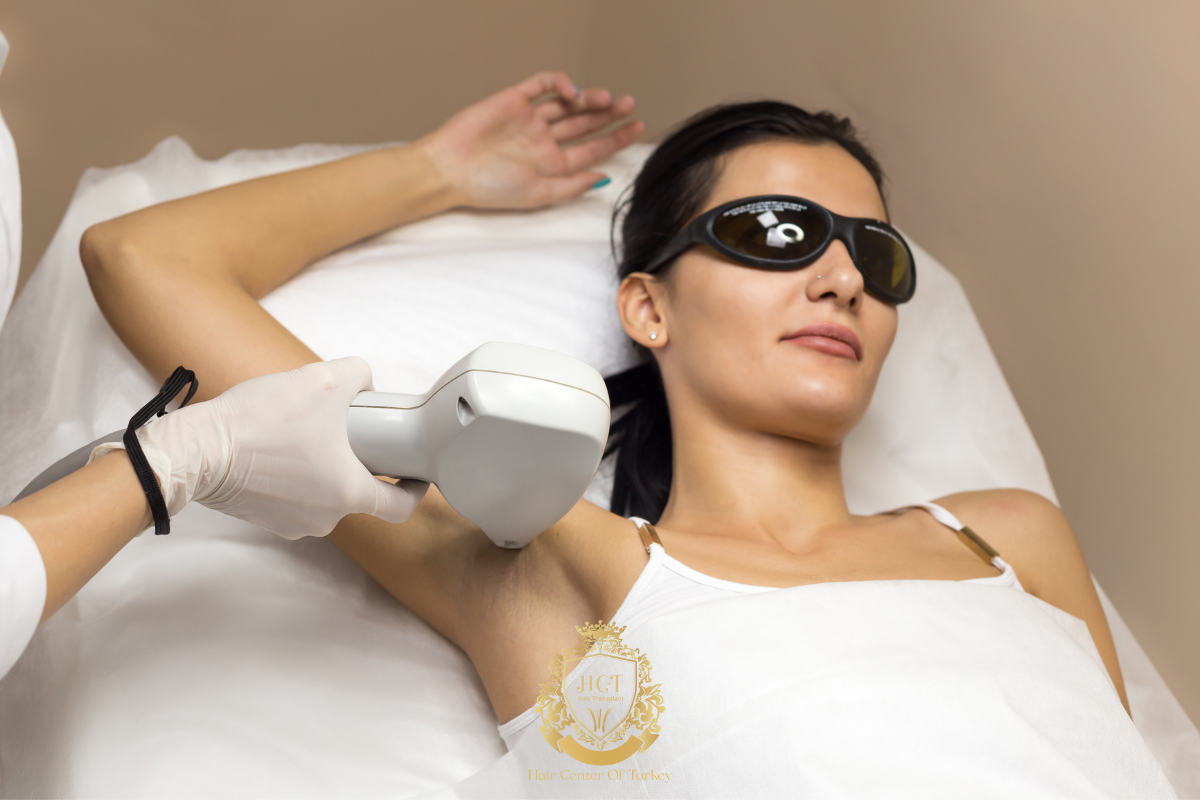
Laser hair removal uses light energy to heat and weaken hair follicles. Over a series of sessions, many people see long‑term hair reduction, with regrowth becoming finer and slower.
Results vary by hair color, skin tone, hormones, and the treatment area. Your provider will choose a device and settings based on your skin type to keep the treatment both effective and safe.
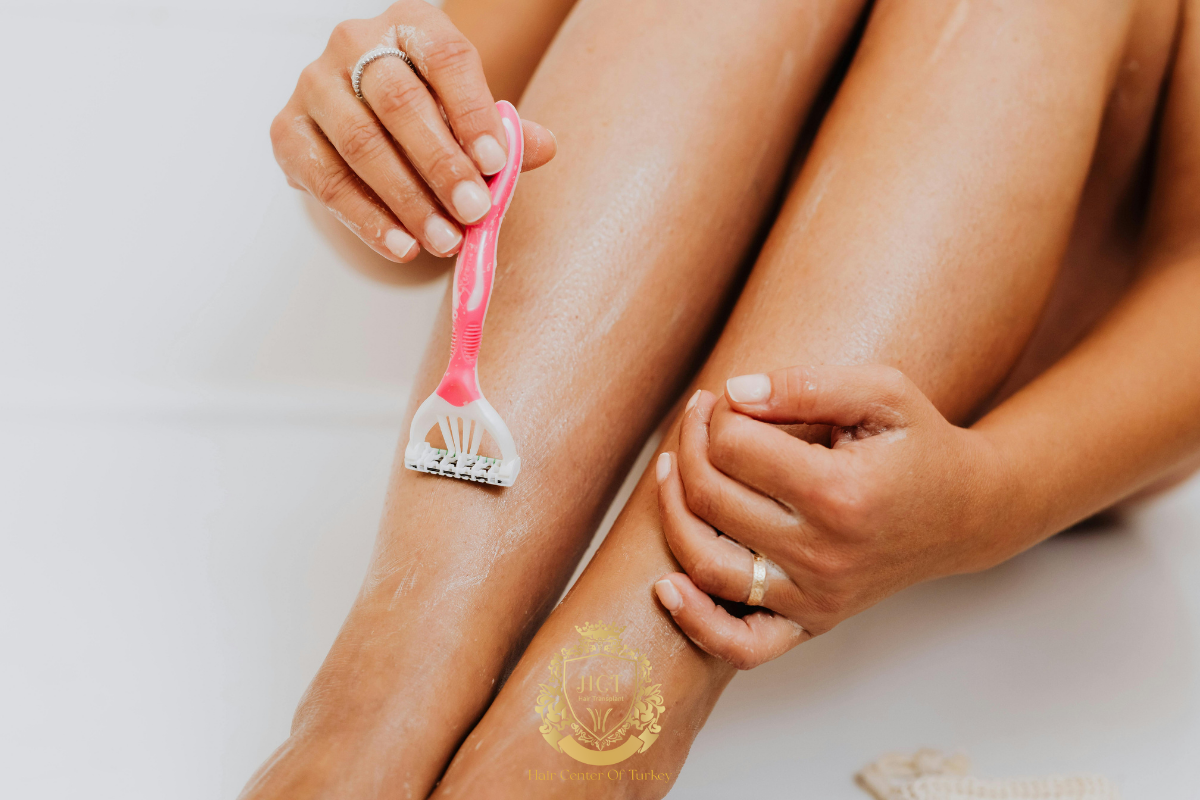
Table of Contents
Before Your Laser Hair Removal Session
Good prep lowers the risk of irritation and helps the laser focus on the follicle instead of surface hair.
Avoid Sun And Tanning
Skip sunbathing, tanning beds, and self‑tanners before your sessions. Tanned or sunburned skin raises the risk of burns and discoloration.
Most clinics ask for at least 2–4 weeks without tanning beforehand. If you’re outdoors, use broad‑spectrum SPF and cover the area.
Stop Waxing, Plucking, And Epilators
Laser needs the follicle in place to work. Waxing, tweezing, threading, and epilators remove the root and can make treatments less effective.
Aim to stop these methods about 4–6 weeks before your first session (or follow your clinic’s timing).
Shave At The Right Time
Shaving is usually recommended because it leaves the follicle intact while removing surface hair that could overheat.
Most providers suggest shaving the area 12–24 hours before treatment. Avoid shaving immediately before your appointment if your skin gets easily irritated.
Pause Irritating Skincare Products
Stop strong exfoliants and active ingredients near the treatment area for several days beforehand. This often includes retinoids, acids (AHA/BHA), and scrubs.
If you’re unsure, bring your products list to your appointment and ask what to pause and for how long.
Share Medications And Health History
Tell your provider about prescription medications, recent antibiotics, and any history of keloid scarring, pigmentation issues, cold sores (for facial treatments), or skin conditions such as eczema.
Some medications and acne treatments can increase sensitivity to light. Your clinic may adjust timing or settings, or advise waiting—especially if you’ve used isotretinoin in the recent past.
What To Wear And Bring
Wear loose, breathable clothing to reduce friction after the session. For underarms, skip deodorant on treatment day unless your clinic says otherwise.
If you’re treating the face, arrive with clean skin and no makeup.

How To Prepare Your Skin
Keep the area clean and dry on the day of treatment. Avoid lotions, oils, perfume, and makeup on the treated skin unless your provider instructs you differently.
If you’re prone to ingrown hairs, gentle exfoliation can help—just stop a few days before your session and avoid anything abrasive.
After Laser Hair Removal: The First 48 Hours
Your skin may feel warm, look red, or appear slightly swollen around the follicles. That’s common and usually settles within a day or two.
Cool And Calm The Skin
Use a cool compress in short intervals if you feel heat or stinging. Avoid ice directly on the skin.
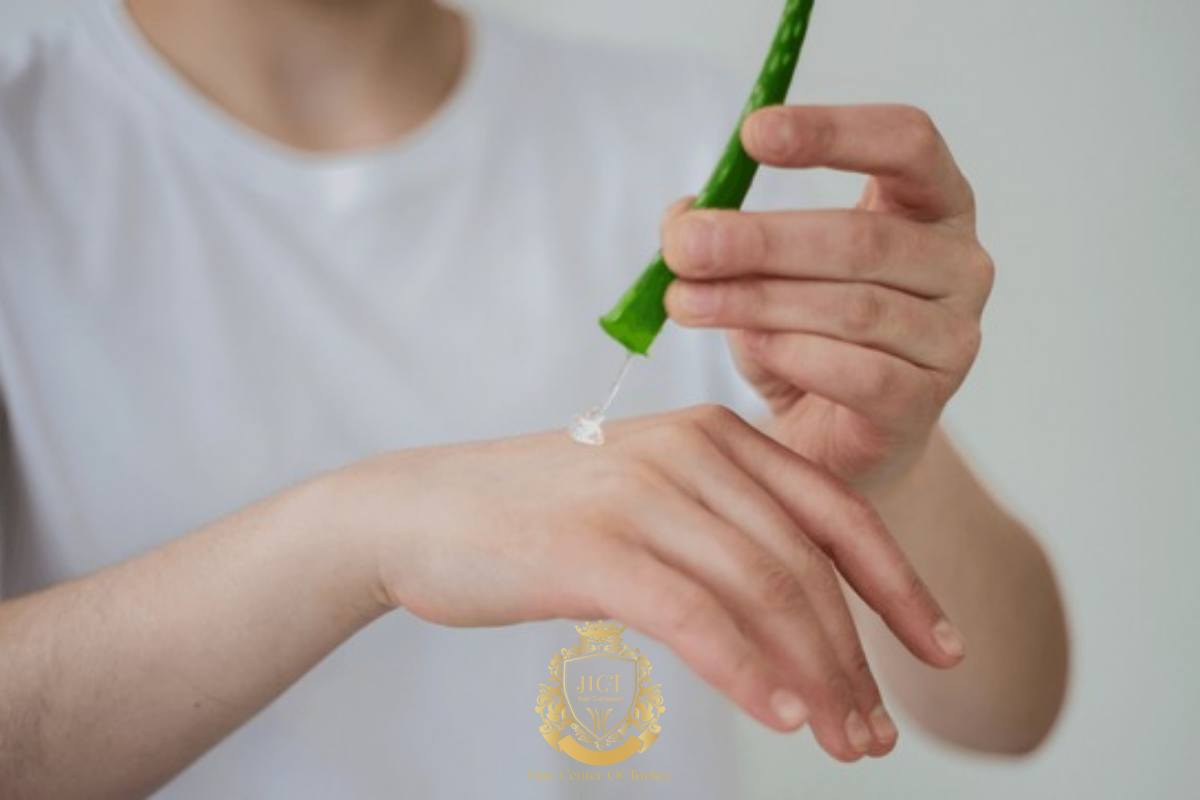
Choose a gentle, fragrance‑free moisturizer or a soothing gel (for example, products with aloe vera or panthenol) if your skin tolerates it.
Avoid Heat And Friction
Skip hot showers, saunas, steam rooms, hot tubs, and intense workouts for 24–48 hours.
Try not to rub, scratch, or pick at the area. Wear loose clothing to reduce chafing, especially around the bikini line and underarms.
Be Careful With Makeup And Deodorant
If you treated the face, avoid makeup for at least 24 hours or until redness settles.
For underarms, wait until the skin feels normal before using deodorant, and choose a fragrance‑free option if you’re sensitive.
After Laser Hair Removal: The Next 7–10 Days
After the first couple of days, the goal is to protect the skin barrier and prevent dark marks.
Protect From The Sun
UV exposure can trigger pigmentation changes on recently treated skin. Use broad‑spectrum SPF on exposed areas and cover up when possible.
If you’re planning a beach holiday or outdoor sport, schedule laser sessions around it so you can avoid strong sun while healing.
Skip Harsh Products
Avoid scrubs, chemical peels, retinoids, and strong acids on the treated area for about a week (or longer if your provider advises).
Hold off on exfoliation until any redness is gone, then reintroduce gently.
Let Shedding Happen Naturally
In the days after treatment, you may notice hairs “shedding” from the follicle. This can look like regrowth, but it’s usually the treated hair working its way out.
Don’t pull the hairs. Gentle washing and moisturizing is enough.
What Not To Do Before And After Laser Hair Removal
These are the most common mistakes that lead to irritation, burns, or uneven results:
- Sunbathe, tan, or use tanning beds around your sessions.
- Wax, pluck, thread, or use an epilator between treatments.
- Use strong acids, retinoids, scrubs, or peels on the area too close to treatment.
- Apply perfume, alcohol-based products, or heavy occlusive oils right before a session.
- Pick, scratch, or aggressively exfoliate skin that’s healing.
When To Contact Your Provider
Seek advice if you notice blistering, severe swelling, increasing pain, signs of infection, or dark patches that keep spreading.
If you have a history of cold sores and treat the lip or face area, ask your provider about prevention before your next session.
FAQs
What’s the best thing to do after laser hair removal?
Apply cool compresses, moisturize, use SPF 30+, and avoid heat for 48 hours.
What time of year should I start laser hair removal?
How can I maximize my laser hair removal results?
Complete all sessions on schedule, avoid tanning, shave before, and follow technician aftercare.
What to do before going for laser hair removal?
Shave 24 hours prior, avoid sun/tanning 2 weeks, skip plucking/waxing 4 weeks.
What is the fastest way to heal skin after laser hair removal?
Cool compresses, gentle moisturizer, fragrance-free cleanser, and strict sun protection speed recovery.
What to avoid after laser hair?
Avoid sun, hot showers, saunas, vigorous exercise, exfoliation, and scented products for 48 hours.