


What Are The Most Effective Methods To Grow Hair Faster?
Hair growth speed is mostly set by genetics, but you can help hair reach its full potential by reducing breakage and supporting the scalp. Prioritize protein and key nutrients, keep the scalp clean and calm, protect hair from UV and heat, and trim split ends. If thinning or heavy shedding persists, treat the underlying cause.
Table of Contents
How Fast Does Hair Grow On Average?
Most people grow roughly 1–1.5 cm of hair per month, though the rate varies with age, genetics, hormones, and overall health.
When hair looks like it “won’t grow,” breakage is often the reason. Reducing damage can help you keep the length you’re already growing.
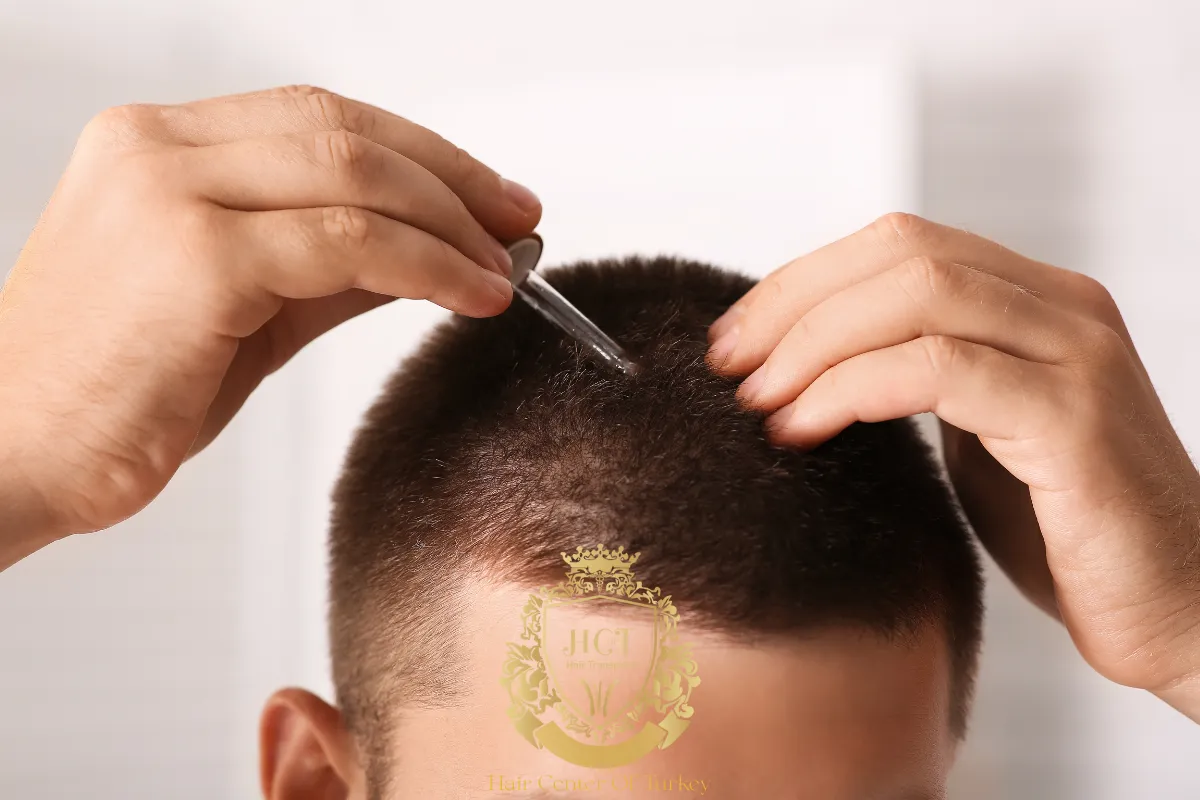
What Actually Helps Hair Grow Faster
There is no overnight shortcut. The most effective approach is a routine that supports the hair growth cycle and prevents the hair shaft from snapping.
1) Eat Enough Protein And Key Nutrients
Hair is mostly keratin, so consistent protein intake supports stronger strands. Include protein at most meals and choose iron-rich foods if you are prone to low iron stores.
Vitamin D, vitamin B12, zinc, and omega-3 fats can also support overall hair quality when intake is low. Supplements work best when they correct a confirmed deficiency rather than “stacking” multiple hair gummies.
2) Keep The Scalp Healthy
A healthy scalp supports healthier follicles. Cleanse often enough to prevent heavy oil and product buildup, especially if you sweat or use styling products.
If you have itching, flakes, or redness, treat the scalp condition first. Ongoing inflammation can increase shedding and make styling more uncomfortable.
3) Gentle Scalp Massage (When Your Scalp Tolerates It)
Light massage can improve comfort and may help with tension. Use fingertips, avoid scratching, and stop if you feel soreness or worsening irritation.
4) Reduce Heat And Chemical Stress
High-heat tools and frequent bleaching weaken the cuticle and increase breakage. Air-dry when possible and use heat protectant if you style with heat.
If you color your hair, spacing out chemical services and choosing bond-building treatments can help the hair shaft stay stronger between appointments.
5) Protect Hair From Sun, Chlorine, And Saltwater
UV exposure, chlorine, and saltwater dry out hair and make tangling more likely. Rinse after swimming and use conditioner on mid-lengths and ends.
A hat is one of the simplest ways to protect both scalp and hair, especially if your part line is exposed.
6) Detangle The Right Way
Breakage often happens during brushing. Detangle gently with a wide-tooth comb, starting at the ends and working upward.
On wash days, comb through conditioner rather than brushing hair when it is dry and knotted.
7) Regular Trims Help You Keep Length
Trims do not change the growth rate at the root, but they remove split ends that can travel upward and cause bigger breaks. For many hair types, trimming every 8–12 weeks keeps ends looking healthier.
Do Hair Growth Oils, Serums, And Supplements Work?
Some products can improve shine, softness, and scalp comfort, which helps reduce breakage and styling damage. That can make hair appear to grow faster because you keep more length.
If your main issue is genetic thinning or persistent shedding, cosmetic products are rarely enough on their own. In that case, evidence-based treatments may be needed.
When “Grow Hair Faster” Is Actually Hair Loss
If you notice widening of the part, temple recession, crown thinning, or shedding that lasts longer than 8–12 weeks, it is worth getting assessed. Common triggers include hereditary-patterned hair loss, iron deficiency, thyroid changes, postpartum shifts, and scalp inflammation.
Treating the root cause protects existing hair and may improve density over time. Waiting too long can limit your options, especially with pattern hair loss.
Treatments That May Help When Thinning Is Present
Topical minoxidil is widely used to support growth in androgenetic alopecia, and prescription options may be considered for appropriate candidates under medical care. In-clinic treatments such as PRP can be used as a complementary approach for some patients.
The right plan depends on your pattern, scalp health, and medical history. A proper diagnosis prevents wasted time and unnecessary supplements.
Common Mistakes That Slow Progress
Over-brushing, tight hairstyles, and frequent high-heat styling can undo months of growth by causing breakage. Switching products every week can also irritate the scalp and make hair feel worse.
Focus on simple habits you can keep. Consistency usually beats “strong” products.
FAQ
What is the fastest way for hair growth?
Use minoxidil; address iron/protein issues; hair typically grows about 1 cm monthly.
Can hair grow 2 inches in 2 weeks?
No; average growth is about 1 cm per month, not 5 cm in two weeks.
How to grow long hair in 7 days?
You can’t grow long hair in 7 days; only reduce breakage and improve shine.
How to grow 2 inches of hair in a month?
You can’t grow 2 inches in a month; typical growth is about 0.5 inch.
Can I grow 1 inch of hair in a month?
Yes, sometimes; 1 inch in a month is above average but possible.
How does sleep affect hair growth?
Poor sleep raises stress hormones and inflammation, which can worsen shedding and slow regrowth.
Explore the complete guide: Hair Care and Products