


Where to Get a Hair Transplant: UK vs Turkey Comparison Guide
Choosing between the UK and Turkey for a hair transplant usually comes down to budget, travel convenience, and follow-up access. UK clinics can be easier for in-person aftercare, while Turkey often offers lower package pricing and faster scheduling. In both countries, results depend heavily on surgeon-led planning, medical standards, and transparent aftercare.
Table of Contents
Cost comparison: UK vs Turkey
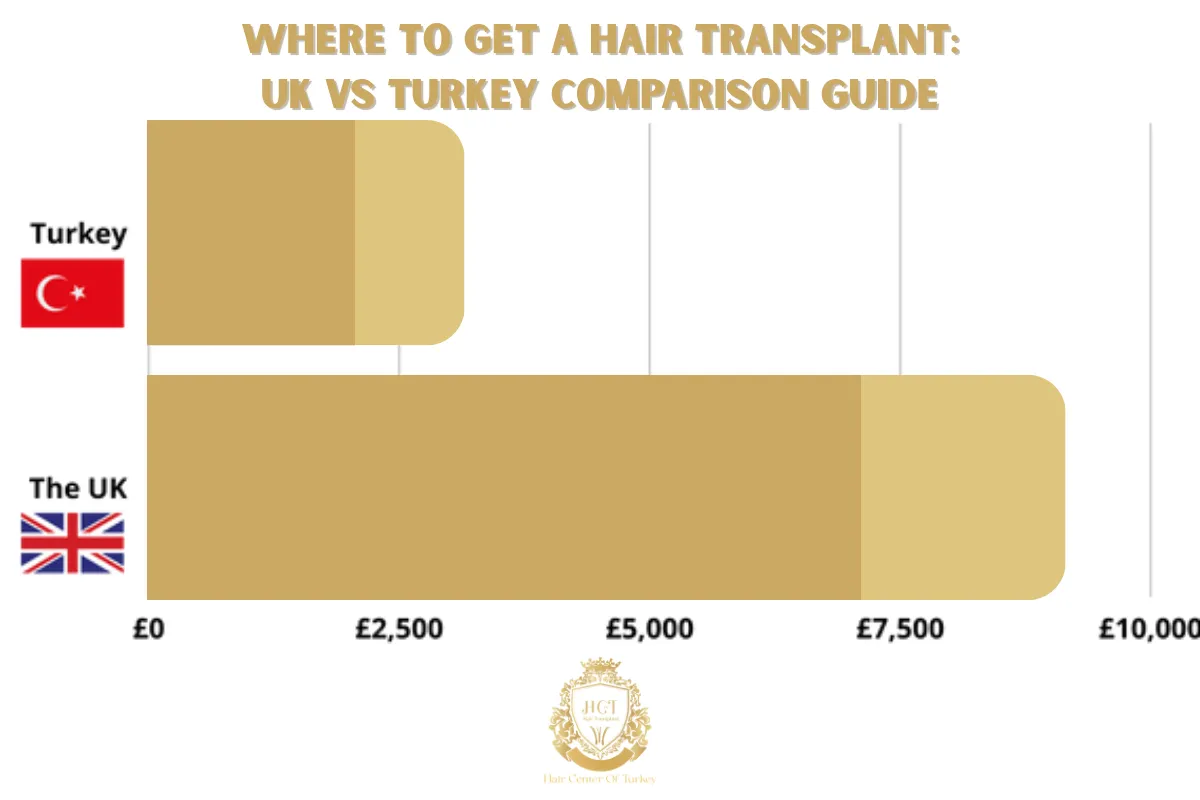
Cost is a major driver for travelling abroad. In the UK, hair transplant prices are commonly quoted anywhere from roughly £2,000 up to £15,000, depending on graft count, technique, and clinic pricing model.
In Turkey, pricing is often packaged (procedure + hotel + transfers), and many clinics advertise ranges that sit well below typical UK pricing. Real-world pricing varies by method and clinic tier, but FUE packages commonly fall around the low-to-mid thousands in GBP in many offers.
A practical way to compare value: ask both UK and Turkey clinics for an itemised quote showing graft estimate, surgeon involvement, anaesthesia, aftercare kit/meds, and what’s included if revisions are needed.
Surgeon expertise and hands-on involvement
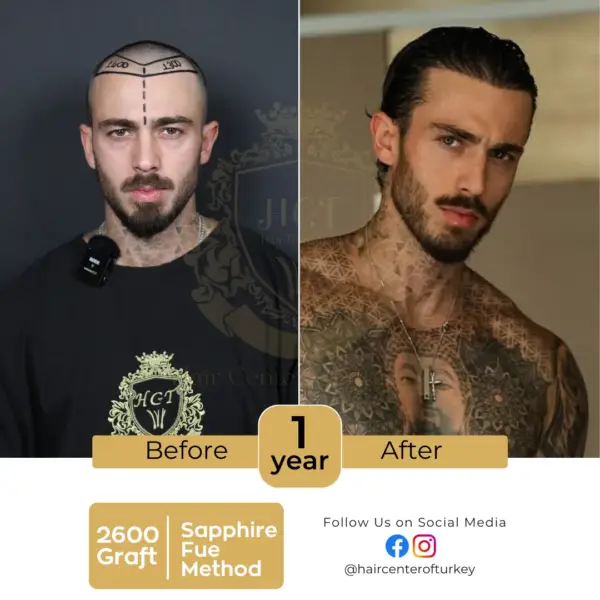
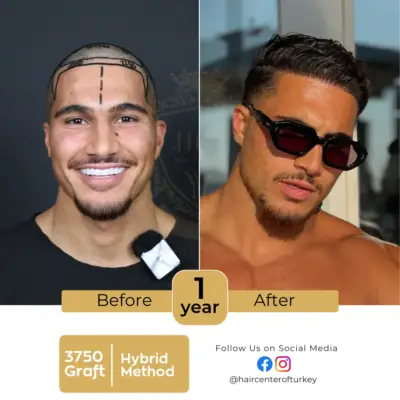
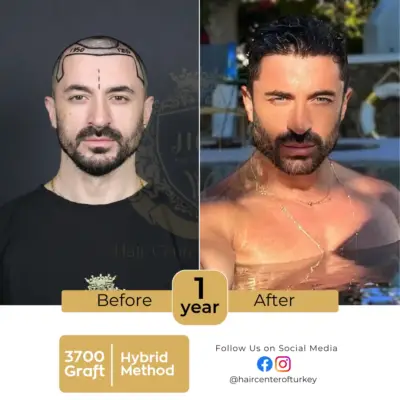
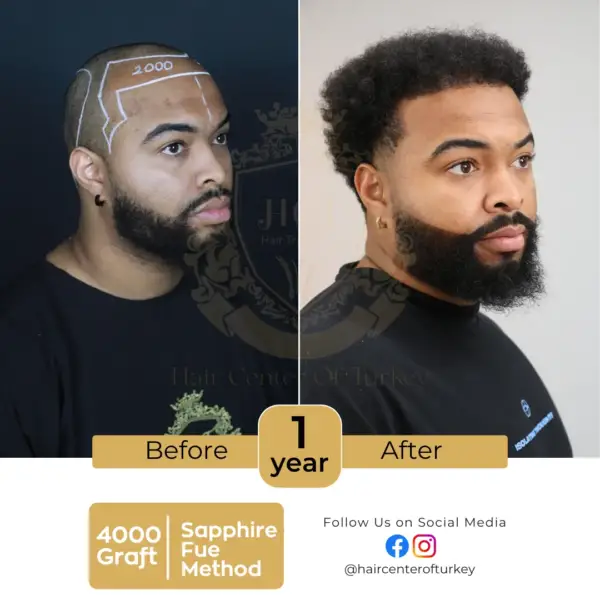
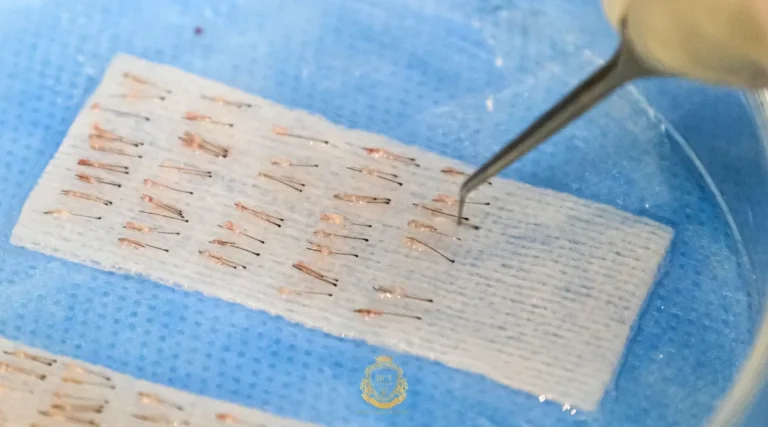
Both the UK and Turkey have skilled hair restoration surgeons. Turkey is also a high-volume destination for hair restoration tourism, so many teams have extensive repetition with techniques like FUE (Follicular Unit Extraction) and DHI (Direct Hair Implantation).
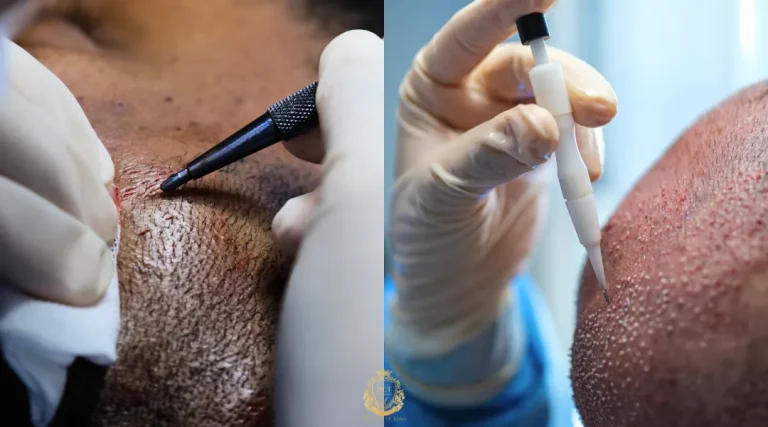
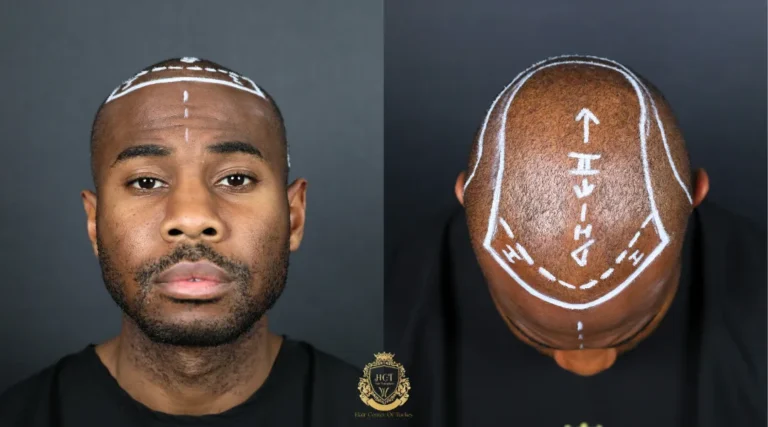
The key question is not the country—it’s who does each step. Ask whether the surgeon designs the hairline, administers anaesthesia, creates incisions, and performs or directly supervises implantation. If a clinic is vague here, treat it as a red flag.
Regulation and safety standards: what’s different
Many patients assume the UK is tightly regulated and overseas care is not. The reality is more nuanced.
In the UK, your surgeon should be a doctor registered with the General Medical Council (GMC), and it’s sensible to check professional membership (such as BAHRS). The NHS guidance reflects these checks when choosing a provider.
BAHRS also notes that hair restoration surgery has limited regulation and oversight in the UK compared with what many people expect.
In Turkey, standards vary widely between clinics. Some are part of large hospital groups or work to international frameworks (for example, some hospitals hold Joint Commission International (JCI) accreditation), but many clinics will not. JCI can be a positive signal when it’s genuine and relevant to the facility, though it’s still not a substitute for surgeon-led care and clear clinical governance.
Clinic facilities and patient experience
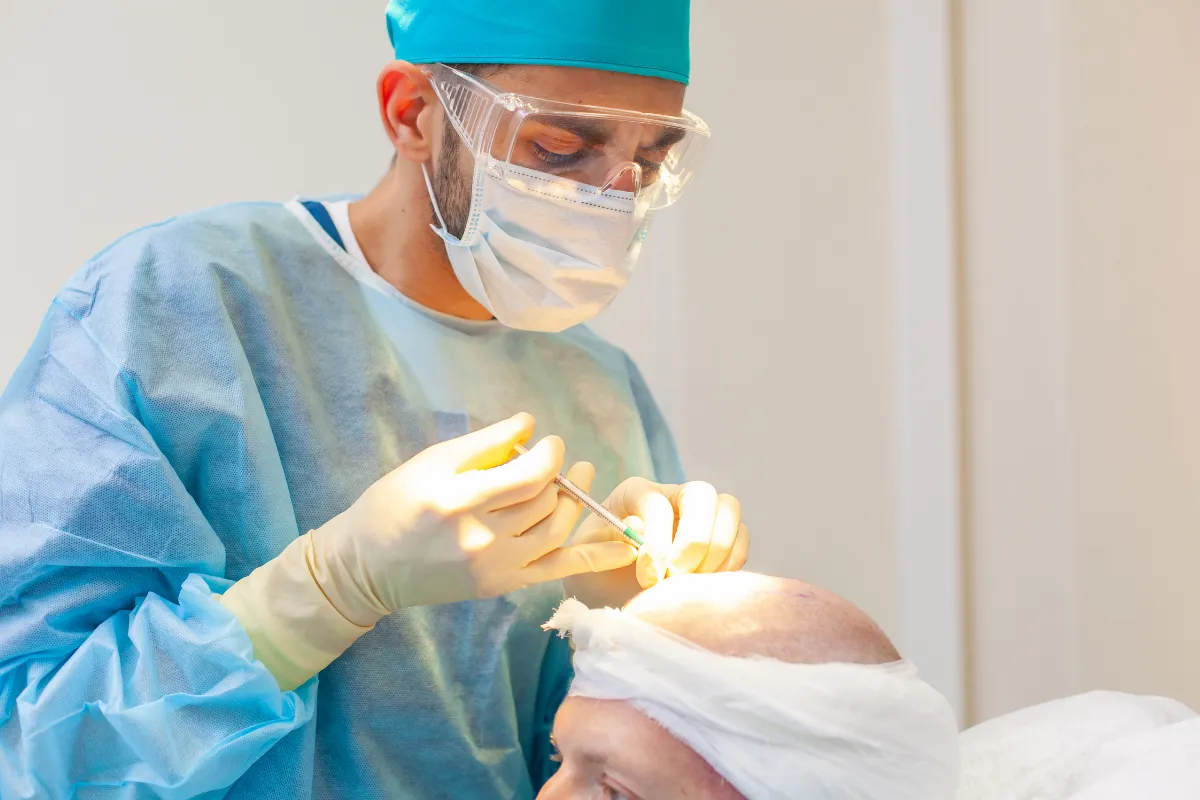
Top clinics in both countries use modern tools and techniques. The patient experience often looks different:
- Turkey: many clinics are built around international patients, so you’ll often see airport transfers, hotel coordination, translators, and a concierge-style flow. In boutique settings, this can feel more personalised and streamlined.
- UK: clinics tend to focus on local patients, and the experience may be more “medical clinic” than “medical travel,” with easier access to in-person follow-ups if you live nearby.
Comfort matters, but prioritise medical fundamentals: surgeon involvement, sterile operating environment, emergency protocols, and a documented aftercare plan.
Waiting times and scheduling
Turkey often offers faster booking windows because many clinics operate dedicated transplant schedules. Remote consultations are also common, so planning can be quick.
In the UK, reputable clinics may book further out. That’s not automatically a negative—sometimes it reflects capacity limits and a more selective intake process.
Aftercare and follow-up support
Aftercare plays a major role in final results. UK-based patients typically find it easier to attend in-person check-ups and address concerns quickly.
In Turkey, most patients stay a few days, then continue recovery at home. Strong clinics have adapted with structured remote support (photo check-ins, video calls, clear wash routines, and medication guidance). Make sure you know exactly who you’ll contact, the response time you can expect, and what happens if you have a complication once you’re back home.
A simple checklist before you choose a clinic (UK or Turkey)
- Surgeon identity and credentials: who is the named surgeon responsible for your case, and what is their registration/status?
- Step-by-step roles: who performs hairline design, anaesthesia, incisions, extraction, and implantation?
- Transparent graft plan: graft estimate range, rationale, and what “density” means for your hair calibre and donor capacity.
- Clinical governance: infection control, emergency plan, and written consent process.
- Aftercare plan: day-by-day instructions, check-in schedule, and what’s covered if extra treatment is needed.
- Realistic expectations: likely timeline, shock loss risk, and what success looks like for your pattern of hair loss.
UK vs Turkey FAQs
Is hair transplant better in the UK or abroad?
Neither; outcomes depend on surgeon skill, regulation, aftercare access, and your travel constraints.
Are hair transplants better in Turkey or just cheaper?
Mostly cheaper; quality varies greatly, so results range from excellent to poor.
Is Turkey better than the UK for hair transplant?
Not necessarily; Turkey can be excellent, but UK offers easier regulation and follow-up.
What are the cons of hair transplant in Turkey?
Variable oversight, technician-led procedures, rushed consultations, limited recourse, and harder long-term follow-up.
Which city in Turkey is best for hair transplant?
Istanbul; it has the highest concentration of clinics and hair-transplant specialists.
Explore the complete guide: Hair Transplant Turkey and Medical Tourism