


How To Treat Menopause Hair Loss And Regrow Thicker Hair Naturally
Menopause-related hair loss is driven mainly by hormonal changes, particularly declining estrogen levels.
While this type of hair thinning is common, it can often be slowed and partially reversed through a combination of nutritional support, lifestyle adjustments, and targeted treatments.
Table of Contents
Why Menopause Causes Hair Loss
During menopause, estrogen and progesterone levels decrease. These hormones normally help keep hair in its growth phase for longer periods.
As they decline, androgens can have a stronger influence on hair follicles. This shift may lead to shorter growth cycles, increased shedding, and thinner hair strands. Genetics, stress, thyroid imbalance, and nutrient deficiencies can intensify the effect.
Common Signs Of Menopause-Related Hair Loss
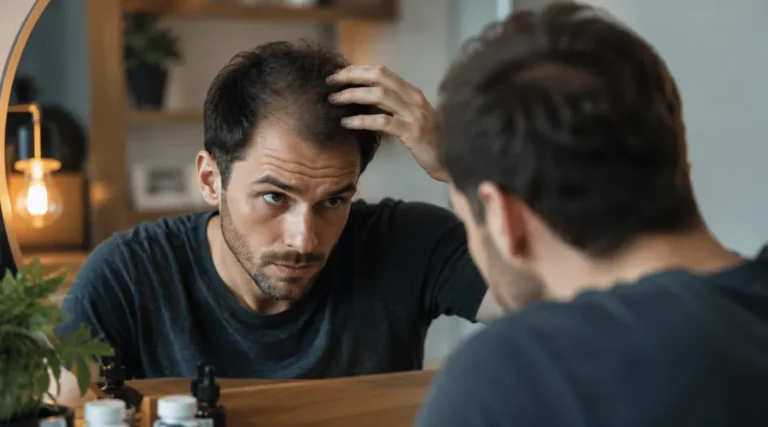
Hair loss during menopause usually develops gradually rather than suddenly. Typical signs include:
Overall thinning rather than bald patches
Loss of volume at the crown or along the part
Slower regrowth after normal shedding
More hair noticed during washing or brushing
Recognizing these changes early improves the chances of preserving hair density.
Natural Ways To Support Hair Regrowth After Menopause
Natural approaches focus on restoring balance and supporting follicle health over time.
Nutritional Support
Hair growth depends on adequate protein, iron, zinc, omega-3 fatty acids, and vitamins such as B12 and D. Diets rich in eggs, fish, leafy greens, legumes, nuts, and seeds help support healthy hair structure.
Scalp Care And Natural Oils
Gentle scalp massage improves circulation and may support follicle activity. Oils such as rosemary, castor, or pumpkin seed oil are commonly used to reduce breakage and support scalp health.
Stress And Sleep Management
Chronic stress raises cortisol levels, which can disrupt hair growth cycles. Regular sleep, relaxation techniques, and stress-reduction practices play an important supportive role.
Herbal And Supplement Support
Some women use herbal supplements aimed at reducing androgen activity. These should be approached cautiously and only with medical guidance, particularly if other medications are involved.
Reducing Hair Damage
Menopausal hair is more fragile. Limiting heat styling, avoiding harsh chemical treatments, and using gentle, sulfate-free products helps prevent breakage and thinning.
Medical Treatments That May Help
When natural methods are not enough, medical options may be considered.
Topical treatments designed for women can help slow shedding and support regrowth. Low-level light devices may stimulate follicles in some cases. Platelet-based therapies are sometimes used to improve scalp conditions and follicle activity.
Hormone-based treatments may benefit selected individuals, but risks and benefits must be carefully evaluated with a healthcare provider.
How Long Does Hair Regrowth Take After Menopause?
Hair regrowth is gradual. Many women notice reduced shedding or improved texture within three to six months of consistent care.
Visible thickening often takes longer. Full improvement may require a year or more, depending on individual health factors and treatment consistency.
When To Seek Medical Advice
Professional evaluation is recommended if hair loss is sudden, severe, or accompanied by other symptoms such as fatigue, scalp irritation, or hormonal changes.
Blood tests can help identify thyroid disorders, iron deficiency, or hormonal imbalances that may be contributing to hair loss.
Frequently Asked Questions
How to thicken hair after menopause?
Use 5% topical minoxidil; a dermatologist can check iron and thyroid to optimize regrowth.
Will hair loss from menopause grow back?
Menopause-related telogen effluvium often regrows; female pattern loss needs ongoing treatment.
How to stimulate hair follicles?
Start topical minoxidil; consider low-dose oral minoxidil or spironolactone with a dermatologist.
Does biotin help menopausal hair loss?
Biotin helps only with deficiency; routine supplementation lacks proven benefit for hair loss.
What do doctors recommend for menopause hair loss?
Doctors recommend evaluating causes and using minoxidil; sometimes add oral minoxidil or spironolactone.
Explore the complete guide: Hair Loss Types and Causes