

Can Hair Transplants Cause Cancer?
No. Hair transplants are superficial, localized procedures that move your own follicles from one part of the scalp to another. They don’t involve radiation, DNA changes, or carcinogenic materials. Based on current medical understanding, a hair transplant does not increase cancer risk. The main long-term risks are cosmetic (scarring, uneven growth) or temporary skin reactions.
Table of Contents
Is There Any Scientific Link Between Hair Transplants And Cancer?
There’s no credible scientific evidence showing that hair transplantation causes cancer. A standard hair transplant (FUE or FUT) relocates your own healthy follicles within the scalp and does not expose you to radiation or cancer-causing agents.
Because the work is limited to the skin and shallow scalp layers, it doesn’t interact with internal organs or deeper tissues where many cancers develop. For most patients, the realistic safety conversation is about infection prevention, scarring, and proper healing — not cancer.
What Happens During A Hair Transplant?
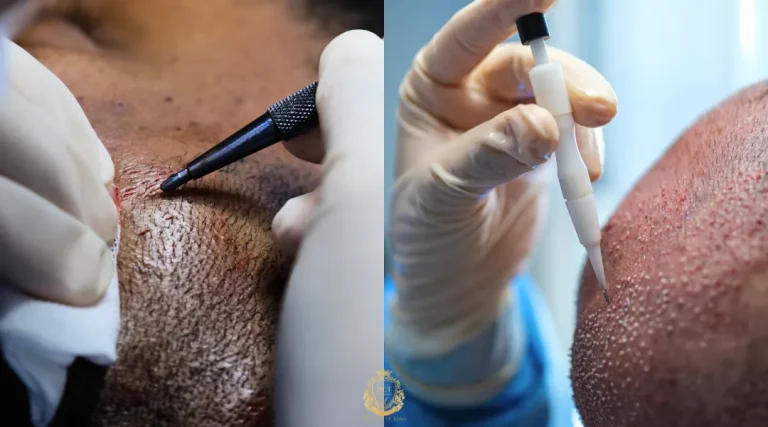
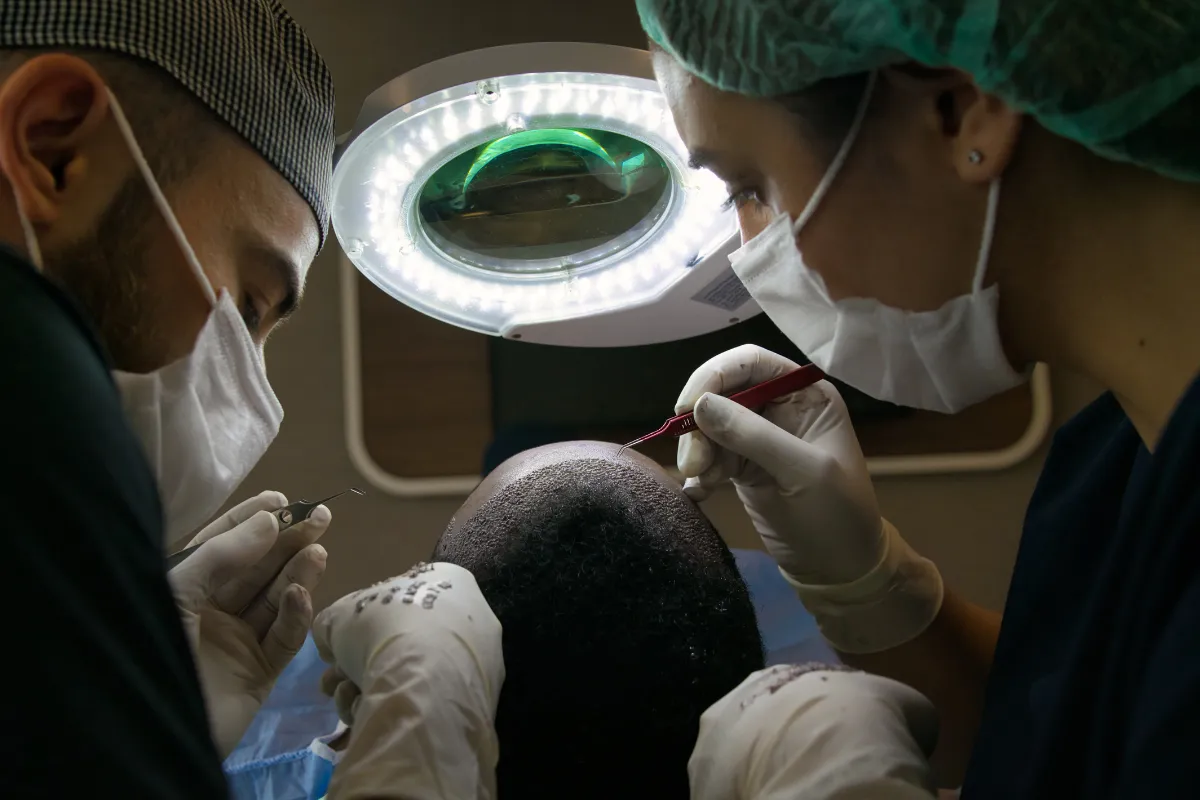
A hair transplant is typically performed in three main steps:
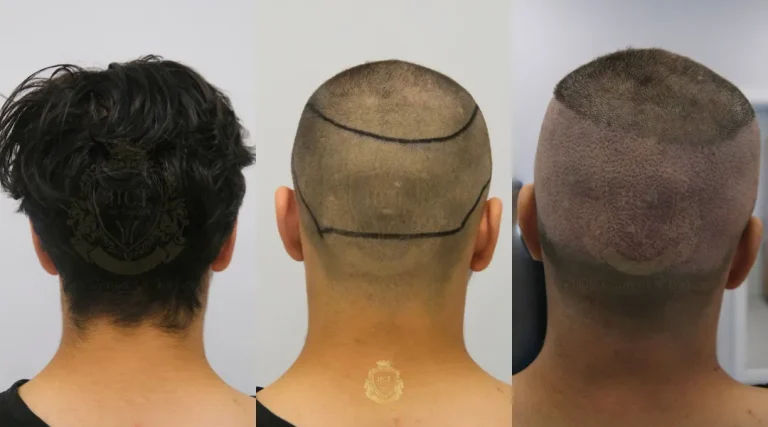
- Graft harvesting from a donor area (often the back or sides of the scalp)
- Micro-incisions created in thinning or balding areas
- Graft placement into those incisions, followed by healing and regrowth over several months
Local anesthesia is used to keep the procedure comfortable. Lidocaine and similar anesthetics are widely used in medicine and are not considered cancer-causing; in fact, some research explores potential anti-tumor effects of local anesthetics in other clinical contexts.
Can Hair Transplants Cause Tumors, Lumps, Or Skin Changes?
A properly performed hair transplant does not cause tumors. Some short-term skin issues can happen, especially in the first days or weeks:
- swelling, redness, or tenderness
- folliculitis (inflamed follicles)
- small pimples or cyst-like bumps
- temporary numbness or itching
These are typically benign and treatable. The bigger risk comes from poor hygiene, aggressive picking/scratching, or unsterile settings, which can raise the chance of infection and delayed healing.
A Common Source Of Confusion: Artificial Hair Implants
Some online discussions mix up modern hair transplantation with artificial hair implantation (synthetic fibers placed into the scalp). Artificial hair implantation is a different procedure and has been linked to rare serious complications in case reports.
Do Hair Transplant Medications Increase Cancer Risk?
The transplant itself usually doesn’t require long-term systemic medication. Some clinics prescribe short courses of antibiotics or anti-inflammatories to support healing.
For ongoing hair loss management, patients may use:
Finasteride
Finasteride has been studied extensively. In prostate cancer prevention research using 5 mg finasteride (a different dose and indication than typical hair-loss dosing), labeling notes an observed increase in high-grade prostate cancer in that trial population. This is something to discuss with a clinician, especially if you have prostate-related risk factors or ongoing screening.
Also, avoid unregulated or compounded formulations unless prescribed and monitored appropriately; regulators have raised safety concerns about compounded topical finasteride products.
Minoxidil
Topical minoxidil is commonly used and is not associated with cancer risk in standard use for hair loss.
Does Having More Than One Hair Transplant Change Cancer Risk?
No evidence suggests a cumulative cancer risk from repeat hair transplant sessions. When a second procedure is needed, it’s usually to increase density or address ongoing hair loss patterns.
The practical “repeat procedure” considerations are more about donor management, scarring potential, and realistic density expectations — all of which depend heavily on surgical planning and aftercare.

Long-Term Safety: What Matters Most
Long-term outcomes are typically determined by:
- the clinic’s medical standards and sterility
- the surgeon’s experience and conservative planning
- individualized aftercare and follow-up
- managing underlying hair loss (so the result stays balanced over time)
If you have a personal or family history of skin cancer, autoimmune scalp conditions, or chronic inflammation, share that with your clinician early so your plan can be tailored appropriately.
FAQs About Hair Transplants And Cancer Risk
Is there a risk of cancer with a hair transplant?
No; hair transplants aren’t linked to cancer, only routine surgical risks.
What are the downsides of hair transplant?
Downsides include cost, scarring, infection, shock loss, uneven density, and possible need for revisions.
Is hair transplant risky for life?
No; long-term risks are low, but hair loss can progress and require management.
What happens 20 years after a hair transplant?
Transplanted hair usually remains, while native hair may thin, altering appearance without maintenance.
Can a hair transplant trigger skin cancer in the scalp?
No; a transplant doesn’t trigger skin cancer, but sun protection of the scalp matters.
Explore the complete guide: Medical Safety and Eligibility