

Can Patients With Anxiety Undergo Hair Transplantation?
Quick Answer: Yes—most patients with anxiety can have a hair transplant safely when the clinic knows about their symptoms and plans ahead. Hair transplants are typically done under local anesthesia, and some clinics add supervised mild sedation if appropriate. The key is managing triggers, timing regular medications, and having structured support before, during, and after the procedure.
Table of Contents
Understanding Anxiety And How It Can Affect A Hair Transplant
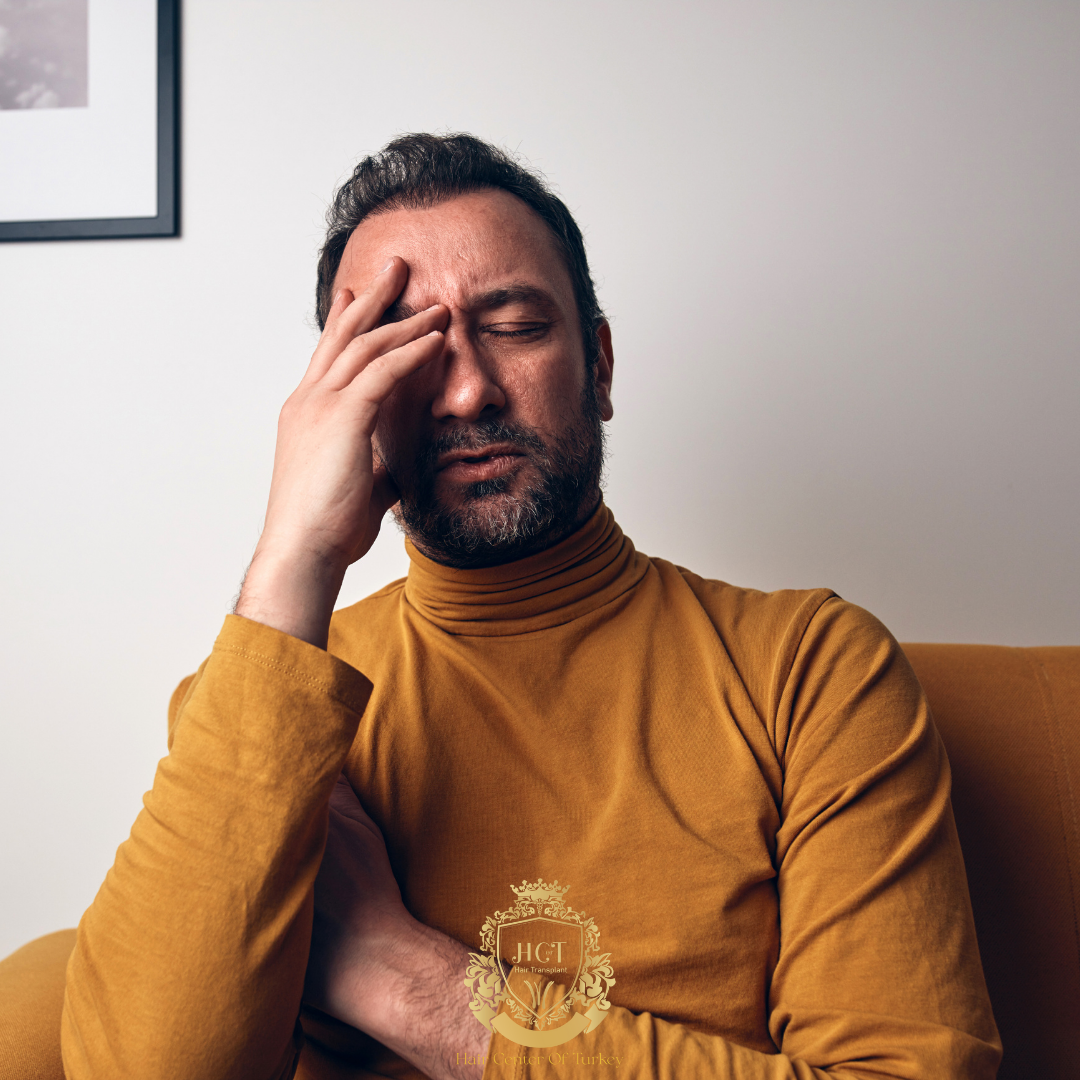
Anxiety can range from occasional nervousness to panic symptoms that feel intense in medical settings. Common signs include racing thoughts, restlessness, tight chest, nausea, sweating, and trouble staying still.
A hair transplant involves injections for local anesthesia, long periods in one position, and exposure to clinical sounds and sensations. If those are known triggers for you, planning them in advance usually makes the day far easier.
Is Hair Transplantation Safe For People With Anxiety?
In most cases, yes. Anxiety does not automatically make you a poor candidate, and many patients do well with the right preparation and communication.
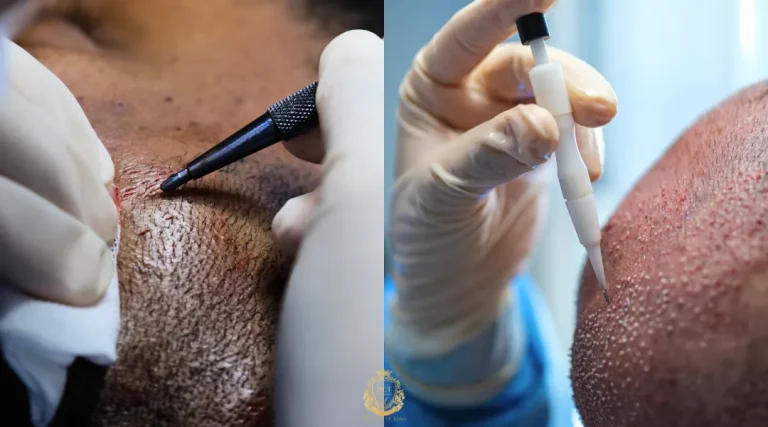
Hair transplantation is commonly performed under local anesthesia, so you stay awake while the scalp is numbed. Some clinics offer supervised mild sedation for comfort, though the decision depends on your medical history, current medications, and the team’s monitoring setup.
Safety is highest when your clinic knows your diagnosis, your current prescriptions (including as-needed medications), and any past reactions to sedatives or anesthetics.
How To Prepare If You Have Anxiety
Preparation is mainly about reducing uncertainty and making the environment predictable. If you already work with a psychiatrist, psychologist, or family doctor, ask them for practical guidance for a medical-procedure day.
Pre-Procedure Checklist
- Tell the clinic about your anxiety early, including specific triggers (needles, blood, tight spaces, long appointments).
- Share a complete medication list, including antidepressants, beta-blockers, sleep aids, and any occasional anti-anxiety tablets.
- Ask how long the session will last, when you can take breaks, and whether split sessions are an option.
- Plan safe transportation if any sedative will be used—assume you should not drive yourself home.
- Use a simple calming plan: breathing exercises, a playlist, an audiobook, or a supportive companion if the clinic allows it.
What To Expect On The Day Of Surgery
Most anxiety spikes come from the first steps: check-in, photos, and local anesthetic injections. A good team will explain each step, keep the pace manageable, and check in often.
If sedation is part of your plan, it should be prescribed and supervised by qualified clinicians. Avoid taking extra doses of your own medication without medical approval, since drug interactions and over-sedation are real risks.
During the procedure, tell the team if you feel dizzy, nauseated, short of breath, or panicky. Small adjustments—position changes, short breaks, water (when allowed), or a calmer room setup—can make a big difference.
Recovery And Aftercare For Anxiety-Prone Patients
After a hair transplant, it’s normal to see redness, swelling, mild soreness, scabbing, and shedding of transplanted hairs in the early weeks. These changes can look dramatic even when healing is on track.
If you tend to catastrophize symptoms, set up a simple follow-up routine. Taking one set of photos every few days in the same lighting, and using the clinic’s official aftercare instructions as your reference point, helps keep the mind from filling gaps with worst-case scenarios.
Reach out to the clinic promptly if you have fever, spreading redness, worsening pain, foul drainage, or sudden swelling that keeps increasing.
When You Should Postpone Or Get Extra Medical Input
Consider postponing if your anxiety is currently severe, unpredictable, or causing frequent panic attacks. The procedure requires staying still for long periods, and recovery goes smoother when your baseline stress is stable.
Extra planning is also wise if you have a history of fainting with needles, severe claustrophobia, substance-use concerns, or complex medication combinations. In these situations, coordination between your prescriber and the clinic can prevent avoidable complications.
FAQ
What disqualifies someone from a hair transplant?
Insufficient donor hair, unstable loss, scarring alopecia, active scalp disease, uncontrolled illness disqualify.
Who are not good candidates for hair transplant?
People with diffuse unpatterned loss, poor donor density, or unrealistic expectations are poor candidates.
Does hair transplant cause anxiety?
Yes, anxiety can occur, often from procedure stress, pain, or appearance changes.
Can you have a hair transplant on antidepressants?
Yes, most can, but coordinate with your surgeon and prescribing doctor beforehand.
Can stress affect hair transplants?
Yes, severe stress can trigger shedding and slow healing, affecting perceived results.
Explore the complete guide: Medical Safety and Eligibility