

Does Cynthia Erivo Have Alopecia?
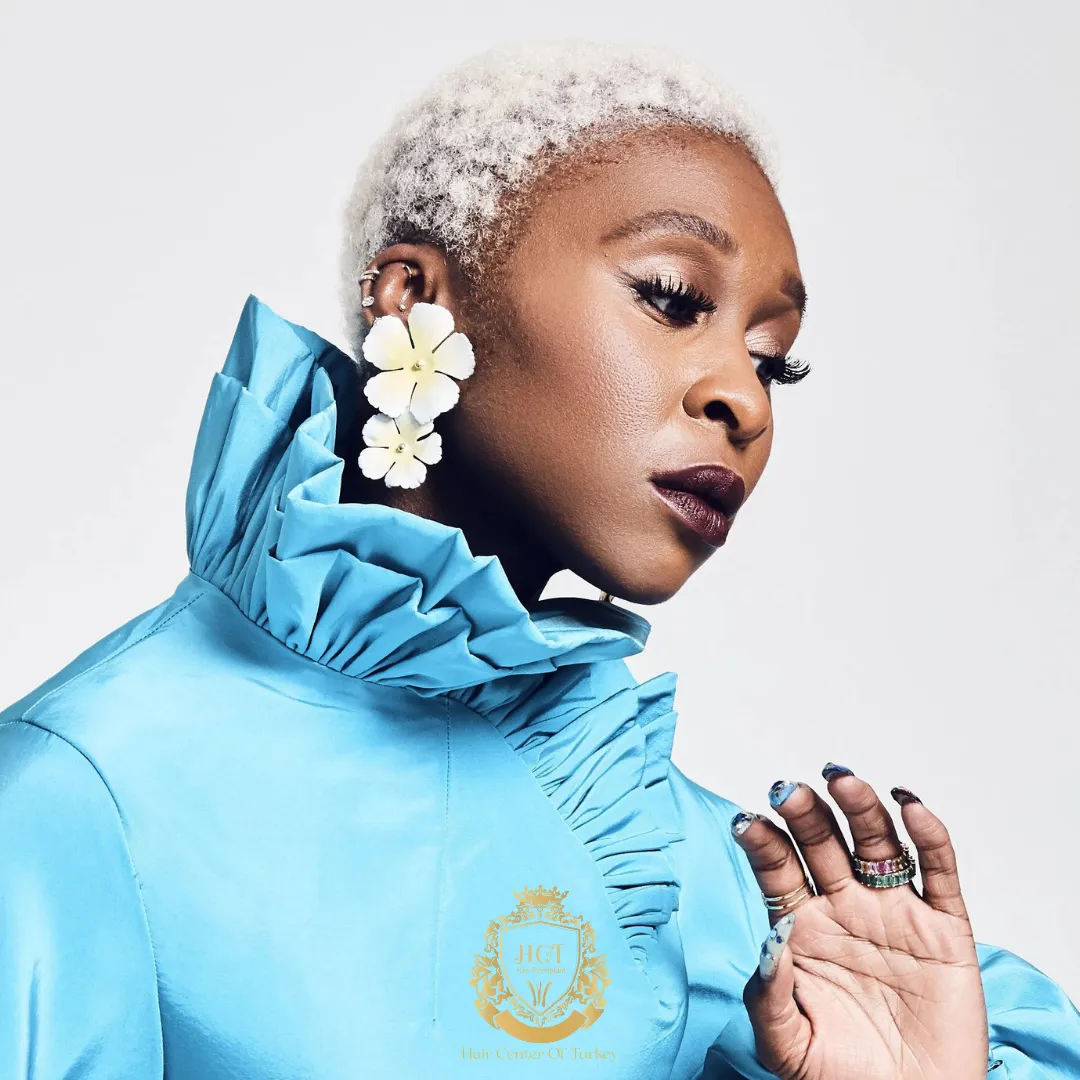
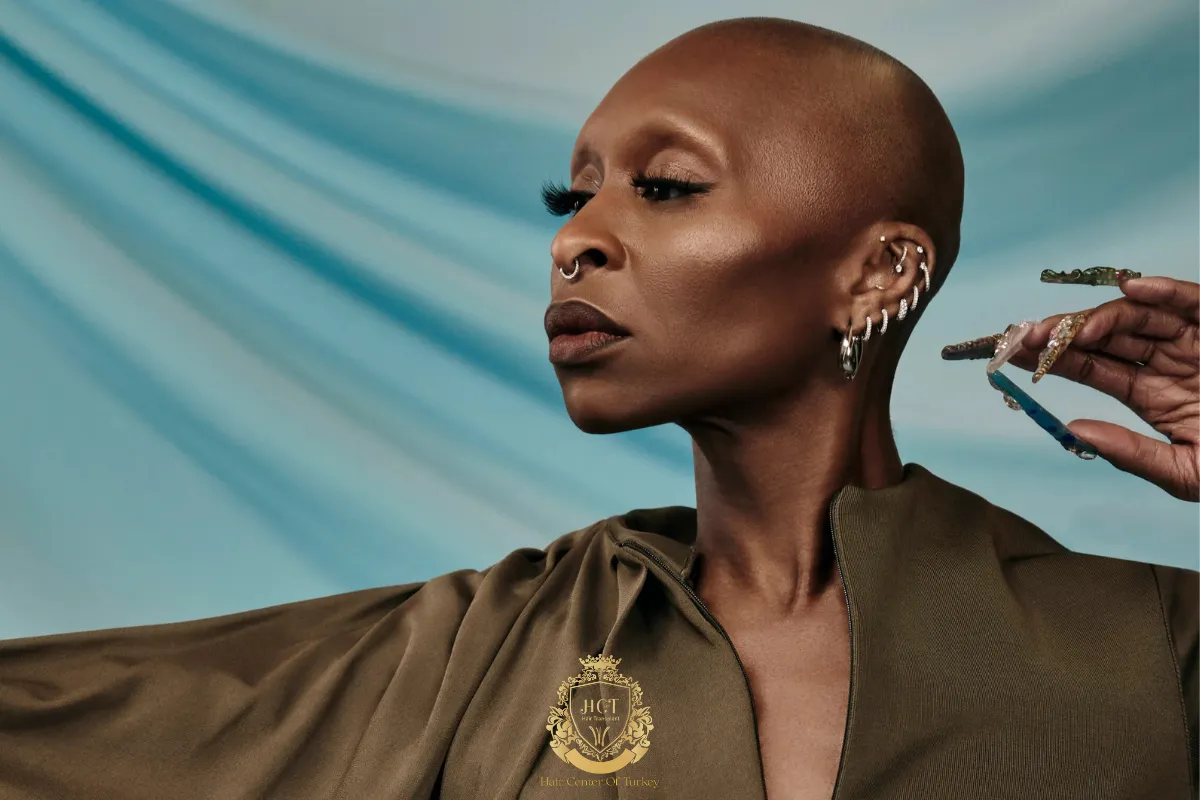
Cynthia Erivo has not publicly confirmed that she has alopecia. Based on her own comments in interviews, her shaved head appears to be a personal style choice that also fits the practical demands of performance and screen work, especially during Wicked. She has said there is nothing wrong with her hair, that it grows quickly, and that she simply likes how she looks with a shaved head.
That distinction matters. A shaved head does not automatically mean someone is experiencing medical hair loss. In Cynthia Erivo’s case, the public information available points much more clearly to intentional styling and self-expression than to a disclosed diagnosis.
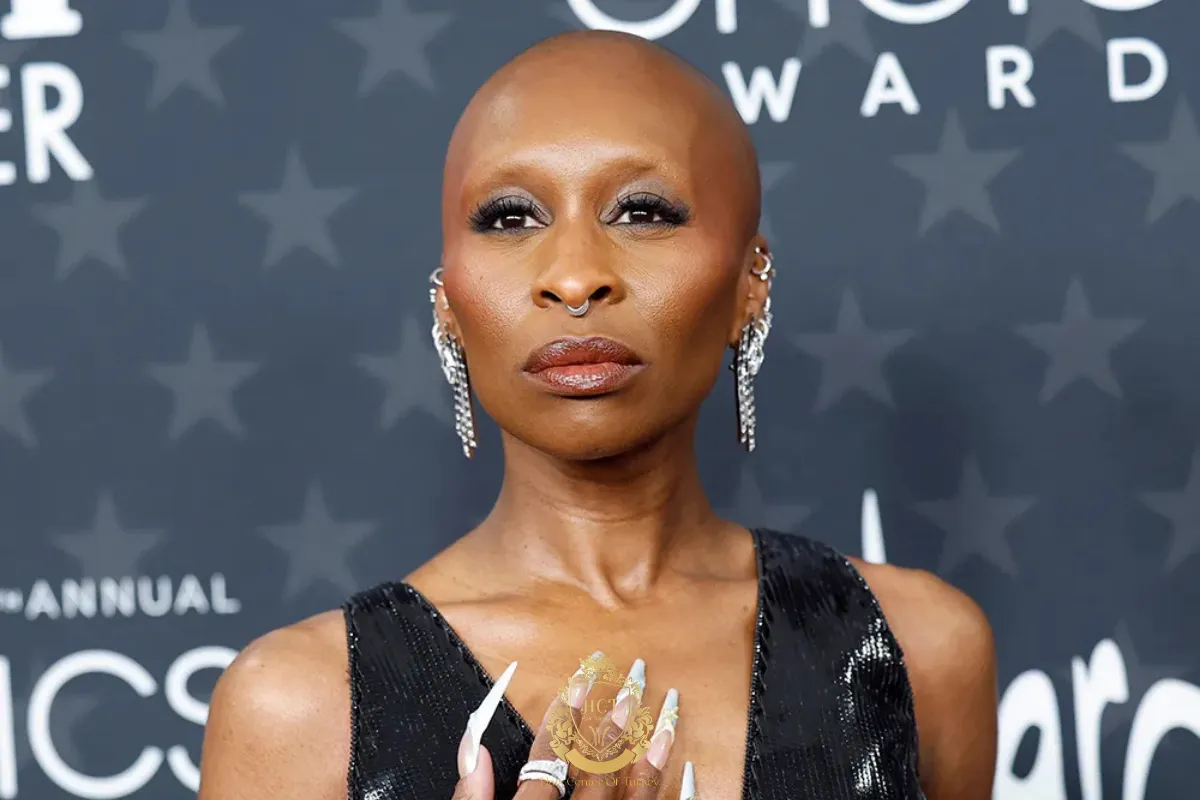
Table of Contents
Why Do People Think Cynthia Erivo Has Alopecia?
The question comes up because Cynthia Erivo is widely recognized for her shaved head and, at times, eyebrow-free beauty looks. For many readers, that visual can easily lead to assumptions about hair loss. At the same time, public curiosity has grown because her appearance became even more visible during the Wicked press cycle and award-season appearances.
Search interest often connects visible baldness with alopecia, but that connection is not enough to make a medical claim. Many people shave their heads for style, comfort, identity, convenience, or role preparation. Cynthia Erivo’s own public comments fit that category much more than any confirmed medical explanation.
What Cynthia Erivo Has Said About Her Hair
Erivo has addressed the speculation directly in interviews. She’s said there’s nothing “wrong” with her hair, that it grows in quickly, and that she keeps her head shaved because she likes how she looks. She has also described the bald look as freeing and a way to lean into fashion, jewelry, and makeup without feeling like she has to hide behind a hairstyle.
She’s also spoken about the practical side of the choice. For productions that involve extensive head and face makeup or frequent wig use, starting with a shaved head can make prep easier and more comfortable.
Could A Shaved Head Be Alopecia?
A shaved head can be a style choice, a cultural preference, or a practical decision for work none of which requires hair loss to be present. Alopecia, on the other hand, is hair loss that happens without shaving and often follows a recognizable pattern, such as patchy bald spots or diffuse thinning. Without a public statement or clear medical context, it isn’t appropriate to label someone’s appearance as a diagnosis.
What Alopecia Is
Alopecia is a broad term for hair loss, and it can have different causes. Some types are autoimmune (such as alopecia areata), while others relate to hormones and genetics (like androgenetic alopecia), scalp inflammation, or physical traction. Symptoms can include patchy hair loss, thinning, changes in hairline shape, or loss of eyebrows and body hair, depending on the type.
Why It’s Better Not To Guess Someone’s Diagnosis
Hair can be deeply personal, and medical speculation can put unnecessary pressure on public figures and on people who genuinely live with hair loss conditions. If someone has not disclosed a diagnosis, the most respectful approach is to accept what they have shared and avoid turning appearance into “evidence.” You can still learn about alopecia and support awareness without attributing it to a specific person.

If You’re Experiencing Hair Loss, Here’s When To Get Help
If you’re dealing with sudden shedding, patchy bald spots, scalp pain, scaling, or hair loss that’s getting worse over time, a dermatologist can help identify the cause. Many conditions are treatable, especially when addressed early, and the right plan depends on what’s driving the shedding. Bring a list of medications, recent illnesses, stressors, and any new hair products to your appointment to make the evaluation easier.
When Hair Loss May Need Medical Attention
If a reader is searching this topic because they are worried about their own hair, the useful distinction is this: intentional shaving is different from unexplained shedding or patchy bald spots. If hair loss is sudden, patchy, worsening, or affecting eyebrows and eyelashes, a dermatologist or qualified clinician is the right next step. NHS and dermatology sources advise seeking medical evaluation when hair loss is concerning or progressive.
FAQs
Has Cynthia Erivo said she has alopecia?
No. There is no public statement from Cynthia Erivo confirming alopecia.
Why does Cynthia Erivo shave her head?
Her public comments point to personal preference, confidence, and practicality, including screen work and beauty styling.
Did Wicked influence Cynthia Erivo’s shaved look?
Yes, coverage around Wicked indicates that a shaved head helped with makeup and wigs, but her look also reflects personal choice beyond the role.
Does being bald mean someone has alopecia?
No. Baldness or a shaved head alone does not prove alopecia. Alopecia usually requires medical context and often has recognizable hair-loss patterns.
Do people with alopecia live longer?
No; alopecia doesn’t increase lifespan, and life expectancy is not higher.
Explore the complete guide: Celebrity Hair Transplants – Film, TV and Music