

The Science Behind Hair Transplantation
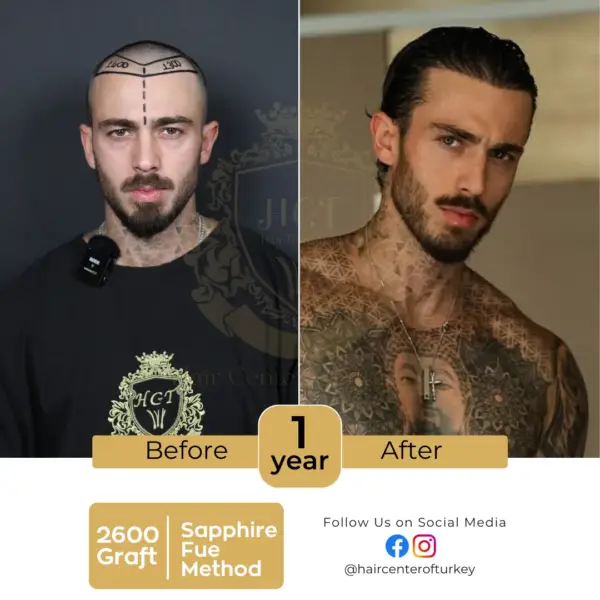
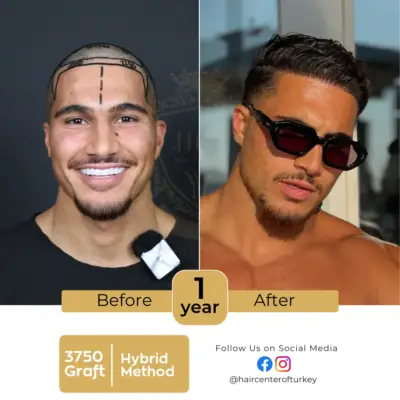
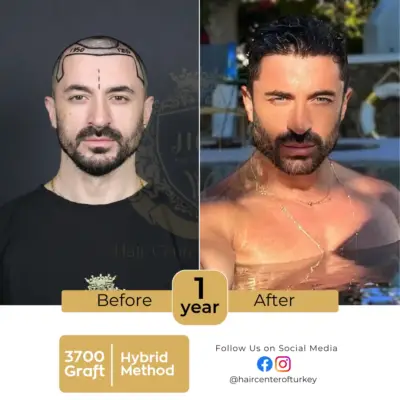
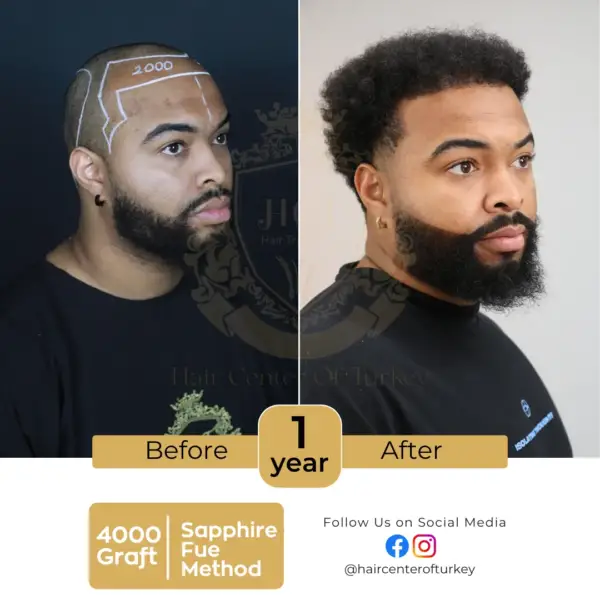
Hair transplantation succeeds when healthy follicles are moved with minimal trauma and quickly reconnected to a blood supply. Because donor hairs usually keep their resistance to pattern thinning, they can continue growing in the transplanted area. Results depend on graft handling, recipient-site design, and aftercare, with visible growth typically starting around months 3–4 and maturing over 9–18 months.
Table of Contents
How Hair Transplantation Works
A hair transplant is an autograft procedure: follicles are taken from a donor zone and placed into areas with thinning or baldness. The core biology is graft survival. Each follicular unit must stay hydrated, avoid crush or heat injury, and be implanted at the right depth so it can revascularize.

The Science Behind Hair Transplantation
Hair transplantation succeeds when healthy follicles are moved with minimal trauma and quickly reconnected to a blood supply. Because donor hairs usually keep their resistance to pattern thinning, they can continue growing in the transplanted area. Results depend on graft handling, recipient-site design, and aftercare, with visible growth typically starting around months 3–4 and maturing over 9–18 months.
How Hair Transplantation Works
A hair transplant is an autograft procedure: follicles are taken from a donor zone and placed into areas with thinning or baldness. The core biology is graft survival. Each follicular unit must stay hydrated, avoid crush or heat injury, and be implanted at the right depth so it can revascularize.
Follicular Unit Excision (FUE)
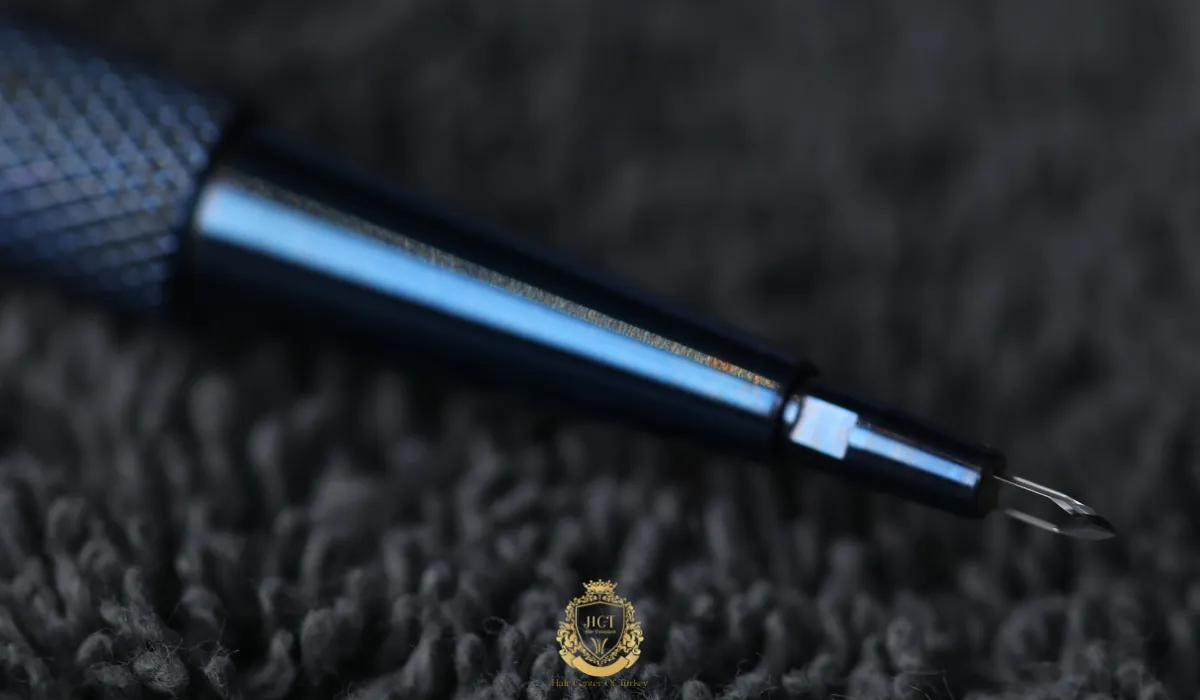
With FUE, follicular units are removed one by one using a small punch and then implanted into the recipient area. Because there’s no linear strip, scarring is typically dot-like and easier to keep short with the right punch size and technique. FUE still requires careful donor management to avoid over-harvesting and patchiness.
Follicular Unit Transplantation (FUT, Strip Method)
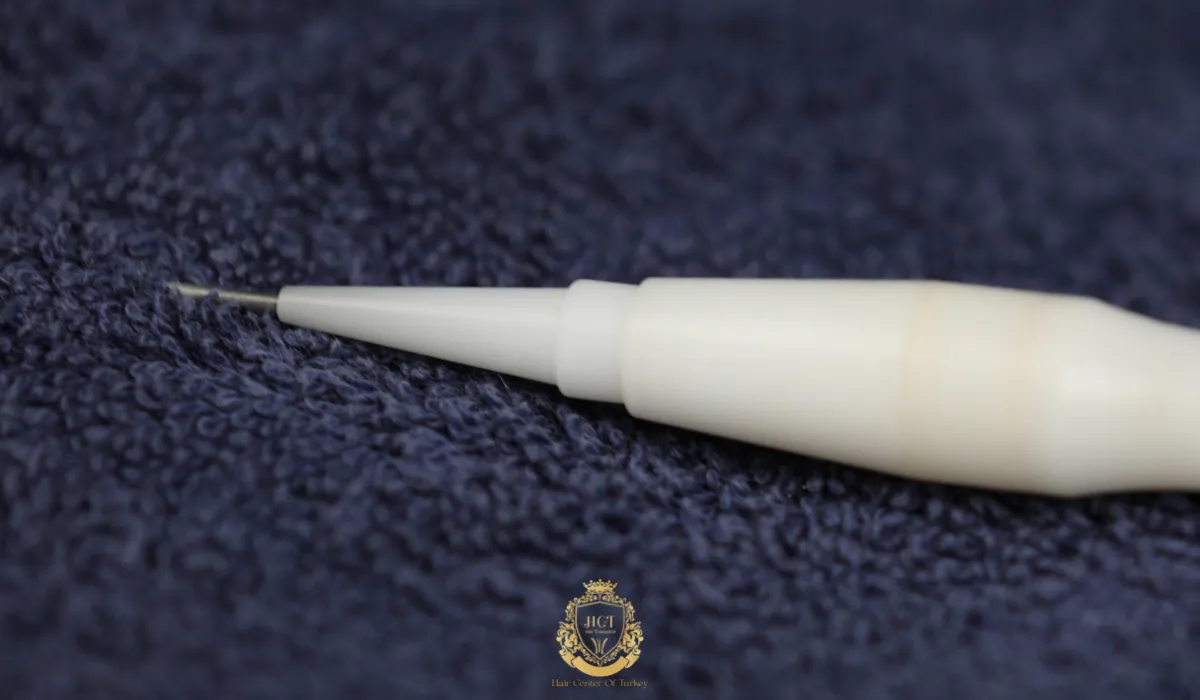
With FUT, a thin strip of scalp is removed from the donor area and dissected into follicular units under magnification. It can yield a high number of grafts efficiently, but it leaves a linear scar and usually requires longer downtime for the donor incision. For some patients, FUT is useful when maximizing graft numbers is a priority and hairstyle allows for scar coverage.
Direct Hair Implantation (DHI) And Implanter Pens
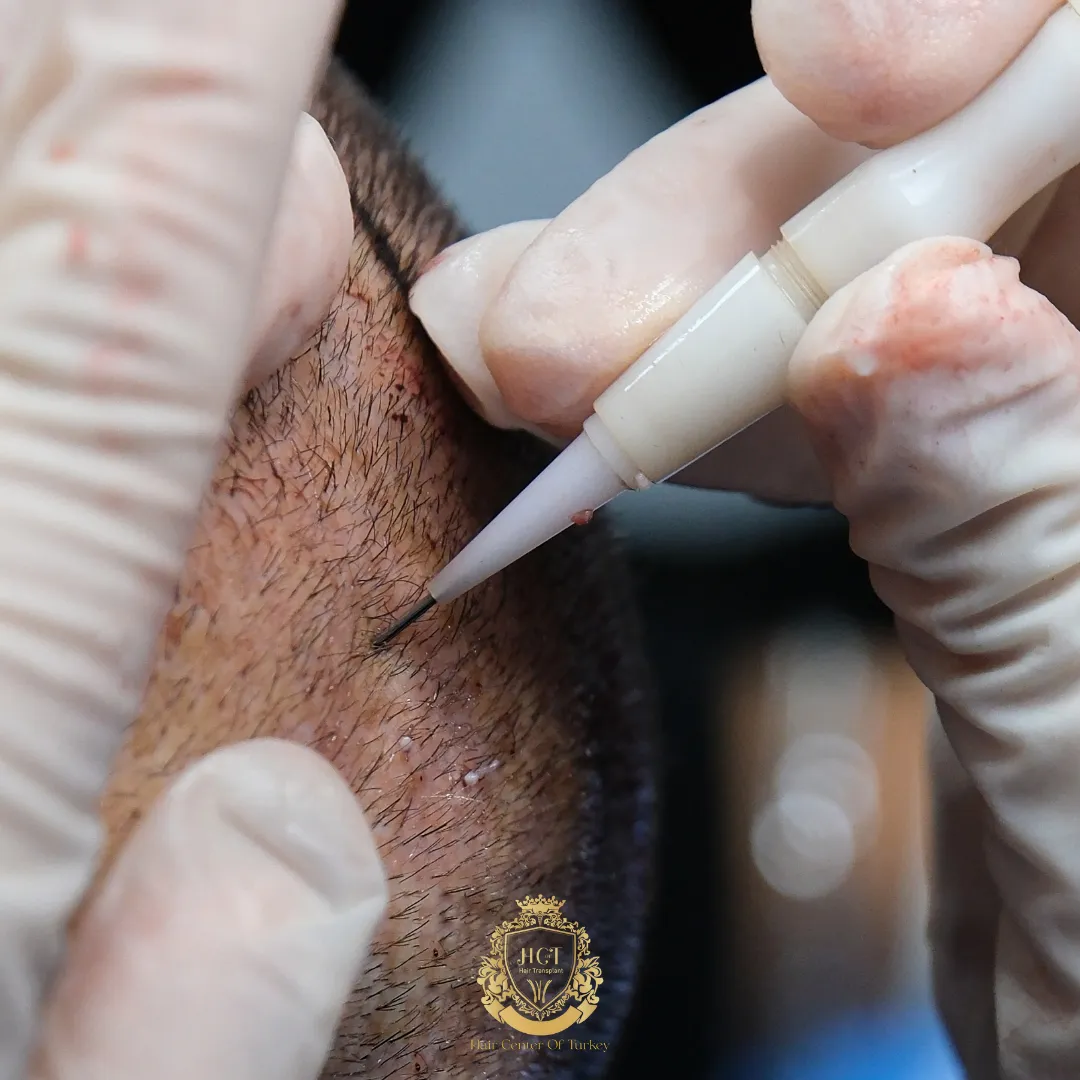
DHI typically refers to implantation using an implanter pen (often called a Choi pen). Instead of pre-making all recipient slits and then placing grafts with forceps, the pen can create the opening and insert the graft in a single motion. This can improve control in some hands, but it doesn’t replace good planning—hairline design, angle, direction, and density remain the real determinants of a natural result.
Donor Dominance: Why Transplanted Hair Can Be Long-Lasting
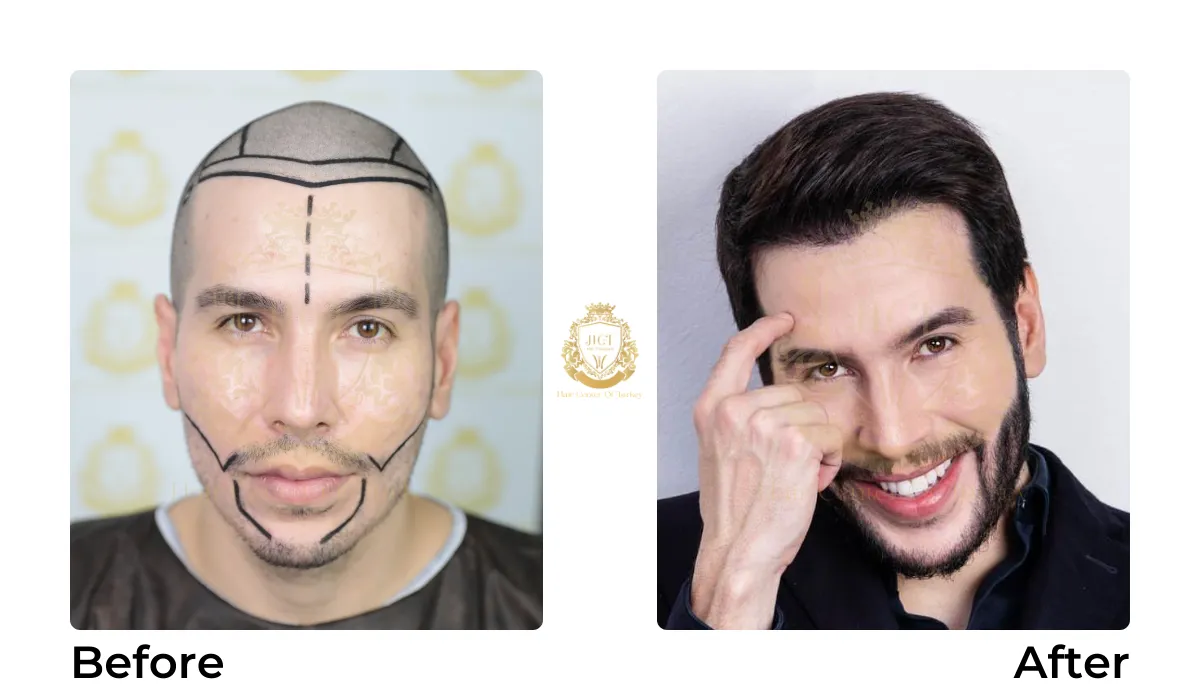
A foundational principle in hair restoration is donor dominance: follicles taken from a genetically resistant donor zone tend to keep those characteristics after relocation. That’s why surgeons usually harvest from the occipital and parietal scalp, where androgenetic thinning is less common. Good candidacy depends on both the stability of hair loss and the quality and capacity of the donor area.
What Determines Graft Survival And Final Density
Graft survival is influenced by how long follicles stay outside the body, how they’re stored, and how gently they’re handled. Recipient-site creation matters too: sites must be the right depth and spacing to avoid popping, compression, and poor blood supply. Post-op care—washing technique, swelling control, and avoiding trauma—helps the grafts settle and heal predictably.
What’s New In Hair Transplant Science
Innovation is real in this field, but not every “new” add-on has the same evidence behind it. A credible clinic will explain what’s well-established, what’s optional, and what’s still investigational.
PRP As An Adjunct
Platelet-rich plasma (PRP) is sometimes used around the time of surgery to support healing and, potentially, early growth. Research reviews suggest possible benefits, but protocols vary widely (platelet concentration, activation, session timing), which makes results inconsistent. If PRP is recommended, ask what outcome they expect and how they measure success.
Robotics And Imaging-Assisted Planning
Robotic or image-guided systems can assist with aspects of graft harvesting and planning, aiming to improve consistency and reduce fatigue-related errors. They are tools—not replacements for surgical judgment—so the operator’s expertise still drives outcomes.
Stem-Cell And Regenerative Research
Stem-cell and follicle-regeneration approaches are being researched, but true “new follicle creation” for routine clinical hair restoration remains experimental. Be cautious with clinics that market regenerative claims without clear data, peer-reviewed evidence, and transparent outcomes.
Hair Transplant Timeline: When Growth Usually Appears
Most patients see early shedding first, then new growth commonly begins around months 3–4. Density and texture typically improve through months 6–9, with final maturation often around 9–12 months. Some patients—especially with larger sessions or slower healing—may take up to 18 months for the full cosmetic result.
Frequently Asked Questions
Is hair transplant scientifically proven?
Yes; FUT/FUE are evidence-based, producing lasting growth when done properly.
What happens 20 years after a hair transplant?
After 20 years, transplanted hair often remains, but native hair may keep thinning.
Is the mom’s dad hair thing true?
No; male-pattern baldness genetics come from both parents, not only maternal grandfather.
What is the negative side of a hair transplant?
Risks include scarring, infection, shock loss, poor density, unnatural results, and high cost.
Why do so many hair transplants fail?
Poor planning, inexperienced clinics, bad graft handling, overharvesting, and ongoing hair loss cause failures.
Explore the complete guide: Hair Transplant Patient Guides