

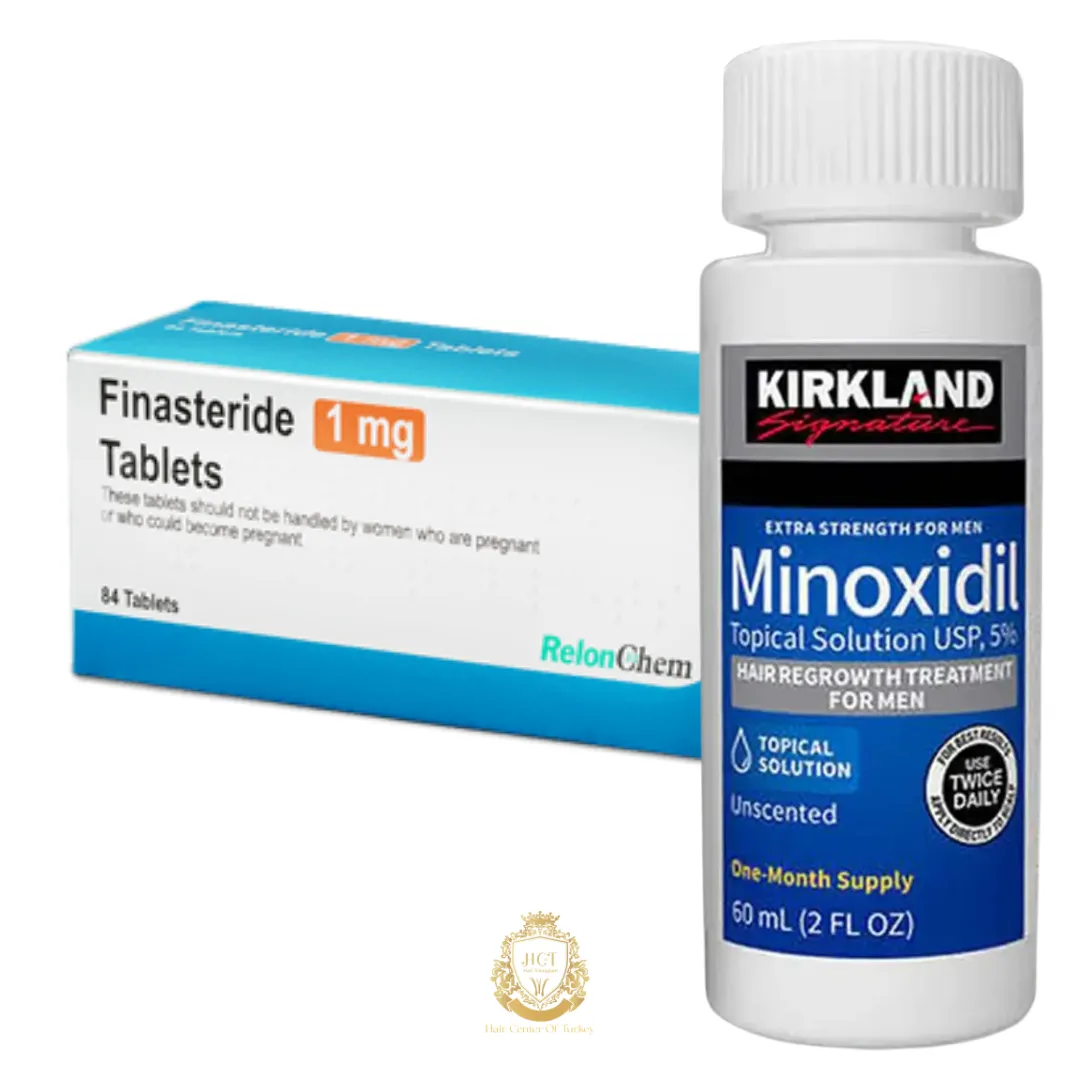
At Hair Center of Turkey, a hair transplant clinic in Turkey, patients considering hair loss treatments often ask us the same question: finasteride vs minoxidil comparison — which one actually works better? Here’s what three years of clinical experience and the research say.
Finasteride Vs Minoxidil
Finasteride is a prescription pill that lowers DHT, helping slow (and sometimes reverse) male-pattern hair loss. Minoxidil is a topical treatment that stimulates follicles and can improve density in both men and women. Most people notice early changes in 3–6 months, with the clearest results around 12 months. The best choice depends on your pattern of loss, sex, and side-effect tolerance.
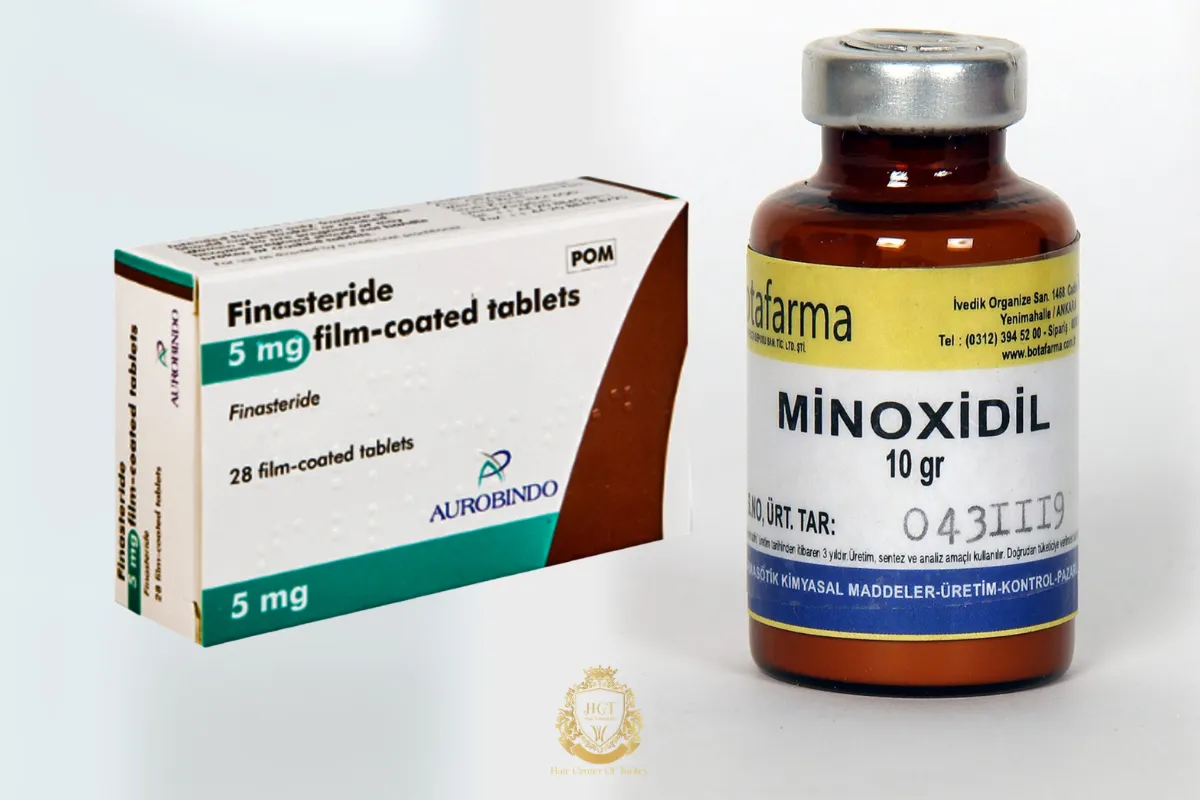
Quick Comparison
Use this snapshot to see how the two treatments differ at a glance.
| Feature | Finasteride | Minoxidil |
| Type | Oral tablet (prescription) | Topical liquid or foam (over the counter in many countries) |
| How it works | Reduces DHT by inhibiting 5‑alpha reductase | Supports follicles and prolongs the growth phase (anagen) |
| Best for | Men with androgenetic alopecia, especially crown/vertex thinning | Men and women with androgenetic alopecia; diffuse thinning or early loss |
| When you may notice change | Often 3–6 months; best assessment at ~12 months | Often 2–4 months; best assessment at ~6–12 months |
| Typical use | Once daily | Once or twice daily (varies by product/strength) |
| Main drawbacks | Possible sexual or mood side effects; not used in pregnancy | Scalp irritation; early shedding; accidental facial hair growth if it runs |
| FDA status (U.S.) | Oral finasteride 1 mg is FDA‑approved for male pattern hair loss; topical finasteride is not FDA‑approved | Topical minoxidil is FDA‑approved for androgenetic alopecia |
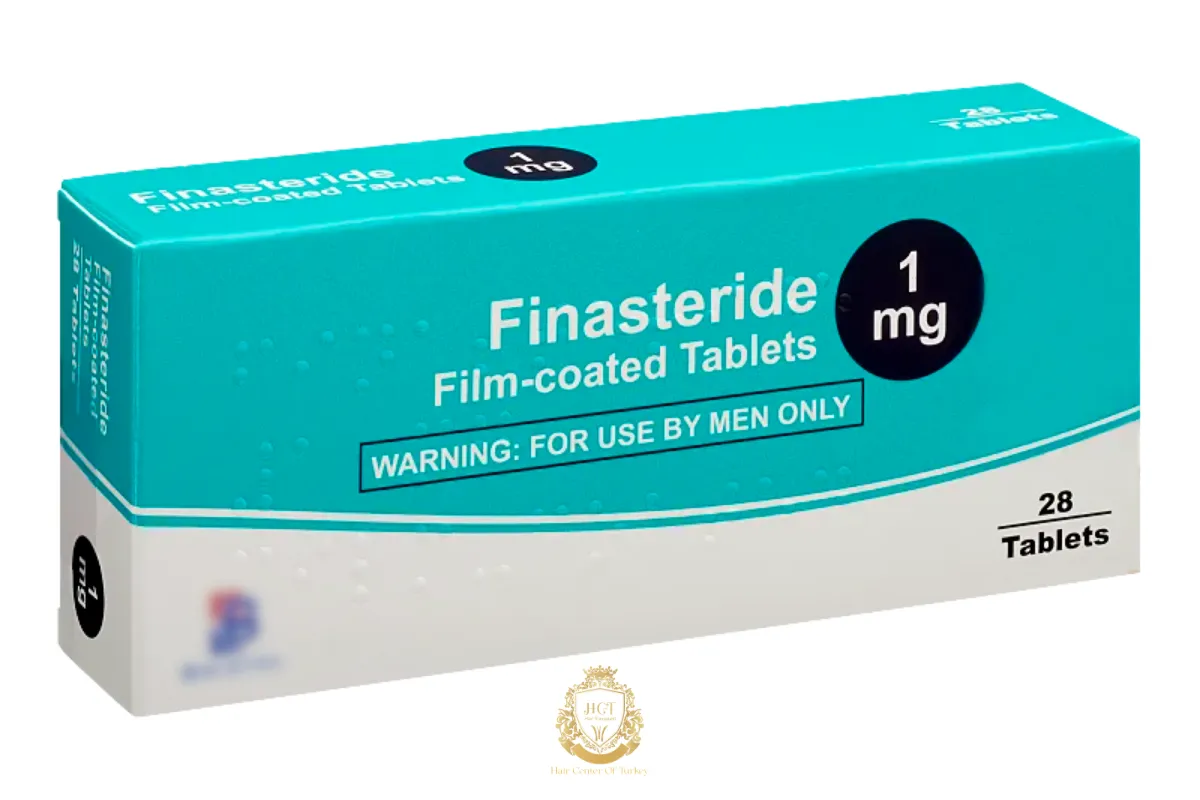
What Is Finasteride?
Finasteride is a prescription medication used for androgenetic alopecia (male pattern hair loss). It is most studied and most commonly prescribed as a 1 mg daily tablet for men.
How Finasteride Works
In androgenetic alopecia, the hormone dihydrotestosterone (DHT) gradually miniaturizes susceptible follicles. Finasteride blocks the enzyme that converts testosterone into DHT, lowering scalp DHT levels and helping follicles maintain thicker, longer hairs.
Who May Be A Good Candidate
Finasteride is typically considered for adult men with early to moderate thinning, especially at the crown or mid‑scalp. It can be useful when the main goal is to slow progression and preserve existing hair. A clinician can help confirm the diagnosis and rule out other causes of shedding.
What Results To Expect
Clinical trials in men show finasteride can slow hair loss and increase hair growth compared with placebo when taken consistently over time. Most people judge the response after 6–12 months of daily use. If you stop, the benefits usually fade over several months as DHT levels return to baseline.
Side Effects And Safety Notes
Some men experience sexual side effects such as reduced libido or erectile dysfunction, and a smaller number report breast tenderness or mood changes. Side effects often improve after stopping, but persistent symptoms have been reported, so it’s worth discussing risks upfront. Finasteride is not used during pregnancy, and tablets should not be handled by someone who is pregnant or trying to conceive.
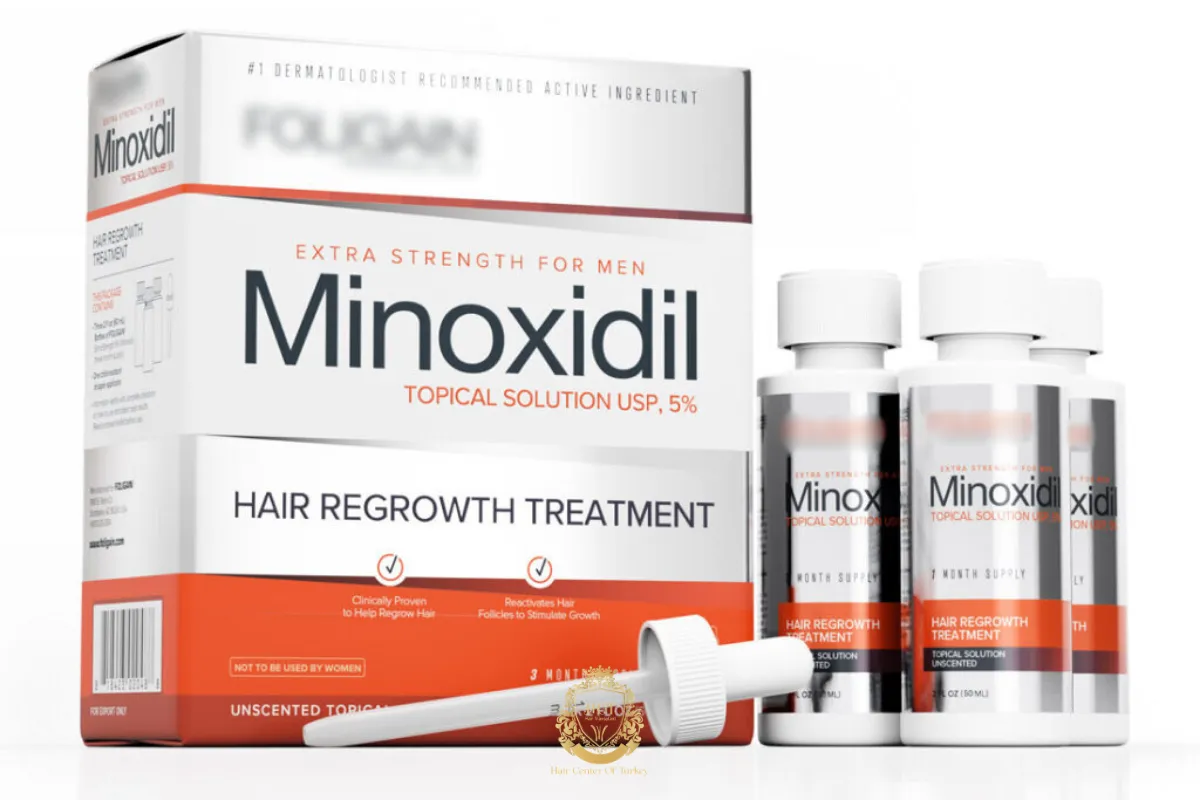
What Is Minoxidil?
Minoxidil is a topical treatment applied to the scalp to improve hair density in androgenetic alopecia. It’s available in different strengths (commonly 2% and 5%) and in liquid or foam forms.
How Minoxidil Works
Minoxidil supports follicles by encouraging hairs to stay longer in the growth phase and by helping miniaturized follicles produce thicker strands. In clinical studies, 5% topical minoxidil outperforms 2% and placebo in hair count and cosmetic improvement when used consistently.
Who May Be A Good Candidate
Minoxidil is an option for both men and women with genetic thinning. It can also suit people who want a non‑hormonal approach or who can’t take finasteride. It tends to work best when started earlier rather than after long‑standing, advanced thinning.
What Results To Expect
Many users notice reduced shedding or early thickening within 2–4 months, though some need closer to 6 months. A temporary increase in shedding during the first weeks can happen as follicles shift into a new growth cycle. If you stop treatment, new growth gradually reverses over the following months.
Side Effects And Safety Notes
The most common issues are scalp irritation, itching, or flaking, which may improve by switching formulations or reducing frequency. If the product drips onto the forehead or cheeks, unwanted facial hair can occur, so careful application matters. Rarely, people may feel dizziness, rapid heartbeat, or swelling, which warrants stopping and seeking medical advice.

Which One Should You Choose?
For many men with classic male‑pattern thinning, finasteride is the stronger option for slowing progression because it targets DHT. Minoxidil is often the first choice for women, and it can also help men who want extra thickening. If your hair loss is sudden, patchy, or accompanied by scalp pain or scaling, get checked before starting any regimen.
When Combination Therapy Makes Sense
Finasteride and minoxidil work through different pathways, so using both can be complementary for some people. A common approach is finasteride daily plus topical minoxidil once or twice daily, with progress tracked by monthly photos in consistent lighting. Combining treatments can also increase the chance of irritation or side effects, so it’s best done with clinician guidance.
How To Use Each Treatment Correctly
Finasteride Basics
Most hair‑loss regimens use finasteride 1 mg once daily, with reassessment around the 6‑ to 12‑month mark. Try to take it at the same time each day so it becomes routine. Tell your clinician about fertility plans, mental health history, and any new symptoms after starting.
Minoxidil Application Tips
Apply minoxidil to a clean, dry scalp and let it dry fully before styling or going to bed. Foam is often easier for sensitive scalps, while liquid can be more precise for part lines. Wash hands after applying and keep the product away from eyes and face.
Managing Irritation And Shedding
If irritation shows up, reduce frequency for a week, switch from liquid to foam, or use a gentle anti‑dandruff shampoo if flakes develop. Early shedding can be unsettling, but it often settles within several weeks once the hair cycle stabilizes. If shedding is severe or continues beyond two months, check in with a dermatologist.
Frequently Asked Questions
Can women use finasteride?
Finasteride is generally not used for women of childbearing potential because of pregnancy risk. In select cases, specialists may consider it off‑label for post‑menopausal women, but it requires medical supervision.
How long should I try a treatment before switching?
Give any evidence‑based hair‑loss treatment time. Most people need at least 6 months of consistent use, and 12 months gives a clearer picture.
What happens if I stop finasteride or minoxidil?
Both treatments control an ongoing process rather than cure it. When you stop, the hair you maintained or regrew usually sheds gradually over the next few months.
Is topical finasteride safer than the pill?
Topical finasteride is sold in compounded forms in some markets, but it is not FDA‑approved in the U.S. Side effects have been reported with topical products as well, so don’t assume it’s risk‑free.
When To See A Dermatologist
Book an evaluation if hair loss is rapid, patchy, associated with scalp inflammation, or accompanied by fatigue, weight change, or menstrual changes. A dermatologist can confirm the diagnosis, check for iron or thyroid issues when appropriate, and tailor a plan that fits your risk profile. If you develop sexual side effects, mood changes, chest tenderness, or heart symptoms on treatment, seek medical advice promptly.
References
- FDA: Propecia (finasteride 1 mg) approval and labeling information; FDA alert on risks associated with compounded topical finasteride (April 22, 2025).
- Kaufman KD et al. Finasteride in the treatment of men with androgenetic alopecia (J Am Acad Dermatol, 1998).
- Olsen EA et al. Randomized trial of 5% vs 2% topical minoxidil in men (J Am Acad Dermatol, 2002).
- Lucky AW et al. Randomized trial of topical minoxidil in women with female pattern hair loss (J Am Acad Dermatol, 2004).
Explore the complete guide: Hair Loss Treatments