


Traveling from the U.S. to Turkey for a hair transplant may suit you only with confirmed candidacy, a verified clinician, a realistic donor plan, a full budget and arranged follow-up at home. Otherwise, staying local or postponing may be better.
Hair Center of Turkey describes pretravel assessment and remote follow-up for international patients. Its published clinic information reports a 2014 founding, three doctors and about 3,000 annual procedures. These are self-reported clinic statistics, not independent evidence of outcomes. Photo screening can guide planning; an in-person medical examination must confirm whether surgery is appropriate.
Written by Dr. Rasime Erkan
Hair Transplant In Turkey For US Patients: Key Takeaways
Contents
Surgery moves hair follicles, but it does not stop future hair loss.
Donor supply is limited, and every graft that is used is gone for good.
No single waiting period makes flying safe for everyone after surgery. Clearance is individual.
The total hair transplant trip cost goes well beyond the procedure fee.
Most of your recovery and follow-up will happen after you are back in the U.S.
What The Surgery Actually Does: FUE Extraction, DHI Placement And Ongoing Hair Loss
FUE (follicular unit excision) is how grafts are taken out. They are removed one by one from the donor area at the back and sides of the scalp. DHI describes placing grafts with an implanter pen; depending on the device, channel creation and placement may occur together. These are two steps of the same procedure, not competing techniques. The clinician’s planning and skill affect the result far more than which label is used.
Between extraction and placement, grafts sit outside the body for a while. How they are handled and stored during that time affects whether they survive. For a step-by-step explanation, see how grafts are extracted, stored and implanted.
Donor supply is finite: follicles removed from that region do not grow back there. The first session must leave a sensible reserve for future hair loss, rather than maximize the graft count at any cost.
A transplant also does not treat the cause of androgenetic hair loss. Your native hair around the transplanted area can keep thinning, which may leave the new hair looking isolated over time. Managing your native hair over the long term is a separate conversation to have with a physician.
Candidacy, Exceptions And Choosing A Hair Transplant Surgeon

Good candidates usually have stable, patterned hair loss and enough donor density. Their expectations also match what their donor supply can realistically deliver. A remote assessment can screen for these things from photos. An in-person examination should still confirm them before any surgery goes ahead.
Who Should Wait Or Try Non-Surgical Options First
Younger patients whose hair loss is still progressing are a common example. A hairline designed at 23 can look out of place at 40, once the hair behind it has thinned. Some conditions can make surgery less predictable or unsuitable: diffuse unpatterned alopecia, scarring alopecias, active scalp conditions and poorly controlled medical problems.
The checks done before surgery depend on the person and the clinic. Read what tests may be needed before hair transplant surgery for background, and let your own physician decide what applies to you. If you take regular medications, talk to the prescribing doctor and the surgical team about them. Don’t change anything on your own.
Choosing A Hair Transplant Surgeon: Who Performs Each Step
The International Society of Hair Restoration Surgery (ISHRS) says surgical decisions and the key steps of scalp surgery should be handled by qualified, licensed physicians (ISHRS position statement). When choosing a hair transplant surgeon, ask who does the consultation and who designs the hairline. Ask who makes the incisions and who does the extraction.
Then ask what the technicians do and how many procedures the team performs on the same day. Get the answers in writing if you can. Vague or changing answers are a warning sign, wherever the clinic is located.
Hair Transplant Travel Risks And The Clinical Process
Medical And Travel Risks To Weigh
The CDC describes several risks that apply to medical tourism in general. They include communication gaps, unfamiliar standards of care and limited legal options if something goes wrong. Infection and blood clots on long flights are also on the list (CDC Yellow Book; CDC Travelers’ Health). Each of these belongs on the list of hair transplant travel risks to weigh before you book.
CDC guidance treats travel longer than about four hours as a time of higher clot risk. That is general travel advice, not a set flight rule for hair transplant patients. Your surgeon should clear you based on your own health, and you should confirm any airline requirements directly with the airline.
Surgical risks exist in every country. They include poor graft survival, an over-harvested donor area and an unnatural hairline. Temporary shock loss of nearby native hair and folliculitis are also possible. No clinic can guarantee a specific result, and any promise that it can should make you more careful.
From Remote Consult To The Flight Home
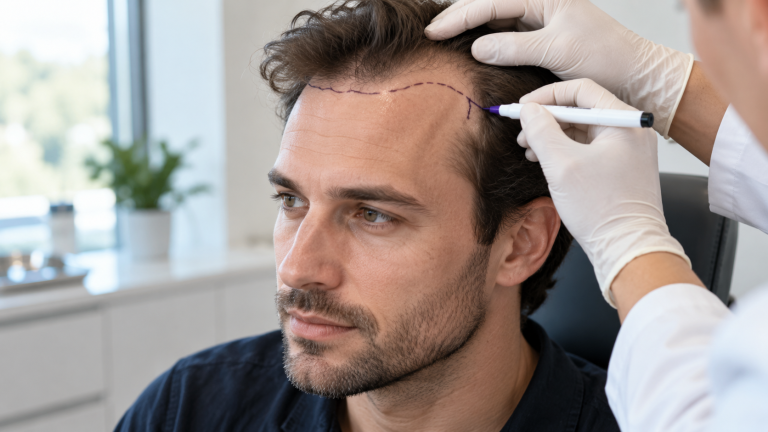
A typical process starts with a remote consultation. Next comes an in-person exam in Istanbul, where the hairline is designed and the plan is confirmed or changed. After surgery day there is usually a first wash and post-operative checks before you fly home.
Before you leave, ask for written records: the graft count, the areas treated, the medications prescribed and how to contact the team. These records help a U.S. doctor if you need care later.
Entry rules and travel advisories change. Check the current information on the U.S. State Department website and official Turkish government sites, not older blog posts or forum threads.
Total Hair Transplant Trip Cost And Hair Transplant Aftercare In The US
Total Hair Transplant Trip Cost: Every Line Item
The procedure fee is only one part of the total hair transplant trip cost. A realistic budget should also cover:
Round-trip flights and accommodation
Time off work, before and after the trip
Travel for a companion, if you bring one
Travel insurance and, where available, medical-travel insurance
Medications and aftercare supplies
Local doctor visits if problems come up at home
Possible repair work later
Long-term medical therapy for native hair
If a clinic offers a “package,” get written confirmation of exactly what it includes. Don’t assume transfers, accommodation nights, follow-up sessions or supplies are covered. Compare quotes line by line, because two prices that look alike can cover very different things.
Recovery Milestones And Follow-Up At Home

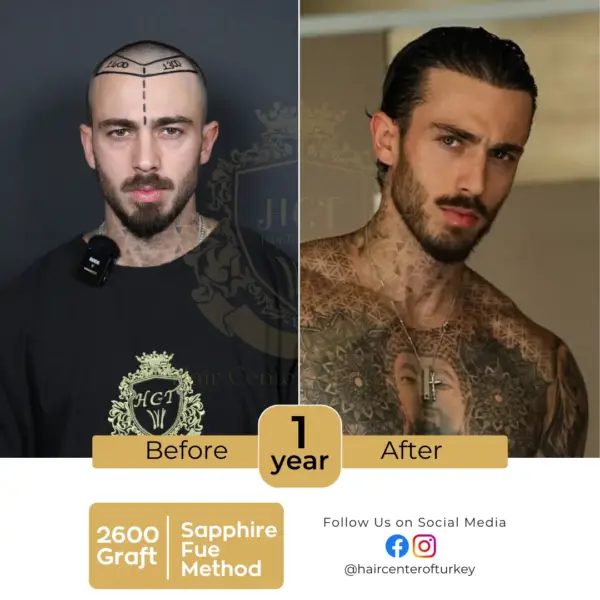
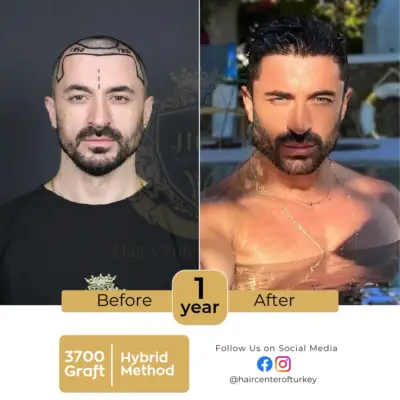
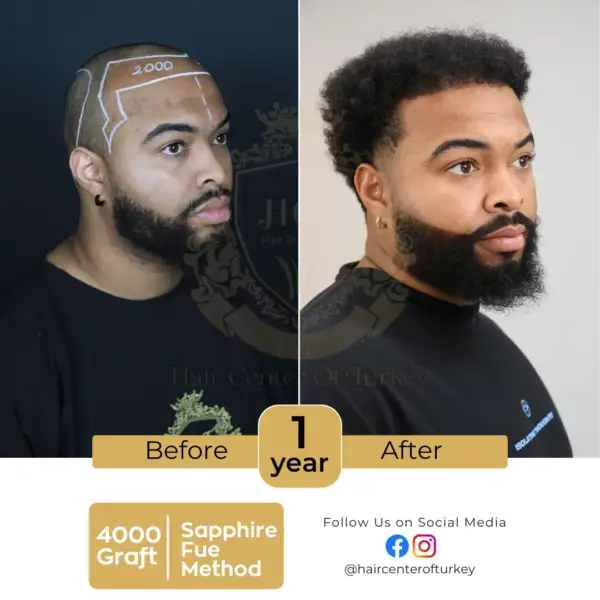
Transplanted hairs often fall out within about 2 to 6 weeks. New growth usually starts around months 3 to 4, and the final result is generally judged at about 12 to 18 months. Almost all of this happens in the U.S.
That is why hair transplant aftercare in the US should be arranged before you book. Remote photo and video check-ins help, but they can’t replace an in-person exam. Find a local dermatologist or physician who is willing to see you for infection, folliculitis or a donor area that heals poorly. Share your surgical records with them ahead of time if you can.
Turkey Vs US Hair Transplant: A Decision Checklist
Compare the verified surgeon, donor plan, total cost and continuity of care in each location. The same quality checks apply in both countries.
Question | Traveling to Turkey | Local U.S. care |
|---|---|---|
Can I verify who performs each step? | Requires direct questions and documentation | Requires the same questions |
Who handles continuity of care? | Remote clinic follow-up plus a local doctor you arrange | Same team, in person |
Where do I go in an emergency? | Local emergency department for urgent problems, abroad or after return | Emergency department for urgent problems; treating team for routine concerns |
What legal recourse do I have? | Often limited and foreign | Domestic channels |
Have I counted the full cost? | Fee, travel, time off, insurance, aftercare | Fee, time off, aftercare |
Do scheduling and recovery fit? | Long flights, time zone shift, rest days abroad | Shorter logistics |
Is Traveling To Turkey For A Hair Transplant Worth It?
Is traveling to Turkey for a hair transplant worth it? For some people, yes. It can be when candidacy is confirmed, the clinician is verified, the donor plan is realistic, the full budget is covered and follow-up at home is in place. If any of these is missing, staying local or waiting is often the wiser choice. Taking time to decide costs far less than fixing a rushed one.
Sources
CDC Yellow Book, Medical Tourism: https://www.cdc.gov/yellow-book/hcp/health-care-abroad/medical-tourism.html
CDC Travelers’ Health, Medical Tourism: https://wwwnc.cdc.gov/travel/page/medical-tourism
ISHRS Position Statement on Qualifications for Scalp Surgery: https://ishrs.org/ishrs-position-statement-on-qualifications-for-scalp-surgery/
Related reading
Frequently Asked Questions
Can I fly back to the U.S. right after my hair transplant?
No waiting period is safe for everyone. CDC guidance on blood clots during long flights is general advice, not a rule written for hair transplants. Your surgeon should clear you based on your health and your procedure, and you should check airline rules yourself.
Will a hair transplant stop my hair loss?
No. Surgery moves follicles from the donor area, and your native hair can keep thinning afterward. Many patients need a long-term plan, which should be discussed with a physician.
Is DHI better than FUE?
They are not really competitors. FUE is how grafts are extracted, and DHI is how they are placed. Planning, donor management and the clinician’s skill matter more than the label, whether you choose local care or a hair transplant in Turkey for US patients.
Who will follow up with me once I’m home?
Confirm this before you book. With a hair transplant in Turkey for US patients, you need remote check-ins with the clinic. You also need a local dermatologist or physician who can see you in person if an infection or other problem appears.
How do I check that the surgeon is qualified?
Ask for the operating physician’s name, license and role in each step of the procedure. Compare the answers with the ISHRS position on physician involvement. Treat vague answers as a warning sign.