

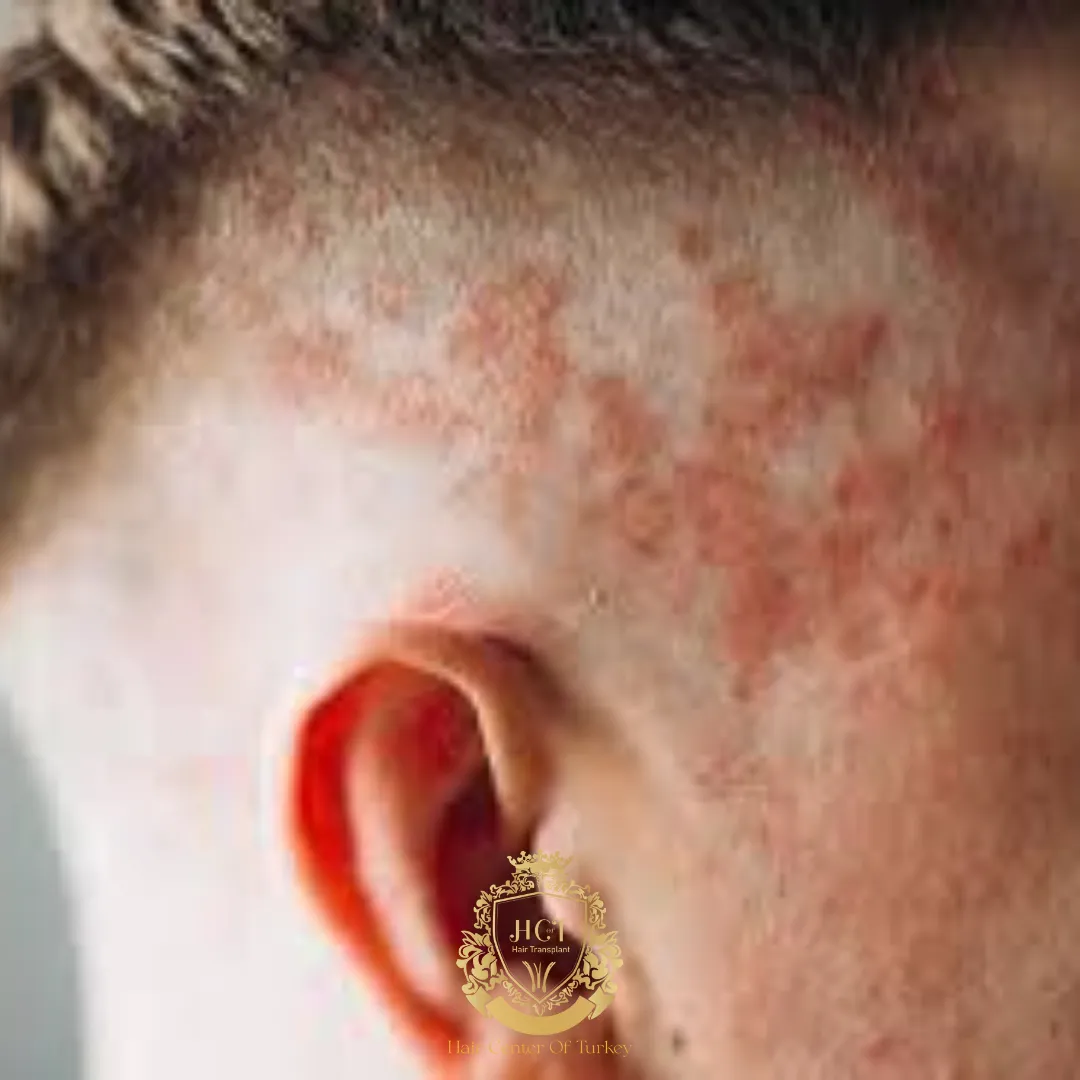
Eczema, Psoriasis, And Hair Loss
Scalp eczema and psoriasis can cause hair shedding, mostly because inflammation, scaling, and scratching stress the follicles. The good news is that regrowth is common once flare-ups are controlled and the scalp barrier heals. Targeted shampoos and prescription topicals can reduce symptoms and help hair return to its normal cycle.
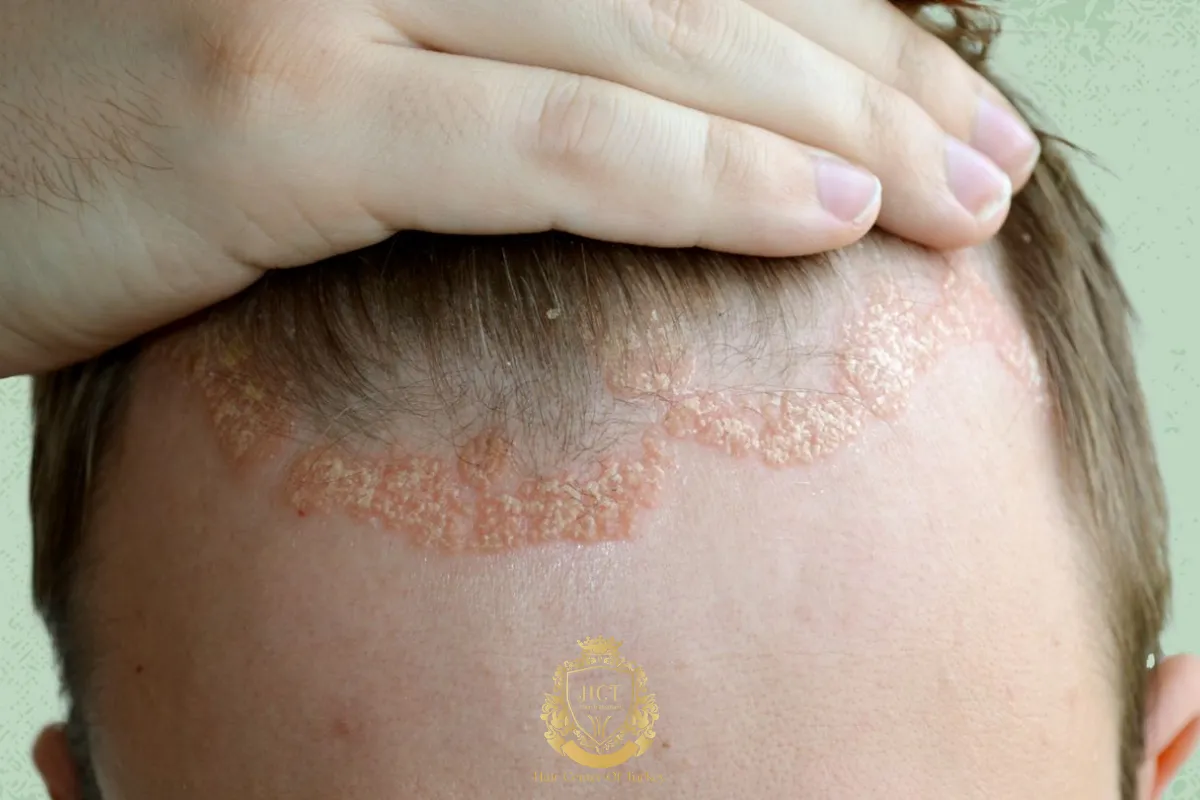
How Eczema Can Affect The Scalp
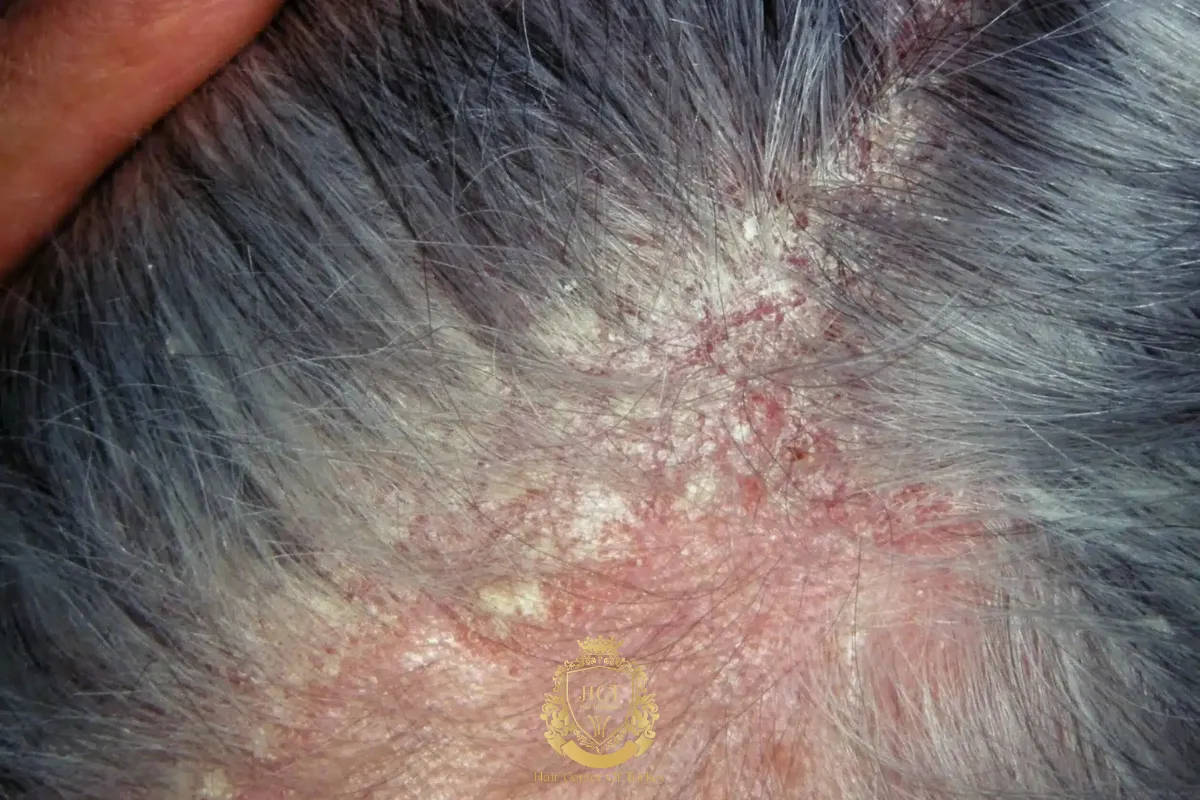
Eczema (atopic dermatitis) can show up on the scalp as redness, itchiness, dryness, and flaking. During a flare, the skin barrier is weaker, so the scalp becomes more reactive to friction, sweat, and certain hair products. That irritation can push hairs into a shedding phase or cause breakage from handling and scratching.
Why Shedding Happens With Scalp Eczema
- Itching and scratching can loosen hairs and snap fragile strands, making shedding look worse than it is.
- Inflammation around the follicle can disrupt the normal growth cycle, leading to temporary thinning.
- Open sores from intense scratching raise the risk of secondary infection, which can further inflame the scalp.
Hair loss linked to eczema is usually temporary. If the scalp stays inflamed for long periods, regrowth can take longer and the hair may come back finer at first.
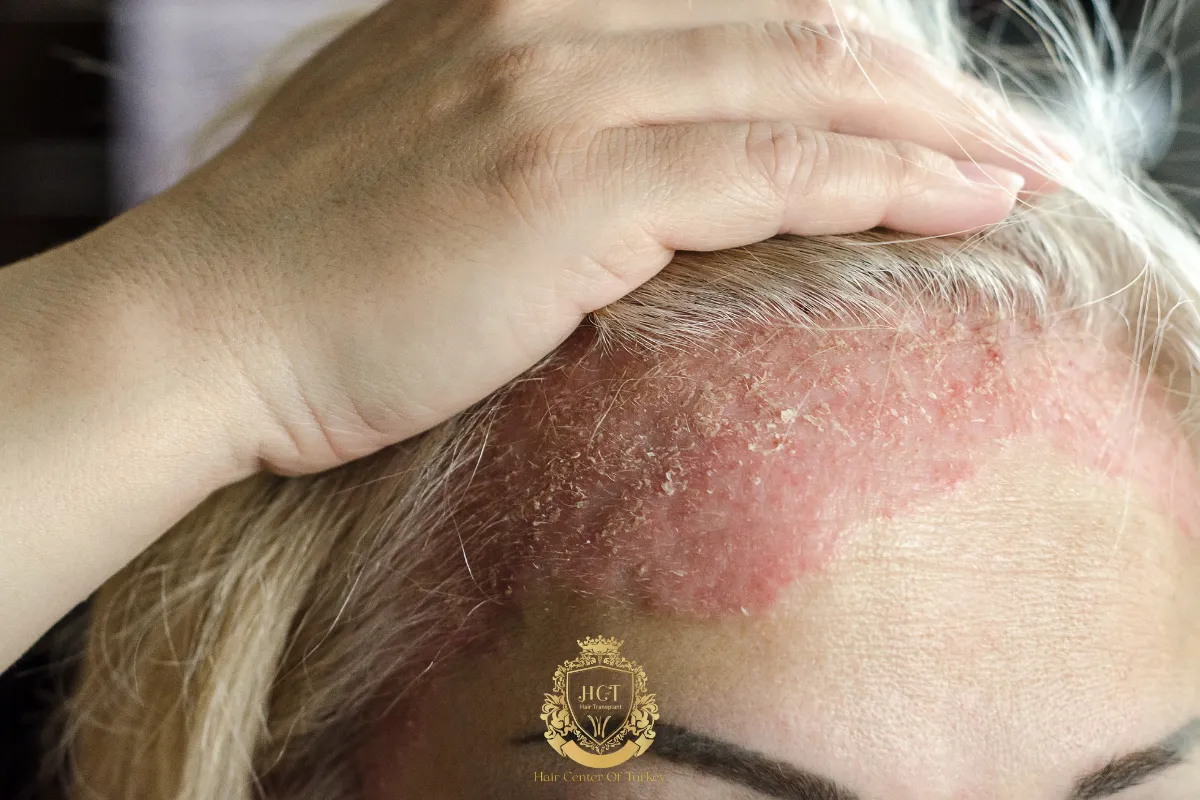
How Scalp Psoriasis Impacts Hair
Psoriasis is an immune-driven condition that speeds up skin cell turnover, creating thicker scale and well-defined plaques. On the scalp, plaques can build up along the hairline, parting, and crown, often with itch or burning. Psoriasis does not destroy follicles on its own, but the surrounding irritation can lead to shedding during flare-ups.
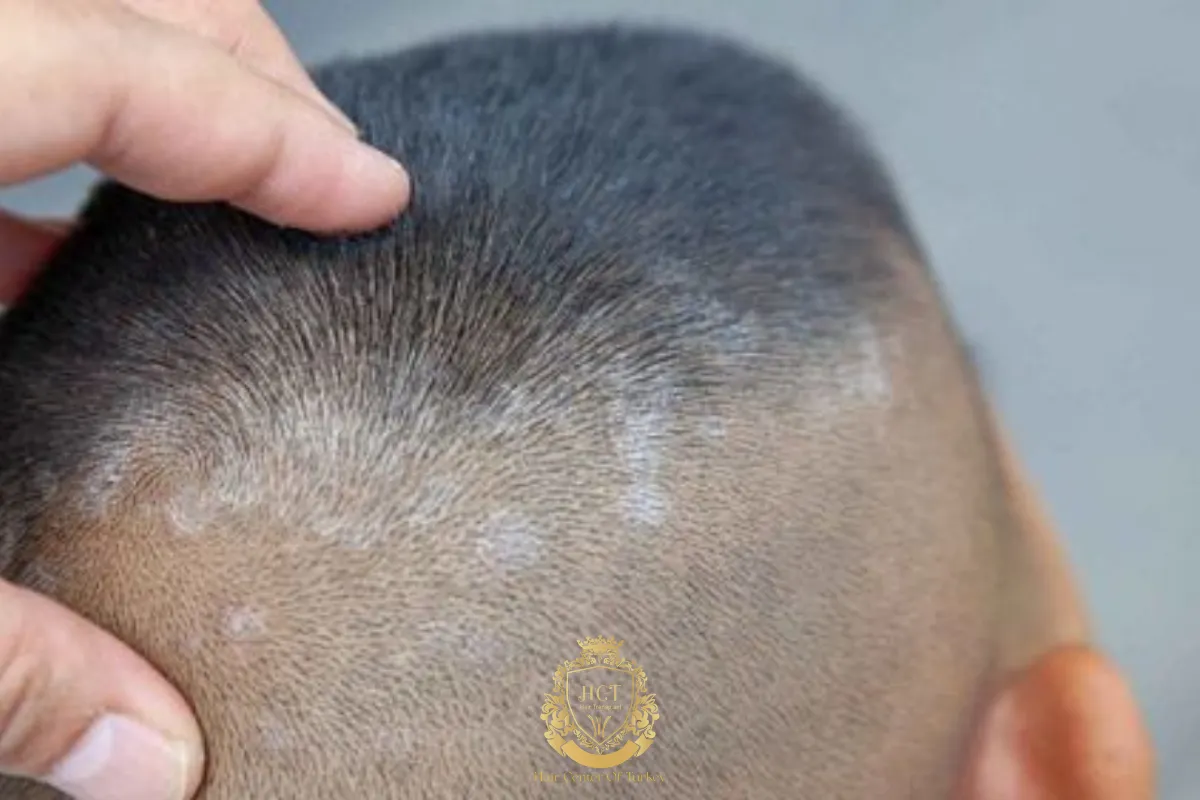
Common Triggers For Psoriasis-Related Shedding
- Thick scale can tug on hairs when brushed or removed too aggressively.
- Ongoing inflammation can increase shedding until the flare settles.
- Picking at plaques can cause breakage and visible thinning.
Most people see hair return once plaque and inflammation are controlled. The key is gentle, consistent scalp care rather than forceful scale removal.
Best Ways To Treat Eczema Or Psoriasis-Related Hair Loss
The goal is to calm inflammation, reduce scale, and protect the scalp barrier. Treatment depends on whether symptoms fit eczema, psoriasis, or a mix, so it helps to get a clear diagnosis—especially if flaking is severe or persistent.
Over-The-Counter Options That Often Help
- Medicated shampoos: formulas with salicylic acid can lift scale, while coal tar products may reduce redness and itching in some people.
- Anti-fungal shampoos: ketoconazole shampoos can be useful when dandruff or seborrheic dermatitis overlaps with eczema-like symptoms.
- Barrier-friendly moisturizers: fragrance-free scalp oils or lotions can reduce dryness, but avoid heavy products if they worsen scaling.
Prescription Treatments Your Clinician May Use
- Topical corticosteroids (solutions, foams, or lotions) to quickly reduce itch and inflammation.
- Vitamin D analogs or combination topicals for psoriasis control.
- Non-steroid anti-inflammatory creams for sensitive areas or longer-term maintenance, when appropriate.
Try to avoid harsh scrubs, high-heat styling, tight hairstyles, and frequent product switching during flares. Wash as often as your scalp needs, but use a gentle shampoo on non-treatment days to limit dryness.
Will Hair Grow Back?
In most cases, yes. Once inflammation is under control and scratching stops, the follicles can return to normal cycling and hair density gradually improves. If there is significant pain, oozing, or thick crusting, seek care quickly since infection can prolong shedding.
When Regrowth May Take Longer
If severe inflammation continues for months or if the scalp develops scarring from repeated trauma, regrowth may be slower or incomplete. This is uncommon, but it is a reason to see a dermatologist if you notice shiny scar-like patches, persistent bleeding, or rapidly expanding thinning areas.
When To Consider A Hair Transplant
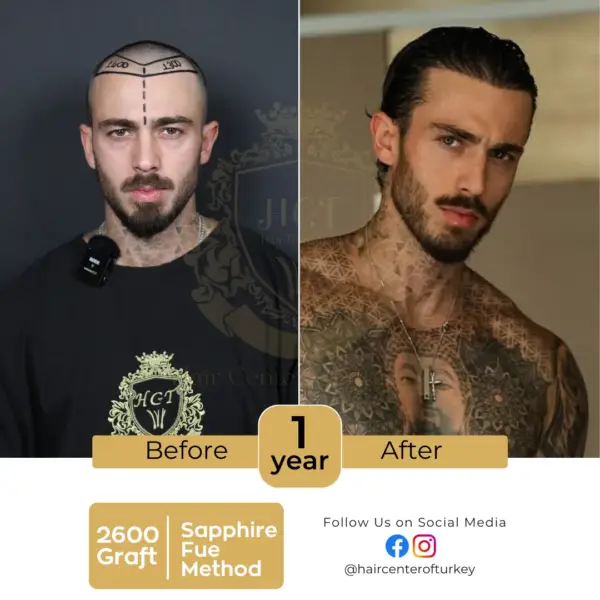
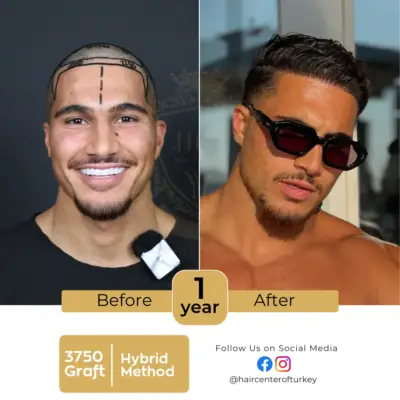
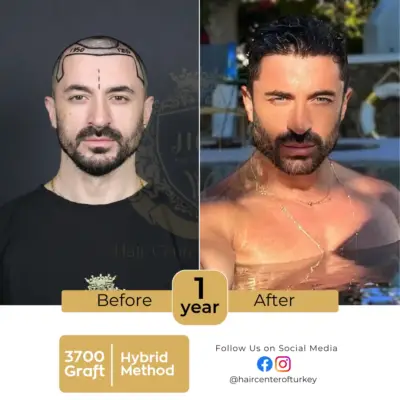
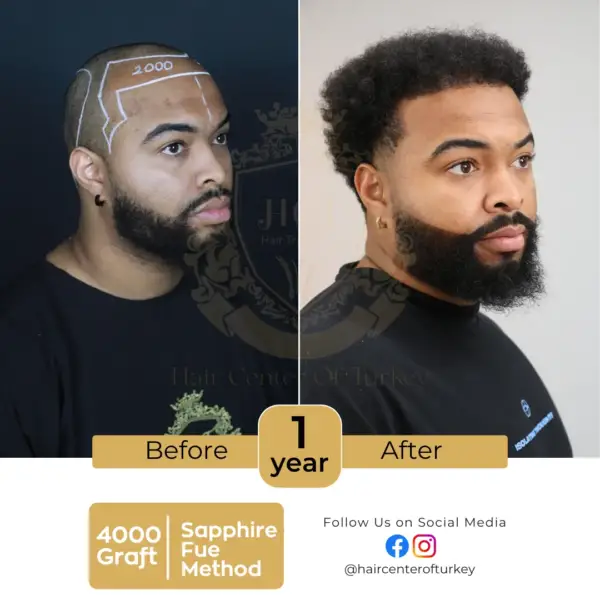
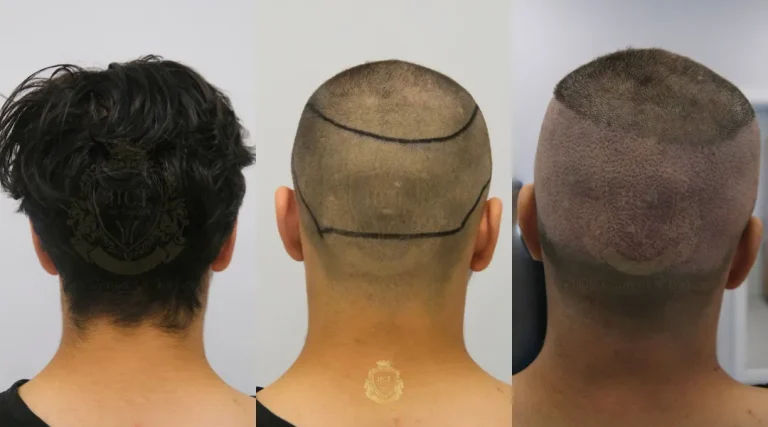
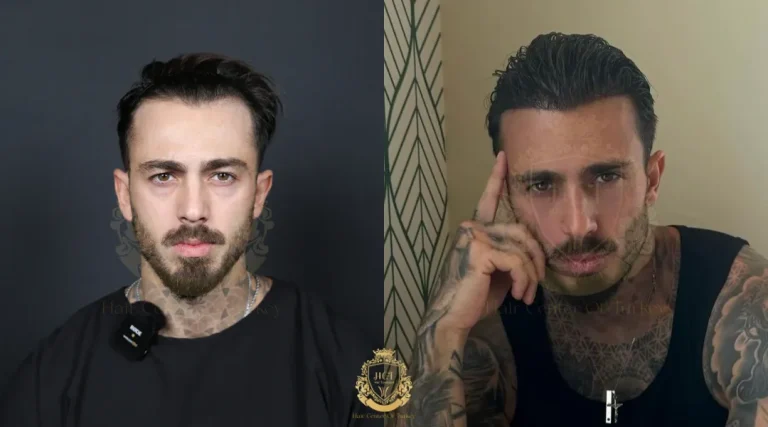
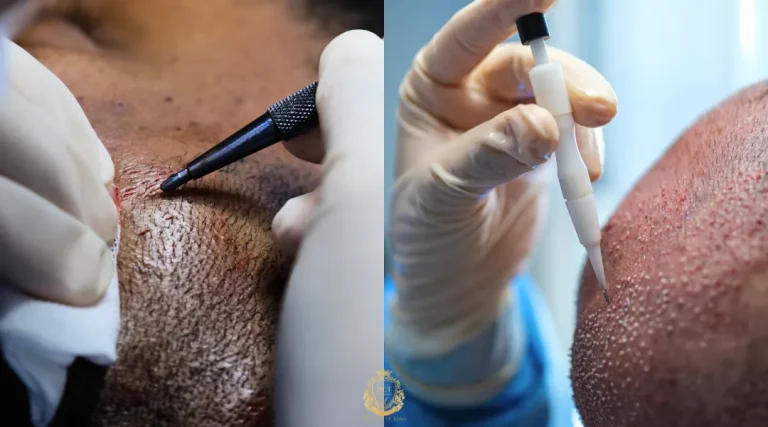
A transplant is usually not the first step for eczema or psoriasis-related thinning, because active inflammation can interfere with healing. If you have stable disease and a specialist confirms that hair loss is not expected to recover, surgical options such as FUE or DHI may be discussed.
Most clinics will want your scalp condition well-controlled for a sustained period before planning surgery.
Frequently Asked Questions
Can eczema or psoriasis cause permanent hair loss?
Most shedding is temporary. Permanent loss is uncommon and is more likely when there is scarring from long-term inflammation, infection, or repeated trauma. If you see smooth scar-like patches or sudden widening thinning, book a dermatology exam.
What shampoo ingredients are worth trying?
Many people do well with salicylic acid for scale removal, coal tar for itch and redness, or ketoconazole when dandruff overlaps. Choose one change at a time and follow label directions, since overuse can irritate an already sensitive scalp.
Is it safe to get a hair transplant if I have scalp psoriasis or eczema?
It can be, but timing matters. Surgeons typically recommend getting the condition stable first and avoiding surgery during flares. A dermatologist and transplant surgeon can coordinate a plan if you are considering it.
Explore the complete guide: Scalp Conditions and Hair Health