

Crown Hair Loss: Causes, Treatments, and Prevention
Crown (vertex) hair loss usually starts as gradual thinning on the top-back of the scalp and is most often linked to pattern hair loss. Early care can make a difference: topical minoxidil, prescription DHT-blocking medication (when appropriate), PRP, laser therapy, and lifestyle changes may help. For advanced loss, a hair transplant is an option.
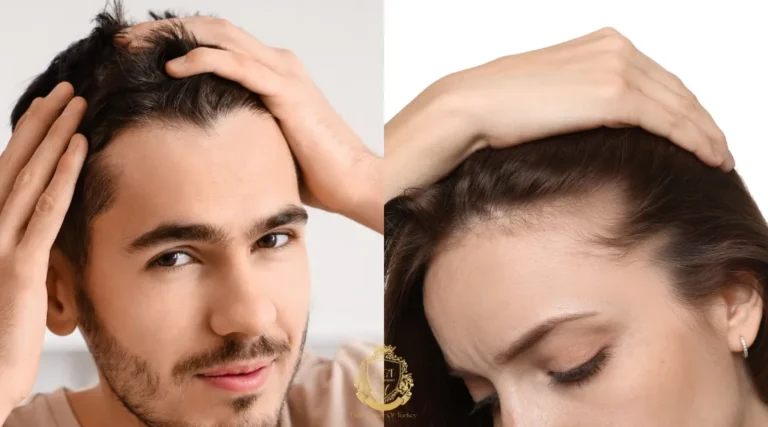
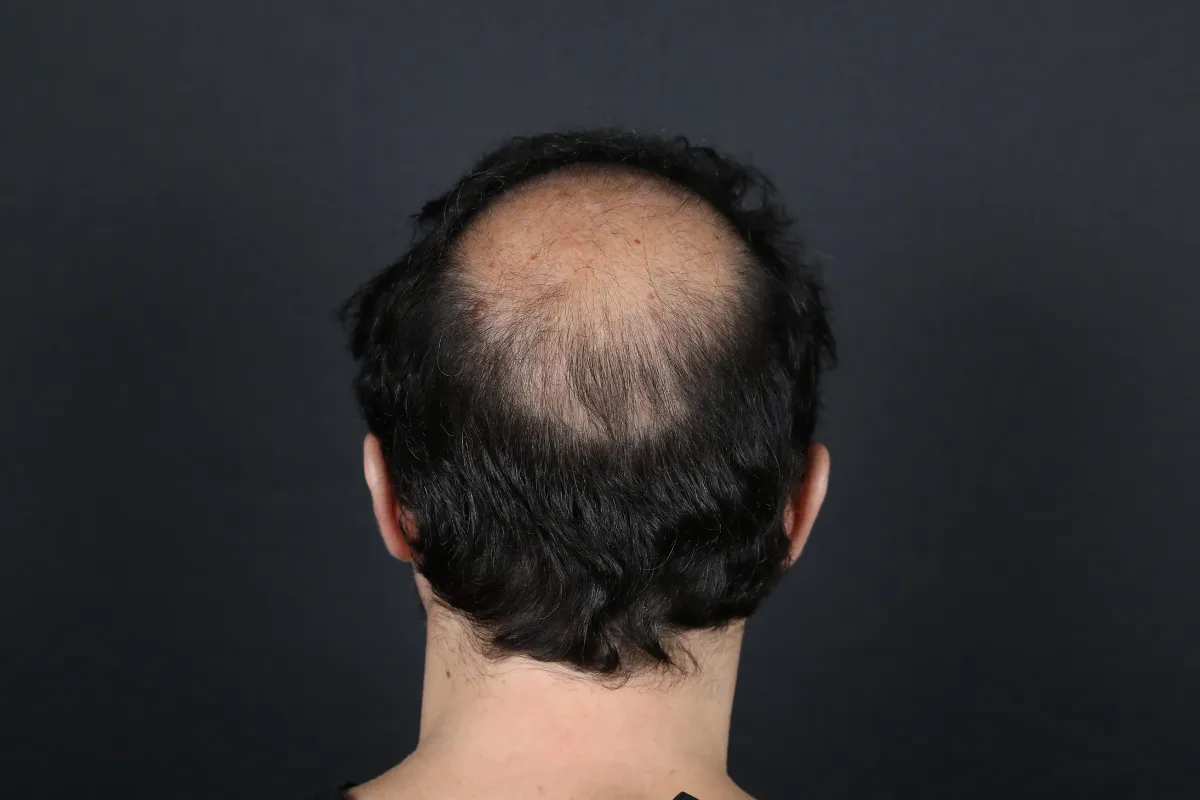
Crown hair loss is one of the most common patterns of thinning, especially in androgenetic alopecia (male or female pattern hair loss). Because the crown can be hard to see, many people notice it only after photos or bright lighting highlight a widening spot.
The good news is that crown thinning is often manageable when you act early. The right plan depends on the cause, how long the shedding has been happening, and whether the follicles are still active.
What Causes Crown Hair Loss?
Crown thinning is most often driven by genetics and sensitivity to dihydrotestosterone (DHT), which can gradually shrink hair follicles over time. That said, not every bald spot is pattern hair loss, and a sudden change deserves a closer look.
Common contributors include:
- Genetics: A family history of pattern hair loss increases risk.
- Hormonal sensitivity (DHT): Follicles at the crown may miniaturize and produce finer hairs.
- Age-related changes: Growth cycles slow down and density can drop over time.
- Scalp inflammation: Persistent dandruff, dermatitis, or irritation can worsen shedding.
- Health and lifestyle factors: Stress, smoking, poor sleep, and nutrient gaps may contribute.
If you develop rapid shedding, patchy loss, scalp pain, heavy flaking, or hair loss after an illness or a new medication, it’s worth seeing a dermatologist to rule out treatable medical causes.
Signs Of Crown Hair Loss
Early signs are often subtle. Look for changes such as:
- Visible thinning at the crown under overhead light.
- A widening part line or a small circular bald spot.
- More hair shedding on the pillow, in the shower, or while brushing.
Treatment Options For Crown Hair Loss
Treatment works best when it matches the underlying cause and stage of loss. A clinician can help you choose options based on your health history, scalp findings, and expectations.
Medications
Medications are often first-line for pattern hair loss. Results are gradual and usually require consistent use.
- Minoxidil: A topical treatment that can support thicker growth and reduce shedding for many people.
- Finasteride: A prescription option for many men that reduces DHT; discuss benefits and side effects with a doctor.
Women may be offered different prescription options depending on the cause of thinning, pregnancy plans, and medical history.

Hair Transplant Surgery
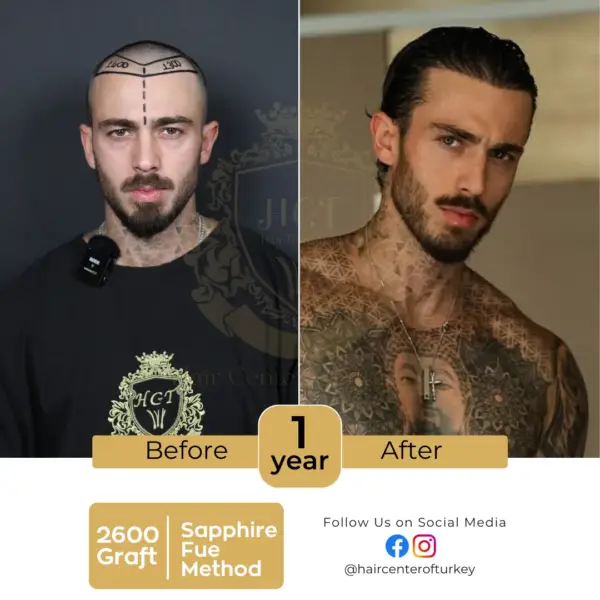
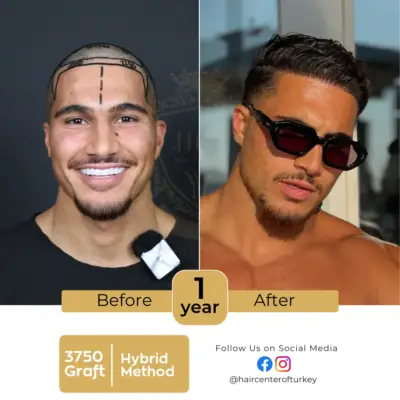
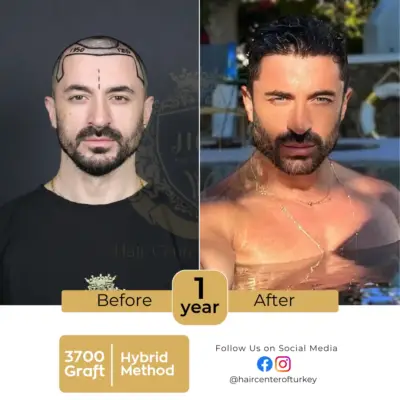
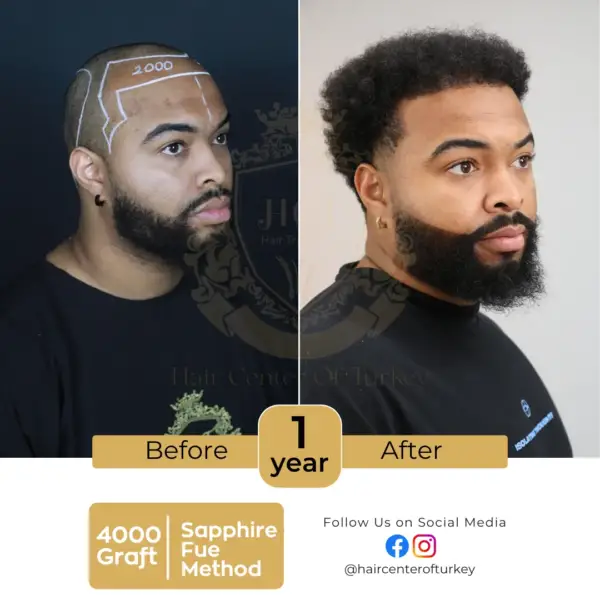
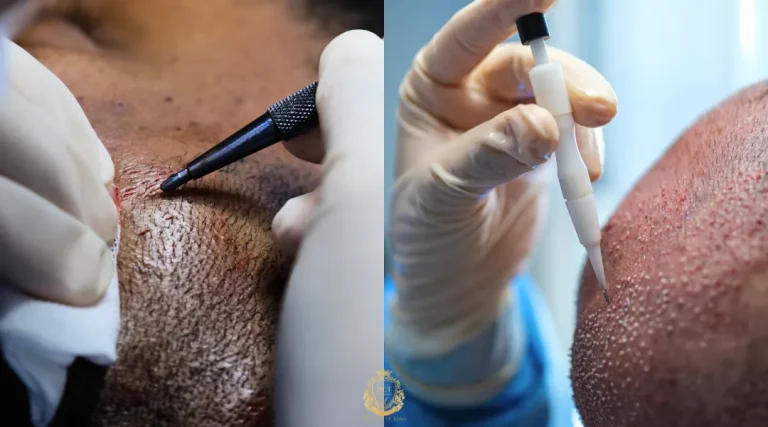
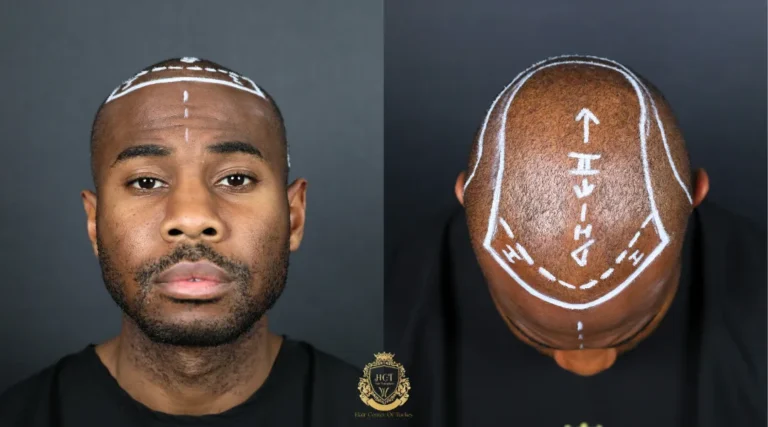
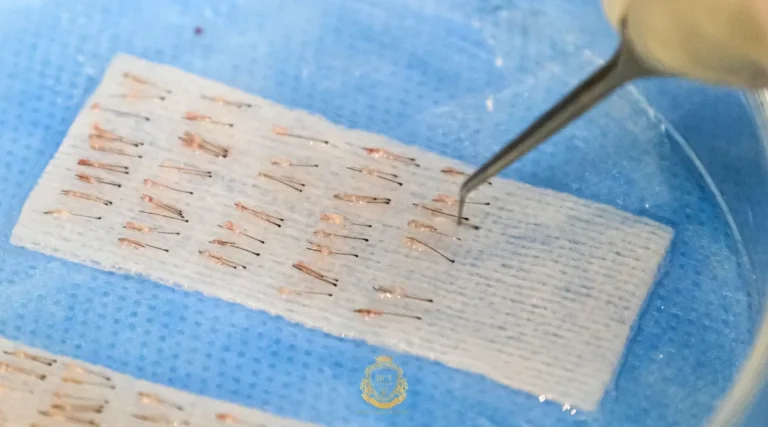
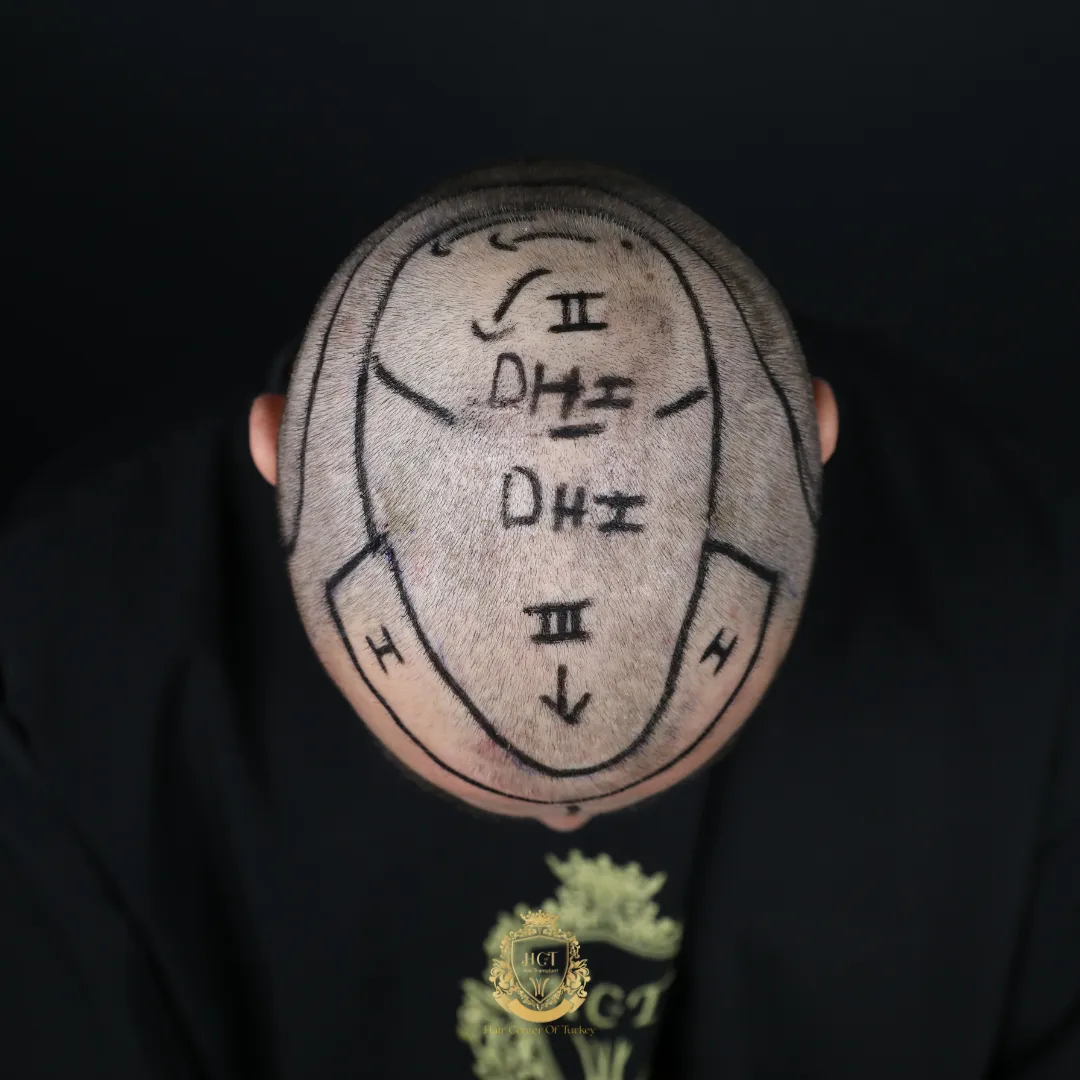
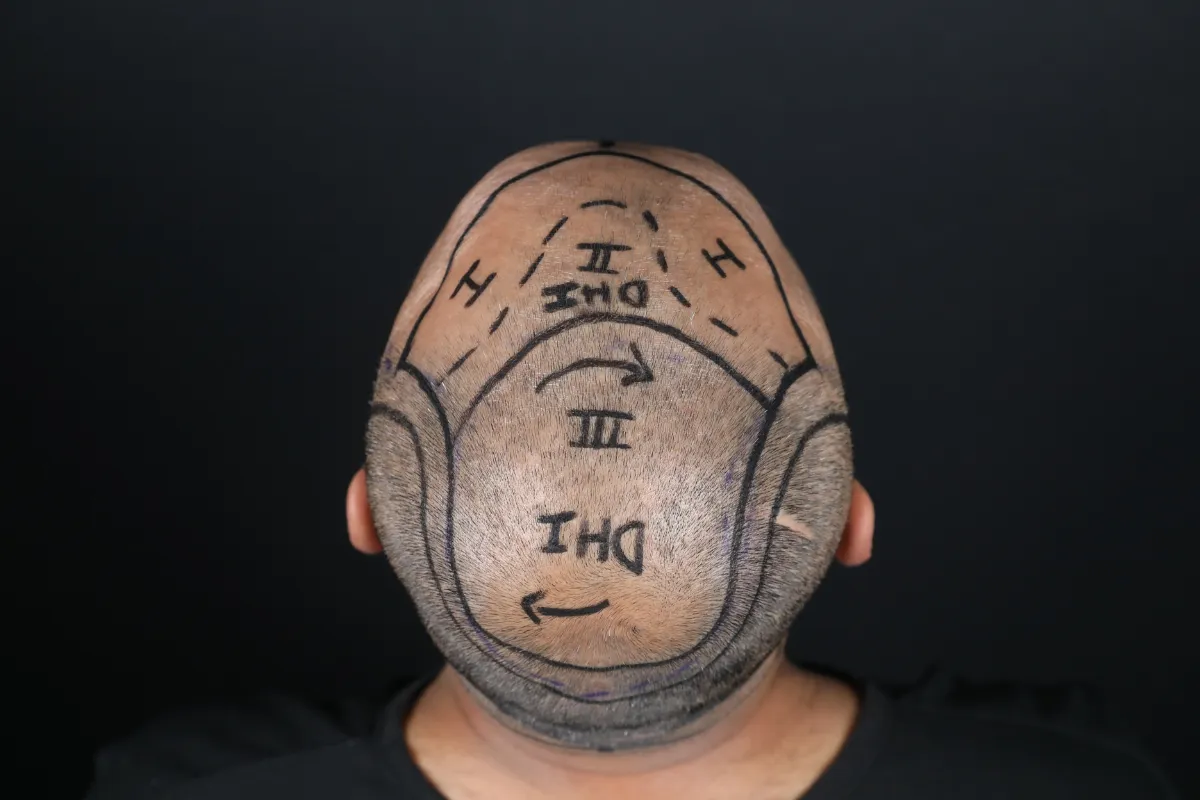
Techniques such as FUE (Follicular Unit Extraction) and DHI (Direct Hair Implantation) can rebuild density in the crown by moving healthy follicles from the donor area. Natural results depend on donor strength, the size of the thinning zone, and a plan that accounts for future loss.

PRP Therapy
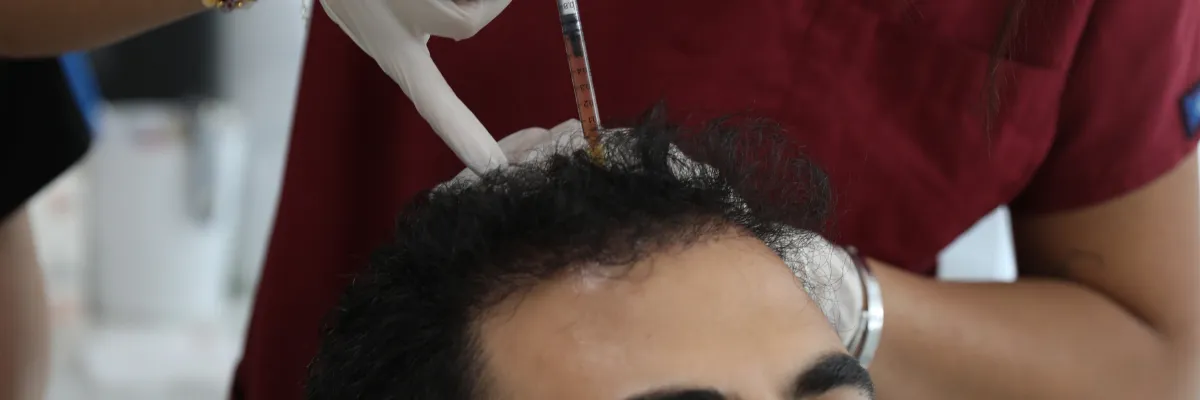
Platelet-rich plasma (PRP) involves injecting concentrated platelets into targeted areas of the scalp to support follicle activity. It’s often used as a supportive treatment alongside medication or after a transplant.
Low-Level Laser Therapy
Low-level laser therapy (LLLT) may help some people improve hair thickness by stimulating follicles. It usually works best as part of a broader routine rather than a stand-alone fix.

How To Prevent Hair Loss At The Crown
You can’t change genetics, but you can reduce avoidable triggers and protect hair quality. These habits support scalp health and may slow the pace of thinning:
- Eat a balanced diet with enough protein, iron, zinc, and vitamin D.
- Manage stress with regular movement, better sleep, and realistic routines.
- Use gentle hair care and avoid aggressive heat or harsh chemical treatments.
- Avoid tight hairstyles that pull on the scalp (traction).
- Treat scalp conditions such as dandruff early to reduce inflammation.
FAQ
Can Early Crown Hair Loss Be Reversed?
If follicles are still active, thinning can often be improved or stabilized with consistent treatment. Early evaluation matters because long-standing miniaturized follicles respond less predictably.
How Long Do Treatments Take To Work?
Most medical treatments need at least 3 to 6 months to show visible change, with fuller results taking longer. Hair transplant growth is gradual and may take up to 12 months to mature.
Does Crown Thinning Always Lead To Full Baldness?
Not always. Some people experience isolated crown thinning for years, while others progress to more widespread loss. Starting a plan early can help preserve density and slow progression.
Explore the complete guide: Hair Loss Types and Causes