

Celebrities With Alopecia: Famous Figures Who Have Experienced Hair Loss
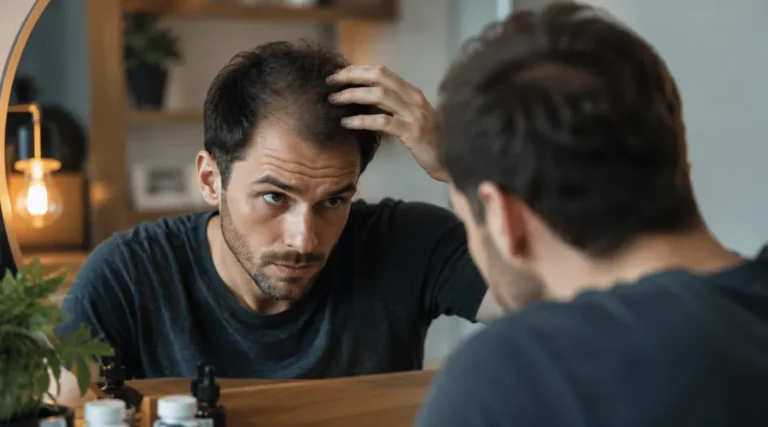
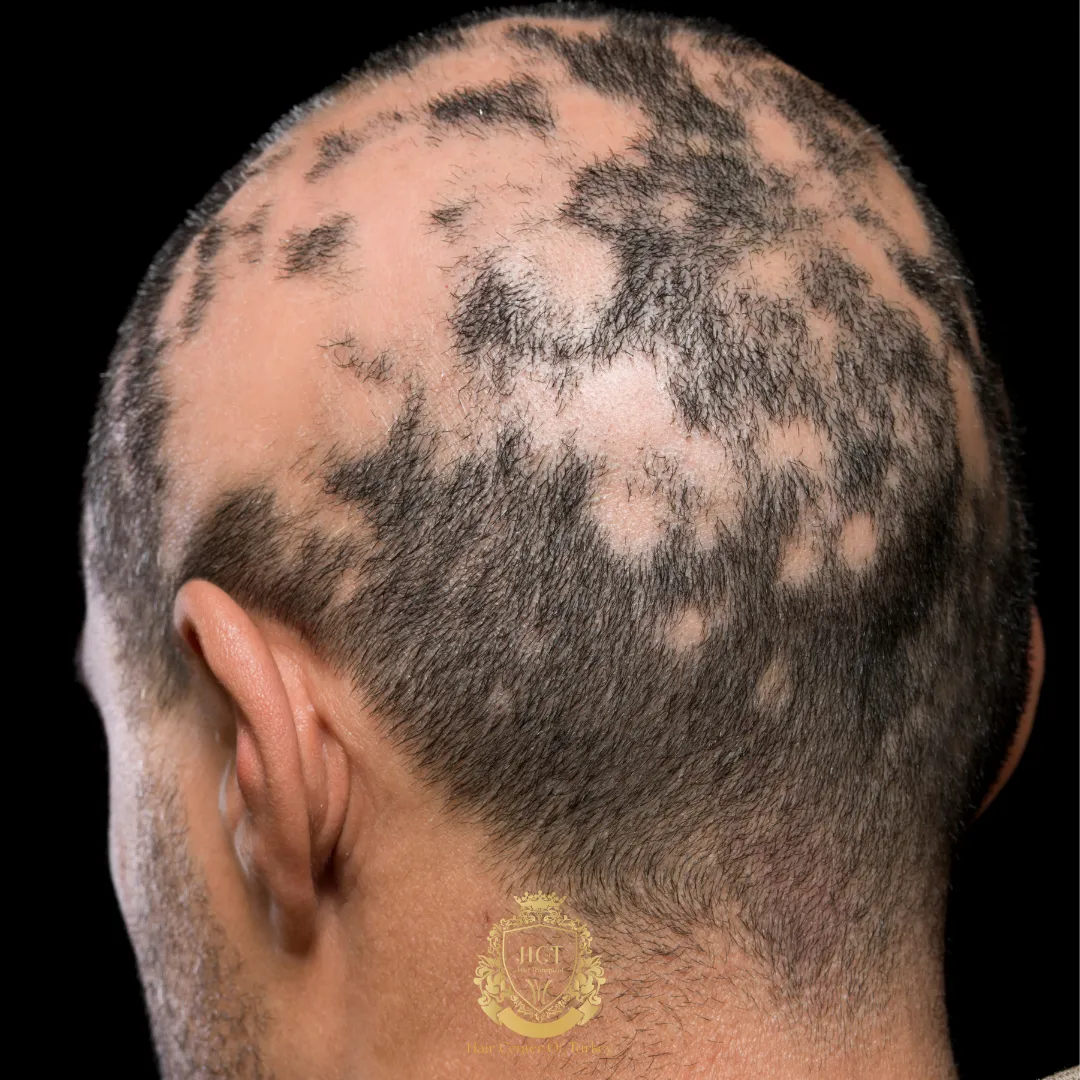
Alopecia is an umbrella term for several types of hair loss, ranging from small patchy bald spots to complete scalp or body hair loss. A number of well-known actors, comedians, and public figures have shared their experiences publicly, helping normalize hair loss and encouraging people to seek medical support, practical solutions, and self-confidence.
What Is Alopecia?
Alopecia simply means hair loss, but the causes and patterns can vary a lot. Some forms are temporary and reversible, while others are chronic and unpredictable. A dermatologist can usually identify the type based on pattern, history, and (when needed) tests.
Common Types of Alopecia
- Alopecia areata: An autoimmune condition that often causes sudden, patchy hair loss on the scalp, beard, eyebrows, or eyelashes.
- Alopecia totalis / universalis: More extensive forms of alopecia areata that can lead to complete scalp hair loss (totalis) or complete body hair loss (universalis).
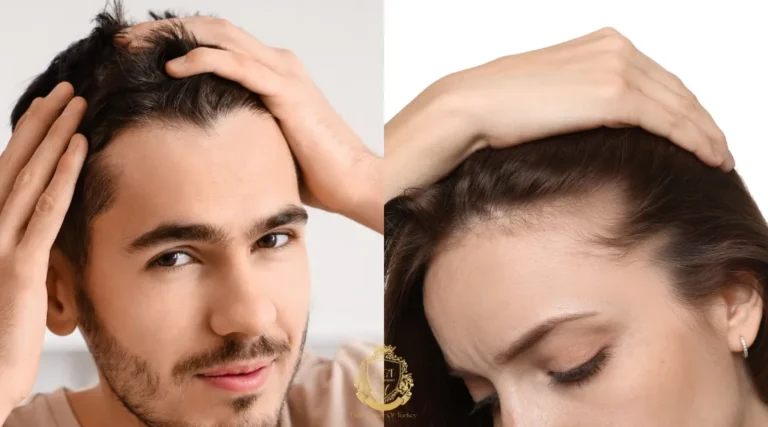
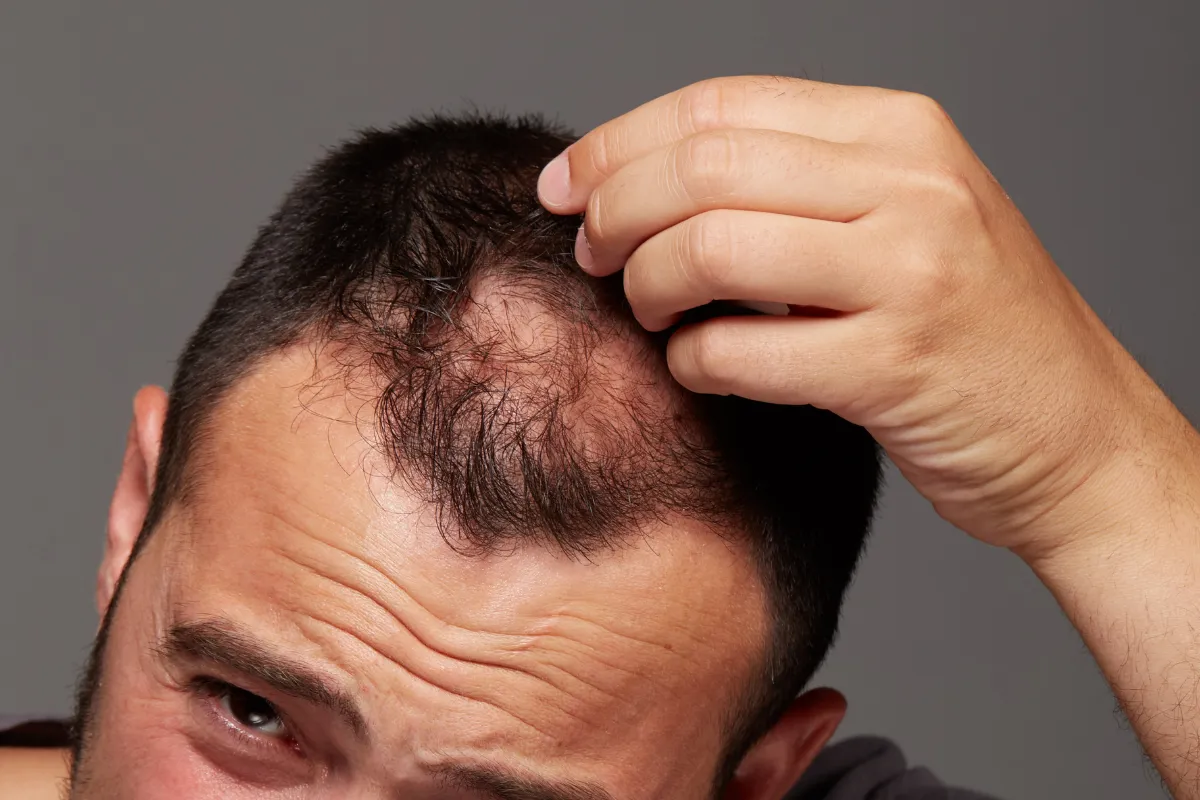
- Androgenetic alopecia: Also called male or female pattern hair loss, usually progressive and influenced by genetics and hormones.
- Traction alopecia: Hair loss caused by repeated tension from tight hairstyles, extensions, or certain styling practices.
Famous Celebrities With Alopecia
Public figures talk about hair loss in different ways. Some share a diagnosis, others discuss triggers or the emotional impact, and many choose to wear wigs or change hairstyles. What matters most is that these stories make hair loss feel less isolating.
Jada Pinkett Smith
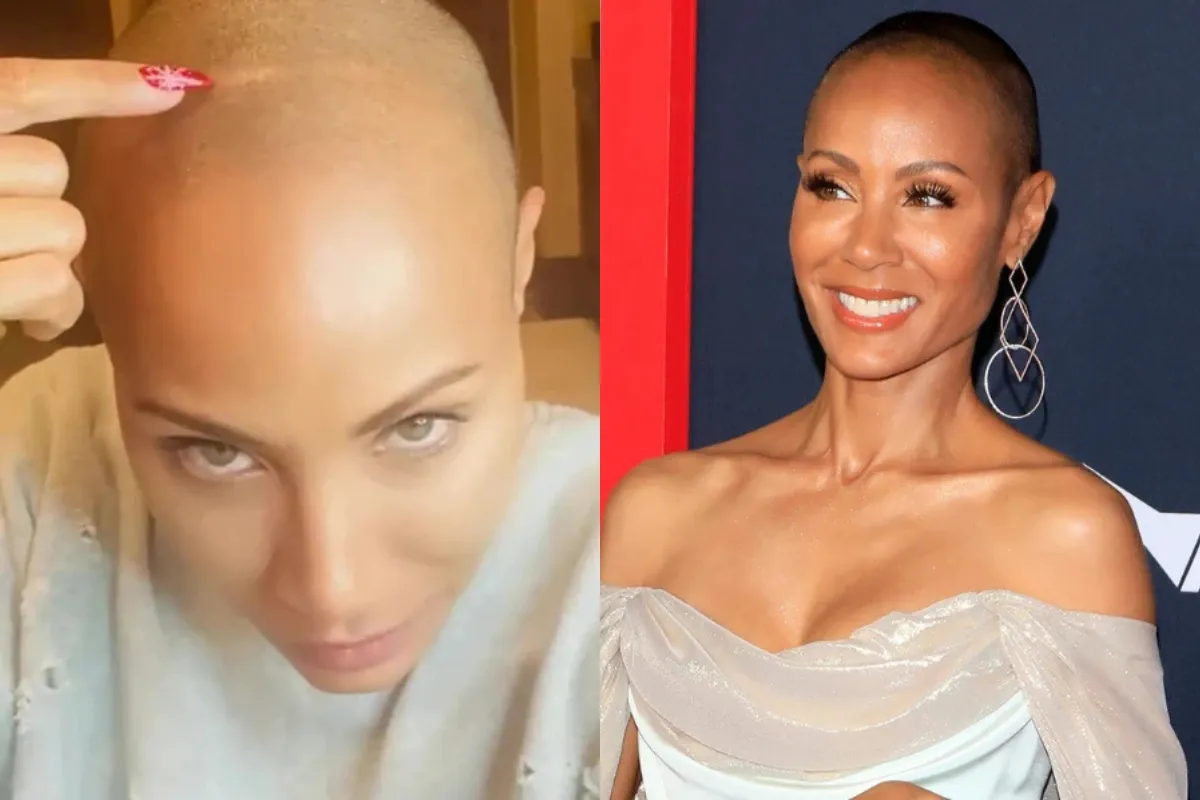
Jada Pinkett Smith has spoken openly about living with alopecia areata and the emotional side of visible hair loss. Over time, she has also shared her decision to keep her hair very short or shaved, choosing comfort and confidence over constant coverage. Her openness has helped bring more everyday awareness to alopecia and how it can affect self-image.
Viola Davis
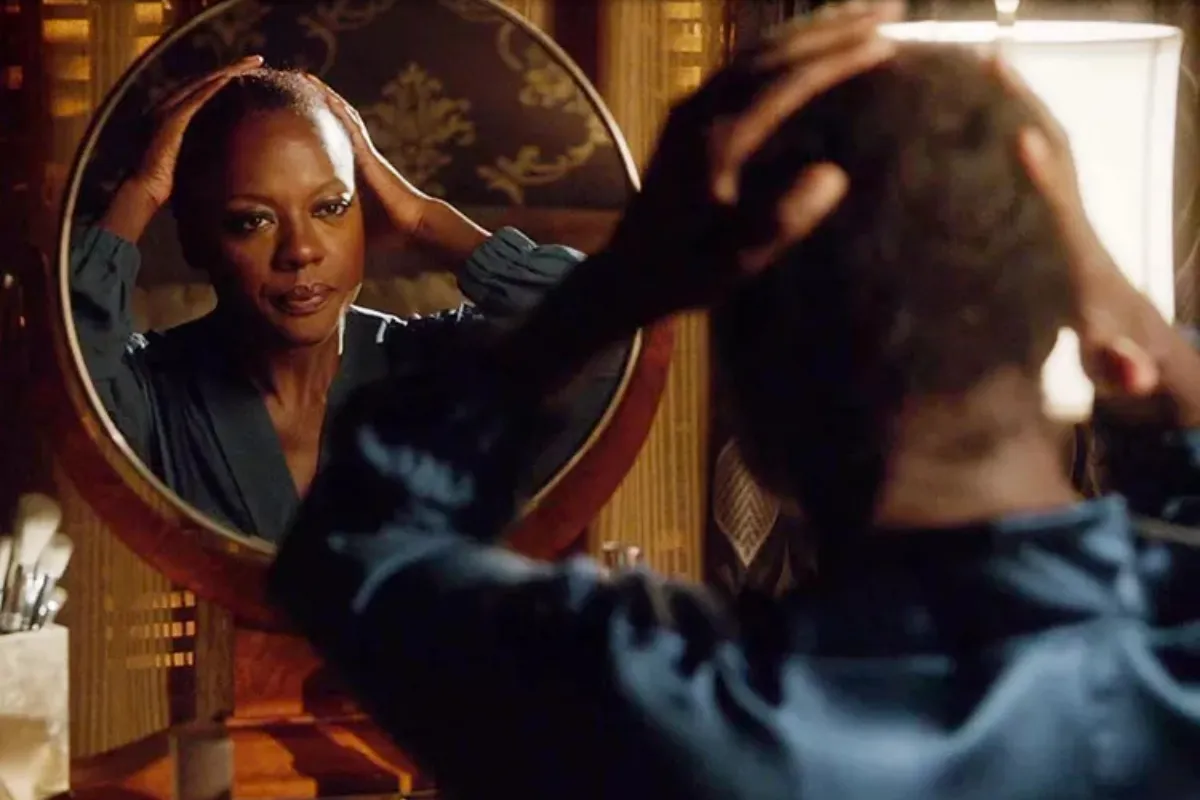
Viola Davis has discussed experiencing hair loss in her late 20s and how it affected her confidence. In different interviews, she has described relying on wigs and extensions for years and later finding strength in showing her natural hair and texture more openly. Her story is often referenced in conversations about both alopecia and the pressure many women feel to “hide” hair changes.
Tyra Banks
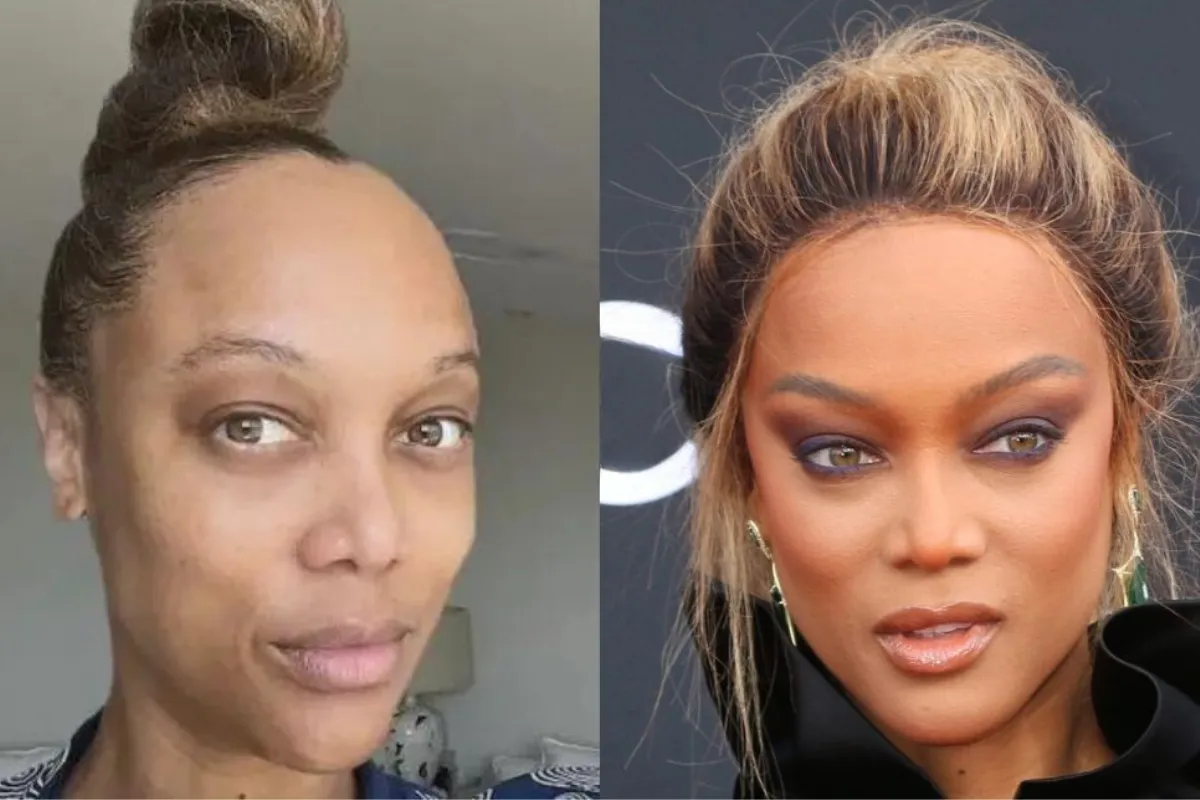
Tyra Banks has linked her hair loss to intense stress during an especially demanding period of work. She has described experiencing “a little alopecia from the stress,” highlighting something many people don’t realize until it happens: stress can worsen shedding or contribute to certain hair-loss patterns for some individuals. If stress is a factor, it’s still worth checking for medical causes so treatment isn’t delayed.
Matt Lucas
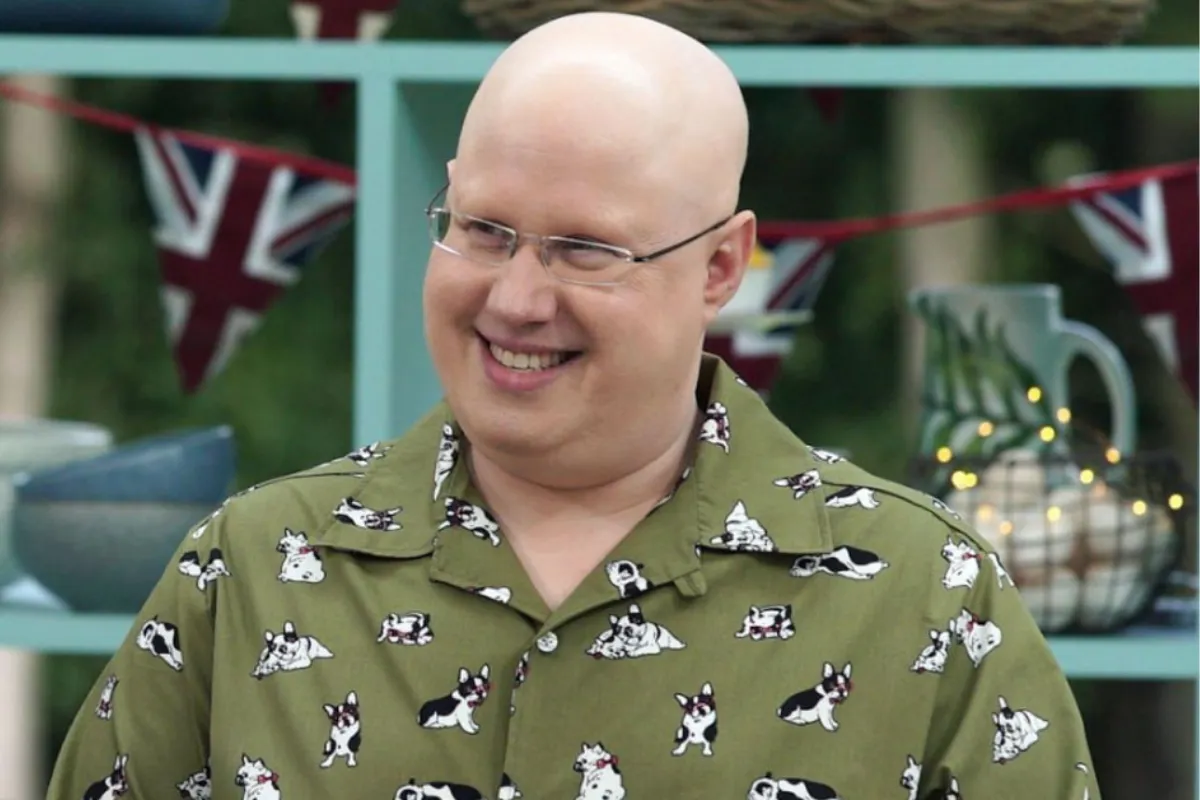
Matt Lucas has talked about losing his hair as a child and living with a severe form of alopecia that left him without scalp hair. He’s often treated his appearance as a normal part of his public identity, and he’s spoken about how hair loss shaped his early life and how people perceived him. His visibility matters because male alopecia stories are often discussed less openly, especially outside of pattern baldness.
Anthony Carrigan
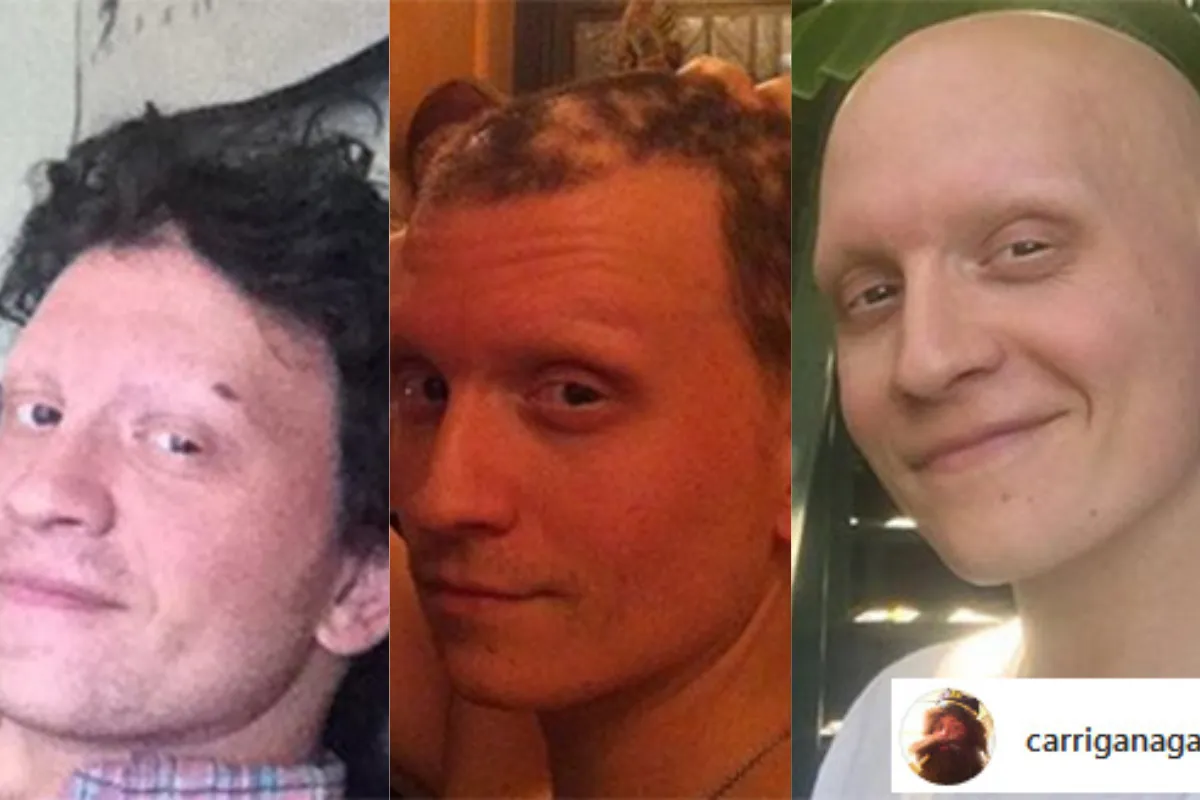
Anthony Carrigan (known for roles in Barry and Gotham) has spoken about being diagnosed with alopecia in childhood and how hair loss affected his confidence and career early on. He has also described a shift that many people recognize: once he stopped trying to “conceal” it, he began getting roles that valued his presence rather than judging his appearance. His story is frequently cited as an example of self-acceptance helping unlock opportunities.
How Do Celebrities Cope With Alopecia?
There’s no single solution that works for everyone because alopecia isn’t one condition. The best approach depends on the type of hair loss, how fast it developed, and whether it’s stable or still progressing. A dermatologist is usually the right starting point, especially for sudden patchy loss.
Cosmetic and Confidence Strategies
- Wigs, toppers, and hairpieces: Options range from subtle density changes to full coverage, and many people use them by choice, not “necessity.”
- Scalp styling and shaving: Some prefer a shaved look or very short styles because it reduces daily stress and makes shedding less noticeable.
- Eyebrow and lash solutions: Cosmetic brow options, lash alternatives, and specialist techniques can help when facial hair is affected.
- Support and community: Speaking to a professional, joining a support group, or connecting with others who share the experience can reduce anxiety and isolation.
Alopecia Treatment and Hair Transplant Options at Hair Center of Turkey
Medical and Clinical Options
- Topical minoxidil: Commonly used for some types of hair loss and sometimes recommended as part of a broader plan.
- Corticosteroids: Often used in cases of alopecia areata to reduce inflammation and support regrowth in some people.
- Addressing traction triggers: Reducing tension from tight hairstyles can be crucial if traction alopecia is suspected.
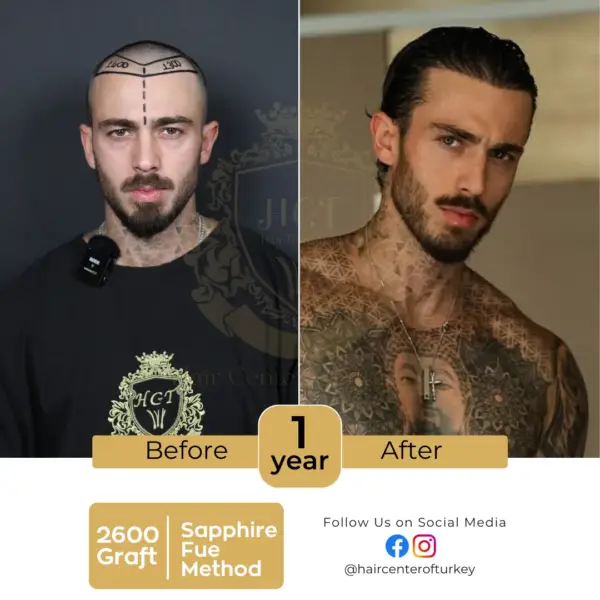
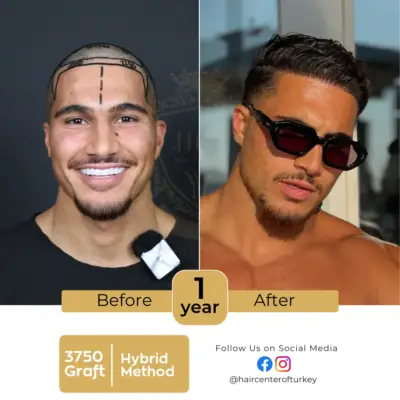
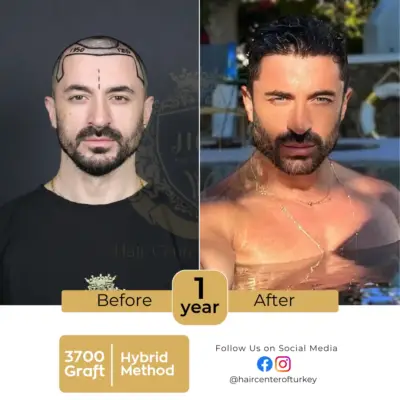
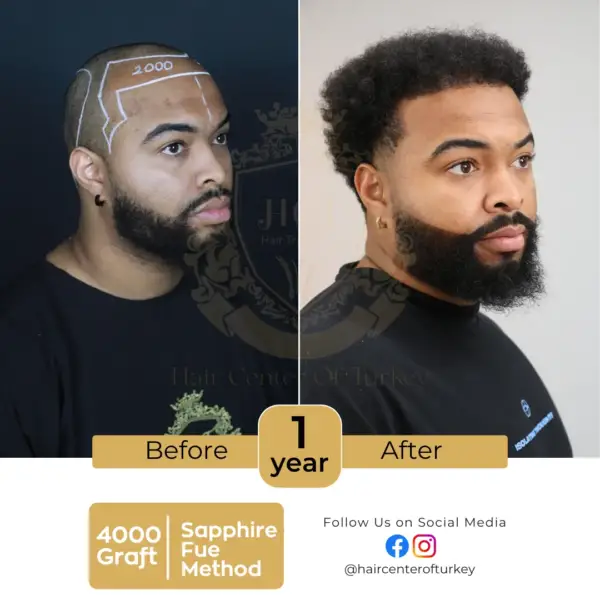
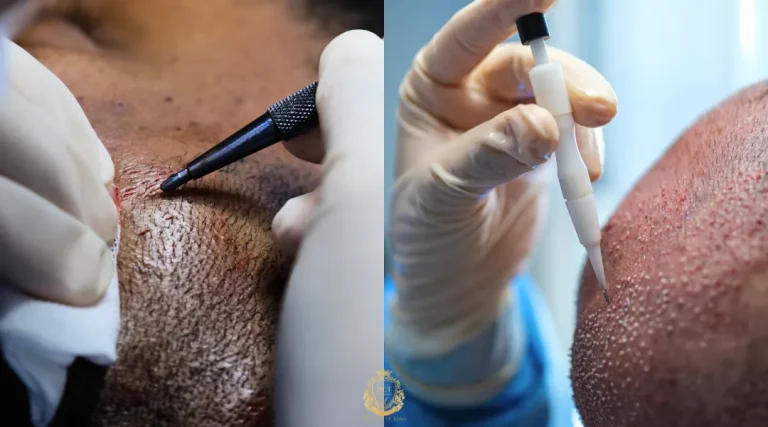
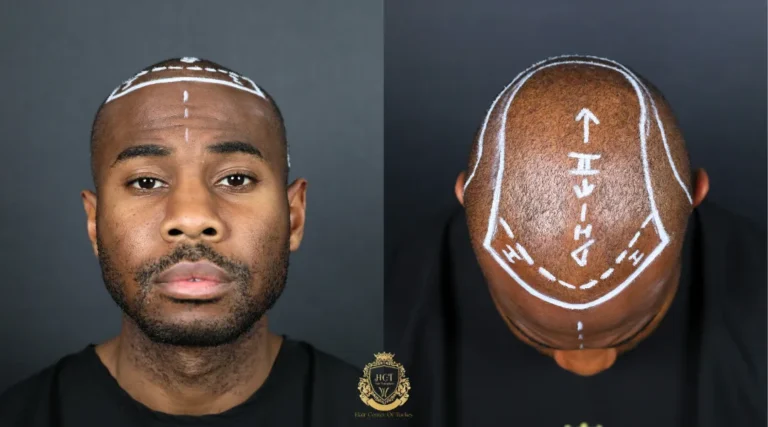
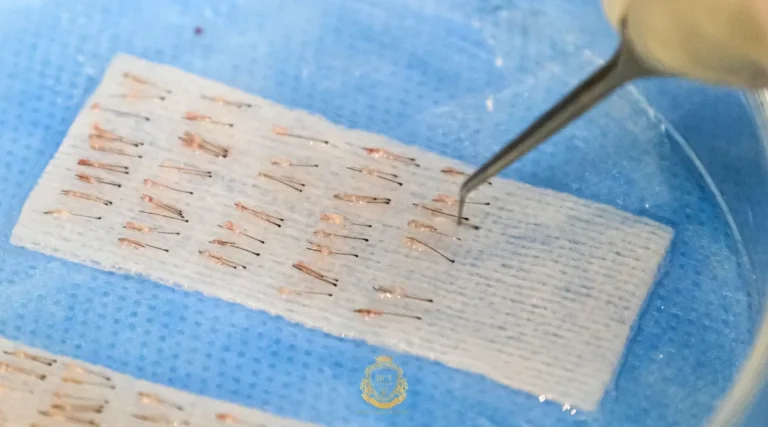
- Hair transplantation: Typically considered for pattern hair loss and sometimes for traction-related loss when the condition is stable and follicles are viable. It’s not a standard solution for active alopecia areata because the autoimmune process can be unpredictable.
FAQs
Can stress cause alopecia?
Stress can contribute to certain types of hair loss and can worsen shedding in some people. It may also overlap with other triggers like illness, hormonal shifts, or nutritional factors. If you notice sudden or patchy hair loss, it’s worth checking in with a dermatologist rather than assuming it’s “only stress.”
Is alopecia always permanent?
No. Some people experience regrowth, especially with certain forms of alopecia areata or when the trigger is identified and addressed. Other people may have chronic or recurring cycles, and some forms can be long-term. A medical evaluation can help clarify what’s most likely in your situation.
Which celebrities have alopecia?
Several public figures have spoken about alopecia or hair loss, including Jada Pinkett Smith, Viola Davis, Tyra Banks, Matt Lucas, and Anthony Carrigan. Each story is different because “alopecia” can refer to multiple conditions and causes.
Explore the complete guide: Celebrity Hair Transplants – Public Figures and Other