

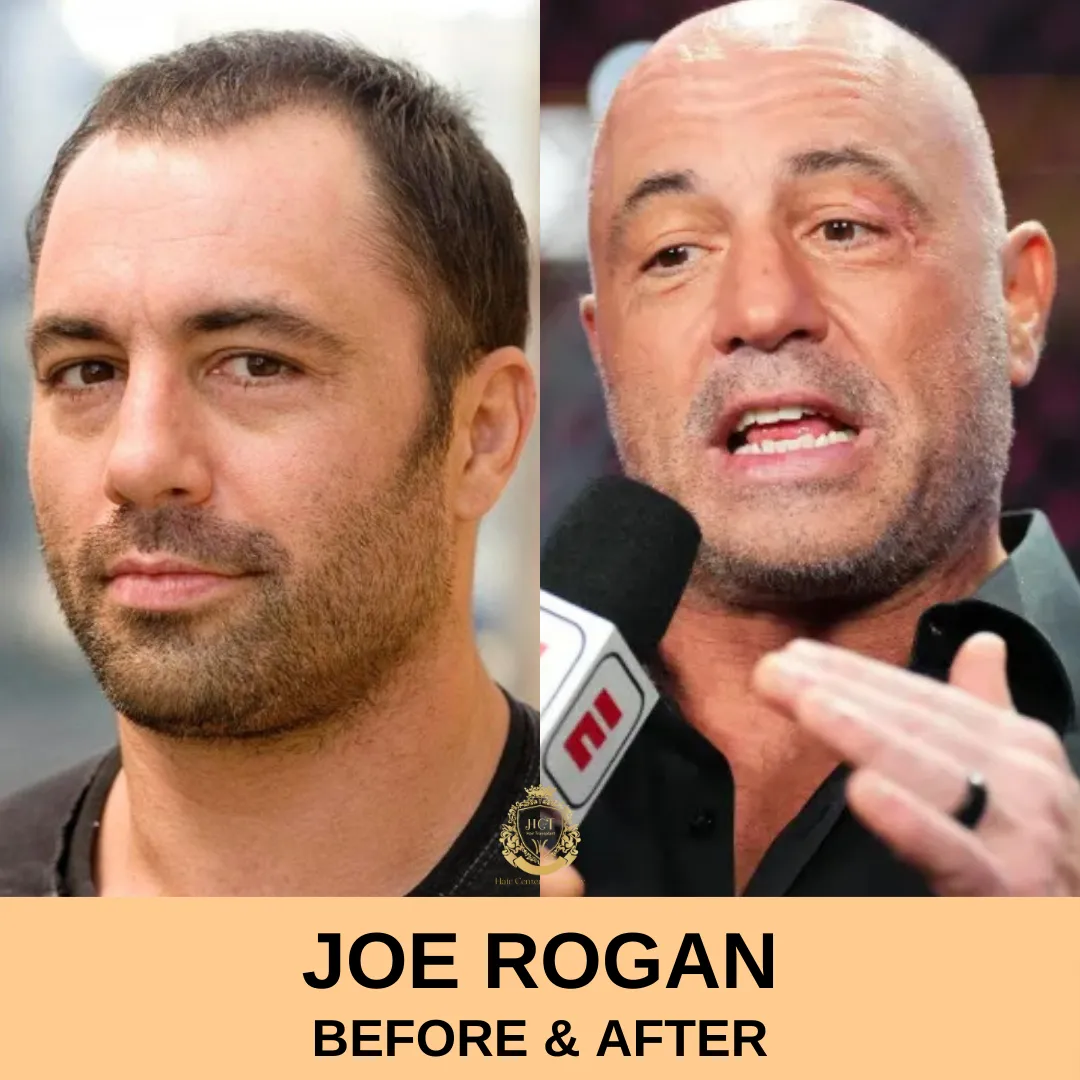
Joe Rogan Hair Transplant
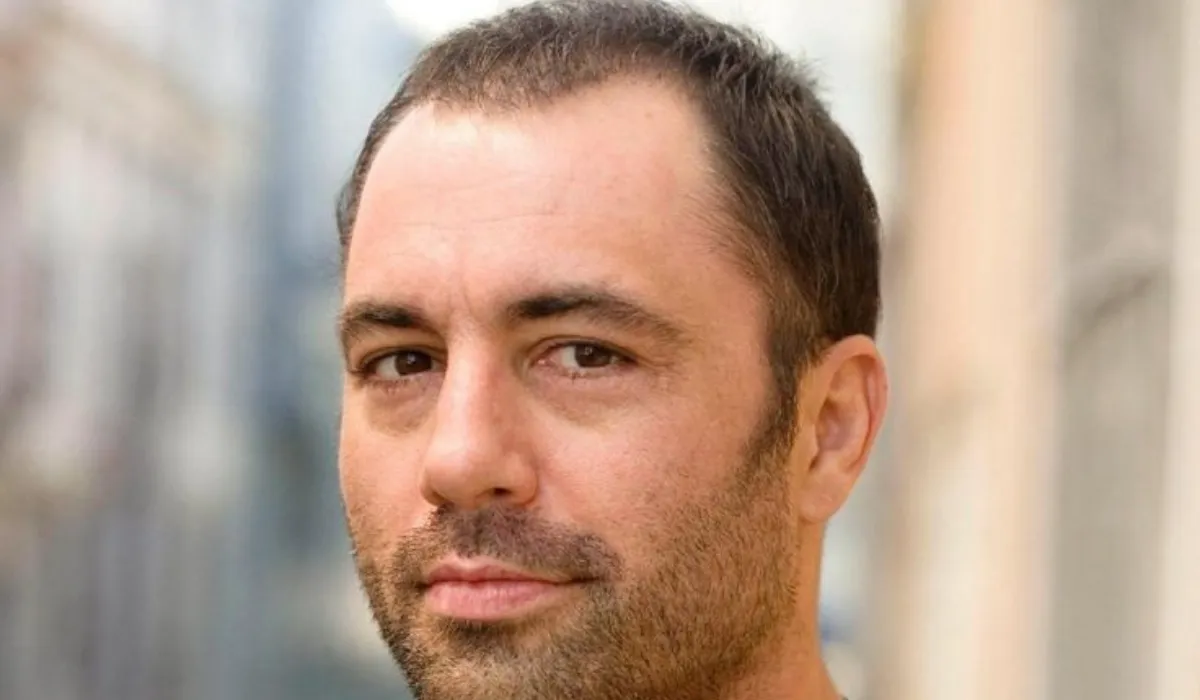
Joe Rogan has said he got a hair transplant when he was younger and later regretted it, mainly because it left a noticeable scar and didn’t stop his long‑term hair loss. His story is a useful reminder that results depend on technique, hair-loss progression, and realistic expectations—not just the procedure itself.
Table of Contents
Who Is Joe Rogan?
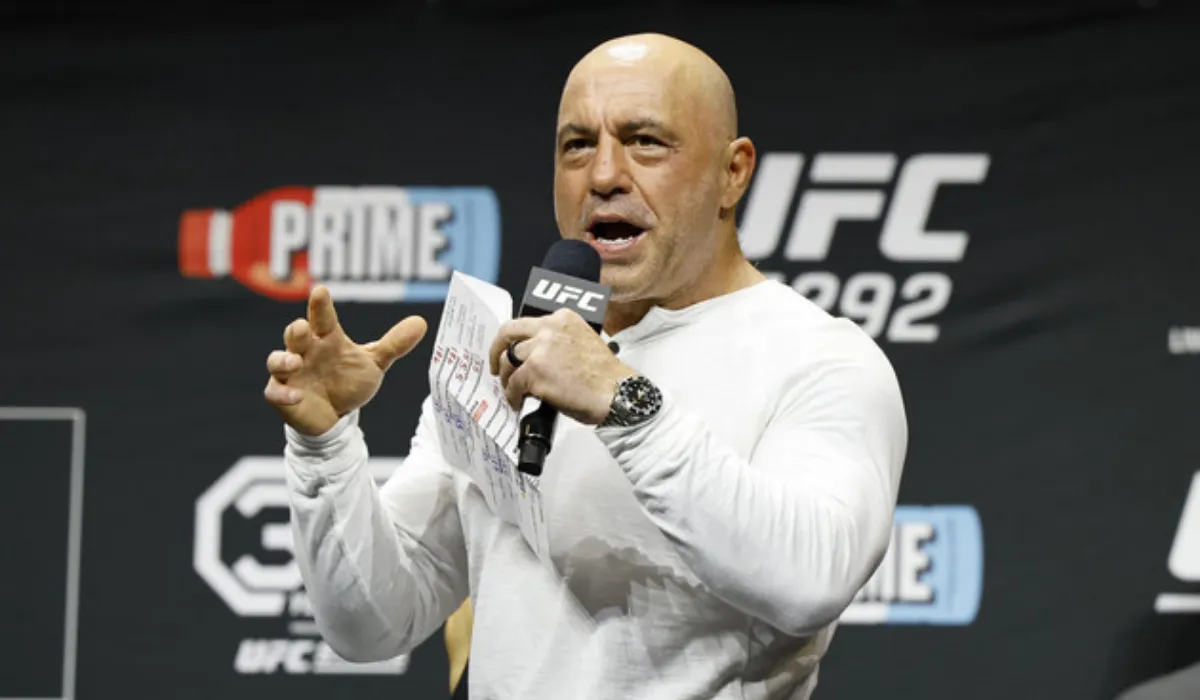
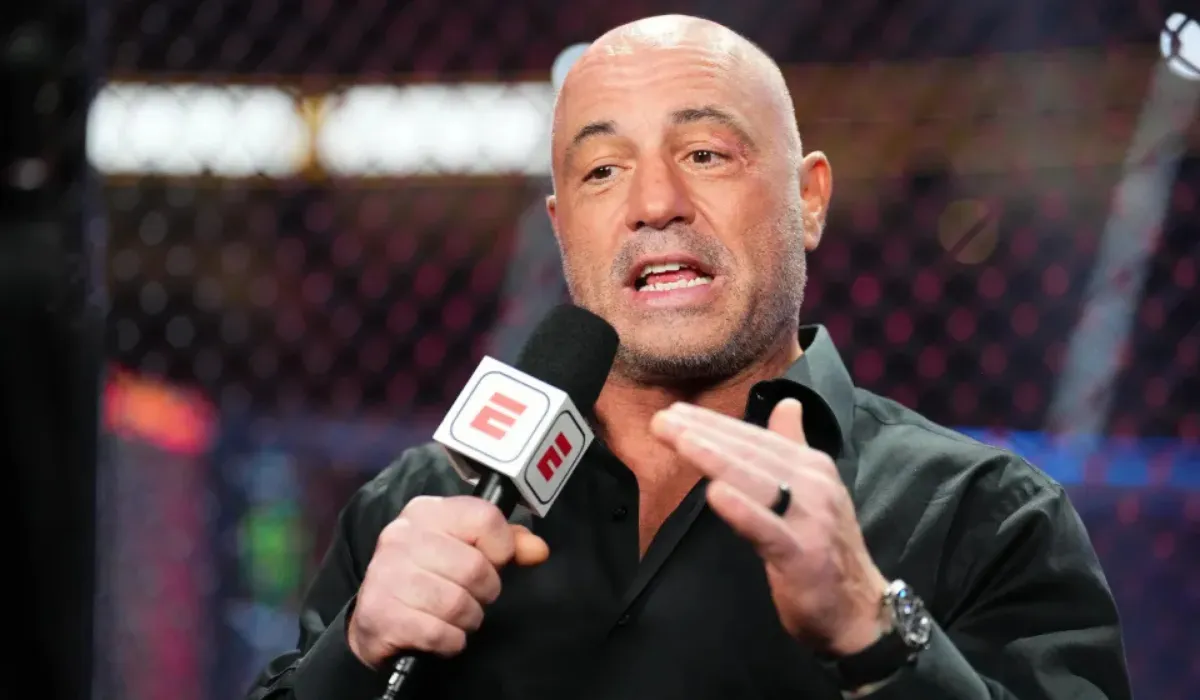
Joe Rogan is best known as the host of The Joe Rogan Experience podcast and as a long-time UFC commentator. He’s also worked as a stand-up comedian and television host. Because he’s been in the public eye for decades, changes in his appearance—hair included—tend to draw attention.
Did Joe Rogan Get A Hair Transplant?
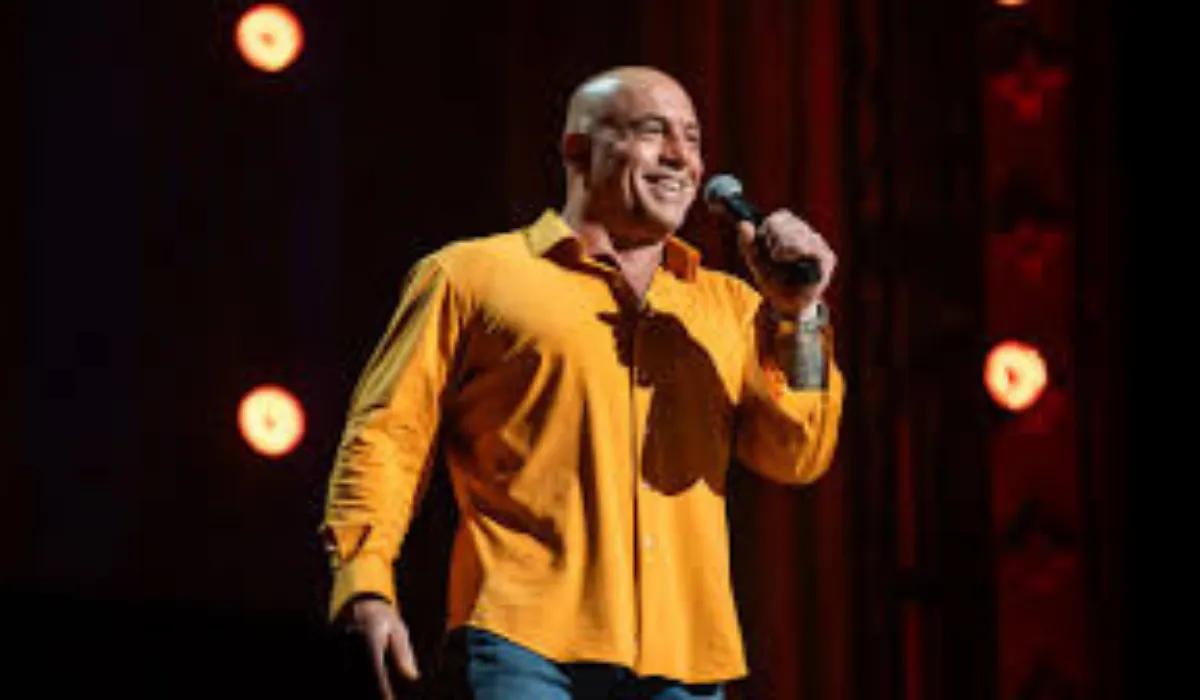
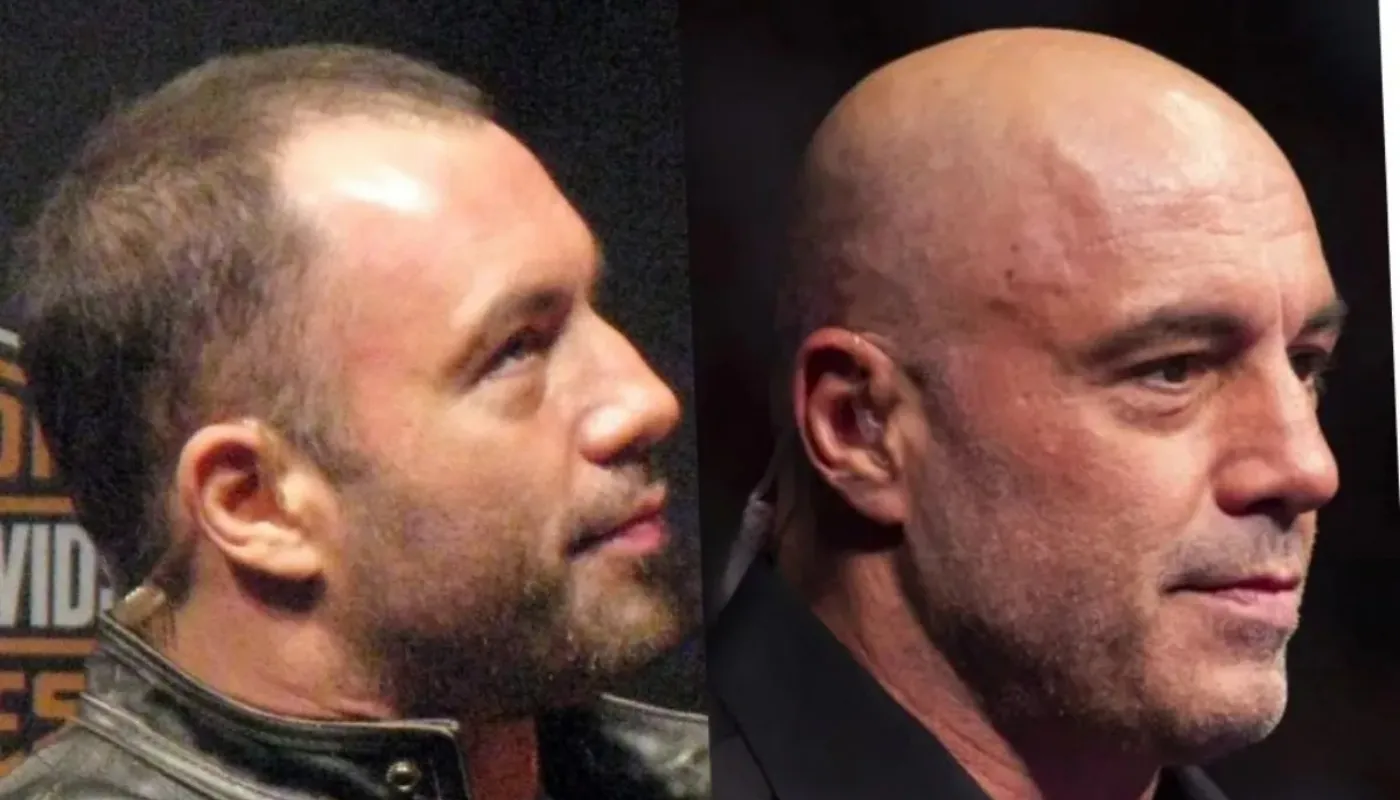
Yes—Rogan has publicly described getting a hair transplant when he was in his late 20s. He has also joked about the donor-area scar, saying it “looks like a smile,” and has framed the decision as something he wouldn’t repeat. Over time, he chose to shave his head and lean into a bald look rather than chase additional coverage.
What Kind Of Hair Transplant Was He Likely Talking About?
Based on the type of scar he mentions, Rogan’s procedure is commonly associated with FUT (Follicular Unit Transplantation), also called “strip surgery.” FUT removes a thin strip of scalp from the back of the head to harvest follicles, which can leave a linear scar. Modern FUE (Follicular Unit Extraction) typically leaves smaller dot-like scars, but it still requires careful planning and can be over-harvested if done poorly.
Why Hair Transplant Results Don’t Always Match Expectations
Hair Loss Keeps Progressing
A transplant moves hair, but it doesn’t cure male pattern baldness. If hair loss continues behind or around the transplanted area, the overall look can thin out again. That’s why many surgeons build a long-term plan instead of treating only the current hairline.
Hair Quality Matters
Hair calibre, density, curl pattern, and contrast between hair and scalp can dramatically affect the cosmetic result. Two people can receive a similar number of grafts and end up with very different-looking coverage. If someone has naturally fine or low-density donor hair, expectations need to be set early.
Technique And Aftercare Play A Role
Surgical skill, graft handling, and placement angles influence how natural a transplant looks. Aftercare also matters, especially in the first couple of weeks when grafts are fragile. Even with good work, outcomes vary—and some people simply prefer the simplicity of shaving their head.
What To Learn From Joe Rogan’s Experience
If you’re considering a hair transplant, treat it like a long-term decision rather than a quick cosmetic fix. Choose a qualified surgeon who shows you realistic outcomes for your hair type and pattern of loss. Ask about scarring, donor management, and what your plan looks like if your hair loss progresses over the next 5–10 years.
Considering A Hair Transplant In Turkey
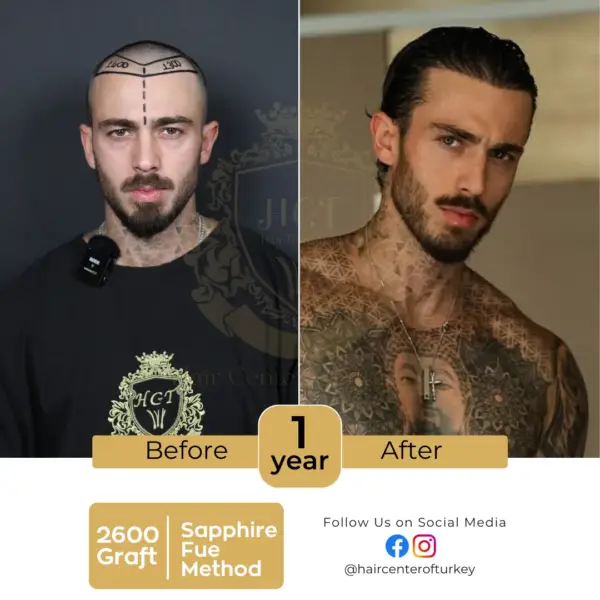
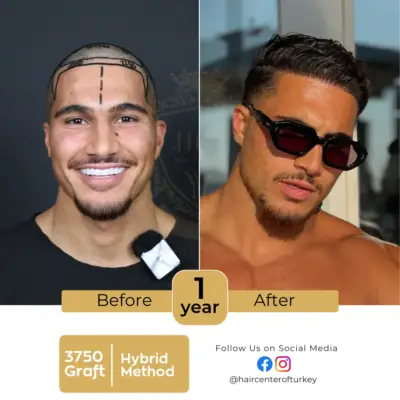
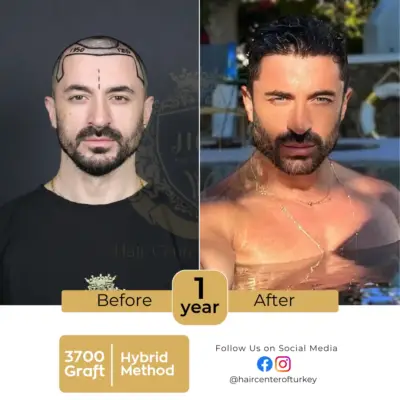
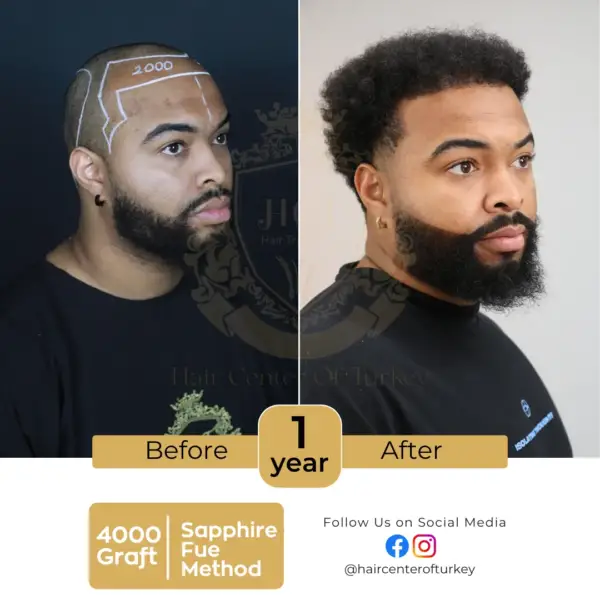
Turkey is a popular destination for hair restoration because many clinics perform high volumes of procedures and pricing can be competitive. The trade-off is that quality varies widely between providers, so due diligence is essential. Look for clear surgeon involvement (not just technicians), transparent graft counts, medical oversight, and a detailed aftercare plan you can follow once you’re home.
FAQ
How much did Joe Rogan’s hair transplant cost?
It hasn’t been disclosed; it’s estimated to be around $10,500–$14,000 for 1,500–2,000 grafts, with a higher total for 3 procedures.
What happened to Joe Rogan’s hair?
He had FUT/strip-style transplants in his 20s for thinning; the scar remained, and as the hair continued to fall out, he shaved his head completely.
How many times did Joe Rogan have hair transplants?
It is generally reported that he had 3 hair transplants/hair restoration procedures.
Who are the most famous celebrities who have had hair transplants?
Wayne Rooney, Ben Stokes, Jimmy Carr, Cheyenne Jackson, Calum Best, Elton John, Joe Swash, Joel McHale.
How many grafts did Joe Rogan have transplanted?
There is no official number; it is estimated that he had a total of approximately 1,500–2,000 grafts.
Explore the complete guide: Celebrity Hair Transplants – Public Figures and Other