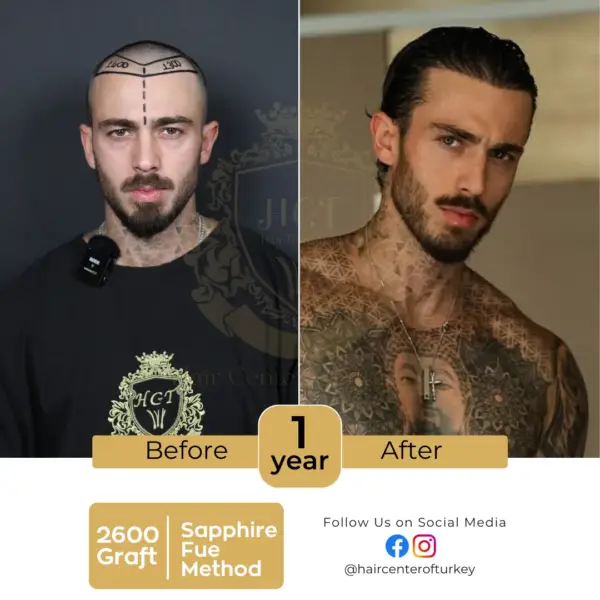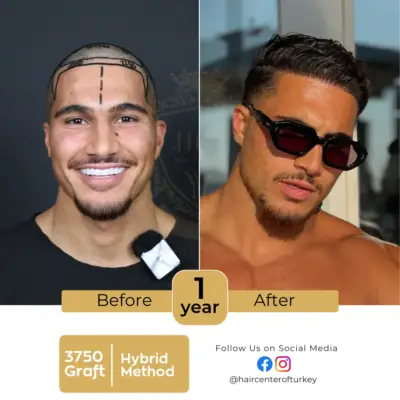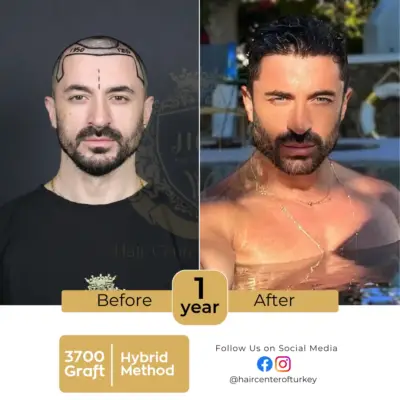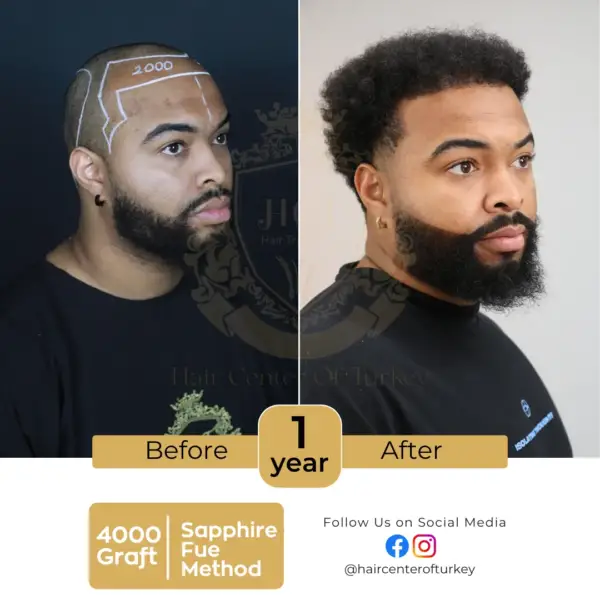


Yes. When scalp donor hair is limited, surgeons can transplant hair from areas like the beard or chest to the scalp using FUE. Body hair behaves differently than scalp hair, so it’s usually used to add density or reinforce coverage rather than rebuild an entire hairline on its own.
Table of Contents
When Body Hair Is Used For Scalp Transplants
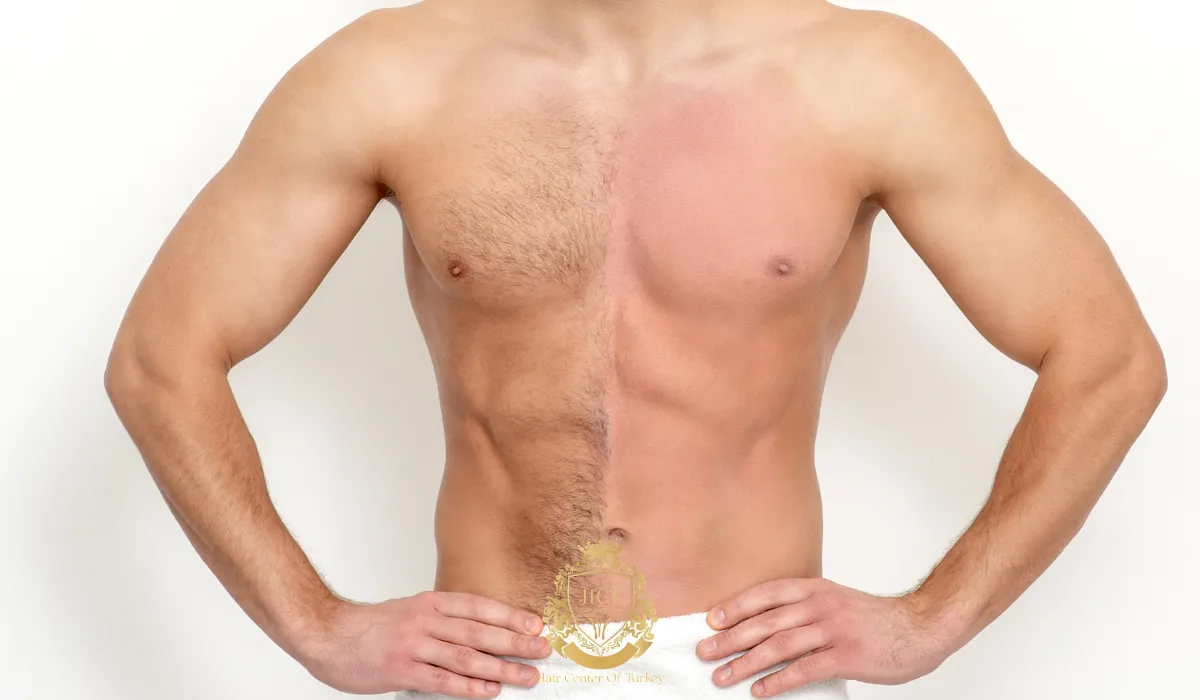
Hair transplantation normally uses follicles from the back and sides of the scalp because they are genetically more resistant to androgenetic hair loss. If those donor areas are weak, scarred, or already over-harvested, body hair can be considered as a secondary source. This approach is commonly called Body Hair Transplant (BHT) and is performed with the same extraction principles as FUE.
Different Types Of Hair On The Body
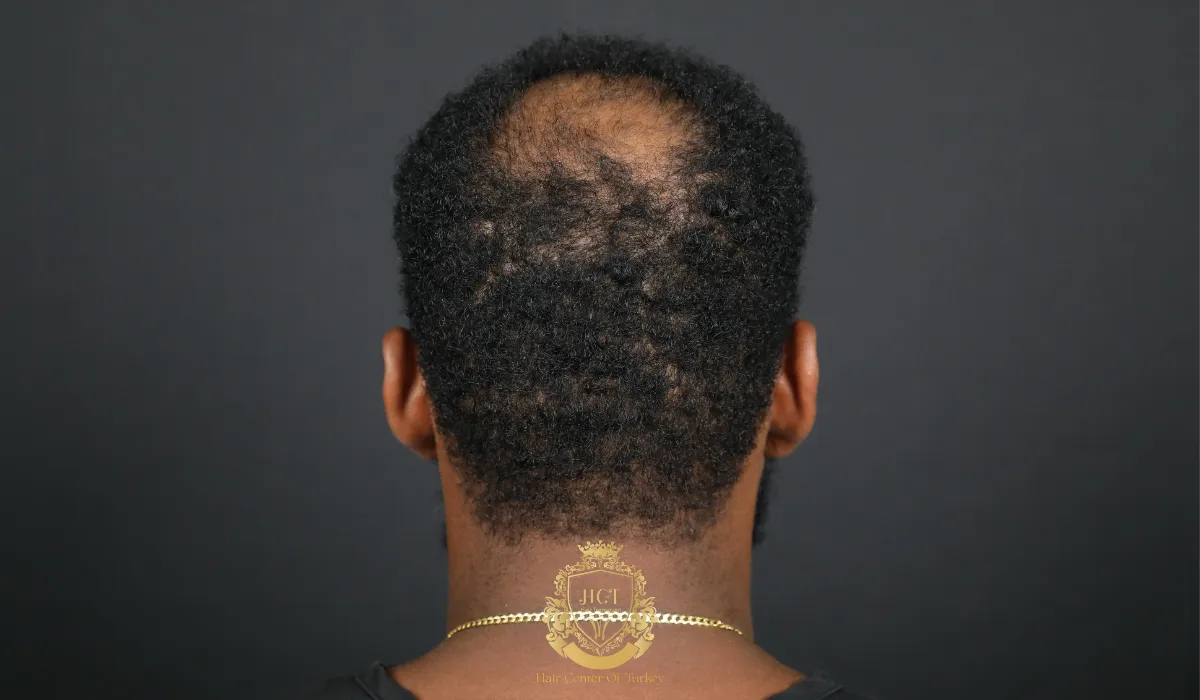
Human hair grows in different forms depending on its location and function. Scalp hair, eyebrows, and eyelashes are designed to grow longer, while most body hair stays shorter and cycles more quickly. After puberty, hormones can convert fine vellus hairs into thicker terminal hairs in areas such as the beard, chest, and abdomen.
How Body Hair Differs From Scalp Hair
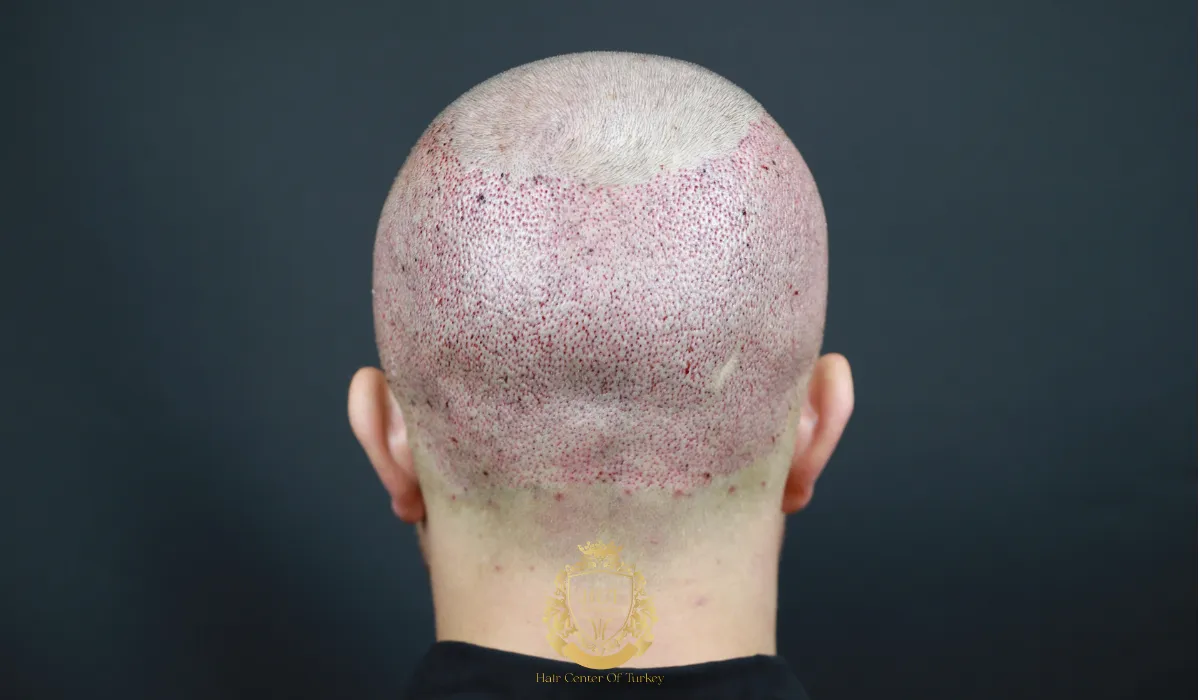
Body hair usually has a shorter growth phase (anagen) and a longer resting phase (telogen) than scalp hair. That’s why it tends to reach a shorter maximum length and can appear more wiry or curved. Once transplanted, follicles keep many of their original characteristics, so the goal is to blend them with existing scalp hair rather than expect a perfect match.
Best Donor Areas For Body Hair Transplant
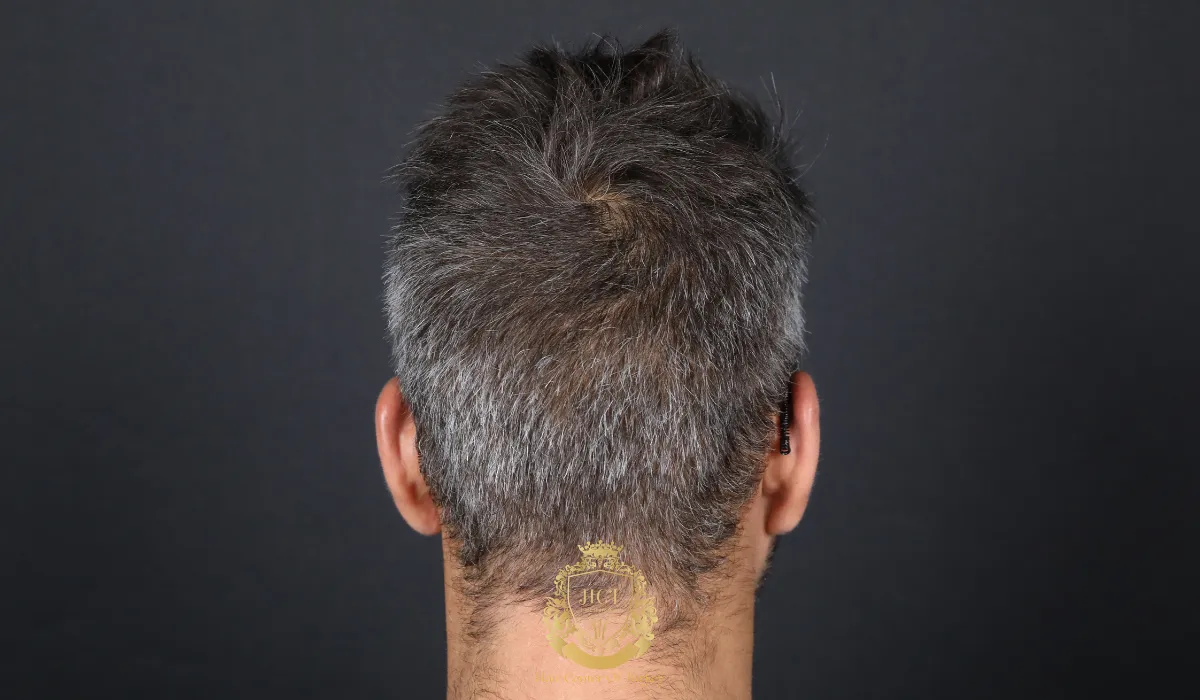
Not every body area is suitable for donation. Surgeons typically choose zones that offer thicker, more stable follicles and a reasonable match for the recipient area. Patchy growth, high extraction effort, and visible scarring risk are reasons some areas are avoided.
Beard Hair
Beard follicles are often the first choice for BHT because they are usually thick and provide strong visual density. They can work well for mid-scalp and crown reinforcement, and they are also used to improve coverage in some scar-repair cases. Because beard hair can be coarser, surgeons usually avoid placing large amounts directly in the frontal hairline unless blending is carefully planned.
Chest Hair
Chest hair can be useful when beard supply is limited or when a softer texture is preferred. It is commonly used to add coverage behind the hairline or to support the crown. Chest hair may have more variable growth direction and caliber, so meticulous placement is important for a natural look.
Abdominal Hair
Abdominal hair can be an option in selected patients, particularly when it is thick and evenly distributed. It is typically used for density work rather than hairline creation. A proper in-person assessment is essential because abdominal hair varies widely from person to person.
Arms, Legs, And Other Areas
Hair from the arms and legs is usually finer and more time-consuming to harvest, so it tends to offer a lower cosmetic return. Pubic and underarm hair can be transplanted in rare circumstances, but the curl pattern and texture often make blending challenging. Most clinics reserve these areas for very specific cases after other options have been evaluated.
Can You Do A Full Transplant Using Only Body Hair?
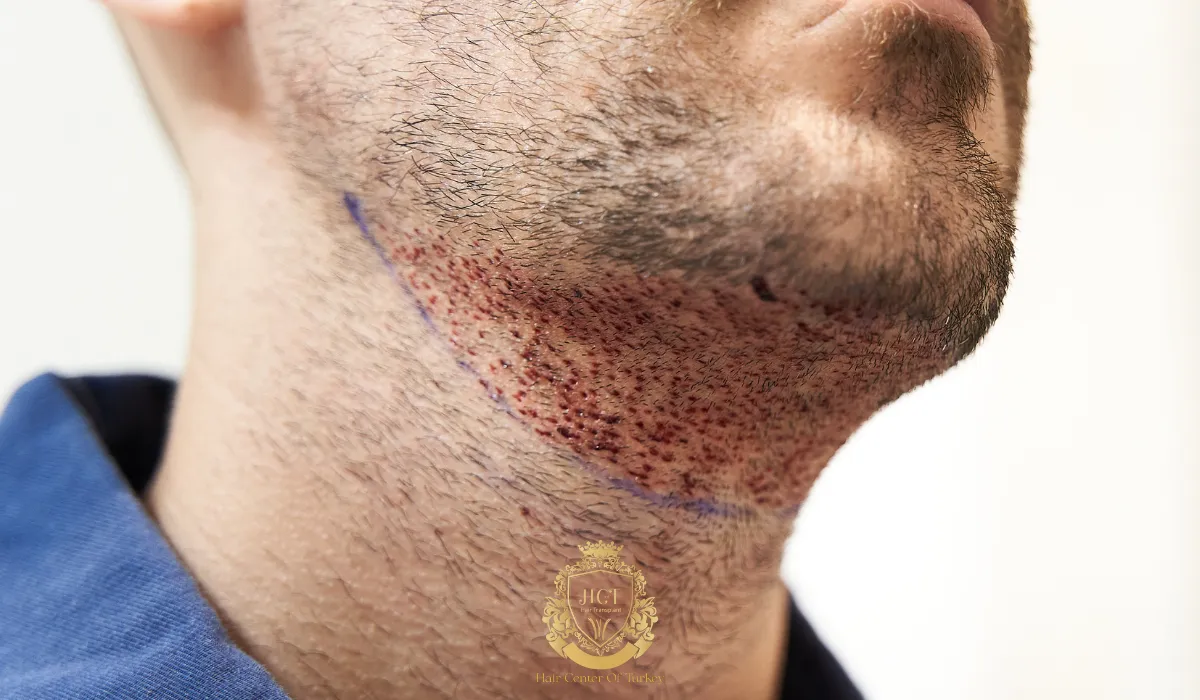
A transplant relying solely on body hair is possible in theory, but it rarely produces the same aesthetic outcome as a scalp-donor procedure. Body hair’s shorter growth length and mixed textures make it harder to design a natural, soft hairline and consistent overall coverage. In practice, BHT is most effective as a supplement—adding density, extending coverage, or supporting repair work when scalp donor supply is limited.
How The Procedure Works
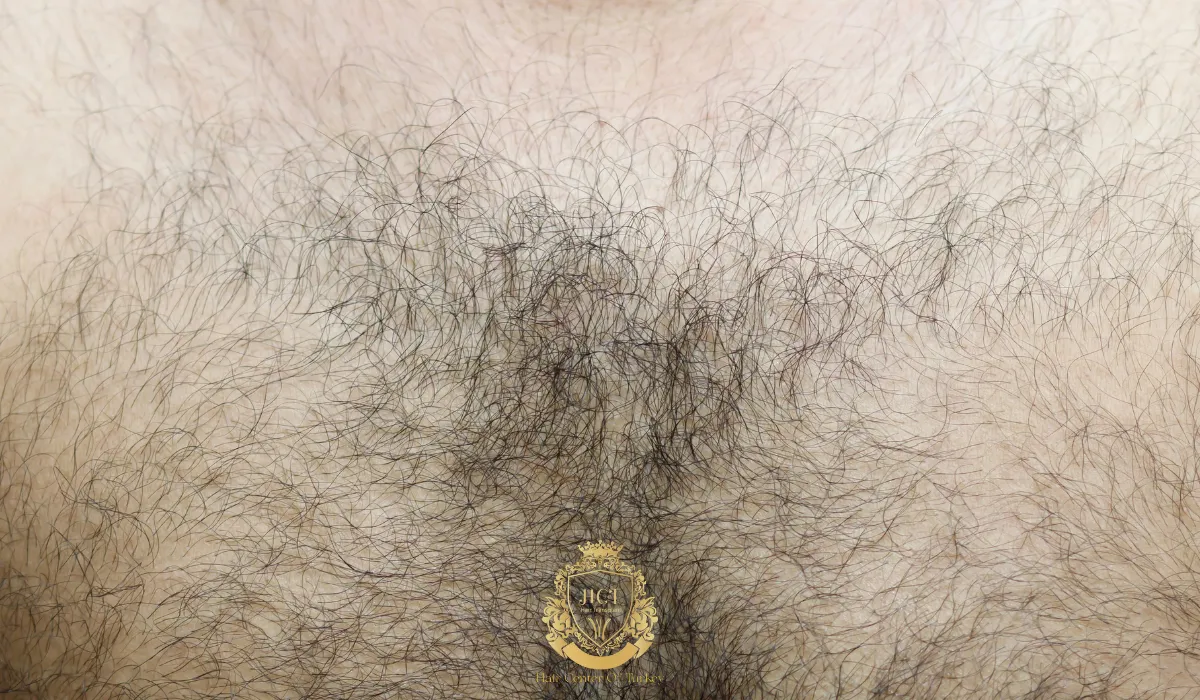
A body hair transplant is typically performed with FUE. Follicular units are extracted one by one from the chosen donor area using a small punch, then prepared under magnification. After local anesthesia, recipient sites are created on the scalp, and the grafts are implanted with attention to angle, direction, and distribution.
What Results To Expect
Growth timelines are similar to scalp FUE: shedding in the first weeks, early growth from around month three to four, and maturation over 9–12 months. Because body hair cycles differently, some patients notice slower or less uniform maturation, especially when large numbers of body grafts are used. Most people see the best cosmetic benefit when body hair is blended with existing scalp hair rather than used alone.
Who Is A Good Candidate
BHT can suit patients with limited scalp donor supply, previous transplant depletion, or scarring that needs camouflage. A good candidate has strong, healthy donor hair in at least one body area and realistic expectations about texture and length. Your surgeon should examine donor density, skin characteristics, and hair caliber before recommending a plan.
Risks And Limitations
Common risks include temporary redness, ingrown hairs, and changes in pigmentation in the donor area. Over-harvesting can create visible thinning or patchiness, especially on the beard or chest. Choosing an experienced team matters because body grafts can be more fragile and harder to extract consistently.
Choosing A Clinic
Body hair transplantation is a niche technique and outcomes depend heavily on donor selection, extraction skill, and implantation planning. If you are considering treatment abroad, clinics such as Hair Center of Turkey may offer BHT alongside standard FUE options. Ask to see comparable before-and-after cases, discuss limits openly, and make sure your plan is tailored to your donor characteristics.
FAQ
Can hair be transplanted from body to head?
Yes, body hair can be transplanted to the scalp.
What parts of the body cannot be transplanted?
The brain and entire central nervous system cannot be transplanted.
Can you transplant hair to the side of your head?
Yes, hair can be transplanted to the sides of the head.
Why do bodies reject transplants?
Immune systems recognize transplanted tissue as foreign and attack it.
Explore the complete guide: Hair Transplant Types