

Vitamins And Minerals For Hair Loss
Hair loss is rarely fixed by a single supplement. Vitamins and minerals can help when a true deficiency is present—most often iron (low ferritin), vitamin D, or zinc—but unnecessary high-dose supplements may worsen shedding. The safest approach is to confirm deficiencies with blood tests, focus on a balanced diet, and use targeted supplements only when advised.
Why Nutrition Matters For Hair Growth
Hair follicles are among the body’s most metabolically active tissues. When your body is under stress—through illness, major weight changes, restrictive diets, or low nutrient stores—hair may shift into a shedding phase (often noticed 2–3 months later).
Good nutrition supports the scalp and the hair-growth cycle, but supplements are not a shortcut. If you’re already meeting your needs through food, adding extra vitamins rarely improves growth and can sometimes backfire.

Table of Contents
Common Causes Of Hair Loss
Hair loss (alopecia) has many possible triggers. The cause matters because the right treatment differs by type.
- Genetics (androgenetic alopecia)
- Hormonal changes (postpartum, thyroid problems, menopause, polycystic ovary syndrome)
- Inflammatory or autoimmune conditions (for example, alopecia areata)
- Scalp conditions (seborrheic dermatitis, psoriasis, fungal infections)
- Medications and medical treatments (including some acne treatments, blood thinners, and chemotherapy)
- High stress, recent fever, surgery, or a significant illness
- Rapid weight loss, restrictive dieting, or low protein intake
- Vitamin and mineral deficiencies
Because hair loss can have more than one trigger at the same time, it’s worth looking at the full picture—health history, medications, diet, and pattern of shedding—rather than relying on supplements alone.

Nutrient Deficiencies Most Often Linked To Hair Shedding
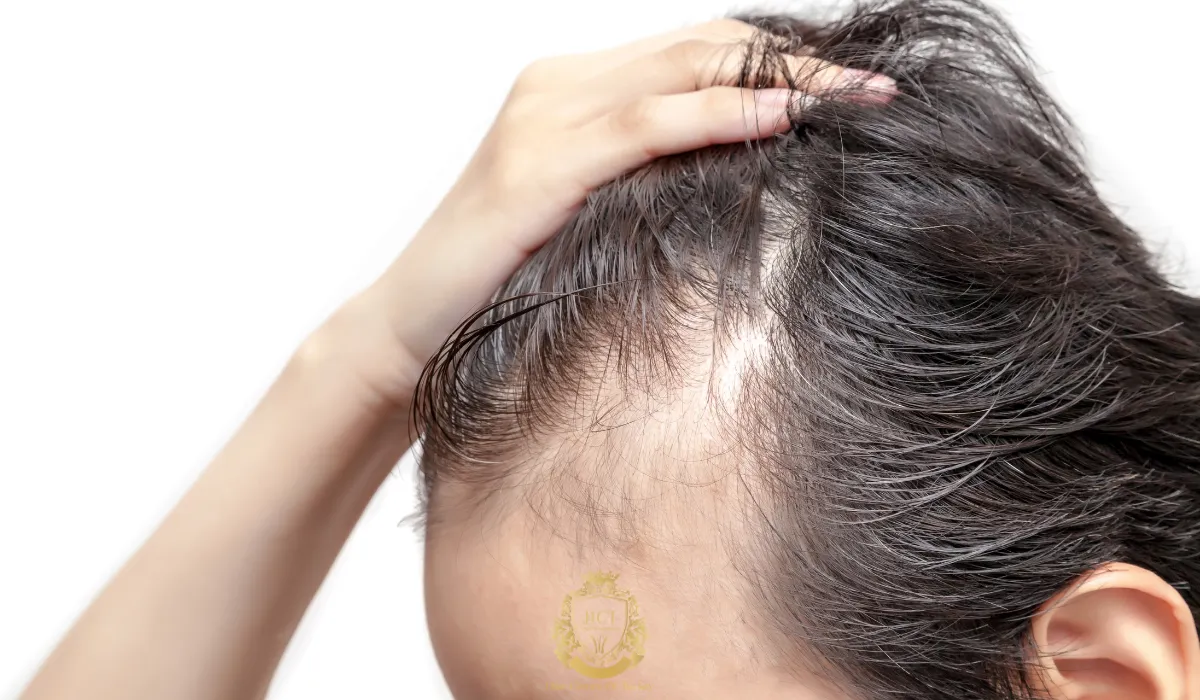
When deficiencies contribute to hair loss, shedding is usually diffuse (all-over) rather than patchy. A clinician can check for common contributors with targeted blood tests, then recommend food-first changes or short-term supplementation.
The deficiencies most often discussed in clinical practice include low iron stores (ferritin), vitamin D, and zinc. Biotin deficiency is uncommon in otherwise healthy adults, and many other nutrients have limited evidence unless a broader nutrition problem is present.
Vitamins And Minerals Often Discussed For Hair
Vitamin D
Vitamin D plays a role in the hair follicle cycle and immune regulation. If a blood test confirms low levels, supplementing to reach a normal range may support regrowth in some people.
Food sources include fatty fish, eggs, and fortified foods. Sun exposure also contributes, but needs vary widely by skin type, season, and location.
Iron (And Ferritin)
Iron helps carry oxygen to tissues, including the hair follicle. Low iron stores (often measured as ferritin) are a well-known contributor to increased shedding, especially in people who menstruate.
Iron supplements should be used only when deficiency is confirmed because excess iron can be harmful. Your clinician can advise on the right dose and how long to take it.
Vitamin C
Vitamin C supports collagen formation and helps your body absorb iron from plant-based foods. It can be useful alongside iron therapy when iron deficiency is present.
Citrus fruits, berries, peppers, broccoli, and tomatoes are rich sources.
Zinc
Zinc supports protein synthesis and normal follicle function. Low zinc levels can contribute to shedding, but high-dose zinc can cause nausea and may lower copper levels over time.
If supplementation is needed, it’s best done short-term with follow-up, rather than as an open-ended daily habit.
B Vitamins (B12, Folate, Riboflavin, Niacin, Biotin)
B vitamins help energy metabolism and red blood cell formation. When B12 or folate deficiency leads to anemia, hair can become weaker and shed more.
Biotin is heavily marketed for hair, but true biotin deficiency is rare. High-dose biotin can interfere with some laboratory tests, so always tell your healthcare team if you take it—especially before thyroid or cardiac testing.
Vitamin A
Vitamin A supports cell growth and sebum production, which helps keep the scalp from becoming overly dry. Most people meet their needs through diet.
Because it is fat-soluble, excess vitamin A (including some acne medications and high-dose supplements) can trigger hair shedding. Avoid stacking multiple supplements that contain vitamin A unless a clinician has advised it.
Vitamin E
Vitamin E is an antioxidant found in nuts, seeds, and plant oils. While it’s important for overall health, evidence for high-dose vitamin E supplements for hair growth is limited.
Very high supplemental doses can cause side effects and may interact with blood-thinning medications, so it’s not a “more is better” nutrient.
Selenium
Selenium supports thyroid hormone metabolism and antioxidant defenses. Severe deficiency is uncommon in many diets, but excess selenium can cause brittle hair and nails and may increase shedding.
If you use a multivitamin, check the selenium amount and avoid taking multiple products that push you toward high daily totals.
When Supplements Can Make Hair Loss Worse
More is not always better. Hair shedding has been reported with excessive intake of certain nutrients, particularly when taken long-term or in stacked products.
- Vitamin A: high doses can trigger shedding and other symptoms of toxicity.
- Selenium: excess can lead to hair and nail changes and increased shedding.
- Vitamin E: very high doses may cause side effects and medication interactions.
- Zinc: high-dose use can upset the stomach and reduce copper over time.
- Iron: unnecessary supplementation can be toxic and should not be taken “just in case.”
- Biotin: large doses can distort some blood test results; disclose use before lab work.
Practical Steps Before Starting A Supplement
- Identify the pattern: sudden diffuse shedding, patchy loss, or a gradual widening part each points to different causes.
- Review recent triggers: illness, high fever, surgery, major stress, new medications, or rapid weight loss in the past 3–4 months.
- Ask about targeted blood tests: ferritin/iron studies, vitamin D, zinc, thyroid function, and B12/folate when appropriate.
- Prioritize food-first nutrition: adequate protein, iron-rich foods, fruits and vegetables, and healthy fats.
- See a dermatologist if shedding is severe, persists beyond 3–6 months, or comes with scalp pain, scaling, or bald patches.
Frequently Asked Questions
What mineral am I lacking if my hair is falling out?
Iron deficiency (low ferritin) is the most common mineral deficiency linked to hair shedding.
What vitamins and minerals should I take for hair loss?
Take only lab-confirmed deficiencies; iron, vitamin D, zinc, B12, folate are commonly checked.
What vitamins to stop hair falling out?
No vitamin stops hair loss; correcting vitamin D deficiency can reduce shedding from deficiency.
Can too much vitamin D cause hair loss?
No; vitamin D toxicity mainly causes hypercalcemia, kidney damage, and gastrointestinal symptoms.
Can B12 stop hair loss?
B12 can help hair loss only when B12 deficiency is confirmed.
Can zinc help with hair loss?
Zinc can help hair loss only when zinc deficiency is confirmed; excess zinc is toxic.
Explore the complete guide: Hair Loss Types and Causes