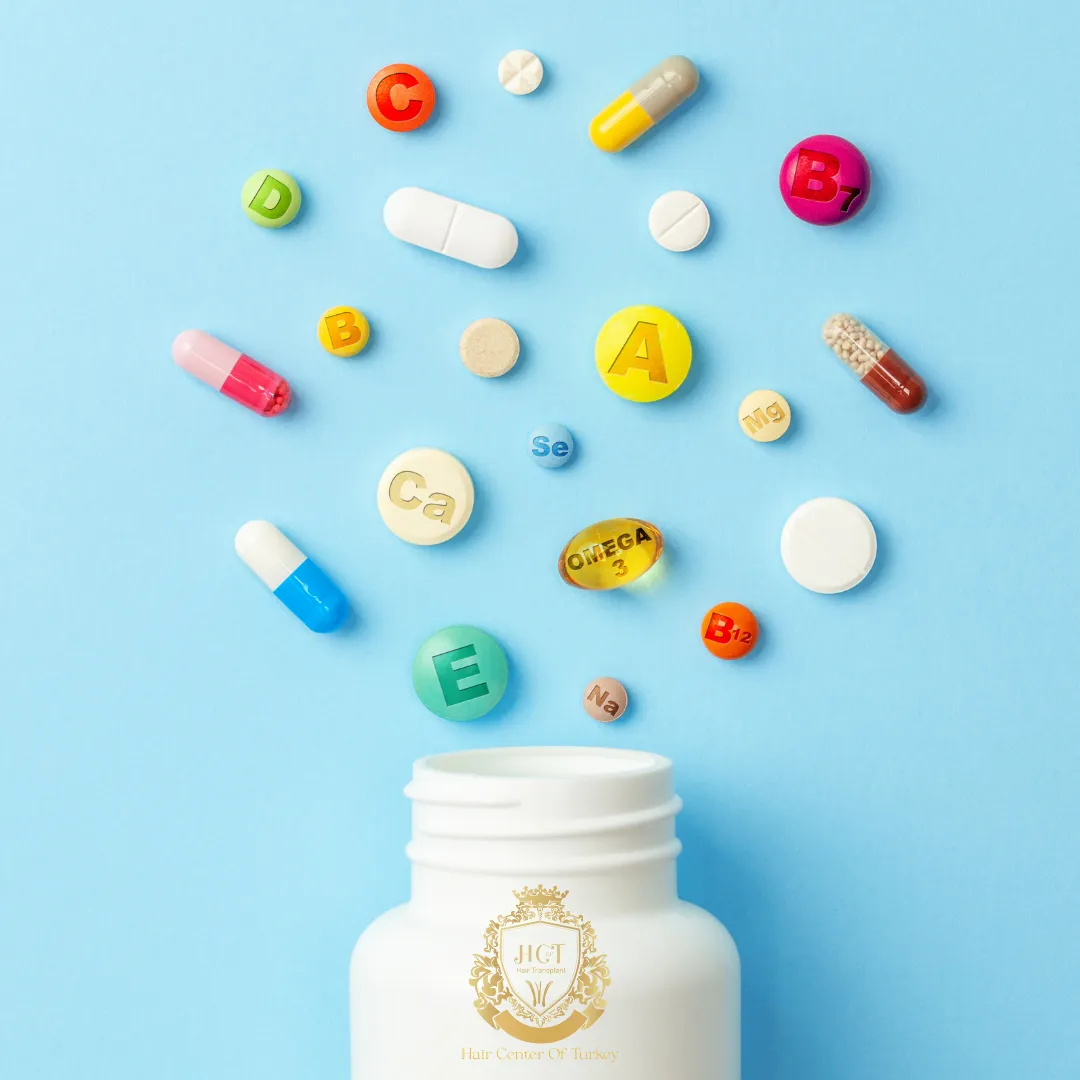
Vitamin Deficiency and Hair Loss
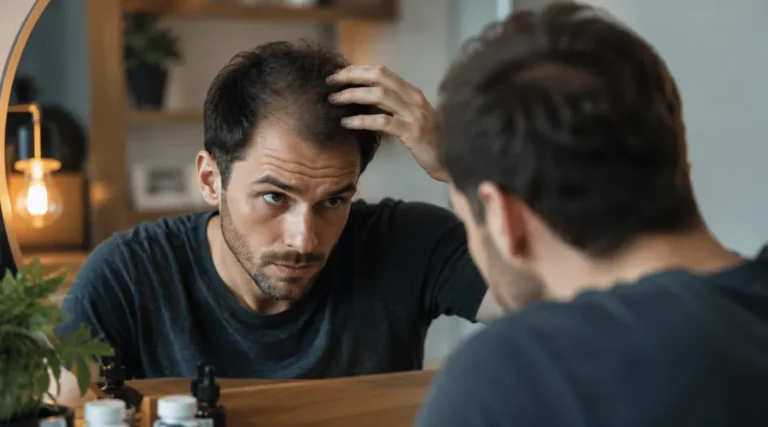
Hair loss can be triggered by nutrient gaps that disrupt the hair growth cycle. Low iron stores (ferritin), vitamin D deficiency, zinc deficiency, and some B‑vitamin problems are among the most common findings in people with diffuse shedding. A simple blood test can help confirm what you actually need before you supplement.
Healthy hair is influenced by genetics, hormones, scalp health, and day‑to‑day habits. When diet quality drops, stress rises, sleep becomes irregular, or a medical condition limits absorption, the body may redirect resources away from “non‑essential” functions like hair growth. The result can be thinning, breakage, or increased shedding.
Supplements can help when there is a proven deficiency, but they are not a universal fix. Taking the wrong nutrient—or taking too much—can waste time and sometimes worsen hair loss. If shedding is new, severe, or paired with other symptoms (fatigue, irregular periods, weight changes), it’s worth checking your levels with a clinician.
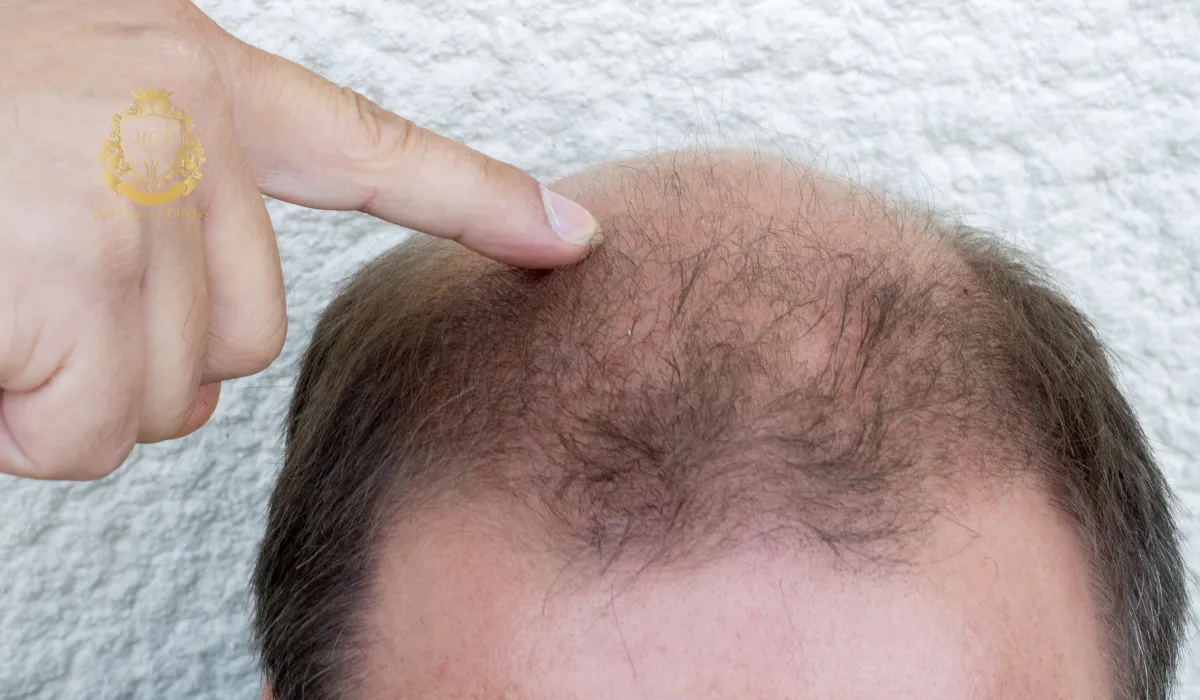
Table of Contents
Why Vitamin Deficiencies Can Trigger Hair Shedding
Hair follicles are among the most metabolically active structures in the body. They need oxygen delivery, steady energy production, and enough building blocks (protein, iron, zinc, vitamins) to keep cycling through growth (anagen), transition (catagen), and rest (telogen). When key nutrients are missing, more follicles may shift into the resting phase, leading to noticeable shedding.
Which Vitamin Deficiency Causes Hair Loss?
There isn’t one single “hair‑loss vitamin.” Different deficiencies can produce similar symptoms, so the goal is to identify what’s truly low and correct it safely.
Iron (Low Ferritin)
Low iron stores are frequently linked with diffuse shedding, especially in women with heavy periods, restricted diets, or recent pregnancy. Ferritin (an iron‑storage protein) is commonly used to assess iron stores, and low ferritin has been reported in people with diffuse and patterned hair loss. Hair recovery, when iron deficiency is the driver, typically takes months after levels are corrected.
Vitamin D
Vitamin D is involved in hair follicle cycling and immune signaling. Research has found vitamin D deficiency is more common in people with certain non‑scarring hair loss conditions, including alopecia areata, though deficiency is not the only cause. If you spend most days indoors, use strict sun protection, or live in low‑sun months, testing may be helpful.
B Vitamins (B12, Folate, and Biotin)
B vitamins support energy production and healthy cell turnover. Low vitamin B12 and folate can contribute to anemia or impaired oxygen delivery, which may worsen shedding in some people. Biotin deficiency can cause hair thinning, but true deficiency is considered uncommon in people eating a varied diet, and biotin supplements are most useful when deficiency risk is clear.
Vitamin A (Deficiency and Excess)
Vitamin A helps regulate skin and oil (sebum) production, which can affect the scalp environment. Both too little and too much can be a problem. Chronic high‑dose vitamin A intake—often from supplements—has been linked to hair changes and hair loss, so avoid megadoses unless supervised.
Vitamin C
Vitamin C supports collagen formation and helps the body absorb non‑heme iron from plant foods. If iron stores are low, improving iron intake and pairing it with vitamin‑C‑rich foods may support better absorption.
Vitamin E
Vitamin E acts as an antioxidant and supports skin barrier function. Most people meet needs through diet, and supplementation is best reserved for confirmed deficiency or clinician advice.
Zinc and Selenium
Zinc plays roles in tissue repair, immune function, and protein synthesis, and deficiency has been associated with hair shedding. Selenium supports thyroid hormone metabolism and antioxidant defenses, yet excess selenium can also cause hair loss. Stick to recommended doses and avoid stacking multiple supplements with the same minerals.
Amino Acids (L‑Lysine and L‑Cysteine)
Hair is built from keratin, a protein rich in amino acids. If overall protein intake is low, or if absorption is reduced, hair can become brittle and shed more easily. L‑lysine and L‑cysteine are sometimes used as supportive nutrients, but diet quality and total protein intake usually matter more than single amino acids.
Signs Hair Loss May Be Nutrient‑Related
Nutrient‑related shedding is often diffuse (all over) rather than in a single patch. You may notice more hair on the pillow, in the shower, or when brushing. Other clues can include fatigue, brittle nails, frequent mouth ulcers, pale skin, dizziness, or changes in menstrual bleeding. These symptoms are not specific, so testing is the safest way to confirm.
How to Confirm a Deficiency
If hair loss is persistent or worsening, ask a clinician about targeted blood work rather than guessing. Common tests include a complete blood count (CBC), ferritin and iron studies, vitamin D (25‑OH), vitamin B12, folate, zinc, and thyroid tests when indicated. Your results, medical history, and medications should guide any supplement plan.
Should You Take Supplements? Safety Tips
Supplements are most effective when they correct a proven deficiency. Start with food first where possible, then use a single‑ingredient supplement at an appropriate dose if your clinician recommends it. Be cautious with vitamin A, selenium, and high‑dose zinc, since excess intake can trigger side effects and may worsen hair shedding. If you take biotin, tell your healthcare team because biotin can interfere with some lab tests.
Hair Loss That Vitamins Won’t Fix
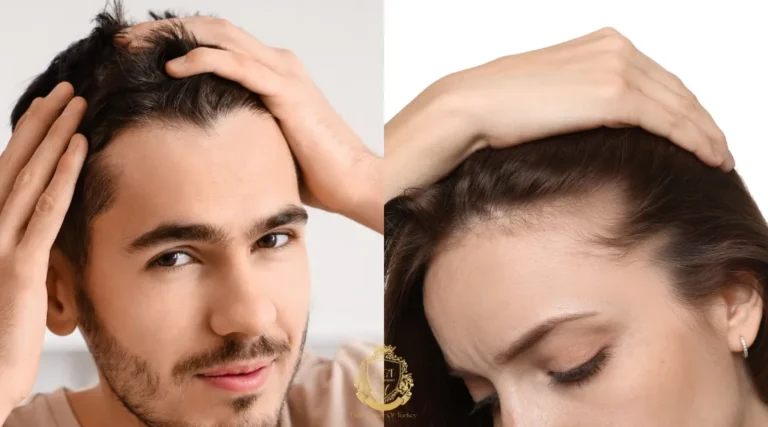
Not all hair loss is caused by nutrition. Androgenetic alopecia (male or female pattern hair loss), postpartum shedding, thyroid disease, medication side effects, and inflammatory scalp conditions can all drive thinning. If you have widening part lines, recession at the temples, patchy loss, scalp pain, or scaling, see a dermatologist for an accurate diagnosis and treatment plan.
Frequently Asked Questions
What vitamins are you lacking when your hair falls out?
Vitamin D, biotin, and B12 deficiencies can contribute to hair shedding.
What are the big 3 for thinning hair?
Androgenetic alopecia, telogen effluvium, and thyroid/iron problems are the big three causes.
Can vitamin B12 reverse hair loss
No; B12 helps only if deficient, and won’t reverse genetic hair loss.
Can too much vitamin D cause hair loss?
Rarely; extreme vitamin D toxicity may cause shedding through hypercalcemia.
What is the best vitamin to stop hair loss?
None; the best approach is correcting deficiencies like vitamin D, B12, or iron.
Explore the complete guide: Hair Loss Types and Causes