


Hair Growth Methods At Home: What Really Helps Hair Grow Faster?
Hair typically grows about 0.5–1.7 cm per month, so “overnight” growth isn’t realistic. What you can do at home is protect the hair you have, reduce breakage and shedding triggers, and support the scalp with gentle care, nutrition, and consistent habits. If shedding is sudden, patchy, or persistent, get checked for an underlying cause.
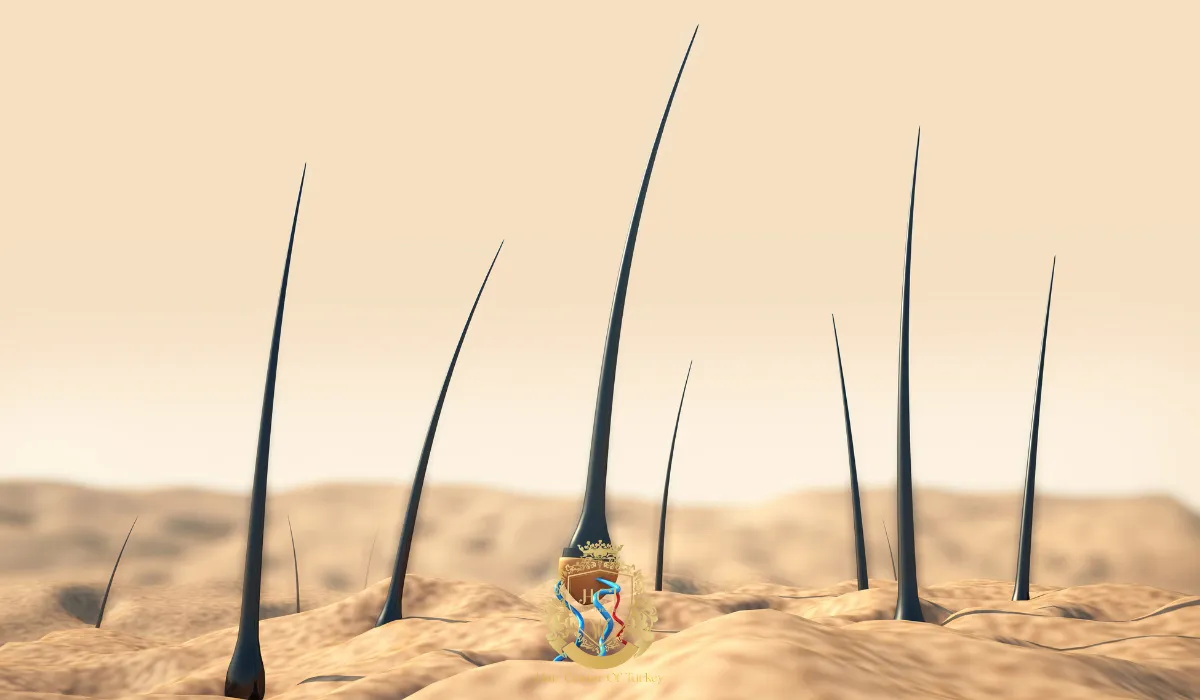
How Fast Does Hair Grow Normally?
Most people’s scalp hair grows in small, steady increments rather than in dramatic spurts. Your genetics, age, hormones, overall health, and scalp condition all affect how quickly you notice length or density changes.
Because growth is gradual, at-home routines work best when they focus on consistency: keeping the scalp calm, avoiding damage, and correcting any clear deficiencies. If you’re seeing noticeably more shedding than usual, the priority is figuring out why it’s happening, not just adding new products.
Common Causes Of Hair Loss
Hair shedding can look the same on the surface, but the cause matters because the right solution depends on it.
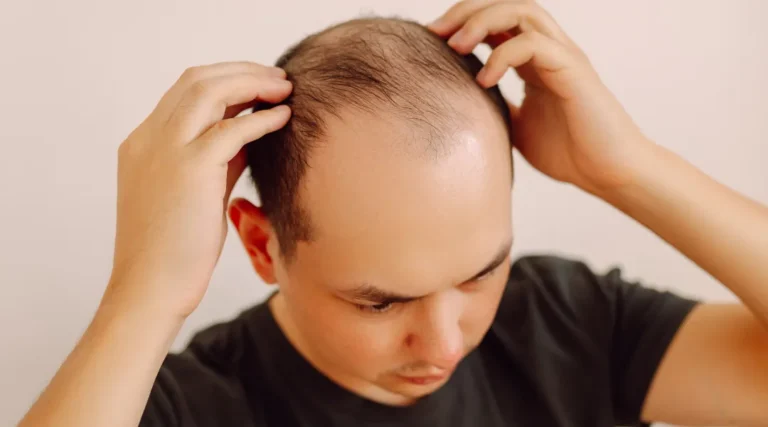
- Genetics (androgenetic alopecia): Often gradual thinning at the temples or crown. In men and women, early treatment tends to work better.
- Hormonal shifts: Thyroid problems, polycystic ovary syndrome (PCOS), menopause, and postpartum changes can all affect the growth cycle.
- Scalp conditions: Dandruff, seborrheic dermatitis, psoriasis, and fungal infections can trigger inflammation and increased shedding.
- Nutrition gaps: Low iron, zinc, vitamin D, or insufficient protein intake may worsen shedding in susceptible people.
- Stress or illness: High stress, high fever, surgery, rapid weight loss, and certain medications can push more hairs into a shedding phase.
- Hair practices: Tight hairstyles, harsh chemical processes, and heat damage can cause breakage and traction-related loss.
If you’re unsure what’s driving your shedding—especially if it’s sudden, patchy, or accompanied by scalp pain or scaling—a healthcare professional or dermatologist can help narrow it down.
Fast Hair Growth Methods That Actually Help At Home
“Fast” hair growth usually means keeping hair in the growth phase longer and preventing breakage, not changing biology overnight.
Gentle Hair Care And Cleaning
Frequent washing doesn’t cause hair to “fall out” from the root. What you may notice is more shed hairs in the shower, especially if you wash less often—those hairs would have shed anyway.
Hair dye and bleaching don’t usually cause true follicle hair loss, but they can weaken the shaft and lead to breakage. If your hair looks thinner after chemical services, it may be damage rather than new shedding.
Be cautious with tight ponytails, heavy extensions, and aggressive brushing. Repeated tension and friction can stress the follicle and snap fragile strands.
Scalp Massage
A short daily scalp massage may help some people, mainly by improving comfort, loosening tight scalp tissues, and encouraging a consistent scalp-care routine.
In a small 24‑week study, participants who performed a standardized daily scalp massage saw a measurable increase in hair thickness. The evidence is still limited, but massage is low-cost and generally safe if done gently.
Nutrition That Supports Hair Growth
Hair is a protein-based structure, so consistent protein intake matters. If you regularly undereat or follow a restrictive diet, shedding can become more noticeable.
Iron and zinc are two common nutrients linked to hair shedding when levels are low. Vitamin D and B vitamins may also play a role, especially if you have other deficiency symptoms.
More isn’t always better. High doses of certain supplements (for example vitamin A, vitamin E, or selenium) can worsen shedding. If you suspect a deficiency, blood work and professional guidance are safer than megadoses.
Stress, Sleep, And The Hair Cycle
Significant stress—physical or emotional—can shift more hairs into a resting phase, leading to increased shedding a few months later. This pattern is often temporary, but it can be alarming.
Focus on the basics: consistent sleep, regular meals, and a manageable training/workload balance. These changes won’t “force” new growth, but they reduce common triggers that keep shedding going.
When Over-The-Counter Treatments Make Sense
If you have a family history of pattern hair loss, evidence-based options like topical minoxidil may be worth discussing with a clinician. It doesn’t work for everyone, but it has stronger clinical support than most home remedies.
If hair loss starts suddenly, comes with bald patches, or continues beyond a few months, avoid self-treating blindly. The goal is to identify the cause and choose the safest plan.

Natural Oils And Supplements: What The Evidence Says
Natural options can support the scalp and reduce breakage, but results vary widely. Patch test first, and stop if you develop itching, redness, or flaking.
Red Ginseng
Red ginseng has been studied in lab and small human settings for its potential to support hair follicle activity. The early findings are interesting, but it’s not a guaranteed fix. If you try it, treat it as a supportive add-on, not a replacement for medical evaluation.
Omega Fatty Acids
Healthy fats support the skin barrier and may help scalp comfort. If your diet is very low in fats, correcting that can improve dryness and irritation. Research on specific fatty acids and hair growth is still emerging, so focus on overall dietary quality first.
Coconut Oil
Coconut oil can reduce protein loss from the hair shaft and may help protect damaged hair. It’s most useful for dryness and breakage rather than changing how fast hair grows. Use a small amount on mid-lengths and ends if your hair is prone to heaviness.
Aloe Vera
Aloe vera is often used to soothe the scalp. Some people find it helps with itching or flaking, especially when the scalp is irritated. Choose simple formulas and avoid heavily fragranced gels if you’re sensitive.
Rosemary Oil
Rosemary oil is popular for scalp care. One small study in androgenetic alopecia found rosemary oil performed similarly to 2% minoxidil over six months, with scalp itching reported in both groups. If you use it, dilute it in a carrier oil and avoid daily over-application.
Pumpkin Seed Oil
Pumpkin seed oil has limited but promising evidence, including a 24‑week trial in men with pattern hair loss where hair count improved compared with placebo. The proposed mechanism is hormonal modulation (for example, 5‑alpha reductase inhibition), but more independent studies are still needed.
Hair Growth Methods At Home
If you want a simple routine, focus on what’s most likely to help and least likely to irritate.
- Use a gentle shampoo and avoid very hot water on the scalp.
- Massage the scalp lightly for a few minutes a day, or a few times per week if your scalp is sensitive.
- Prioritize protein, iron-rich foods, zinc sources, and a varied diet; correct deficiencies with guidance.
- Limit tight hairstyles, harsh bleaching, and frequent high-heat styling.
- Patch test any essential oil and always dilute it in a carrier oil.
- Track shedding for 8–12 weeks. If it’s worsening or you see bald patches, get evaluated.
When To See A Specialist
Home care is a good starting point when shedding is mild. Get professional advice sooner if you notice any of the following:
- Sudden, heavy shedding that lasts more than 6–8 weeks
- Patchy hair loss, eyebrow/eyelash loss, or bald spots
- Scalp pain, burning, significant scaling, or oozing
- Hair loss after childbirth that still feels severe after 9–12 months
- Signs of anemia or thyroid issues (fatigue, cold intolerance, unexplained weight changes)
If you’d like a hair-loss assessment and a clear plan tailored to your pattern and goals, Hair Center of Turkey provides a boutique, patient-focused evaluation approach, including guidance on next steps.
FAQ
Which vitamins are commonly associated with hair growth?
Nutrients often linked with hair health include protein, iron, zinc, vitamin D, and certain B vitamins (such as biotin). If you suspect a deficiency, testing is more useful than guessing—supplementing without a need can backfire.
Does hot water make hair grow faster?
No. Very hot water can dry out the scalp and weaken the hair shaft, which may increase breakage. Lukewarm water is usually a better choice.
Does washing hair help it grow?
Washing doesn’t speed up the follicle’s growth rate, but it can support scalp health by removing sweat, oil, and product build-up. A clean, calm scalp creates better conditions for healthy hair maintenance.