FUE vs. FUT: Which Hair Transplant Technique Is Better?
FUE and FUT can both deliver permanent, natural-looking hair restoration when performed well. FUE removes follicles one by one, usually leaving tiny dot scars and offering faster healing. FUT removes a thin strip of scalp, often allowing higher graft numbers in one session but leaving a linear scar. The best choice depends on your donor area, hair loss level, hairstyle, and goals.
Hair Loss And Why Technique Choice Matters
Hair loss affects many people and can change how you feel about your appearance. Hair transplantation offers a long-term solution by moving healthy follicles from a donor area (usually the back and sides of the scalp) into thinning or balding zones.
Choosing the right method matters because each technique affects scarring, recovery, graft yield, and how your donor area looks after surgery. Most “best technique” debates miss the point: the best option is the one that fits your hair type, hair loss pattern, lifestyle, and surgical plan.
What Is FUT Hair Transplant?
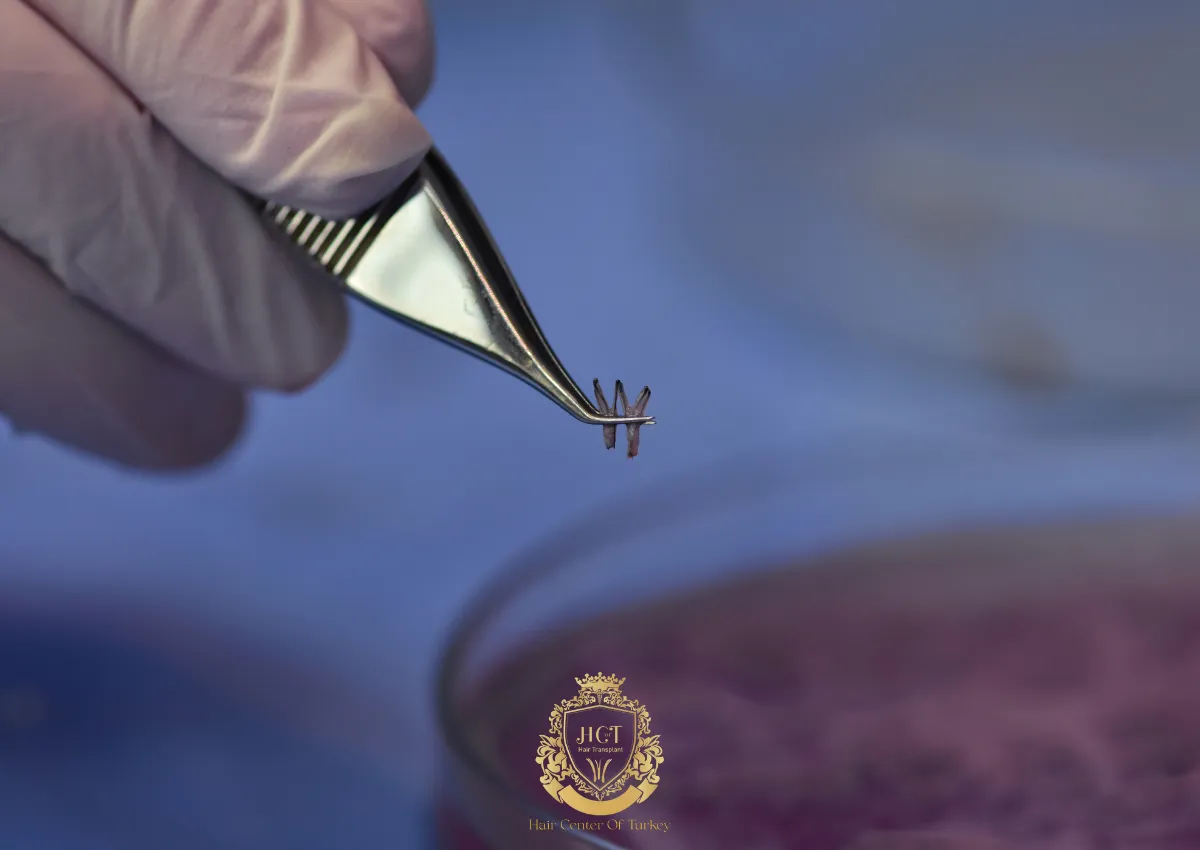
FUT (Follicular Unit Transplantation) is also known as the “strip method.” In FUT, the surgeon removes a thin strip of scalp from the donor area, then technicians dissect it under magnification into follicular units (natural hair groupings of 1–4 hairs). Those grafts are implanted into the recipient area.
FUT Pros
- High graft yield in one session: FUT can be efficient when a large number of grafts is needed.
- Strong donor management: In the right candidate, FUT can preserve surrounding donor hair while producing many grafts.
- Often less shaving needed: Some FUT cases can be done with minimal donor-area shaving.
FUT Cons
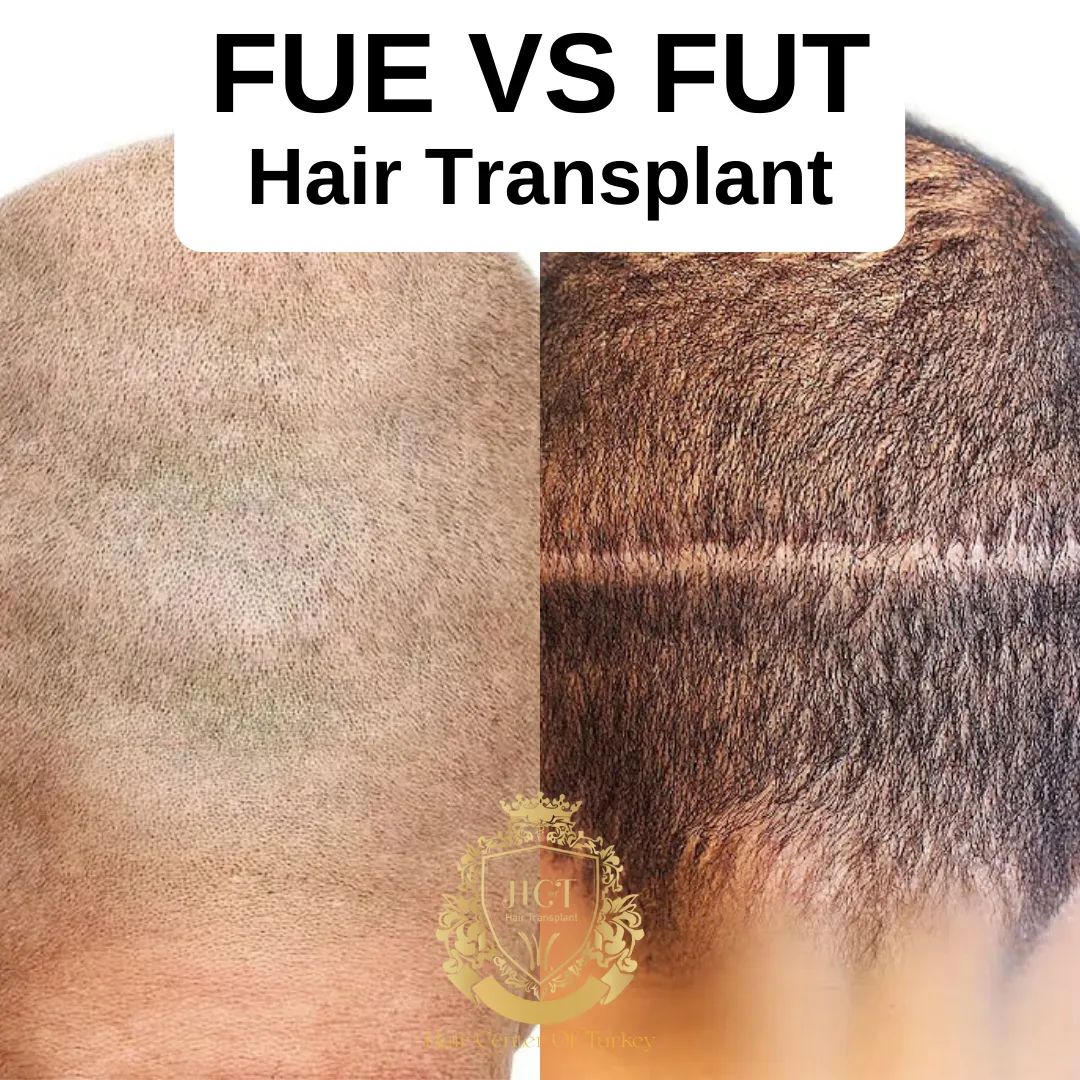
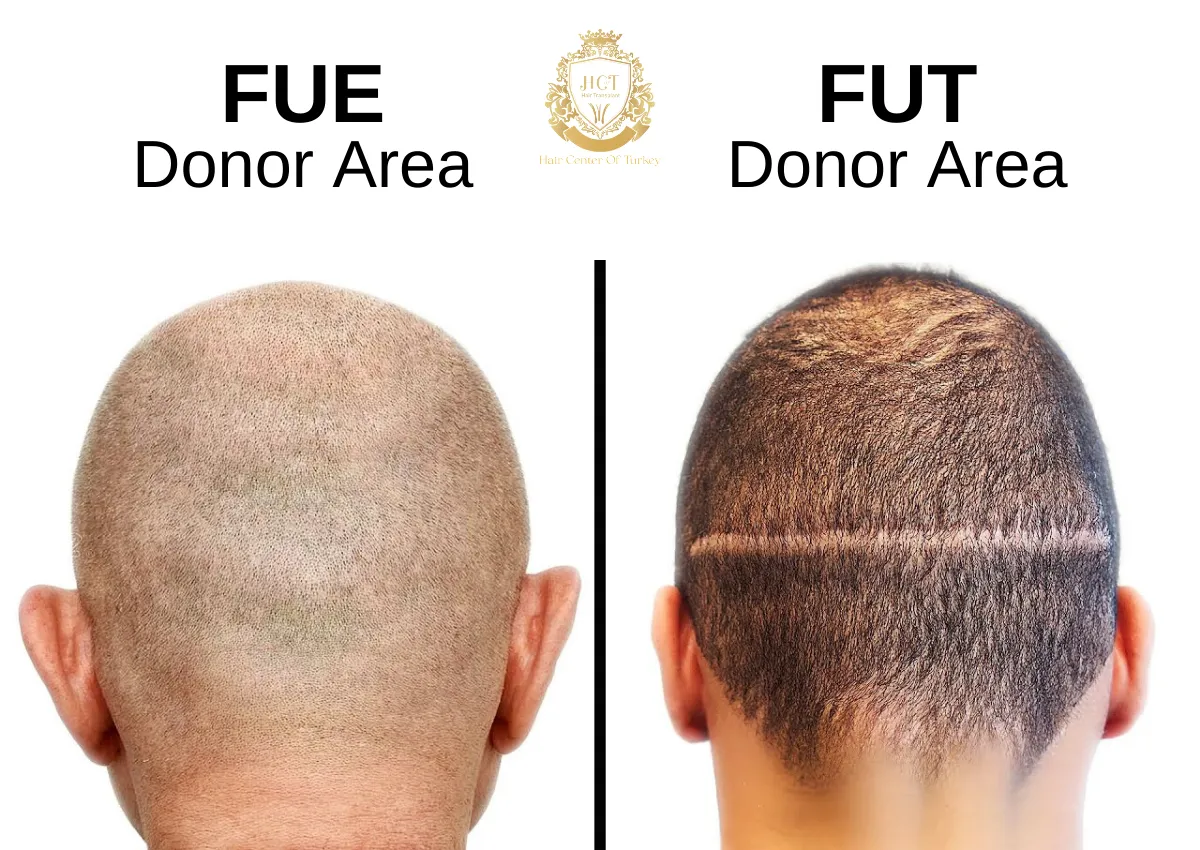
- Linear scar: FUT typically leaves a straight scar in the donor area. It may be easy to hide with longer hair, but it can be visible with short hairstyles.
- Tighter recovery in the donor area: Some patients report more tightness or discomfort where the strip was removed.
- Limits for certain hairstyles: If you prefer very short hair, the scar can be a deciding factor.
 What Is FUE Hair Transplant?
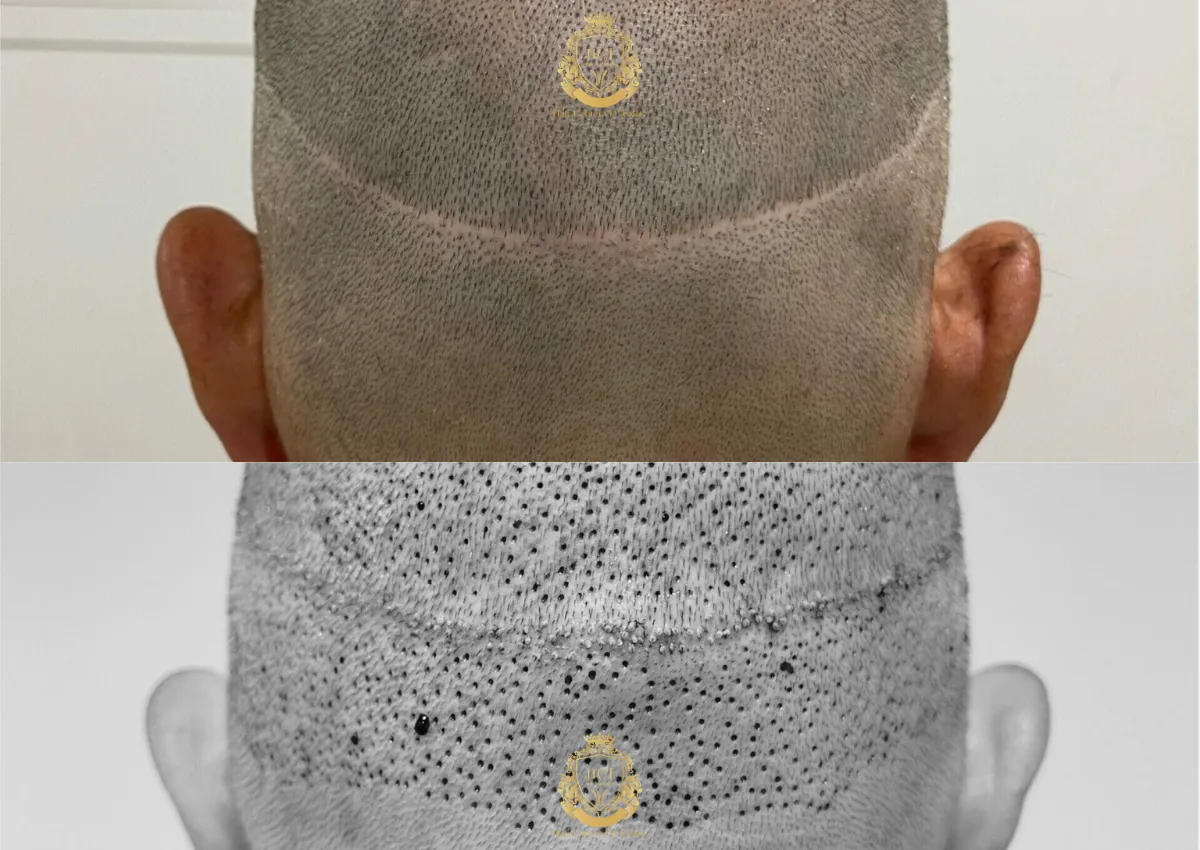
FUE (Follicular Unit Extraction) removes follicular units one by one using tiny punches (manual, motorized, or robotic systems depending on the clinic). The grafts are then implanted into the recipient area.
FUE is widely chosen because it avoids a long strip incision and usually heals with very small dot scars scattered throughout the donor area.
FUE Pros
- No linear scar: The donor area typically shows tiny dot scars that are less noticeable, especially when performed with proper spacing and technique.
- Often faster, easier healing: Many patients find the donor area recovers more comfortably than FUT.
- Works well for short hairstyles: FUE is often preferred by people who want the option to keep hair shorter.
FUE Cons
- Donor area must be managed carefully: Overharvesting can thin the donor area and create a “moth-eaten” look. Good planning is essential.
- Large sessions can be time-intensive: Extracting follicles one by one takes time and requires a skilled team.
May require more shaving: Many FUE cases involve shaving the donor area, though partial shaving can be possible.
 FUE vs. FUT: Key Differences That Actually Matter
Scarring
- FUT: One linear scar. Visibility depends on healing, closure technique, and hair length.
- FUE: Multiple tiny dot scars. Usually easier to camouflage, but still possible to notice if overharvested or if you shave very close.
Recovery Time
Most people return to normal daily routines fairly quickly with either method, but donor healing often feels different. FUT can cause more tightness early on because of the strip removal. FUE typically has a more straightforward donor recovery, especially for those sensitive to tension.
Graft Yield And Session Planning
FUT can be a strong choice when a large graft number is needed in one procedure. FUE can also achieve high graft counts, but the plan must protect donor density and avoid aggressive extraction patterns.
Pain And Comfort
Pain tolerance varies, and both procedures use local anesthesia. FUT may cause more donor-area tightness during healing. FUE can feel sore or tender in the donor zone for a short period, especially after larger sessions.
Cost
Pricing varies by clinic, location, surgeon reputation, and the number of grafts. In many markets, FUE is priced higher per graft because it can be more labor-intensive. That said, cost should never be the main decision point. A poorly planned transplant costs more in the long run.
 Who Is A Good Candidate For Each Technique?
FUE May Be A Better Fit If You:
- Prefer the option of shorter hairstyles
- Want to avoid a linear scar
- Have mild to moderate hair loss and a strong donor area
- Need grafts for eyebrows, beard, or small touch-ups (in suitable cases)
FUT May Be A Better Fit If You:
- Need a higher graft number in one session
- Wear your hair longer and can easily cover a linear scar
- Have donor characteristics that suit strip harvesting
- Want to preserve donor extraction for a long-term strategy (depending on the case plan)
A surgeon should assess your donor density, hair caliber, curl pattern, scalp laxity, and future hair loss risk before recommending either option.
Where Do DHI And Other “Modern Methods” Fit In?
You may see clinics promoting methods like DHI (Direct Hair Implantation). DHI is not a separate harvesting method like FUE or FUT. It usually refers to the implantation step, where grafts are placed using a specialized implanter pen.
In many clinics:
- FUE or FUT = how follicles are collected
- DHI or Sapphire/Slit implantation = how follicles are placed
The best approach depends on the surgeon’s plan for density, angle control, and graft handling. A clinic should be able to explain the full workflow clearly instead of presenting techniques as marketing labels.
What A “Good Hair Transplant” Should Look Like
A successful transplant is not just about graft count. It’s about design, direction, and natural density distribution.
Natural Hairline Design
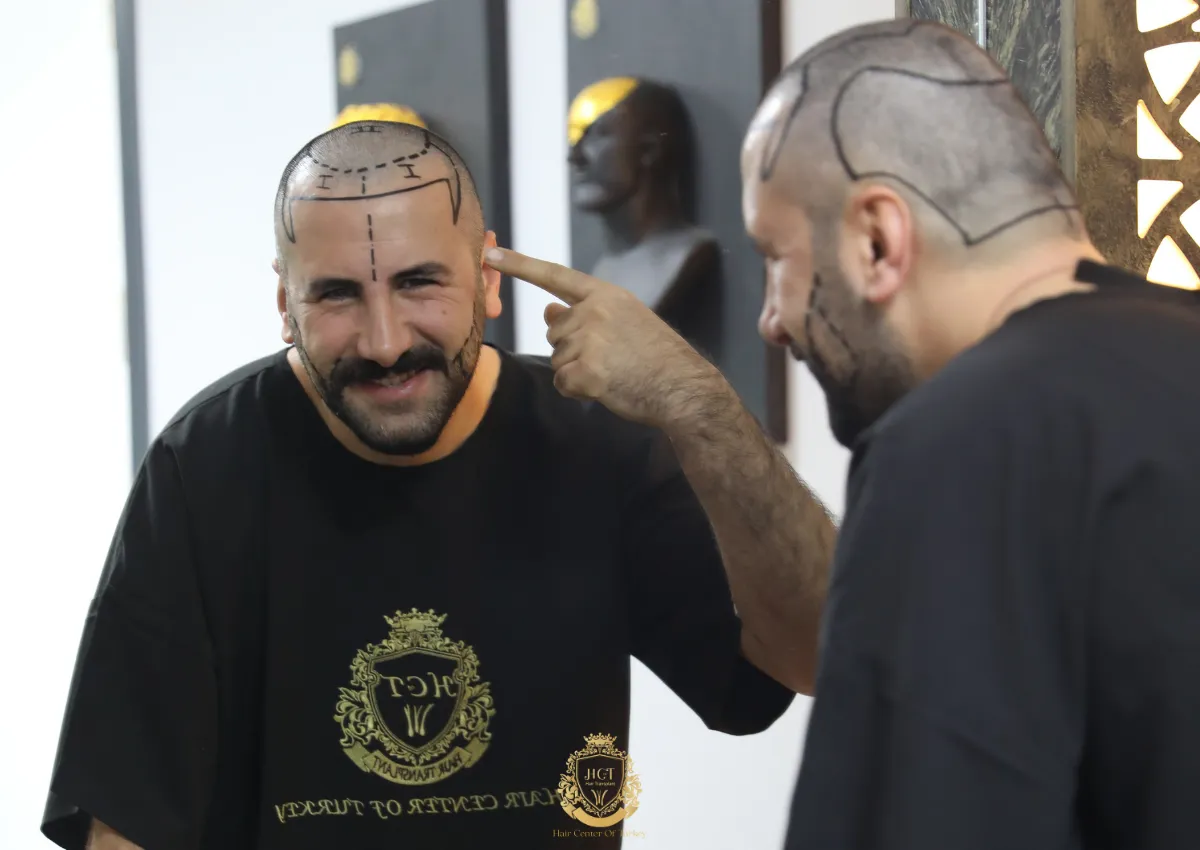
A natural hairline has soft irregularity, appropriate age-based positioning, and a realistic density gradient. Overly straight hairlines or overly dense fronts can look unnatural over time.
Correct Angles And Direction
Hair grows at specific angles and directions depending on the scalp area. If channels are created in the wrong direction, hair may stick up, cross unnaturally, or become hard to style.
Balanced Density
Density should match your donor capacity and long-term hair loss pattern. The goal is a natural look that still makes sense if hair loss progresses in the future.
Donor Preservation
The donor area is limited. A careful plan avoids overharvesting and keeps options open for future sessions if needed.
How To Decide Between FUE And FUT
A reliable decision usually comes from these questions:
- How many grafts do you realistically need now, and might you need more later?
- Do you want to wear your hair very short in the future?
- What is your donor density, hair thickness, and scalp characteristics?
- How important is recovery comfort and time away from work?
- Does the clinic show consistent results for cases like yours?
If a clinic pushes one technique for everyone, treat that as a red flag. A good plan is personalized, and the surgeon should explain the trade-offs without overselling.
F.A.Q. (Frequently Asked Questions)
Is FUE or FUT more “permanent”?
Both are considered permanent when transplanted follicles are taken from stable donor zones and handled properly. Long-term results still depend on your genetics and ongoing hair loss outside the transplanted area.
Does FUT look less natural than FUE?
Naturalness comes from hairline design, graft handling, angle control, and density planning. Either method can look natural or unnatural depending on the team’s skill.
Will FUE leave no scars at all?
FUE usually leaves tiny dot scars. They are often hard to see with normal hair length, but they can become noticeable with very close shaving or poor donor management.
Can I do FUT first and FUE later?
In some cases, yes. Some long-term strategies use both approaches depending on donor capacity and future hair loss. This should be decided with a surgeon who plans beyond a single session.
What matters more than the technique name?
Surgeon involvement, donor planning, graft survival, hairline design, and a realistic long-term strategy usually matter more than whether the follicles were harvested by FUE or FUT.
Explore the complete guide: Hair Transplant Techniques