

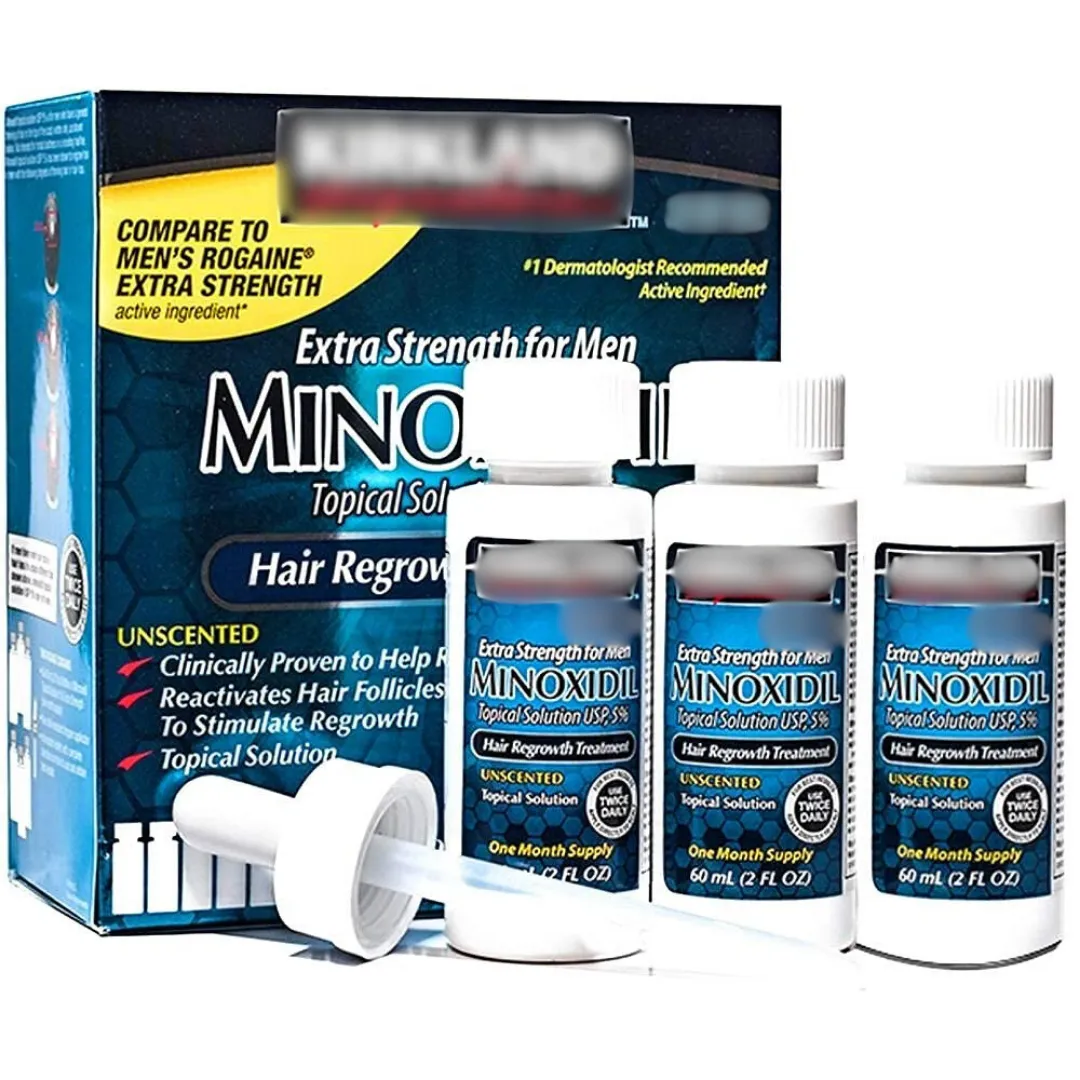
Minoxidil For Hair Loss
At Hair Center of Turkey, our dermatology and hair restoration team has been helping patients with pattern hair loss since 2014, performing around 3,000 procedures a year. Minoxidil is an FDA-approved topical treatment for pattern hair loss that can slow shedding and support regrowth when used consistently. Most people apply it once or twice daily and notice early changes after 3–6 months. If you stop, shedding typically returns. Our team can help confirm whether minoxidil matches your type of hair loss.
Table of Contents
What Minoxidil Is And What It Treats
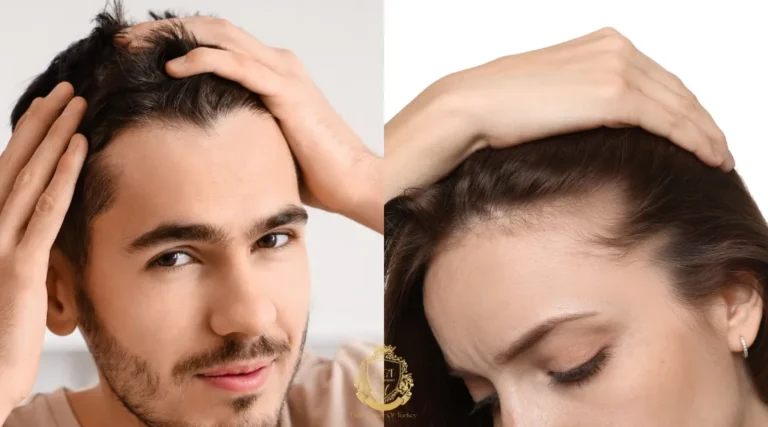
Minoxidil is a medication used to support hair growth. In dermatology, it’s most commonly used for androgenetic alopecia (male and female pattern hair loss).
Topical minoxidil (solution or foam) is approved in several strengths for pattern hair loss. Oral minoxidil exists too, but its FDA-approved use is for high blood pressure; when prescribed in very low doses for hair loss, that’s considered off-label and needs medical supervision.

How Minoxidil Works
Minoxidil helps shift more hairs into the growth phase and may extend how long hairs stay there. Over time, that can reduce shedding and produce thicker, stronger-looking regrowth.
It works best when the follicles are still active, which is why earlier treatment usually gives better results than waiting until the area is completely smooth.
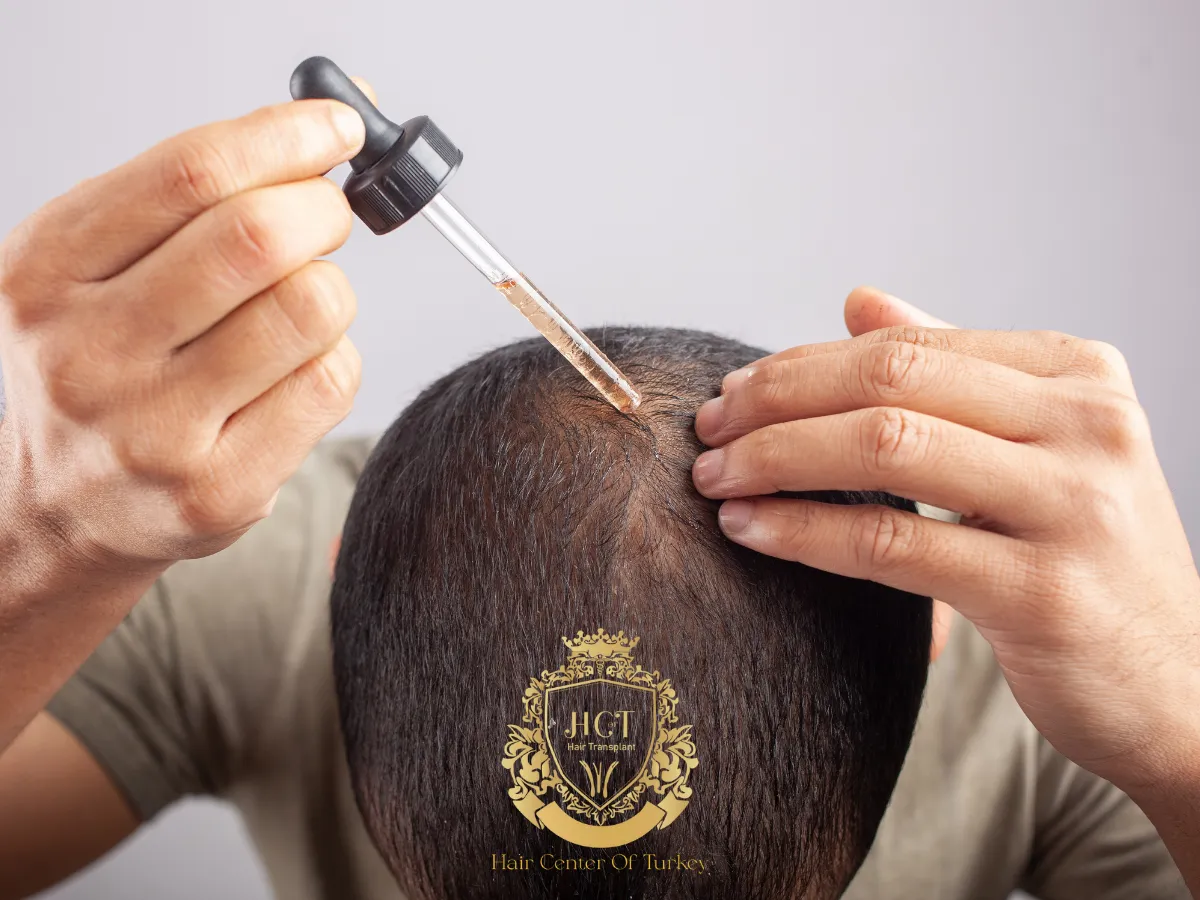
How To Use Topical Minoxidil
Choose The Right Formula
Topical minoxidil comes as a liquid solution or foam. Foam is often easier on sensitive scalps because it typically contains fewer irritants.
Strength and frequency depend on the product and the person. Many men use 5% minoxidil, while women may be advised to use 2% solution or 5% foam. Follow the product label or your dermatologist’s instructions.
Step-By-Step Application
- Start with a clean, dry scalp. Minoxidil is meant for the scalp skin, not the hair shaft.
- Part the hair to expose the thinning area, then apply the recommended amount directly to the scalp.
- Spread gently with fingertips if needed. Wash your hands after applying.
- Let it dry fully before styling, lying down, or putting on a hat to reduce unwanted spread to the face.
Try to apply it at roughly the same time each day. If you miss a dose, resume your normal schedule rather than doubling up.
When To Expect Results
A temporary increase in shedding can happen in the first few weeks. This is usually a sign that older hairs are cycling out as new growth begins.
Most people need 3–6 months of consistent use to judge early progress. A clearer view of results often takes 6–12 months.
Minoxidil is a maintenance treatment. If you stop, the benefits commonly fade over a few months and shedding can return.
Side Effects And Safety
Topical minoxidil is generally well tolerated, but side effects can happen. The most common issues are scalp irritation, itching, dryness, or flaking.
Unwanted hair growth can occur if the medication spreads beyond the scalp, especially to the forehead or face.
Stop the product and seek urgent medical care if you develop chest pain, a racing heartbeat, swelling of the hands or feet, faintness, or trouble breathing.
Who should get medical advice first:
- Anyone who is pregnant, trying to conceive, or breastfeeding
- People with heart disease, rhythm problems, low blood pressure, or swelling
- Older adults or anyone taking blood pressure medicines
- Anyone with sudden patchy hair loss, scalp pain, or scarring (these need diagnosis before treatment)
Oral Minoxidil For Hair Loss
Oral minoxidil tablets are approved for hypertension, not hair loss. Some clinicians prescribe low-dose oral minoxidil for hair loss when topical options haven’t worked or aren’t tolerated.
Because it can affect blood pressure and heart rate, oral minoxidil should only be used under medical guidance. Your clinician may recommend monitoring for swelling, dizziness, fast heartbeat, or excessive body hair growth.
Tips To Get Better Results
- Take baseline photos in the same lighting every month. Changes are slow and easier to spot in pictures.
- Use it consistently. Most “it didn’t work” stories are really “it wasn’t used long enough.”
- Treat scalp irritation early. Switching from solution to foam or using a gentle anti-dandruff shampoo can help.
- Ask a dermatologist about combination plans. For some people, minoxidil is paired with other treatments based on diagnosis.
Before And After: What To Expect
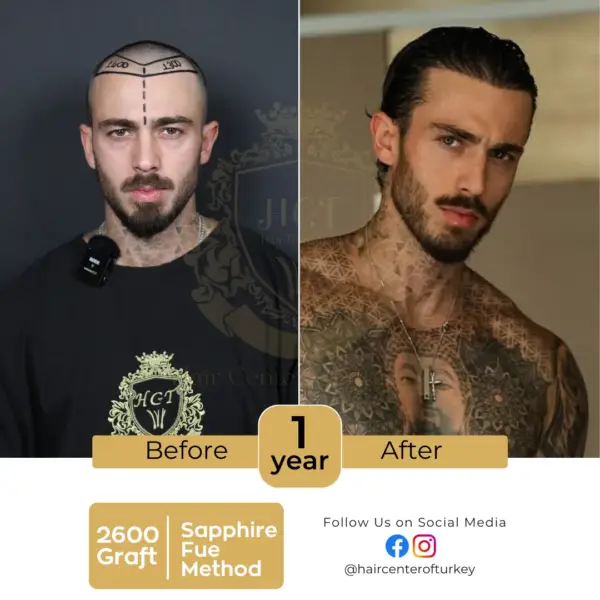
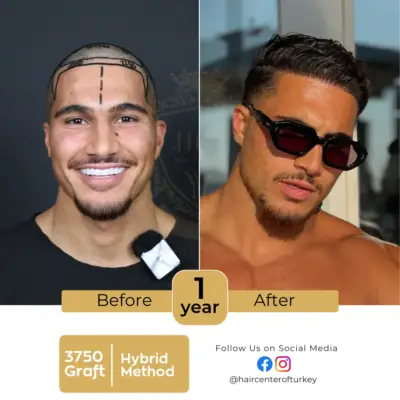
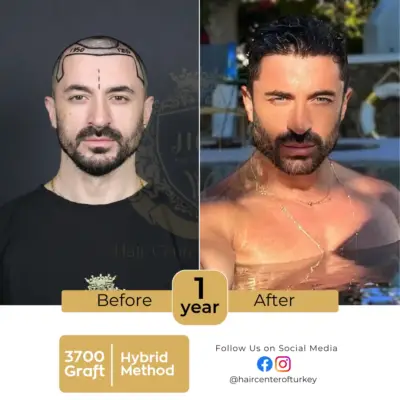
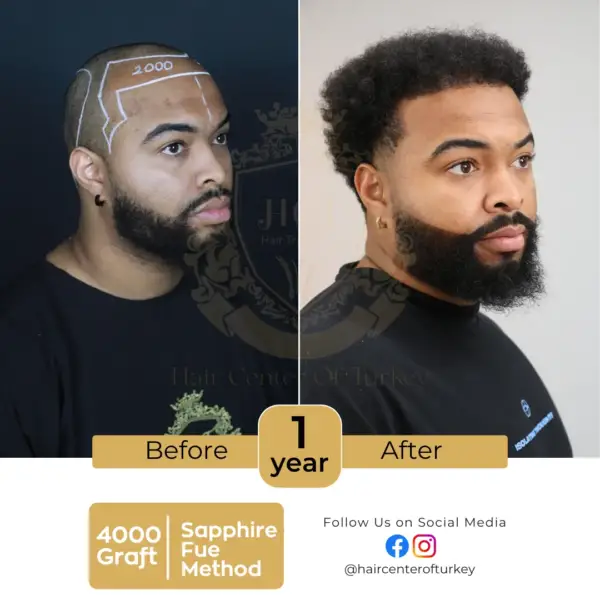
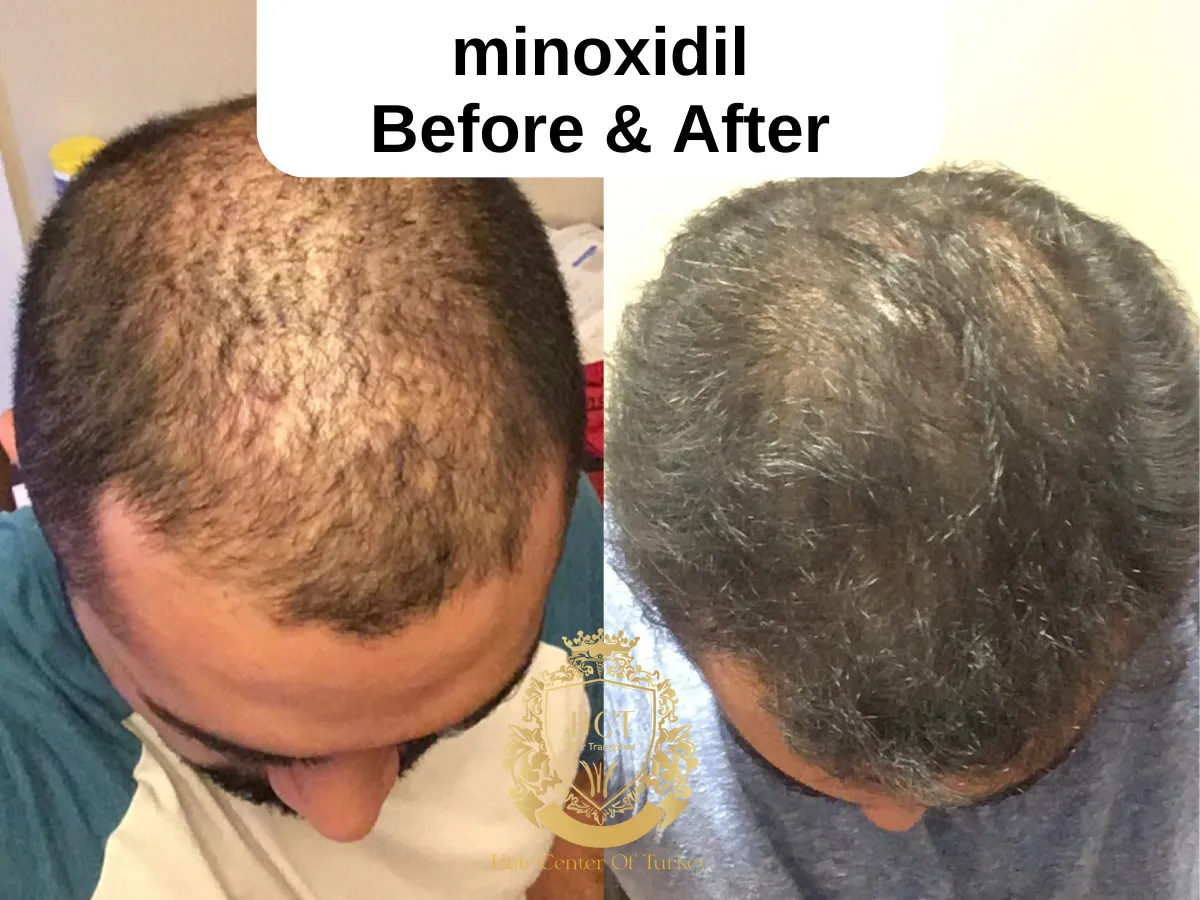
The most common “before and after” change is reduced shedding, followed by gradual thickening. Regrowth varies from person to person, and not everyone responds.
Minoxidil tends to perform best on thinning at the crown and mid-scalp. Hairline regrowth is possible for some people, but it’s usually more modest.
Frequently Asked Questions
Is minoxidil safe for migraines?
Often safe; it can cause headaches—stop if migraines worsen and consult doctor.
Can I use minoxidil if I have psoriasis?
Yes, but avoid applying to active psoriatic plaques; irritation may worsen—ask dermatologist.
Can minoxidil cause dandruff?
Yes, topical minoxidil can cause scalp dryness and flaking that mimics dandruff.
Who should avoid minoxidil?
Avoid if allergic, pregnant/breastfeeding, under 18, or with untreated heart disease.
What are the signs that minoxidil is working?
Working signs include reduced shedding, fine new hairs, and gradual thickening after 3–6 months.
What to avoid after applying minoxidil?
Avoid washing, swimming, heavy sweating, or styling until dry; keep off face/eyes.
Should I wash my hair daily if I use minoxidil?
No; wash as needed, using gentle shampoo, and allow 4 hours before washing.
Explore the complete guide: Hair Loss Treatments