

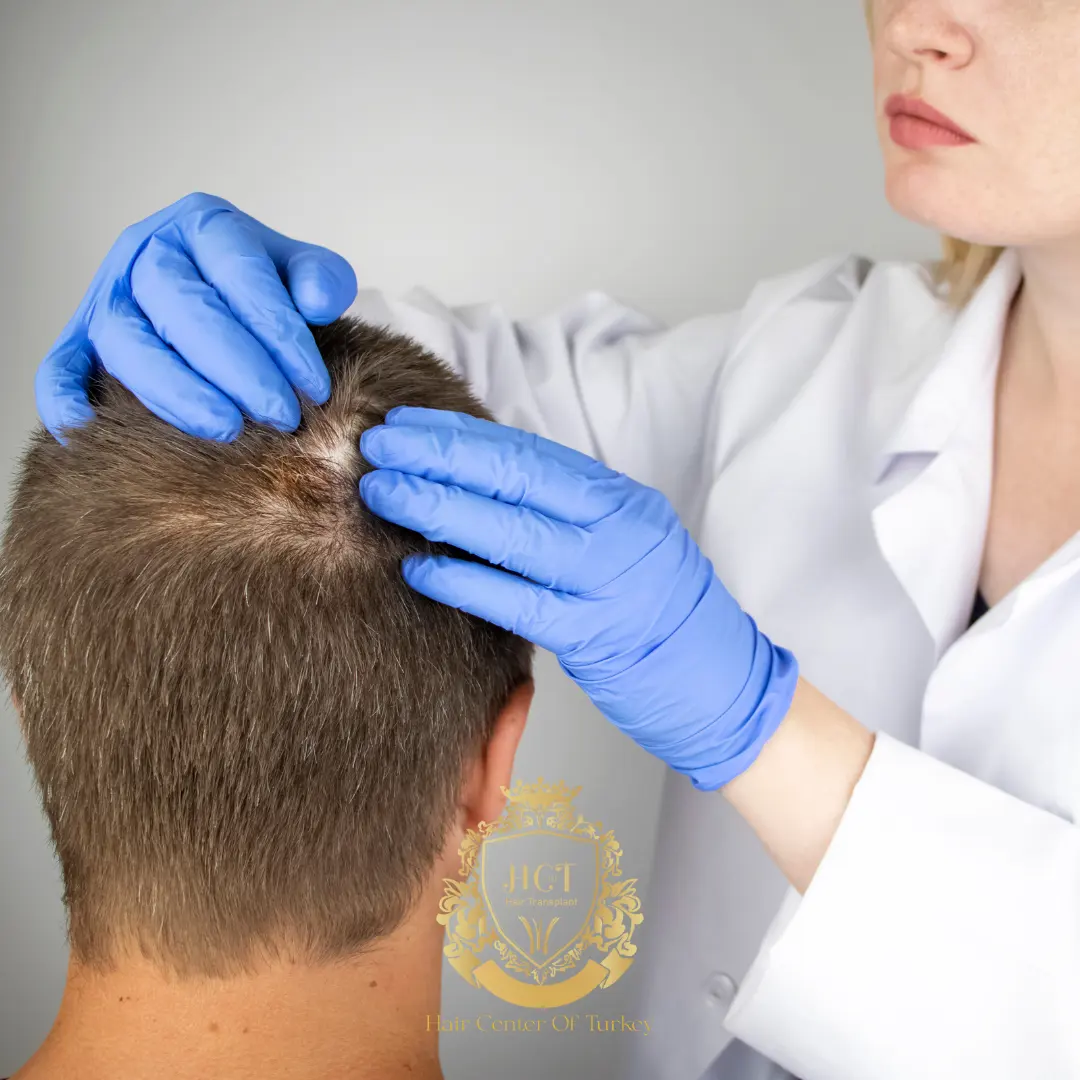
Alopecia Areata And Ringworm: What They Are And How To Tell The Difference
Alopecia areata is an autoimmune condition that causes round or oval patches of hair loss on the scalp, face, or body. Scalp ringworm (tinea capitis) is different: it’s a contagious fungal infection that can also create bald patches, often with scaling or itching. Because treatments are not the same, a clinician should confirm the diagnosis.
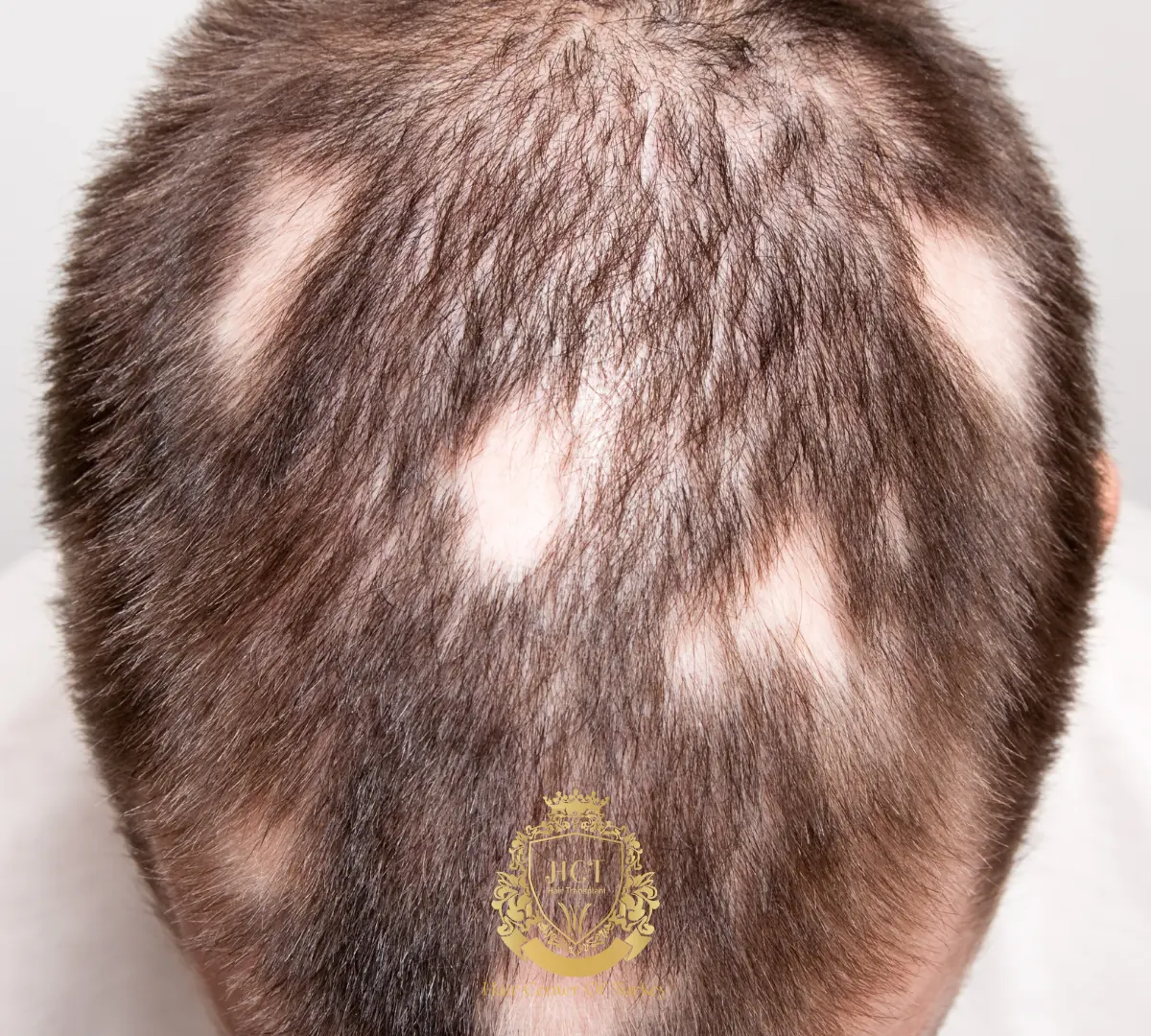
Table of Contents
What Is Alopecia Areata?
Alopecia areata is a common type of non-scarring hair loss. It usually appears as one or more smooth, clearly defined bald patches on the scalp. It can also affect eyebrows, eyelashes, beard area, or other body hair.
The course is unpredictable. Some people have a single episode with full regrowth, while others experience repeated flare-ups over time.
Ringworm vs Alopecia Areata
Despite the name, alopecia areata is not a worm and it is not caused by a fungus. The term “ringworm” is typically used for fungal skin infections. When the scalp is involved, it’s called tinea capitis.
Both conditions can cause patchy hair loss, so confusion is common. These clues can help, but they are not a substitute for an exam and testing:
- **Alopecia areata:** patches are usually smooth, with little to no scaling; short “exclamation mark” hairs may be seen at the edges; nails can be pitted or ridged in some people.
- **Scalp ringworm (tinea capitis):** patches often have scale, broken hairs, itching, or tenderness; some cases cause swollen, inflamed lumps (kerion) and swollen neck glands; it spreads through close contact or shared items (combs, hats, clippers).
If there is any doubt, clinicians may use a dermatoscope (trichoscopy), take hair or skin samples for microscopy and culture, or run other tests to rule out similar conditions.
Who Gets Alopecia Areata?
Alopecia areata can affect any gender and any age, including children. Many people are otherwise healthy. A personal or family history of autoimmune disease can increase risk.
Severity varies widely. Some people lose small patches of hair. Others develop extensive scalp loss (alopecia totalis) or loss of all body hair (alopecia universalis).
What Causes Alopecia Areata?
Autoimmune Activity Around Hair Follicles
Alopecia areata happens when the immune system mistakenly targets hair follicles. The follicles remain alive, which is why regrowth is often possible, but the growth cycle is disrupted and hairs shed prematurely.
Genetics, Triggers, And Associated Conditions
Genes play a role, and alopecia areata tends to run in families. A flare can also follow major stress, illness, hormonal changes, or certain medications, though a clear trigger is not always found.
Alopecia areata is sometimes seen alongside other autoimmune conditions, including thyroid disease, vitiligo, type 1 diabetes, rheumatoid arthritis, and atopic disease (eczema, asthma, allergic rhinitis). Having one does not mean you will develop another, but it may influence what your clinician screens for.
Common Symptoms
Alopecia areata may cause:
- One or more round or oval patches of hair loss
- Sudden shedding over days to weeks
- Short broken hairs at the patch border
- Changes in nails (pitting, ridging, roughness) in some people
- Mild itching, tingling, or burning in the affected area in some cases
How Alopecia Areata Is Diagnosed
Diagnosis usually starts with a scalp and skin exam. Your clinician may look for characteristic signs at the patch edge, ask about recent changes, and review your personal and family history.
Tests are not always needed, but may include dermatoscopy, a hair pull test, fungal testing if ringworm is possible, blood tests when autoimmune conditions are suspected, or a small scalp biopsy when the diagnosis is unclear.
Treatment Options
Treatment depends on age, the extent of hair loss, how quickly it appeared, and how much it affects day-to-day life. Some people prefer active treatment, while others choose monitoring, especially when patches are small.
Monitoring And Natural Regrowth
Many cases of limited patchy alopecia areata improve without treatment. Regrowth can begin within months, though new hair may initially come in fine or lighter in color.
Corticosteroids
Dermatologists often use corticosteroids to reduce inflammation around follicles. Options may include potent topical steroids, steroid injections into the affected patches, or short courses of oral steroids in selected cases. Steroid injections are typically avoided on very thin skin or used cautiously around the eyes.
Other Commonly Used Treatments
Depending on the case, clinicians may also recommend topical minoxidil, topical immunotherapy, or other anti-inflammatory medicines. Supportive care matters too, including gentle hair care practices and scalp sun protection in exposed areas.
Treatments For Severe Alopecia Areata
For extensive or persistent alopecia areata, specialist care is important. In recent years, several oral Janus kinase (JAK) inhibitors have been approved in some countries for severe alopecia areata, and others are under study. These medicines can have significant side effects and require medical supervision and monitoring.
When To Seek Medical Care
Arrange a clinical assessment if you notice sudden patchy hair loss, especially if you have scalp scaling, pain, swelling, or itchy areas that could suggest infection. Seek urgent care for rapidly spreading scalp inflammation, pus, fever, or painful swollen glands.
Children with suspected scalp ringworm should be seen promptly because they often need prescription oral antifungal treatment to prevent spread and reduce the risk of scarring.
Frequently Asked Questions
What exactly is alopecia areata?
An autoimmune condition that causes sudden, patchy, non-scarring hair loss.
What is ringworm?
A contagious fungal infection of skin, hair, or nails; not a worm.
Can ringworm cause alopecia areata?
No; ringworm causes fungal hair loss (tinea capitis), not autoimmune alopecia areata.
What causes ringworm in your hair?
Dermatophyte fungi (tinea capitis) infect scalp hair, spread via people, animals, or objects.
What kills ringworm permanently?
Appropriate antifungal treatment—topical for skin, oral terbinafine/griseofulvin for scalp—eradicates it.
What triggers ringworm?
Exposure to dermatophyte spores, especially with warm moisture, close contact, or shared items.
Explore the complete guide: Hair Loss Types and Causes