

How to Get Rid of Dandruff
Dandruff is usually caused by scalp irritation and an overgrowth of Malassezia yeast. Treat it by using an anti-dandruff shampoo (such as ketoconazole, zinc pyrithione, selenium sulfide, or salicylic acid), leaving it on for 3–5 minutes, 2–3 times a week. If you have persistent redness, pain, oozing, or patchy hair loss, see a dermatologist.
Table of Contents
What Dandruff Is (And What It Isn’t)
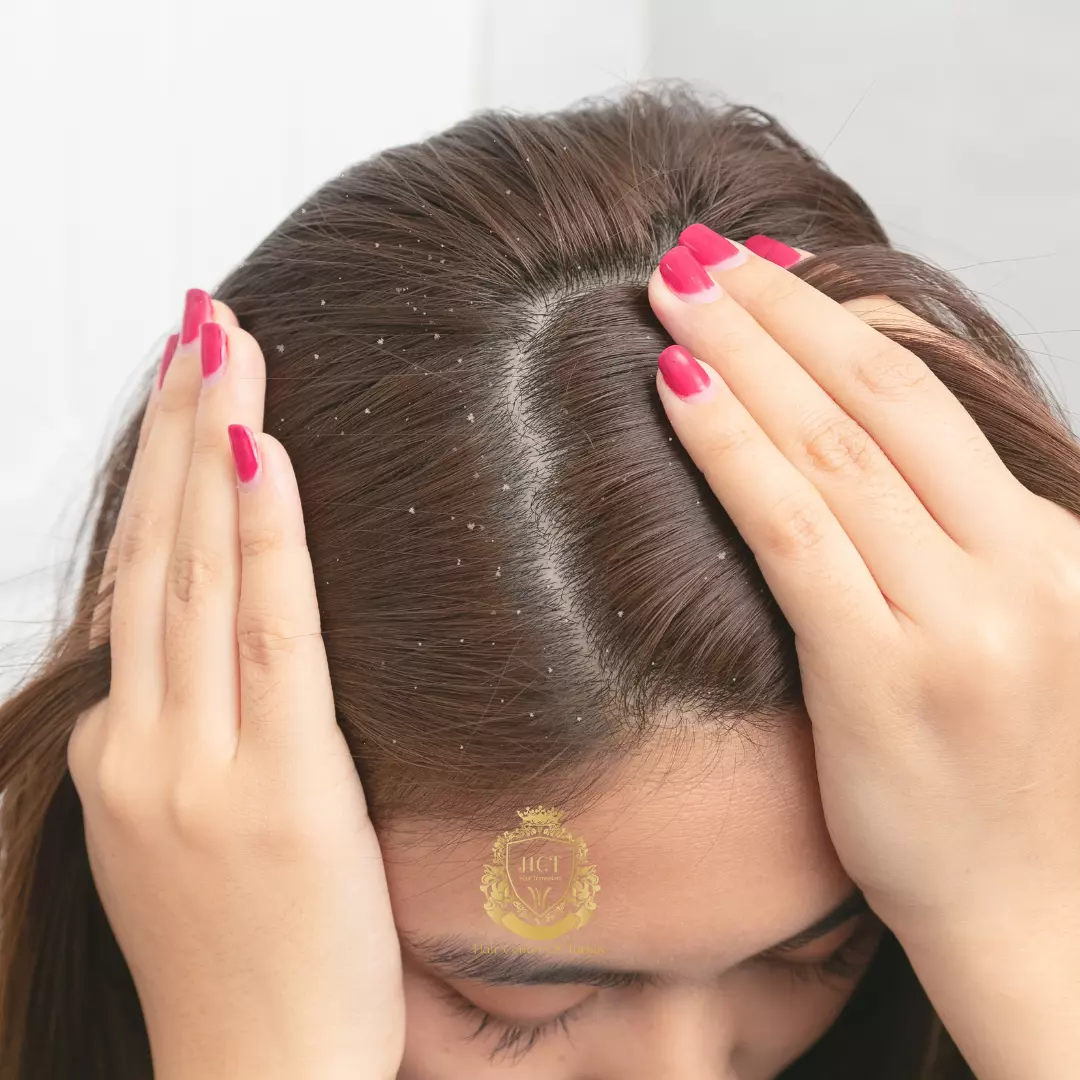
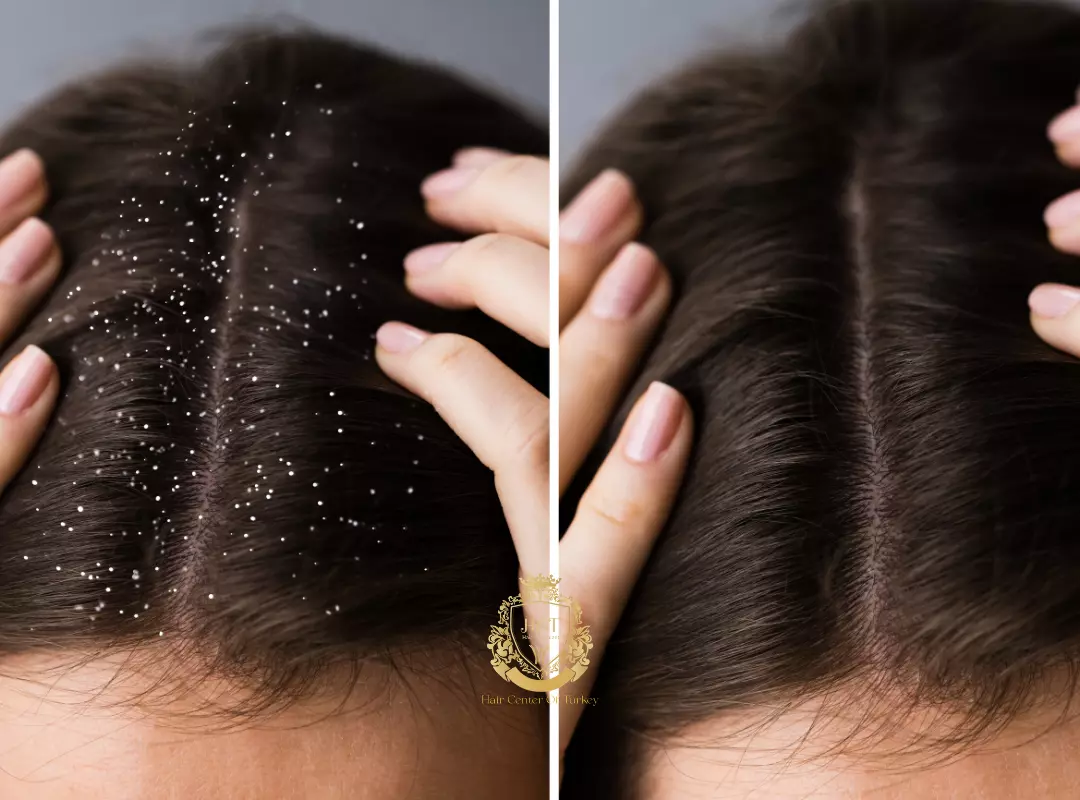
Dandruff is a common scalp condition that causes visible flakes, itching, and sometimes redness. It’s often linked to seborrheic dermatitis, where the scalp becomes inflamed and sheds skin faster than usual.
Not every flaky scalp is dandruff. Very dry skin can also flake, and conditions like psoriasis, eczema, or contact dermatitis from hair products can look similar. If flakes are thick, silvery, or extend beyond the hairline, it’s worth getting checked.
Common Causes, Triggers, and Risk Factors
More than one factor can be involved. These are the most common triggers:
- Malassezia yeast overgrowth: A normal scalp yeast can multiply and irritate the skin, leading to flaking.
- Oily scalp: Excess sebum can feed yeast and worsen seborrheic dermatitis.
- Dry skin and cold weather: A dehydrated scalp can itch and shed more noticeably.
- Product buildup or irritation: Styling products, fragrances, and harsh surfactants can trigger itching and scaling.
- Stress and poor sleep: These can flare inflammatory skin conditions and make itching feel worse.
- Hormonal shifts: Dandruff can worsen around puberty and other hormonal changes.
- Skin conditions: Seborrheic dermatitis, eczema, and psoriasis can all cause scalp scaling.
- Underlying health factors: Some neurological conditions and immune suppression are associated with more stubborn seborrheic dermatitis.
How To Get Rid of Dandruff
Most people improve with a consistent routine. Start here:
1) Choose An Anti-Dandruff Shampoo Ingredient
Different ingredients work in different ways. If one doesn’t help after a few weeks, switch to another.
| Ingredient | What it does | Good for |
| Ketoconazole | Antifungal that targets yeast on the scalp | Itchy, inflamed dandruff; stubborn flakes |
| Zinc pyrithione | Antifungal and antibacterial | Mild–moderate dandruff; maintenance |
| Selenium sulfide | Reduces yeast and slows skin cell turnover | Oily scalp and recurrent dandruff |
| Salicylic acid | Loosens and lifts scales | Thick, stuck-on flakes; can be drying |
| Coal tar | Slows skin cell turnover | Scaling; may irritate sensitive scalps and can stain light hair/fabrics |
2) Use The Shampoo Correctly
- Wet the scalp thoroughly and apply shampoo to the scalp (not just the hair).
- Massage gently with fingertips for 30–60 seconds.
- Leave it on for 3–5 minutes so the active ingredient can work.
- Rinse well. Follow with conditioner on mid-lengths and ends if needed.
- Use 2–3 times per week at first. On other days, use a gentle, fragrance-light shampoo if you wash daily.
Tip: If your scalp is very oily, a quick first wash to remove buildup, followed by a second wash left on for a few minutes, can help.
3) Keep Your Scalp Routine Simple
- Avoid heavy oils on the scalp if you’re prone to dandruff—many people find they make flakes worse.
- Limit leave-in styling products at the roots, and clarify if you notice buildup.
- Use lukewarm water; very hot water can aggravate dryness and itching.
- Don’t scratch. Scratching can inflame the scalp and increase shedding.
- If you dye your hair or use chemical treatments, choose gentle formulas and avoid applying them on irritated scalp.
4) Support Scalp Health From The Inside
Diet doesn’t cause dandruff for most people, but overall health affects your skin barrier and inflammation. Aim for a balanced diet with adequate protein, iron, zinc, and B vitamins. If you suspect a deficiency, a clinician can check levels before you supplement.
Stress management helps some people reduce flare-ups. Simple options include regular exercise, consistent sleep, and short breathing or mindfulness practices.
When To See a Dermatologist
Book an appointment if you notice any of the following:
- No improvement after 4–6 weeks of consistent anti-dandruff shampoo use
- Severe redness, burning, pain, crusting, or oozing
- Patchy hair loss or broken hairs
- Thick plaques that extend beyond the hairline (possible psoriasis)
- Dandruff in a baby (cradle cap) that looks infected or widespread
- Frequent relapses that require constant treatment
A dermatologist can confirm the diagnosis and may prescribe stronger antifungal shampoos/lotions, topical corticosteroids for short-term inflammation control, or other targeted treatments.
FAQ
How do you get rid of dandruff fast?
Use ketoconazole or zinc pyrithione shampoo daily; leave on 5 minutes.
What is the main cause of dandruff?
Overgrowth of Malassezia yeast with scalp inflammation and excess oil triggers dandruff.
Is it okay to scratch dandruff?
No; scratching worsens irritation, breaks skin, and increases infection risk.
What kills dandruff overnight?
Nothing cures overnight; medicated shampoo and leaving lather on reduces flakes by morning.
What’s inside the dandruff?
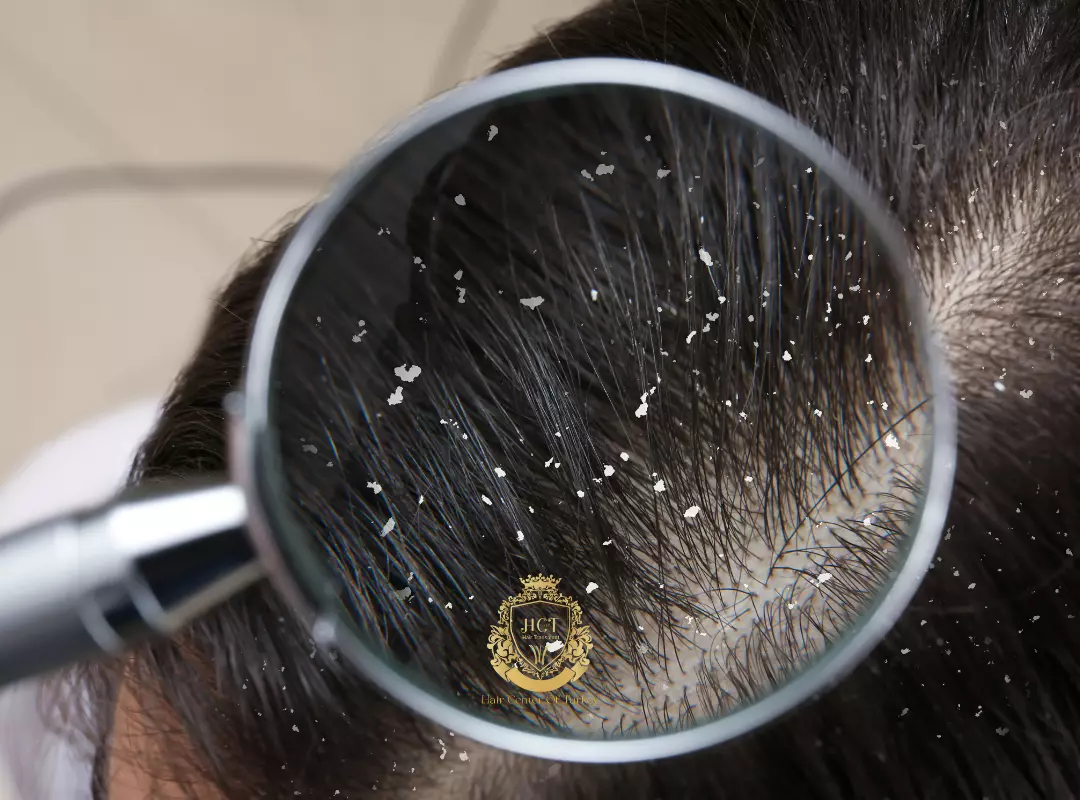
Dandruff contains dead skin cells, sebum, and sometimes Malassezia yeast fragments.
How to remove dandruff naturally?
Wash regularly, use tea tree shampoo, avoid harsh products, and moisturize scalp.
Explore the complete guide: Scalp Conditions and Hair Health