

Medications for the treatment of hair loss
Minoxidil and finasteride are the most widely studied medications for androgenetic (pattern) hair loss. Used consistently, they can slow shedding and, for many people, improve hair density over time. Results usually take months, and stopping treatment often leads to a gradual return to the pre-treatment pattern.
Hair loss can affect both men and women, and the right treatment depends on the cause. The medications below are mainly used for androgenetic alopecia (pattern hair loss), which is influenced by genetics and hormones.
Table of Contents
When medication helps most
Medication is most useful when hair follicles are still active and producing miniaturized hairs. If an area has been completely bald for a long time, regrowth is less likely.
Before starting any prescription treatment, a clinician may check for contributors such as iron deficiency, thyroid disease, recent illness, rapid weight loss, or scalp inflammation.
Evidence-based options
For pattern hair loss, the best-studied options include topical minoxidil and oral finasteride. Some people also use low-level light therapy devices or clinician-led treatments such as platelet-rich plasma (PRP).
Minoxidil
Minoxidil is a topical medication available as a solution or foam. It is typically applied once or twice daily to thinning areas.
What it does
Minoxidil can slow shedding and may stimulate thicker, longer hairs by supporting the hair growth cycle. It does not create new follicles, but it can improve the performance of follicles that are still alive.
When to expect results
Many people notice early changes after 2–8 weeks, which can include temporary increased shedding. Visible improvement usually takes about 3–6 months of consistent use, and maximum benefit may take longer.
How to use it well
- Apply to a dry scalp and let it fully dry before styling or going to bed.
- Use the amount on the product label or prescribed by your clinician—more is not better.
- If you miss a dose, restart your usual routine; avoid doubling up.
Common side effects
- Scalp irritation, dryness, flaking, or itching
- Temporary shedding in the first weeks
- Unwanted facial hair growth if the product drips or transfers to the face
Stop and seek medical advice urgently if you develop chest pain, fainting, rapid heartbeat, swelling of hands or feet, or severe dizziness.
What happens if you stop?
If you stop minoxidil, any benefit is usually lost gradually over several months and hair often returns to its previous pattern. Stopping does not typically make hair loss worse than it would have been without treatment, but it can feel sudden because the gains fade.
Finasteride
Finasteride is a prescription tablet that reduces dihydrotestosterone (DHT), a key hormone involved in male pattern hair loss.
What it does
In men with androgenetic alopecia, finasteride can slow hair loss and, for many, improve hair growth over time.
When to expect results
Most people need at least 3 months to judge early response, with clearer changes often seen around 6–12 months. Benefits are maintained only while the medication is continued.
Who should avoid it
- People who are pregnant or may become pregnant should not use finasteride, and should avoid handling crushed or broken tablets.
- Finasteride is not routinely used for women with hair loss unless prescribed off-label by a specialist with strict pregnancy precautions.
Possible side effects
- Reduced libido, erectile dysfunction, or changes in ejaculation
- Breast tenderness or enlargement
- Mood changes in a small number of users
If you develop breast lumps, nipple discharge, severe mood symptoms, or signs of an allergic reaction, stop the medication and seek medical advice.
What happens if you stop?
If you stop finasteride, DHT levels return toward baseline and hair loss may gradually resume. Any improvement is typically lost over months.
Using minoxidil and finasteride together
Some clinicians recommend combining minoxidil and finasteride because they work through different mechanisms. This can be helpful for men who want a stronger, two-pronged approach.
After a hair transplant
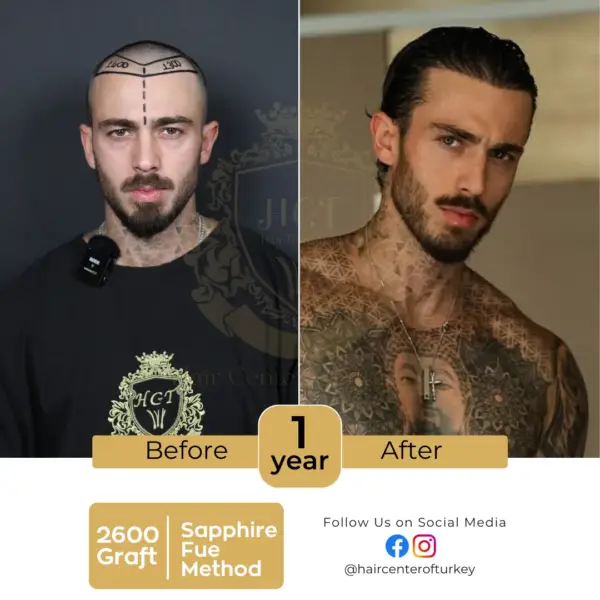
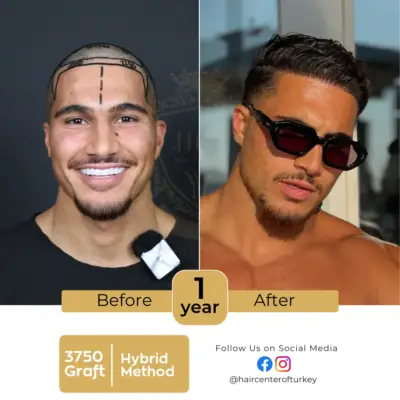
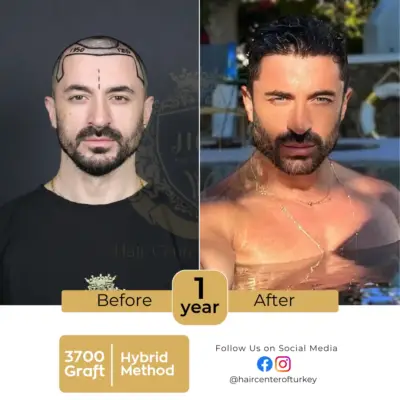
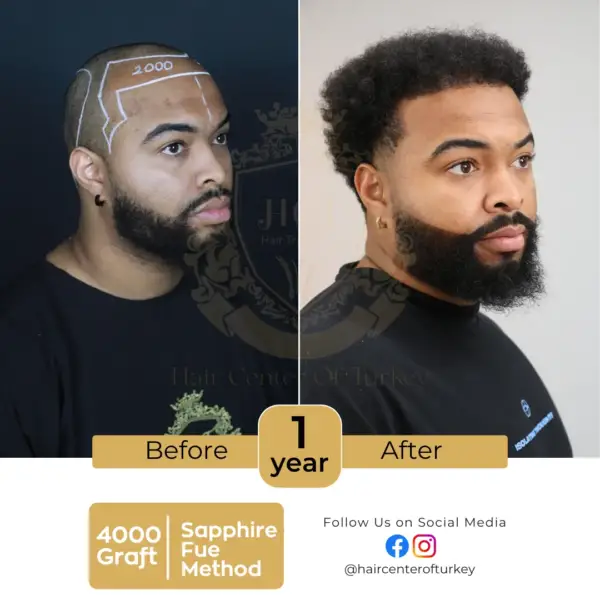
After a transplant, medication may be used to protect existing, non-transplanted hair. Timing depends on healing, scalp sensitivity, and your surgeon’s protocol.
Quick answers
Does minoxidil grow new hair?
It can improve hair density by thickening miniaturized hairs and extending the growth phase. It does not create brand-new follicles, so results vary by how active the follicles are.
Does finasteride grow new hair?
In many men, finasteride slows progression and can increase hair growth over time, especially on the crown. Response varies between individuals.
How long do I need to use these treatments?
Pattern hair loss is usually long-term. If a medication works for you and you tolerate it, ongoing use is typically needed to maintain results.
When to speak to a specialist
If you are unsure why you are shedding, have sudden patchy loss, scalp pain, scaling, or rapid thinning, seek a dermatology assessment. You may also want specialist advice if you are considering a hair, beard, or eyebrow transplant.
At the Hair Center of Turkey Health Centre, hair, beard, and eyebrow transplants are performed under specialist supervision. If you are exploring surgical options, ask for a personalised plan that includes diagnosis, realistic expectations, and aftercare.
Medical disclaimer: This information is for general education and does not replace a clinician’s advice. Always follow product instructions and discuss risks, benefits, and interactions with a qualified healthcare professional.
Frequently Asked Questions
What is the best medication for hair loss?
Minoxidil and finasteride are first-line for pattern hair loss.
Can minoxidil give headaches?
Yes, minoxidil can cause headaches, especially if it’s absorbed systemically.
What do dermatologists prescribe for thinning hair?
Dermatologists prescribe minoxidil, finasteride, spironolactone, or oral minoxidil for suitable patients.
What helps alopecia hair grow back?
Steroid injections and topical immunotherapy can regrow hair in alopecia areata.
Who should not use minoxidil?
Avoid minoxidil if pregnant, breastfeeding, under 18, or with uncontrolled heart disease.
What vitamins am I lacking if my hair is falling out?
Low ferritin, vitamin D, zinc, or B12 can contribute to hair shedding.
What are the best shampoos for hair loss?
Use gentle, anti-inflammatory shampoos; ketoconazole may help with dandruff-related shedding.
What blood test is done for hair loss?
Doctors often order CBC, ferritin, TSH, and vitamin D; sometimes hormone tests.