

What Is IGF Hair Treatment?
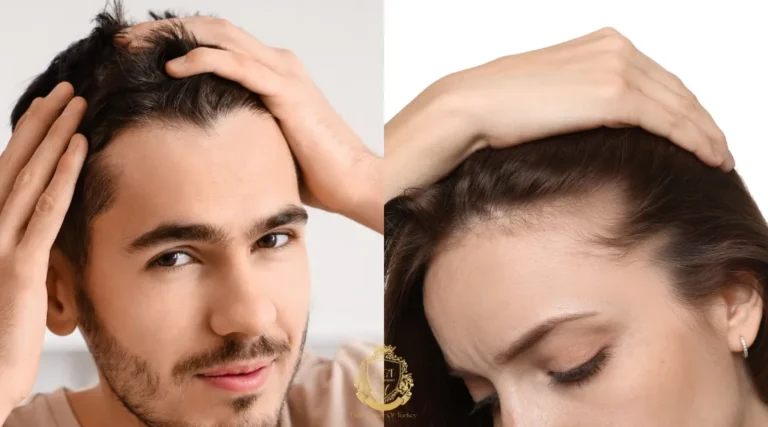
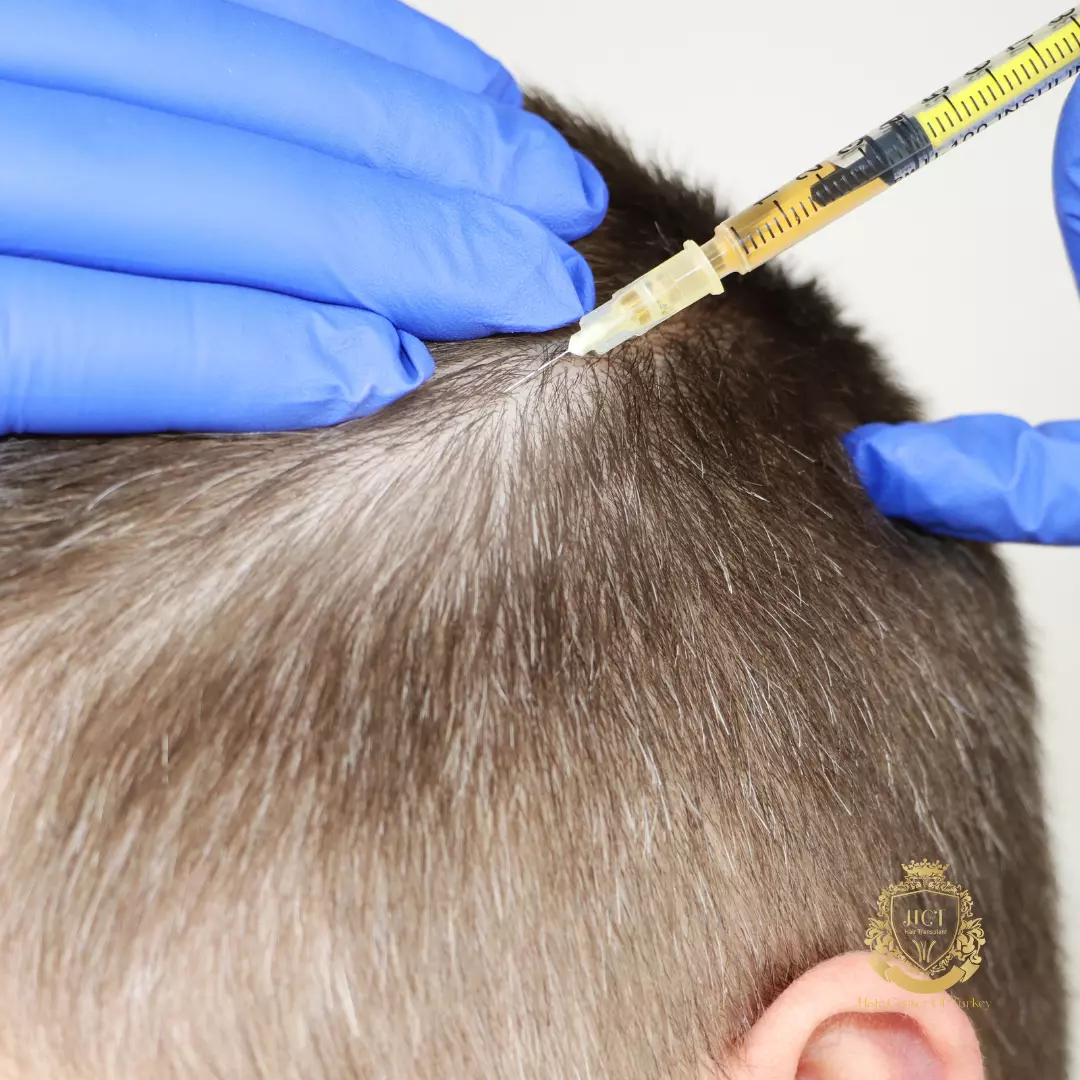
IGF hair treatment is a supportive scalp therapy that uses a growth‑factor–based serum (often described as insulin‑like growth factor, IGF‑1) to help strengthen existing hair follicles. It’s commonly offered to reduce shedding and improve hair quality, especially after hair transplant, by delivering active ingredients into the scalp through microinjections or microneedling.
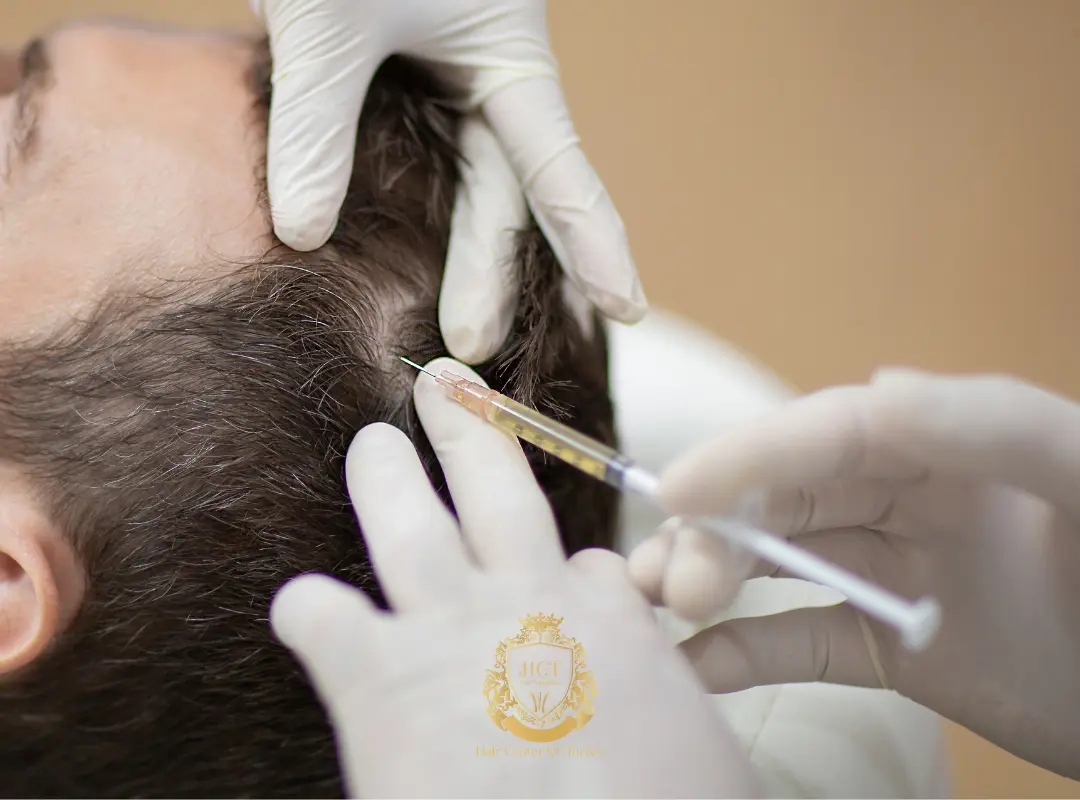
Table of Contents
Hair loss and thinning can happen for many reasons
Genetics, hormonal changes, nutritional gaps, stress, certain medications, and chronic illness can all contribute to hair thinning.
Because causes vary, the best treatment plan starts with a proper assessment of the scalp and the pattern of hair loss.
Clinic-based options often include PRP, mesotherapy, low-level laser therapy, and hair transplantation. IGF is usually positioned as a supportive, non-surgical add-on rather than a stand-alone cure.
What “IGF” means in hair treatment
IGF most commonly refers to insulin-like growth factor (often IGF‑1), a protein involved in cell growth and tissue repair.
In hair clinics, “IGF treatment” typically describes a prepared serum or cocktail that aims to improve the scalp environment and support follicles that are still alive.
Exact formulas and brands vary by clinic, so it’s worth asking what’s inside the product and how it will be applied.
What IGF hair treatment is designed to do
IGF sessions are generally used to help existing follicles perform better, not to create new follicles where none exist.
People seek it to slow down shedding, improve hair shaft thickness, and make hair look healthier, shinier, and more resilient.
Results are usually gradual, and they depend on factors such as the cause of hair loss, baseline follicle health, and consistency of sessions.
Who may be a good candidate
People with early-stage thinning, increased shedding, or weakened hair quality may be considered for IGF-based scalp therapy.
It’s also commonly recommended as a supportive step after hair transplant to help the grafted area and surrounding native hair look stronger during recovery.
If an area has no functioning follicles (for example, smooth bald patches with advanced loss), IGF treatment is unlikely to help that specific area.
How IGF hair treatment is applied
Clinics usually plan the number of sessions after evaluating the size of the area being treated and the degree of thinning.
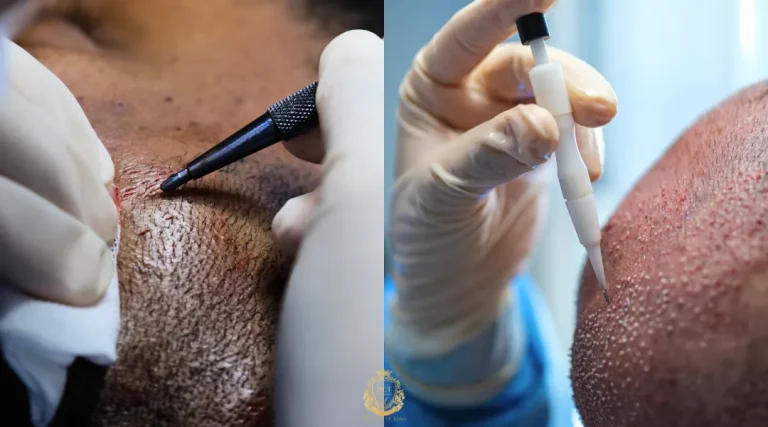
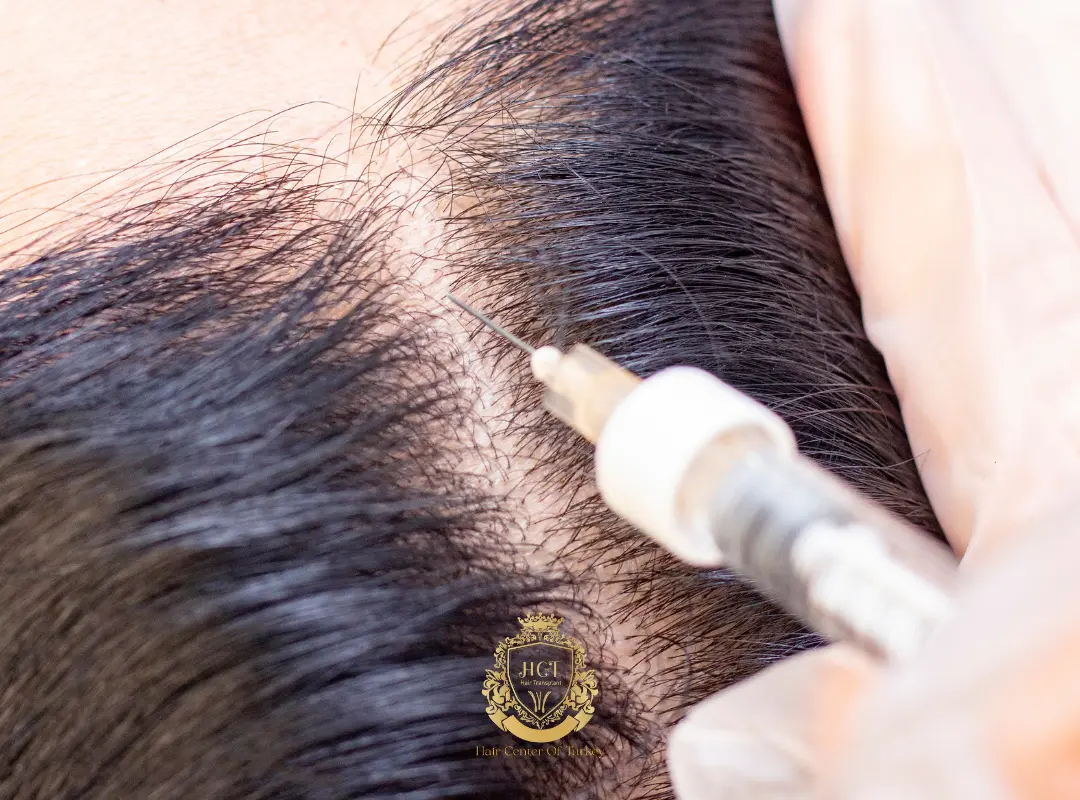
The serum may be delivered through microinjections into the scalp, or paired with microneedling/dermapen techniques to improve penetration.
The session time and protocol vary, but most people describe it as tolerable discomfort rather than severe pain.
How many sessions are usually recommended
Many clinics suggest a short series (often around 3–6 sessions) spaced a few weeks apart, then maintenance sessions if needed.
Your plan may change based on your response, the underlying diagnosis, and whether you’re combining IGF with other treatments.
If a clinic promises guaranteed regrowth or fixed percentages, treat that as a red flag and ask for realistic expectations.
When to expect changes
Some people notice less shedding first, followed by improvements in hair texture and perceived density over the next few months.
Hair grows in cycles, so visible improvement often takes time even when a treatment is working.
Progress photos under consistent lighting are one of the most practical ways to track changes.
Side effects and safety
Temporary redness, mild swelling, tenderness, or pinpoint bleeding can happen when injections or microneedling are used.
Because protocols differ, ask about sterility standards, who performs the procedure, and what to do if you develop irritation or infection signs.
If you have a bleeding disorder, active scalp infection, or are pregnant or breastfeeding, you should discuss suitability with a clinician first.
IGF vs PRP vs mesotherapy: what’s the difference?
These treatments can sound similar because they all aim to improve the scalp environment, but they are not the same.
PRP is made from your own blood by concentrating platelets, then injecting the platelet-rich plasma into the scalp.
Mesotherapy usually refers to microinjections of vitamins, amino acids, and other supportive ingredients. IGF treatment is typically described as a growth-factor–based serum approach, sometimes combined with microneedling depending on the clinic protocol.
Aftercare tips that support results
Follow your clinic’s instructions about washing your hair, styling products, and exercise for the first 24–48 hours after a session.
Avoid scratching the scalp and skip saunas, steam rooms, and swimming until any redness settles.
Long-term results also depend on basics: adequate protein intake, iron and vitamin status when deficient, gentle scalp care, and treating the root cause of hair loss when possible.
FAQ
Does IGF help with hair growth?
IGF-1 supports follicles, but IGF therapies have limited, inconsistent clinical evidence.
Does GFC regrow hair permanently?
No, GFC effects aren’t permanent; maintenance treatments are usually needed for ongoing androgenetic alopecia.
Is GFC costly than IGF?
Often no; IGF packages can cost more, but pricing varies widely by clinic
Is Regenix the same as Rogaine?
No, Regenix is a hair-care system; Rogaine is minoxidil medication.
Will DHT blockers regrow hair?
Yes, DHT blockers can slow loss and regrow some hair, especially early.
Explore the complete guide: Hair Loss Treatments