





Which Oils Are Good For Hair Loss And Hair Growth?
Natural oils can support scalp health, reduce breakage, and improve hair quality when used correctly.
They do not reverse genetic hair loss, but they may help strengthen existing hair, improve moisture balance, and create a healthier scalp environment.
How Natural Oils Support Hair Health
External factors such as heat styling, chemical products, weather changes, and friction can weaken hair shafts and irritate the scalp. When hair is not properly cared for, damage may accumulate and contribute to thinning or breakage.
Natural oils can help by:
Improving moisture retention
Reducing scalp dryness and flaking
Supporting hair shaft strength
Enhancing shine and manageability
Selection should always consider hair type and scalp sensitivity. Patch testing is recommended before regular use.
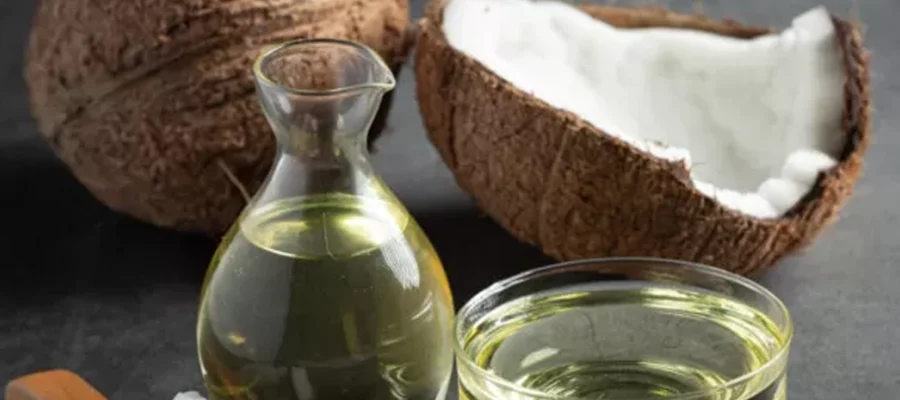
Coconut Oil
Coconut oil penetrates the hair shaft more effectively than many other oils, helping reduce protein loss.
Potential benefits
Helps reduce dryness and breakage
Supports scalp moisture
May improve shine and softness
How to use
Warm a small amount until liquefied. Apply to mid-lengths and ends or lightly massage into the scalp. Leave for 30–45 minutes, then wash thoroughly.
Olive Oil
Rich in vitamin E and fatty acids, olive oil is traditionally used to improve hair softness and elasticity.
Potential benefits
Adds shine
Supports dry or coarse hair
Helps reduce surface damage
How to use
Warm gently and apply to hair lengths. Leave for up to 30 minutes, then shampoo.
Argan Oil
Argan oil is lightweight and suitable for frequent use, especially on damaged or frizzy hair.
Potential benefits
Improves moisture balance
Reduces frizz
Supports hair elasticity
How to use
Apply a few drops to damp or dry hair ends. For deeper care, use as a pre-wash mask for 30 minutes.
Lavender Oil
Lavender oil is an essential oil with soothing and antimicrobial properties.
Potential benefits
Helps calm irritated scalp
May support circulation
Provides a relaxing effect
How to use
Always dilute. Mix a few drops with a carrier oil such as coconut or jojoba oil. Massage lightly and rinse after 5–10 minutes.
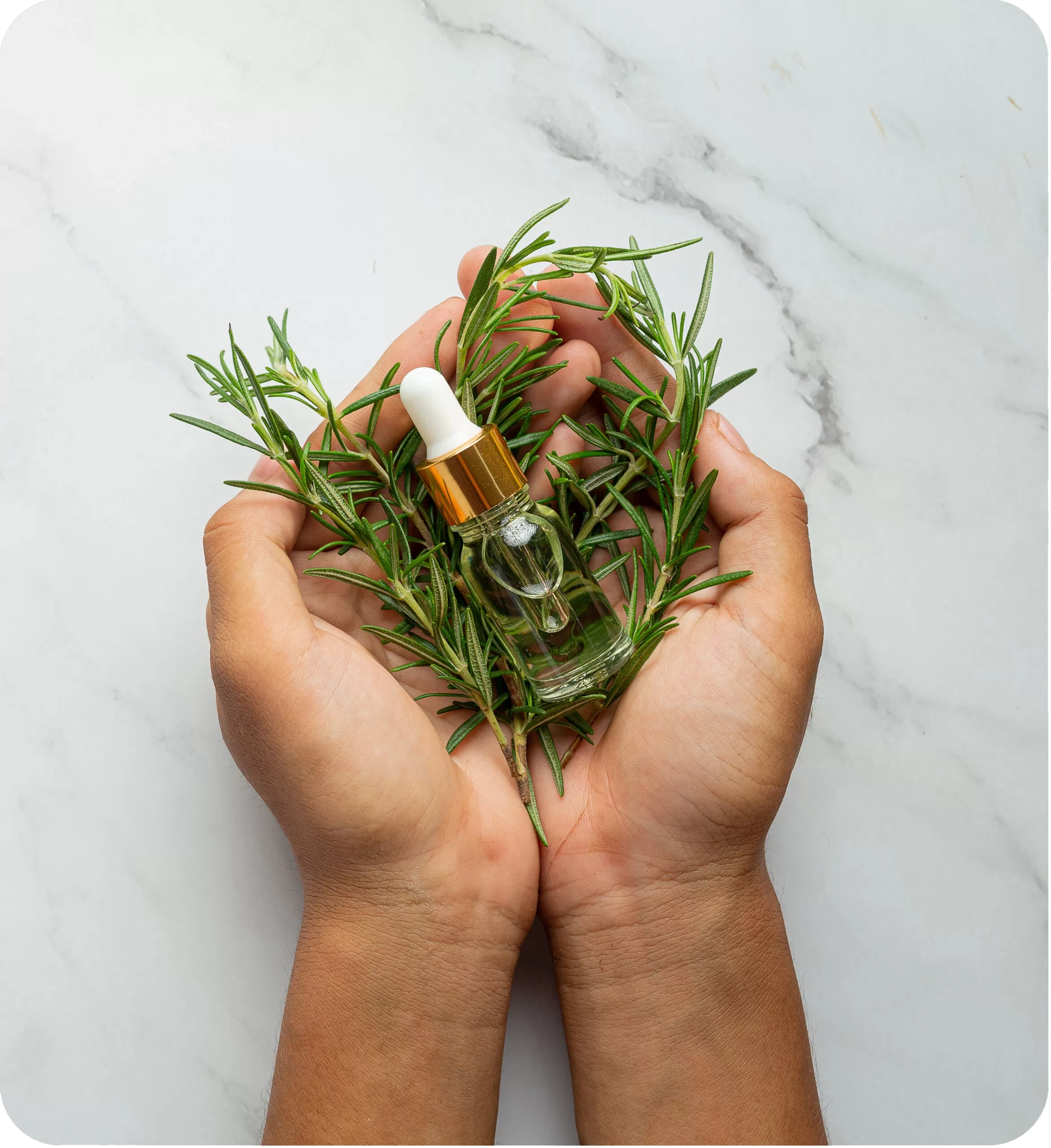
Rosemary Oil
Rosemary oil is often associated with scalp stimulation.
Potential benefits
Supports scalp circulation
Helps maintain scalp balance
May reduce flaking
How to use
Dilute with a carrier oil before scalp application. Leave for up to one hour, then wash.
Sweet Almond Oil
Sweet almond oil is rich in vitamins and antioxidants and is generally well tolerated.
Potential benefits
Softens hair
Supports dry scalp
Improves hair texture
How to use
Apply to scalp and hair lengths once or twice weekly. Leave for one hour before washing.
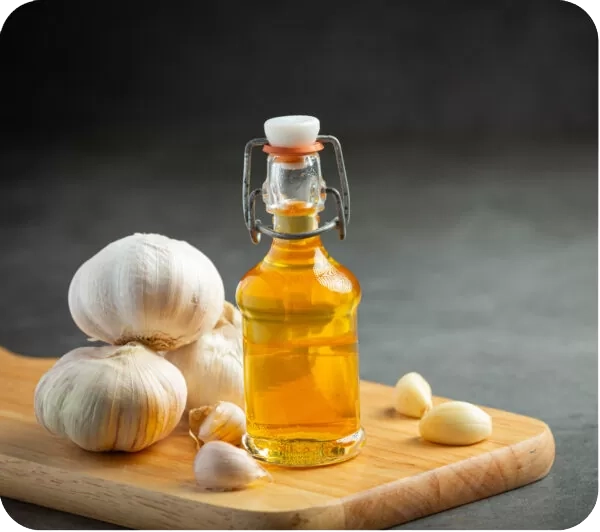
Garlic Oil
Garlic oil contains sulfur compounds and antioxidants.
Potential benefits
Supports scalp hygiene
May help reduce dandruff
Strengthens hair shafts
How to use
Use sparingly due to potency. Apply diluted, leave for a limited period, and wash thoroughly.
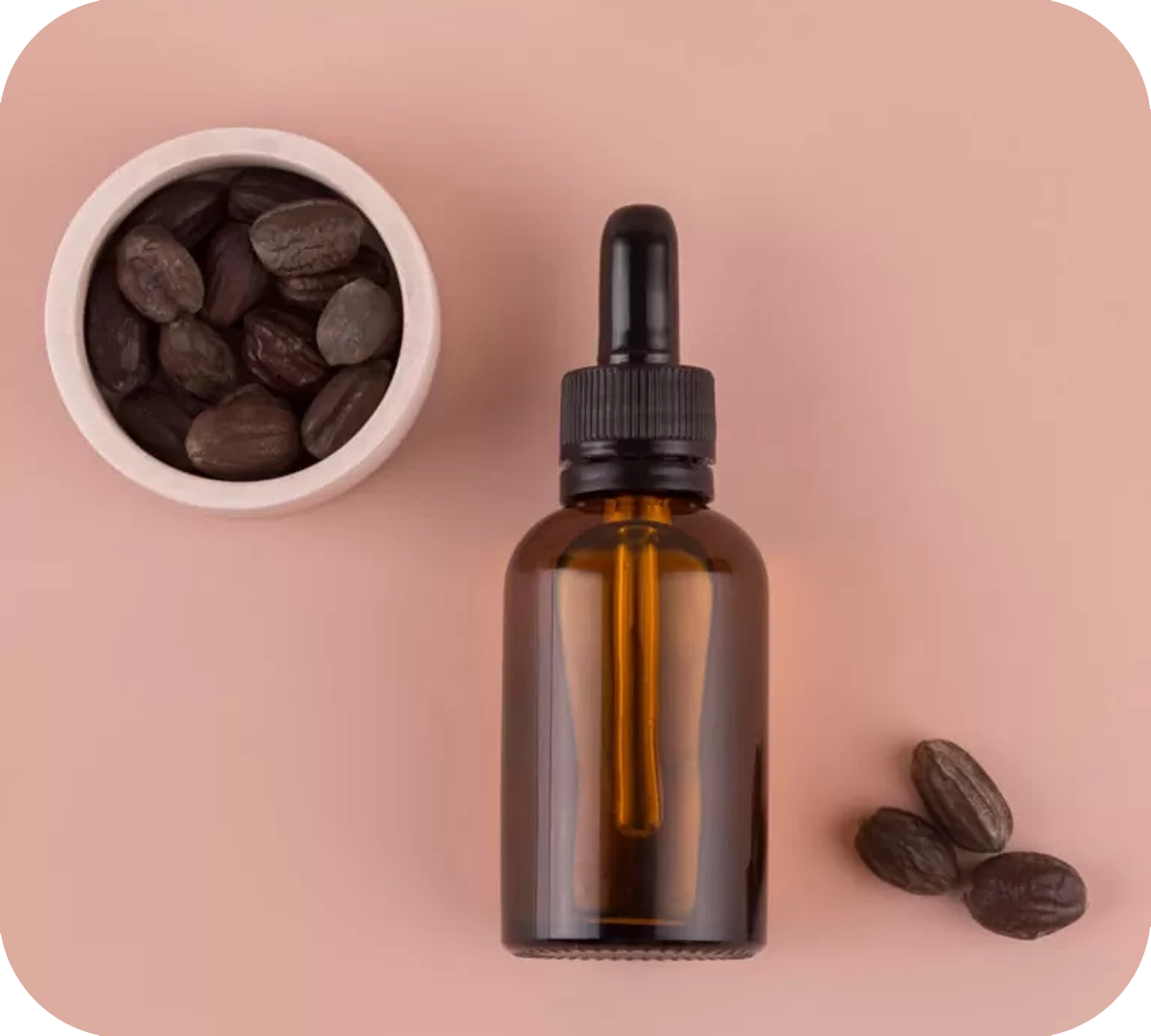
Jojoba Oil
Jojoba oil closely resembles natural scalp sebum.
Potential benefits
Balances scalp oil production
Supports dry or flaky scalp
Improves hair softness
How to use
Massage a small amount into the scalp or mix into conditioner. Leave for 1–2 hours before washing.
Pine Turpentine Oil
Pine turpentine oil is highly concentrated and should be used with caution.
Potential benefits
Supports scalp circulation
May improve hair appearance
How to use
Always dilute with a carrier oil or add a small amount to shampoo. Discontinue if irritation occurs.
Castor Oil
Castor oil is thick and rich in ricinoleic acid.
Potential benefits
Improves hair thickness appearance
Supports scalp moisture
Reduces breakage
How to use
Apply sparingly to damp hair or mix with a lighter oil. Leave for 1–2 hours before washing.
Important Safety Notes
Natural oils do not treat genetic or hormone-related hair loss.
Essential oils must always be diluted.
Excessive use can clog follicles or irritate sensitive scalps.
Discontinue use if redness, itching, or discomfort occurs.
Frequently Asked Questions
Can oils stop hair loss?
Oils support hair health but do not stop genetic hair loss. They help protect existing hair.
How often should oils be used?
One to two times per week is generally sufficient, depending on hair type.
Can oils regrow lost hair?
No. Oils improve hair quality but do not regenerate inactive follicles.
Are essential oils safe for the scalp?
Yes, when diluted properly and used in moderation.
Should oils replace medical treatment?
No. Oils can complement care but do not replace medical evaluation when hair loss is progressive.