Medications And Treatments To Consider Before A Hair Transplant
Before a hair transplant, some medications and supplements may need to be paused to reduce bleeding risk and support healing. Blood thinners, certain vitamins/herbals, and topical minoxidil are common examples. Finasteride is usually continued. Never stop prescription drugs on your own—your surgeon should coordinate changes with your prescribing doctor.
Why Pre-Op Medication Planning Matters
A hair transplant is a medical procedure where bleeding control, graft survival, and proper healing all matter. What you take in the days leading up to surgery can affect those outcomes. A clear medication plan also helps your medical team personalize your care and reduce avoidable risks.
Medications And Topicals: What To Continue, Pause, Or Review
Finasteride (Propecia)
What it is: An oral medication that helps reduce DHT, commonly used for male pattern hair loss.
Do you stop it before surgery? In most cases, no. Many clinics advise continuing it before and after the procedure to support existing hair and reduce shedding.
Important note: If you’ve had side effects, your doctor may recommend a different approach under medical supervision.
Minoxidil (Rogaine)
What it is: A topical treatment that supports hair growth by improving scalp circulation.
Do you stop it before surgery? Often yes—commonly 5–7 days before—because it may increase bleeding for some patients.
When can you restart? Many clinics allow restarting around 2–3 weeks after surgery, once your doctor confirms your scalp is ready.
Blood Thinners (Anticoagulants And Antiplatelets)
Common examples: Aspirin, Clopidogrel (Plavix), Warfarin, Heparin, Rivaroxaban.
Why they matter: These can raise bleeding risk during extraction and implantation.
When are they stopped? Often 7–10 days before, but only with the prescribing doctor’s approval since these drugs can be critical for heart and vascular conditions.
Vitamins And Herbal Supplements
Common examples: Ginkgo biloba, garlic pills, Vitamin E, Omega-3.
Why they matter: Many have mild blood-thinning effects and may increase bruising or bleeding.
Typical guidance: Stopping them at least 7 days before is commonly recommended, unless your doctor advises otherwise.
Antibiotics And Anti-Inflammatory Drugs (NSAIDs)
Antibiotics: Some clinics prescribe these around surgery for prevention based on the patient and protocol.
NSAIDs: Some anti-inflammatory pain relievers can increase bleeding, so they should only be used if your doctor approves them. If you need pain relief pre-op, ask your clinic what they prefer.
Alcohol And Caffeine: What To Avoid And When
Alcohol
Alcohol can thin the blood and slow healing. Many clinics recommend avoiding it 48–72 hours before surgery.
Caffeine
Caffeine can affect blood pressure and stress response. A common recommendation is to avoid it on the day of surgery, especially if you tend to feel jittery or anxious.
Evaluate Your Health Status Before Hair Transplantation
Your overall health influences both safety and results. Conditions like heart disease, diabetes, high blood pressure, autoimmune disorders, and clotting problems can increase risk during and after surgery. Share your full medical history and every medication you take, including blood pressure drugs, insulin, and any blood thinners. In some cases, your clinic may request clearance from a specialist before proceeding.
Avoid Haircuts And Beard Trimming Before The Procedure
Try not to cut your hair or shave your beard in the weeks leading up to surgery. Keeping your hair in its natural state helps your doctor evaluate the donor area accurately and plan extraction and placement. Longer hair can also help protect the scalp before and after the procedure.
Limit Smoking, Alcohol, Recreational Drugs, And Caffeine
Avoid alcohol, smoking, and caffeine for at least a week before surgery when possible. These can affect circulation and slow healing, and smoking can reduce oxygen delivery to the scalp, which may impact graft survival. If quitting suddenly is difficult, discuss a realistic plan with your clinic so your care stays safe and consistent.
What To Expect On Hair Transplant Day
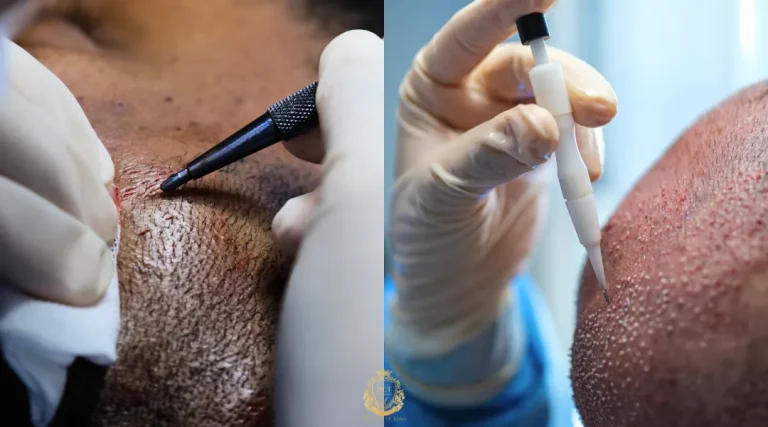
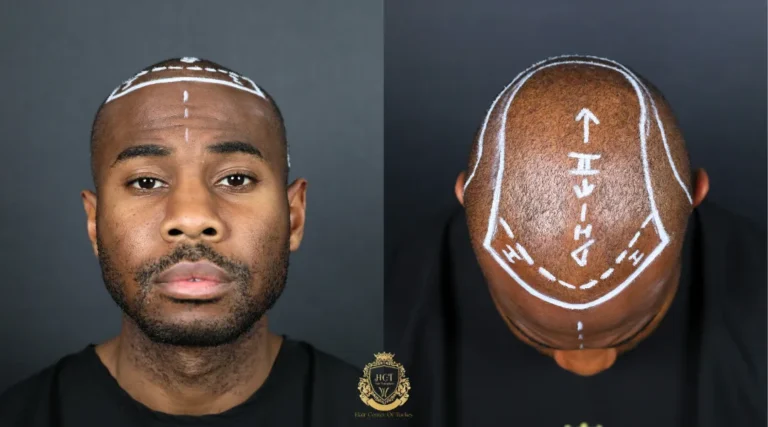
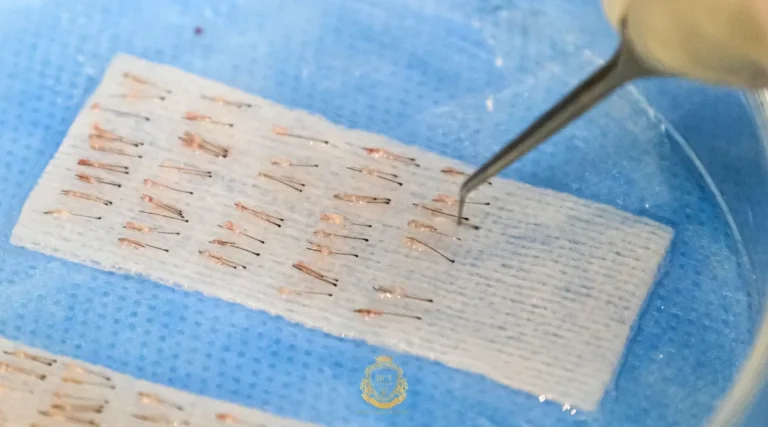
Arrive early wearing comfortable, loose clothing—ideally a button-up or zip-up top to avoid pulling fabric over your head afterward. Your doctor will take photos, mark the donor and recipient areas, and apply local anesthesia. Grafts are harvested and implanted with careful attention to angle and density, and the session commonly takes 6–8 hours with breaks. You’ll receive aftercare instructions and typically go home the same day.
Safety Note You Should Not Skip
Never stop prescription medications without medical guidance. Your hair transplant team should coordinate with your prescribing physician when changes are needed, especially for heart, clotting, or blood pressure medications.
Explore the complete guide: Hair Transplant Planning and Candidacy