





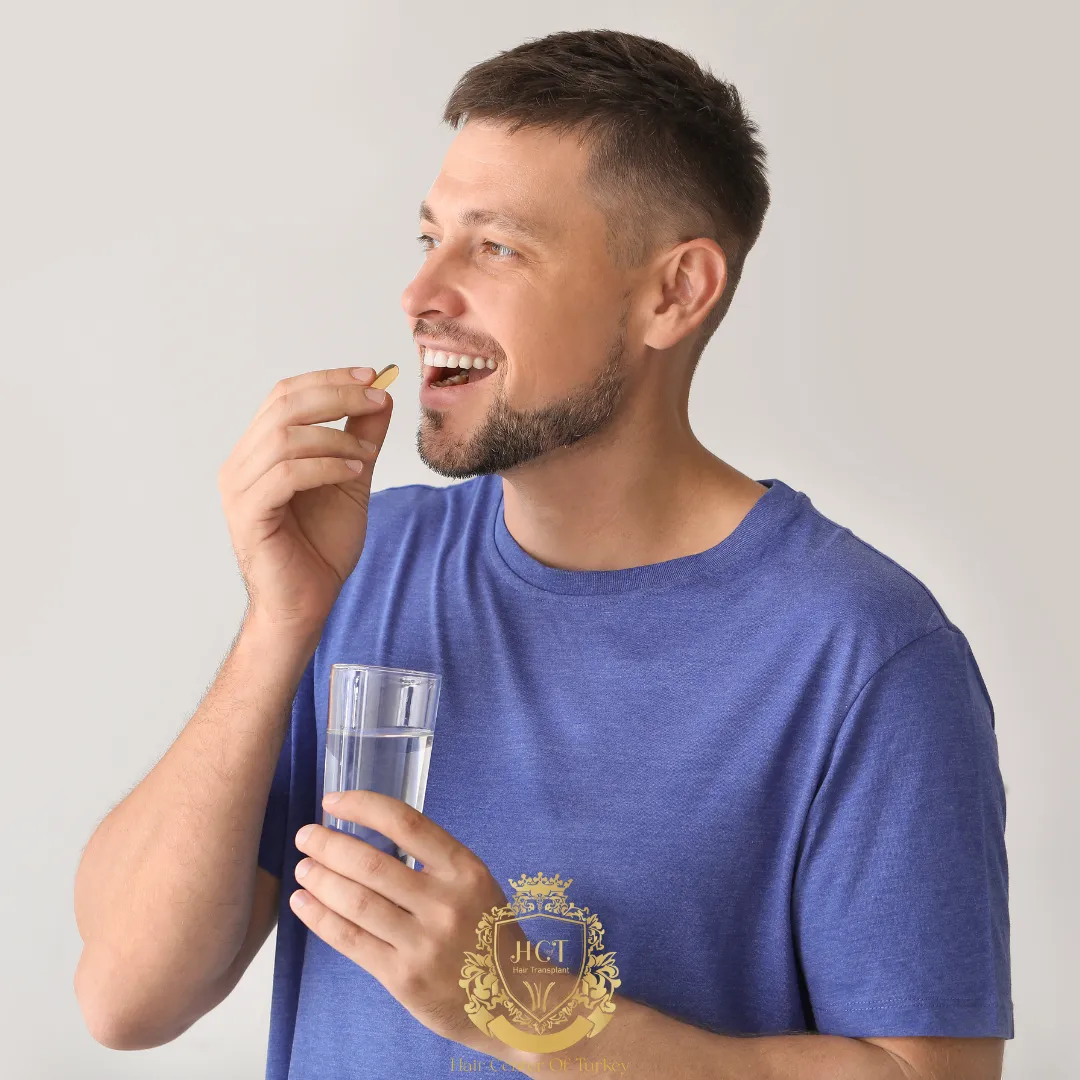
What Is Biotin And What Does Biotin Do For Hair?
Biotin (vitamin B7) helps your body convert food into energy and supports enzymes involved in making proteins like keratin. Most people get enough from food, so supplements rarely improve hair growth unless you have a deficiency or a specific medical risk. High doses can affect some blood test results, so tell your clinician if you take it.
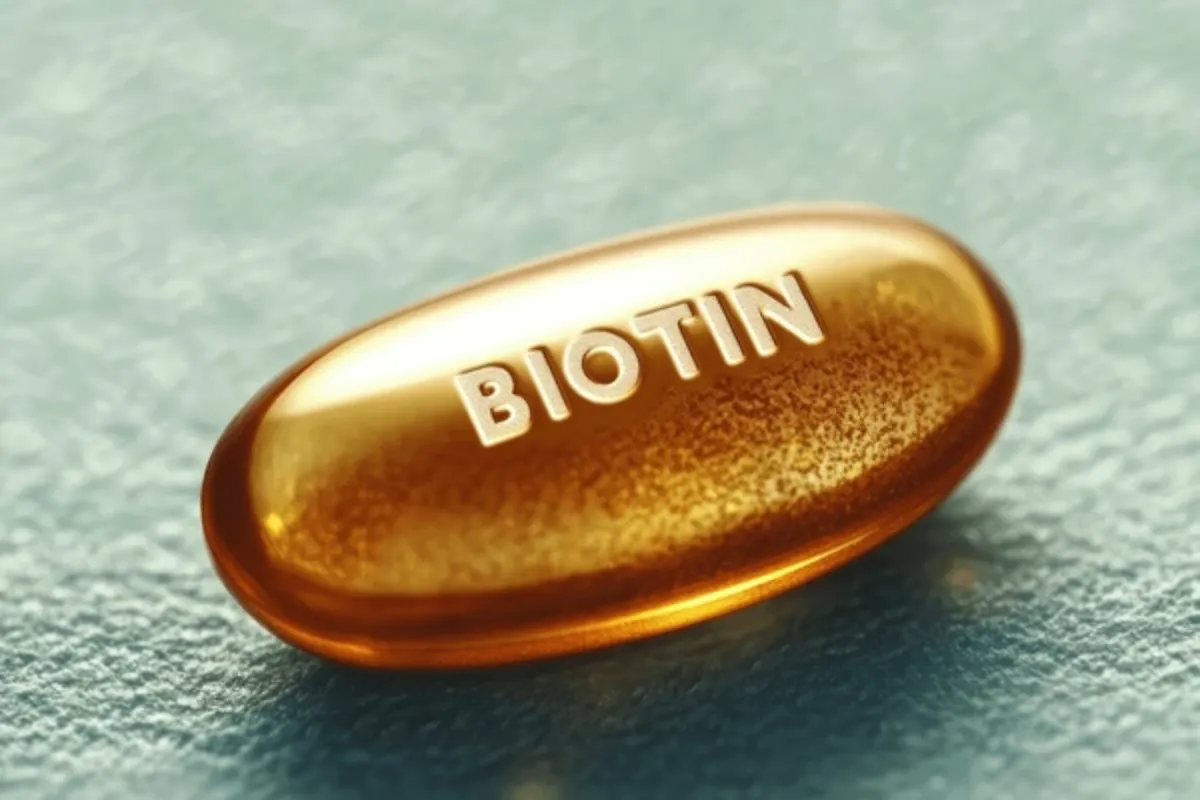
Table of Contents
What Is Biotin?
Biotin is a water-soluble B vitamin also called vitamin B7 (sometimes vitamin H). It acts as a cofactor for enzymes that help your body process carbohydrates, fats, and proteins. Because it is water-soluble, your body doesn’t store large amounts, so regular intake from diet is usually enough.
What Does Biotin Do In The Body?
Biotin supports several carboxylase enzymes that are involved in key metabolic pathways. These pathways help cells generate energy and support normal skin and hair biology. When biotin is truly low, symptoms can include brittle nails, skin rash, and hair thinning.
Does Biotin Help Hair Growth?
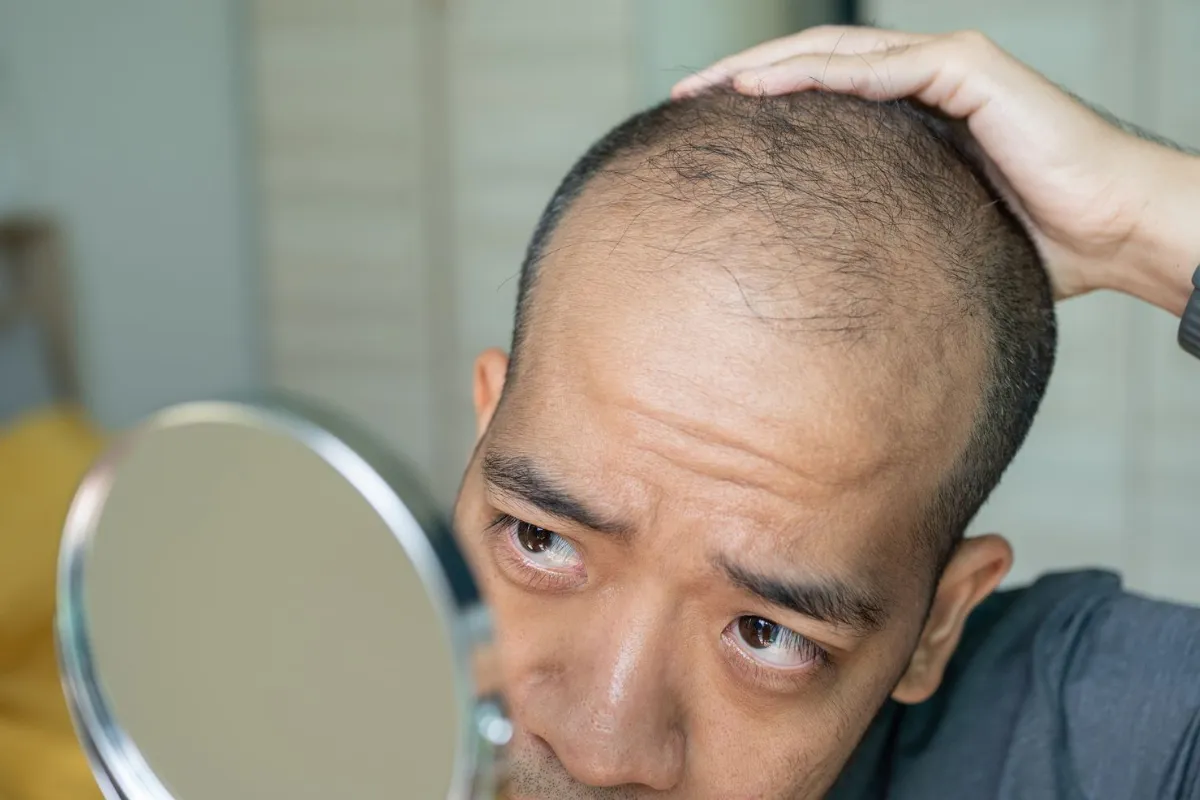
Biotin is often marketed for stronger, thicker hair, but research shows the biggest benefit in people who are deficient or have specific medical conditions that reduce biotin availability. For healthy individuals with normal biotin levels, evidence that extra biotin improves hair growth is limited. If your shedding is driven by genetics, hormones, inflammation, or stress-related telogen effluvium, biotin alone is unlikely to be the main fix.
Who Might Actually Benefit From A Biotin Supplement?
A supplement may be reasonable when there is a higher chance of low biotin or when a clinician suspects a deficiency. Examples include certain inherited enzyme disorders, long-term parenteral nutrition, malabsorption conditions, and some medications. Pregnancy can also change nutrient needs, so it’s best handled with medical guidance rather than high-dose self-supplementation.
- People with confirmed biotin deficiency or clear deficiency risk factors
- Those with malabsorption issues or restrictive diets that are low in biotin-rich foods
- Patients whose clinician recommends it as part of a broader plan (for example, after lab work)
Food Sources Of Biotin
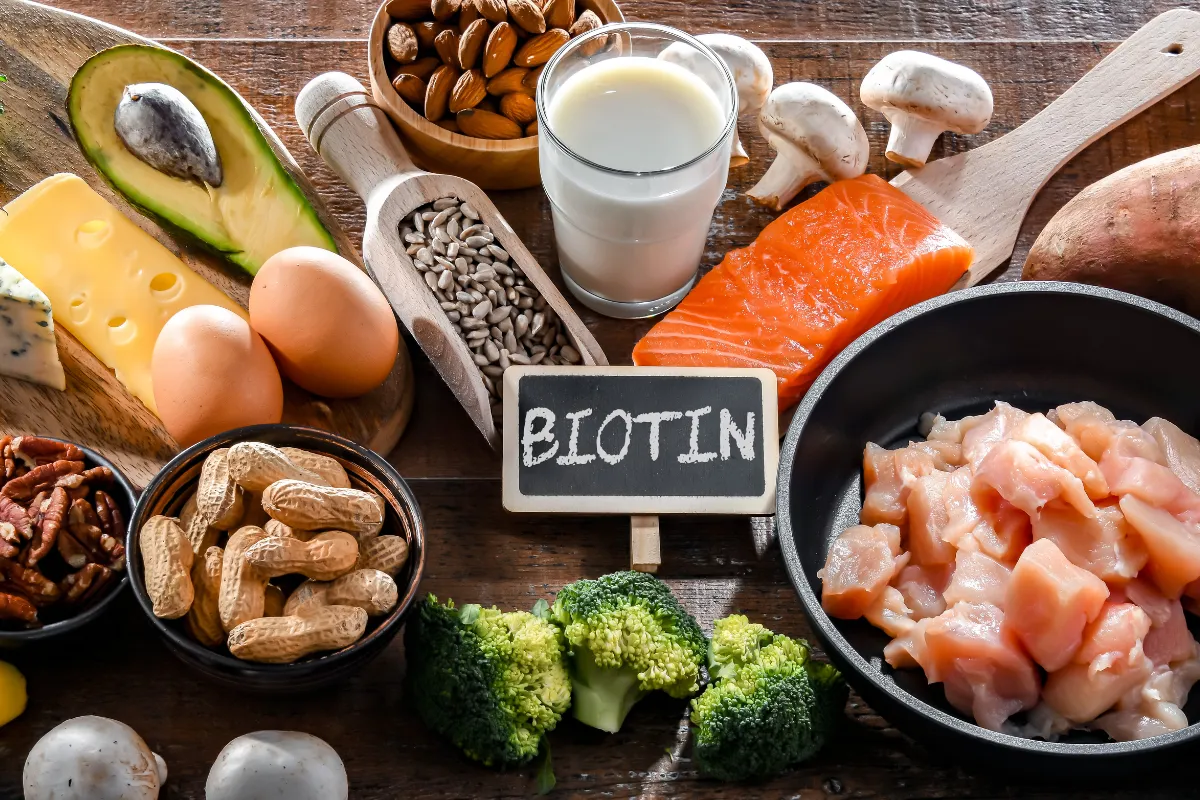
Most diets provide adequate biotin. If you prefer to focus on food first, aim for a variety of protein sources, nuts, seeds, and vegetables. Cooking is fine for most foods, but raw egg whites contain avidin, a protein that can reduce biotin absorption when consumed frequently.
Common biotin-containing foods include:
- Eggs (especially the yolk)
- Nuts and seeds (such as almonds, peanuts, sunflower seeds)
- Legumes
- Sweet potatoes
- Spinach and broccoli
- Whole grains
How Much Biotin Do You Need?
Daily needs are small, and many people meet them through diet alone. Multivitamins often contain biotin in modest amounts, while hair-focused supplements can include much higher doses. If you’re unsure what you’re taking, check the label for micrograms (mcg) or milligrams (mg).
Biotin Supplement Doses: What’s Reasonable?
There isn’t one perfect dose for “hair growth,” because the benefit depends on whether you are deficient. Many over-the-counter products provide thousands of micrograms, which is far above typical daily intake. More is not always better, so it’s smart to match the dose to your situation and your clinician’s advice.
Possible Side Effects And Safety Notes
Biotin is generally well tolerated, but some people report breakouts, stomach upset, or skin irritation—especially with higher-dose supplements. The most important safety issue is that high-dose biotin can interfere with certain lab tests, including some thyroid and cardiac tests. Always tell your healthcare team about biotin before blood work or emergency care.
Can You Use Biotin With Other Hair Treatments?
Biotin can usually be taken alongside common hair-loss treatments, but it shouldn’t replace treatments that target the real cause. For example, androgenetic hair loss typically responds better to proven options like topical minoxidil or prescription therapies when appropriate. If you’re doing PRP or planning a hair transplant, biotin may be used as a supportive supplement, but expectations should stay realistic.
FAQs
What is the downside of taking biotin?
Biotin can skew lab tests and may cause acne-like rash at high doses.
What should you not mix with biotin?
Lab tests: stop high-dose biotin before bloodwork; avoid duplicate high-dose supplements.
What vitamins are good for hair growth?
Only deficiencies matter: vitamin D, B12, folate, biotin, and vitamin C support growth.
What are the big 3 for thinning hair?
Finasteride, minoxidil, and ketoconazole shampoo are the common “big three” for thinning.
What vitamin are you lacking if your hair is thinning?
Vitamin D deficiency is commonly linked; B12 deficiency can also contribute.