






The Best Hair Colors for White Hair
The best hair colors for white hair are shades that either fully cover white strands or blend them softly—think dark brown, chestnut, ash brown, honey blonde, or beige. For a more natural look, balayage, lowlights, or silver toning reduces harsh root lines. Match the shade to your skin tone and choose a maintenance level you can keep up with.

Table of Contents
Why Does Hair Turn White?
Hair turns gray and then white when melanocytes (pigment‑producing cells) slow down or stop making melanin. Aging plays a role, but it’s not the only trigger—many people see early graying for reasons unrelated to age.
Common contributors include:
- Genetics: If close family members grayed early, you’re more likely to follow a similar timeline.
- Stress: Long‑term stress is associated with increased oxidative stress, which may affect hair follicles.
- Vitamin and mineral deficiencies: Low vitamin B12, iron, or copper can be linked with premature graying.
- Hormonal changes: Thyroid imbalances can affect hair quality and pigment.
- Chemical exposure: Frequent bleaching, harsh straighteners, and aggressive coloring can leave hair dry and dull.

How to Choose the Right Hair Color for White Hair
The most flattering color is the one that suits your undertone and looks believable as it grows out. White hair can be more resistant to dye and often feels drier, so your shade choice should balance coverage with the amount of upkeep you want.
Match your shade to your skin tone
- Fair skin: Ash tones, light brown, honey blonde, and beige usually look soft and natural.
- Medium/olive skin: Golden brown, caramel, warm chestnut, and copper add warmth and glow.
- Dark skin: Chocolate brown, deep chestnut, and warm reds tend to look rich and balanced.
Use eye color as a finishing filter
- Blue or green eyes: Cool ash tones, beige blonde, or platinum can make eyes look brighter.
- Brown or hazel eyes: Caramel, copper, chestnut, and warm browns bring out golden flecks.
Pick a maintenance level you can live with
If you don’t want frequent touch‑ups, stay closer to your natural depth (how light or dark your hair is). Ashy and beige tones also help blur the line between new growth and colored hair, so roots don’t shout as quickly.
The Best Hair Colors to Cover White Hair
For full coverage, you’ll usually get the best results with permanent color and a shade that isn’t too light. These options tend to look natural while still hiding stubborn white strands.
Dark Brown
A classic, reliable choice that offers strong coverage and suits most skin tones. Ask for a neutral or slightly warm finish if your complexion looks washed out with cool browns.
Chestnut and Warm Browns
Chestnut brings soft red‑gold undertones that can make hair look fuller and healthier. It’s a great middle ground if black feels too harsh but you still want depth.
Ash Brown or Ash Blonde
Cool shades blend with white regrowth more gracefully, so the root line is less obvious. This is often the best route for people who want a lower‑maintenance routine.
Honey Blonde and Golden Blonde
Warm blondes create a gentle transition with white strands, especially on fair skin. If you have a lot of white, consider highlights or a blended blonde rather than a single flat tone.
Light Brown and Beige Shades
Beige and light brown add softness and shine without looking brassy. They’re especially flattering if you want a polished look but not an ultra‑dark color.
Best Options for a Natural, Effortless Look
Not everyone wants total coverage. If your goal is a soft blend, techniques and toners can make white hair look intentional while keeping regrowth easy to manage.
Balayage or ombré
Lightening selected sections—especially around the face—helps white hair melt into the overall color. Caramel, beige, and light brown balayage work well when you want dimension without constant root touch‑ups.
Silver and metallic toning
If you’re embracing white hair, a gloss or toner can shift it from yellow‑tinged to clean silver. This looks especially sharp with short cuts and modern layers.
Pastel accents (for the bold)
Soft pink, lavender, and icy blue can look surprisingly elegant on a white base. A professional toner matters here—pastels can fade quickly and may stain porous ends if the formula isn’t right.
2026 Trend Hair Colors That Work Well on White Hair
In 2026, the trend conversation is leaning toward glossy, dimensional color and wearable tones. For white hair, that translates into shades that either brighten and refine your natural silver or cover it with rich, shine‑focused color.
Ice Beige Blonde
A cooler champagne‑beige blonde that stays bright without looking brassy—ideal for blending white strands.
Ethereal Platinum / Steely Platinum
A clean, icy blonde with a subtle silver sheen. It looks striking, but it needs regular toning and strong home care.
Champagne or Candlelit Brunette
A brunette base with soft, light‑reflecting highlights. Great if you want coverage but hate harsh roots.
Cherry Mocha or Wine Brunette
Deep brunettes with a hint of red tone. They can make white hair look richer and more dimensional when you want full coverage.
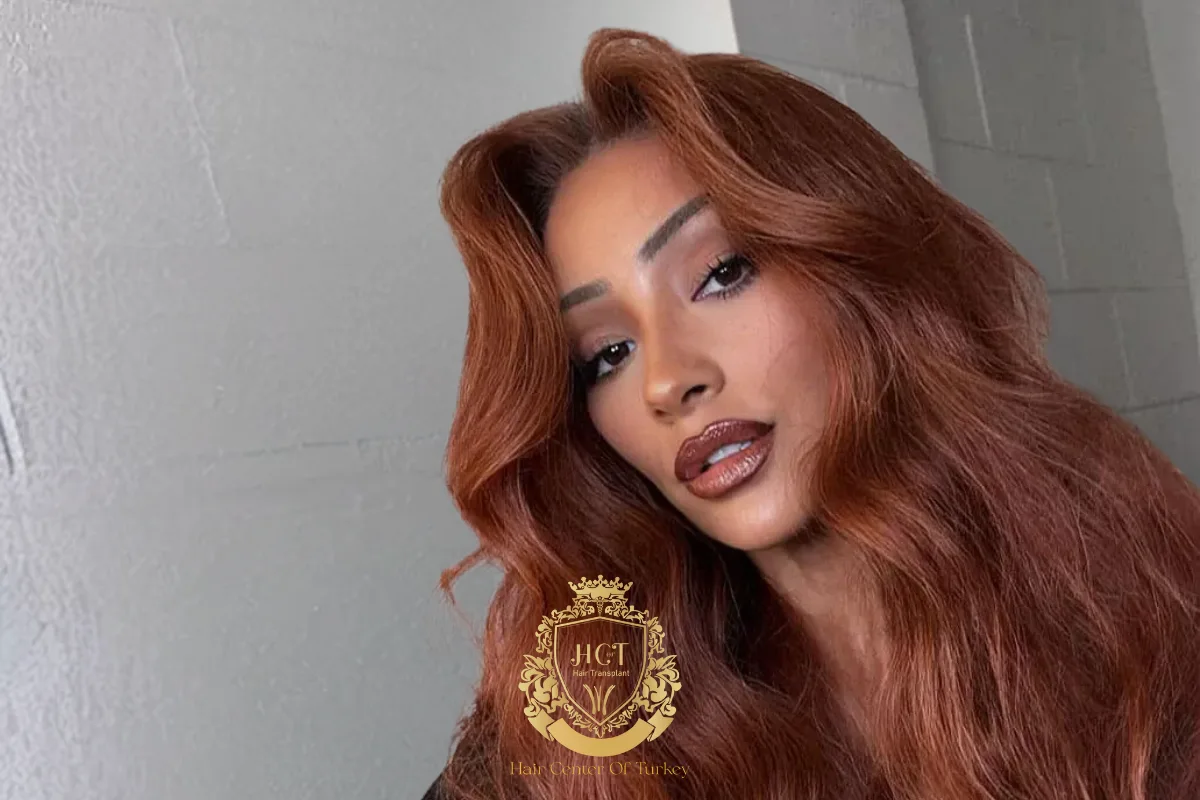
Spiced Copper
Warm copper with depth (not neon). It’s flattering when you want warmth and movement, especially with balayage.
Tips for Coloring White Hair (And Keeping It Healthy)
- Do a quick consultation first: White hair can be more resistant, so your colorist may adjust developer strength or timing.
- Patch test and strand test: Especially if you’re switching brands or going darker; it helps you avoid surprises and irritation.
- Choose the right formula for coverage: Permanent color usually covers best, while demi‑permanent adds tone and shine with softer grow‑out.
- Add a gloss between appointments: A clear or tinted gloss boosts shine and helps your color look fresh.
- Use hydrating, color‑safe care: White hair often runs dry—conditioning masks and leave‑ins help prevent rough texture.
- Protect cool tones from brassiness: A purple shampoo (used occasionally) can keep blondes and silvers looking clean.
- Plan your touch‑up schedule: Most people refresh roots every 4–6 weeks, but blended techniques can stretch that timeline.
Frequently Asked Questions
What colors to avoid with white hair?
Avoid pale yellows, beige, and muddy pastels that can make white hair look dull.
What is the best hair color if you have white hair?
Soft cool blonde or light ash brown blends best; avoid harsh jet-black.
What causes hair to turn white early?
Genetics is most common; thyroid disease, B12 deficiency, autoimmune issues, and smoking contribute.
What does baking soda do to white hair?
Baking soda can strip oils and toner, leaving white hair dry and yellowed.
What is the best hair dye to cover white hair?
A permanent dye labeled 100% gray coverage in a neutral shade covers best.