






What Is Sebirox Shampoo?
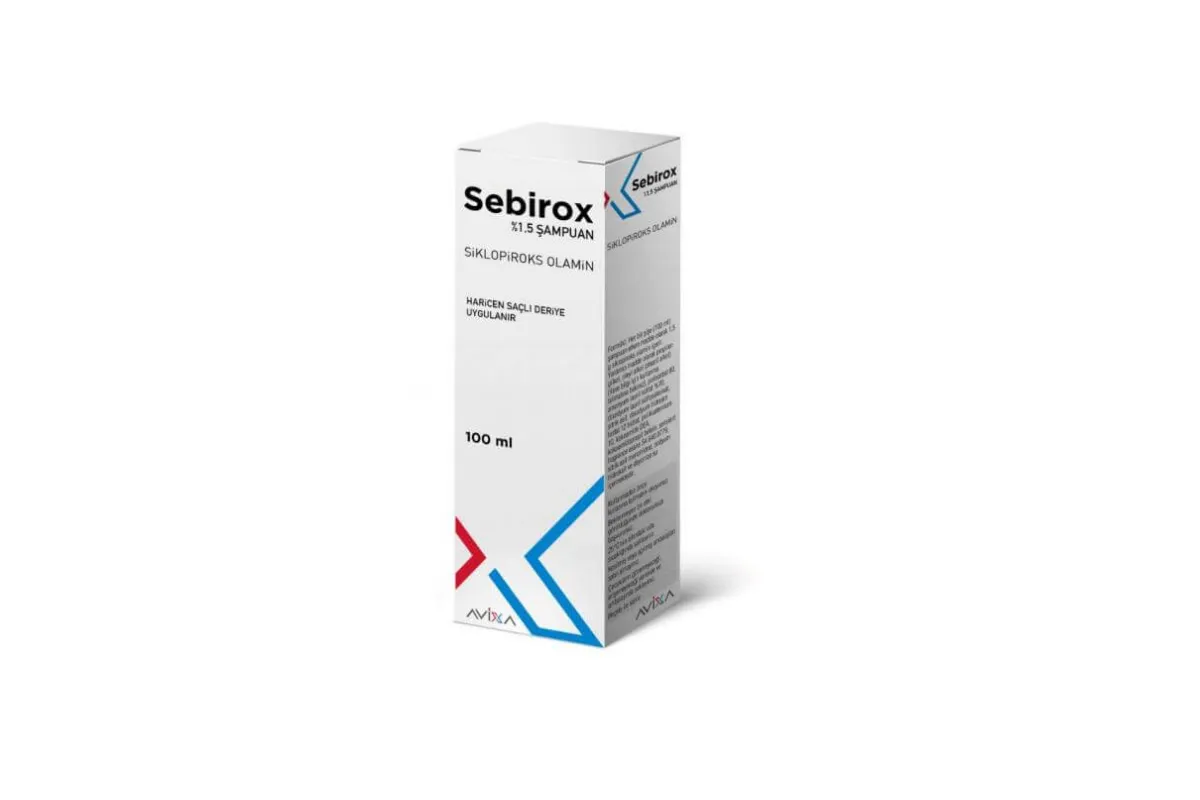
Sebirox is a medicated antifungal shampoo commonly formulated with ciclopirox olamine (often 1.5%). It is used to manage dandruff and seborrheic dermatitis by reducing the yeast overgrowth linked to flaking, itching, and redness. Because formulas and strengths can vary by country, follow the leaflet for your product or your clinician’s advice.
What Sebirox Shampoo Is Used For
Dandruff and seborrheic dermatitis
Sebirox is most often recommended for seborrheic dermatitis of the scalp, a common condition that causes greasy scaling, itch, and irritation. Medicated antifungal shampoos can help calm symptoms and reduce flare-ups when used consistently.
Yeast-related skin patches (pityriasis versicolor)
Some clinicians also use antifungal shampoos on the skin for yeast-related conditions such as pityriasis (tinea) versicolor. If you are treating areas beyond the scalp, check your local product guidance or ask a pharmacist or dermatologist first.
How Sebirox Shampoo Works
Ciclopirox is a broad-spectrum antifungal. In simple terms, it limits the growth of yeast and fungi on the scalp and may also have anti-inflammatory effects, which is why many people notice less itching and scaling over time.
How To Use Sebirox Shampoo
Directions can vary slightly by product, but a common regimen is 2–3 times per week for about 4 weeks. Use it like a treatment shampoo rather than a quick wash:
- Wet your hair and scalp thoroughly.
- Apply enough shampoo to cover the scalp and massage gently.
- Leave it on for several minutes (often 3–5 minutes) before rinsing well.
- Avoid contact with the eyes. If it gets in your eyes, rinse with plenty of water.
- On non-treatment days, you can use a mild regular shampoo if needed.
If symptoms return frequently, some people use a maintenance schedule after the initial course. For the safest plan, follow the package leaflet or your clinician’s instructions.

Who Can Use Sebirox and Who Should Avoid It
Sebirox is typically used by adults and, depending on the local product, may be suitable for adolescents. Do not use it if you have had an allergic reaction to ciclopirox olamine or any ingredient in the formula. If you are pregnant, breastfeeding, or using other prescription scalp treatments, ask a healthcare professional before starting.
Possible Side Effects
Most people tolerate ciclopirox shampoos well. When side effects happen, they are usually mild and local to the scalp, such as:
- mild burning, stinging, or itching
- redness or irritation
- dryness or, less commonly, increased oiliness
- changes in hair texture
Stop use and seek medical advice if you develop signs of an allergic reaction (such as swelling, severe rash, or trouble breathing).

Sebirox vs. Ketoconazole Shampoo
People often compare Sebirox (ciclopirox) with ketoconazole shampoos. Both are antifungal options used for dandruff and seborrheic dermatitis. Ketoconazole products may be available over the counter in some countries, while ciclopirox shampoos are often prescription-only. If one option has not helped after a full course, a dermatologist can guide the next step.
FAQs
How quickly does Sebirox shampoo work?
Some people feel less itching after a few uses, but scaling typically improves over several weeks. Use it for the full recommended course unless you develop irritation.
Can I use Sebirox every day?
Most regimens are a few times per week rather than daily. Using it more often than directed can increase dryness or irritation.
Will it stop hair loss?
Sebirox is not a hair-loss treatment. It can improve scalp comfort and reduce inflammation from dandruff or seborrheic dermatitis, which may help hair look healthier, but it does not treat genetic hair loss.
Can I use it on my body?
Some antifungal shampoos are used on the skin for certain conditions, but instructions vary by product. Check the leaflet or ask a clinician before applying it to large areas.