


Scalp Reduction Surgery
Scalp reduction is a surgical hair restoration procedure that reduces bald areas by removing sections of hairless scalp and repositioning surrounding hair-bearing skin.
It is primarily used for stable crown baldness and delivers immediate visible improvement, often combined with modern hair transplant techniques for more natural density.
Inhoudsopgave
What Is Scalp Reduction?
Scalp reduction is a surgical procedure designed to treat baldness by removing areas of the scalp affected by hair loss. The surrounding hair-bearing scalp is then stretched and closed over the removed section, reducing the size of the bald area.
This technique is most commonly used in men with pattern baldness concentrated on the crown or top of the head. It was widely performed before modern hair transplant methods became dominant and is now used selectively or in combination with transplantation.

How Does Scalp Reduction Work?
The procedure follows a structured surgical process:
Assessment And Planning
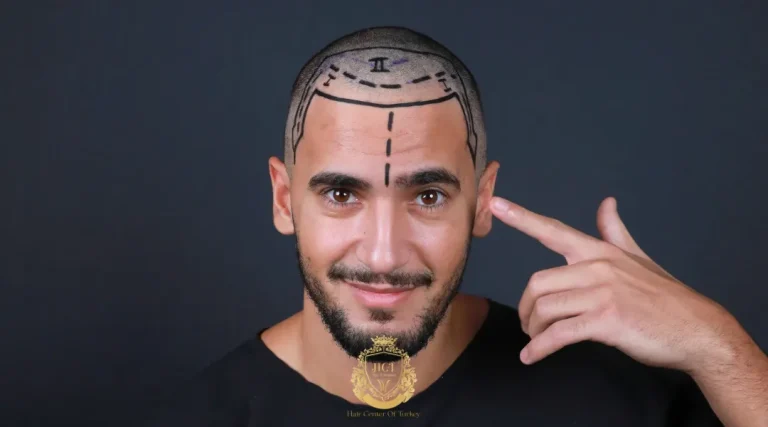
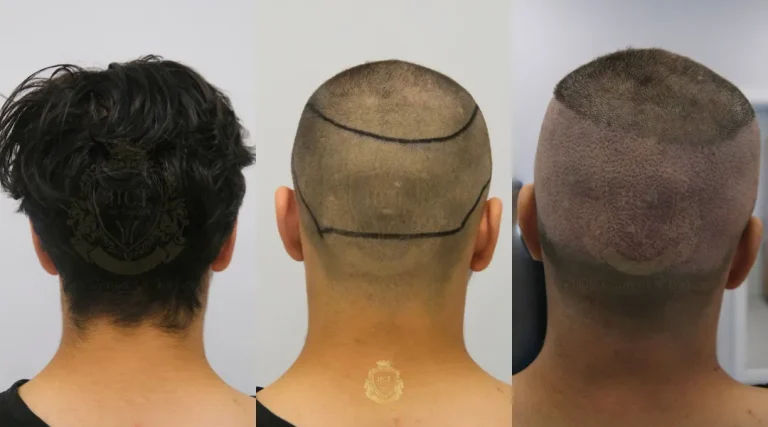
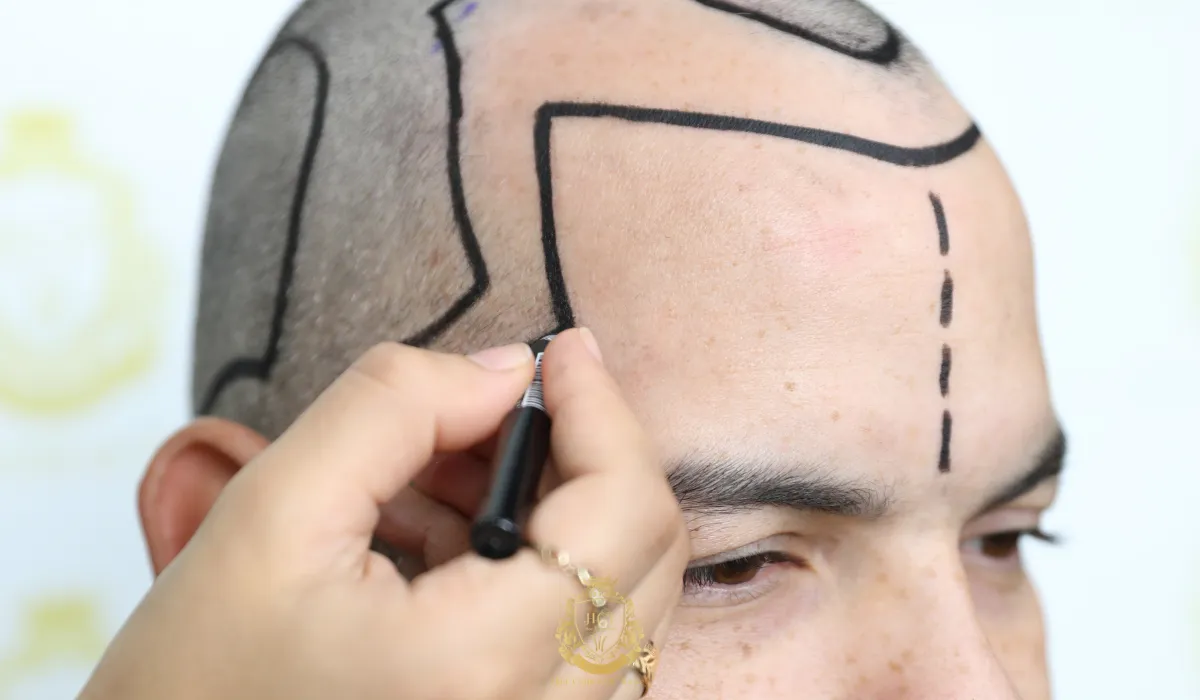
The surgeon evaluates scalp elasticity, hair density, and the size of the bald area. Surgical markings are made to define the excision zone.
Anesthesia
Local or general anesthesia is administered to ensure patient comfort throughout the procedure.
Scalp Excision
The bald portion of the scalp is surgically removed with precision.
Scalp Stretching And Closure
Hair-bearing scalp on both sides is carefully stretched and sutured together, closing the area with controlled tension to maintain scalp health.
The objective is to reduce bald surface area while preserving a natural scalp contour.
Who Is A Good Candidate For Scalp Reduction?
Scalp reduction is not suitable for everyone. Ideal candidates typically include:
Individuals with stable, non-progressive hair loss
Patients with good scalp elasticity
People with localized baldness on the crown
Those seeking a surgical alternative or supplement to hair transplantation
Patients with active or widespread hair loss usually require different treatment strategies.
Benefits Of Scalp Reduction
Scalp reduction offers several advantages when properly indicated:
Immediate reduction of bald areas
Use of the patient’s natural hair for coverage
No waiting period for transplanted hair growth
Minimal long-term maintenance compared to non-surgical options
Results are visible as soon as healing begins.

Risks And Side Effects Of Scalp Reduction
As with any surgical procedure, scalp reduction carries potential risks:
Temporary scalp tightness or discomfort
Visible scarring, particularly in patients with limited elasticity
Altered hair growth direction in repositioned areas
Risk of infection or bleeding
Reduced effectiveness if hair loss progresses after surgery
A thorough consultation is essential to minimize complications.
Scalp Reduction Vs. Hair Transplantation
| Feature | Scalp Reduction | Hair Transplant |
|---|---|---|
| Procedure Type | Removal of bald scalp | Follicle extraction and implantation |
| Results Timeline | Immediate | Gradual over several months |
| Best For | Stable crown baldness | Most hair loss patterns |
| Scarring Risk | Moderate to high | Minimal with modern techniques |
| Long-Term Flexibility | May need follow-up procedures | Permanent when planned correctly |
Many surgeons combine both techniques for improved cosmetic outcomes.
Alternative Hair Loss Treatments
If scalp reduction is not suitable, other options include:
Hair Transplantation (FUE, DHI) for natural, permanent restoration
Medications such as minoxidil or finasteride to slow hair loss
PRP Therapy to stimulate existing follicles
Scalp Micropigmentation for a non-surgical density effect
Each option depends on hair loss pattern, expectations, and medical history.
Frequently Asked Questions
How is scalp reduction surgery performed?
Excising bald scalp, undermining nearby hair-bearing scalp, and closing to reduce bald area.
Is scalp reduction surgery painful?
Postoperative pain is mild-to-moderate and controlled with prescribed pain medication.
How long does scalp reduction surgery take?
Scalp reduction usually takes 1–3 hours, depending on extent and technique.
What kind of anesthesia is used for scalp reduction?
Local anesthesia with sedation or general anesthesia is used, depending on case complexity.
What is the recovery like after scalp reduction?
Recovery involves swelling, tightness, activity limits, suture removal, and weeks-to-months healing.
Explore the complete guide: Hair Loss Treatments