Saç ekimi ameliyatı için hangi anestezi türü en uygunudur?
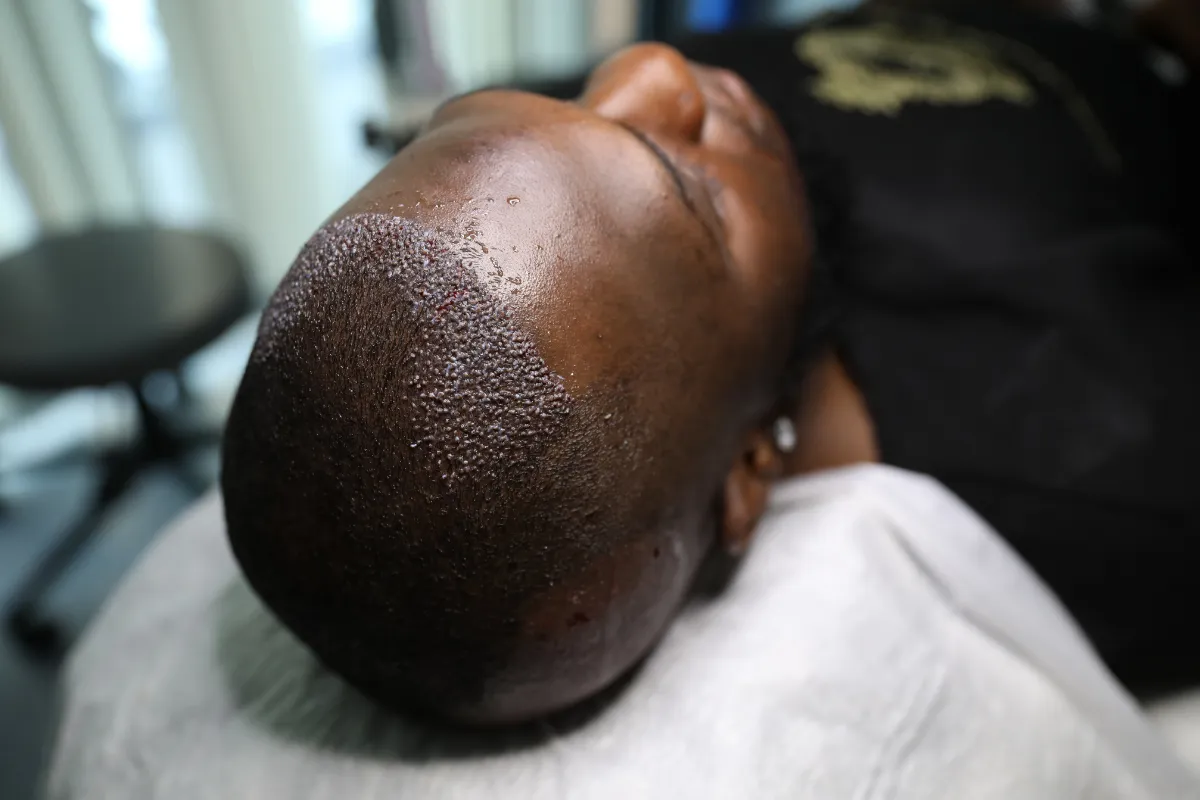
Saç ekimi işlemlerinin çoğu, siz uyanık kalırken donör ve alıcı bölgeleri uyuşturmak için lokal anestezi ile gerçekleştirilir. Bazı hastalar ekstra konfor ve rahatlama için hafif sedasyonu da tercih eder. Genel anestezi ise nadiren gereklidir ve genellikle özel tıbbi durumlar için ayrılır.
İçindekiler
Saç ekimi ameliyatında neden anestezi kullanılır?
FUE ve DHI gibi saç ekimi yöntemleri, tek tek foliküllerin yüksek hassasiyetle alınmasını ve yerleştirilmesini içerir. Kesiler küçük olsa da işlem birkaç saat sürebilir. Anestezi, tıbbi ekibin işlemi düzenli ve doğru bir şekilde yapabilmesi için sizin konforlu kalmanızı sağlar.
Saç ekiminde kullanılan başlıca anestezi seçenekleri
Lokal anestezi (standart yaklaşım)
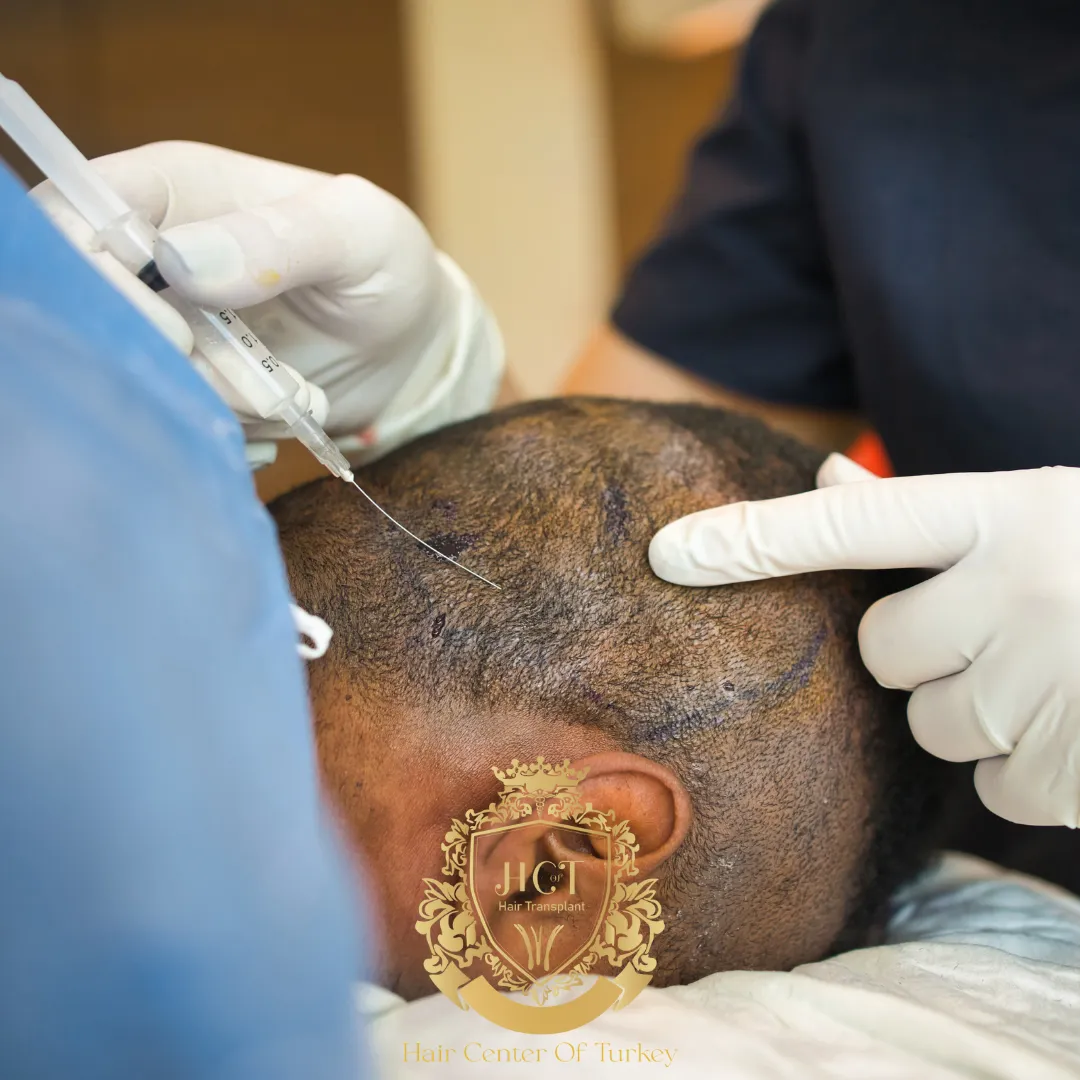
Lokal anestezi, saç ekimi ameliyatlarında en yaygın kullanılan seçenektir. Lokal bir anestezik (genellikle lidokain, bazen epinefrin ile birlikte) donör ve alıcı bölgeleri uyuşturmak için saçlı deriye enjekte edilir. Uyanık kalırsınız, ancak tedavi edilen bölgelerden gelen ağrı sinyalleri engellenir.
Enjeksiyonlar sırasında kısa süreli bir batma veya basınç hissi yaşayabilirsiniz. Uyuşma sağlandıktan sonra çoğu hasta ağrı yerine dokunma ve hareket hisseder.
Hafif sedasyon (isteğe bağlı)
Bazı klinikler, uzun süren işlemlerden endişe duyan hastalar için lokal anesteziye ek olarak sedasyon sunar. Sedasyon şu şekilde olabilir:
- Ağızdan alınan sedatifler (işlem öncesinde alınır)
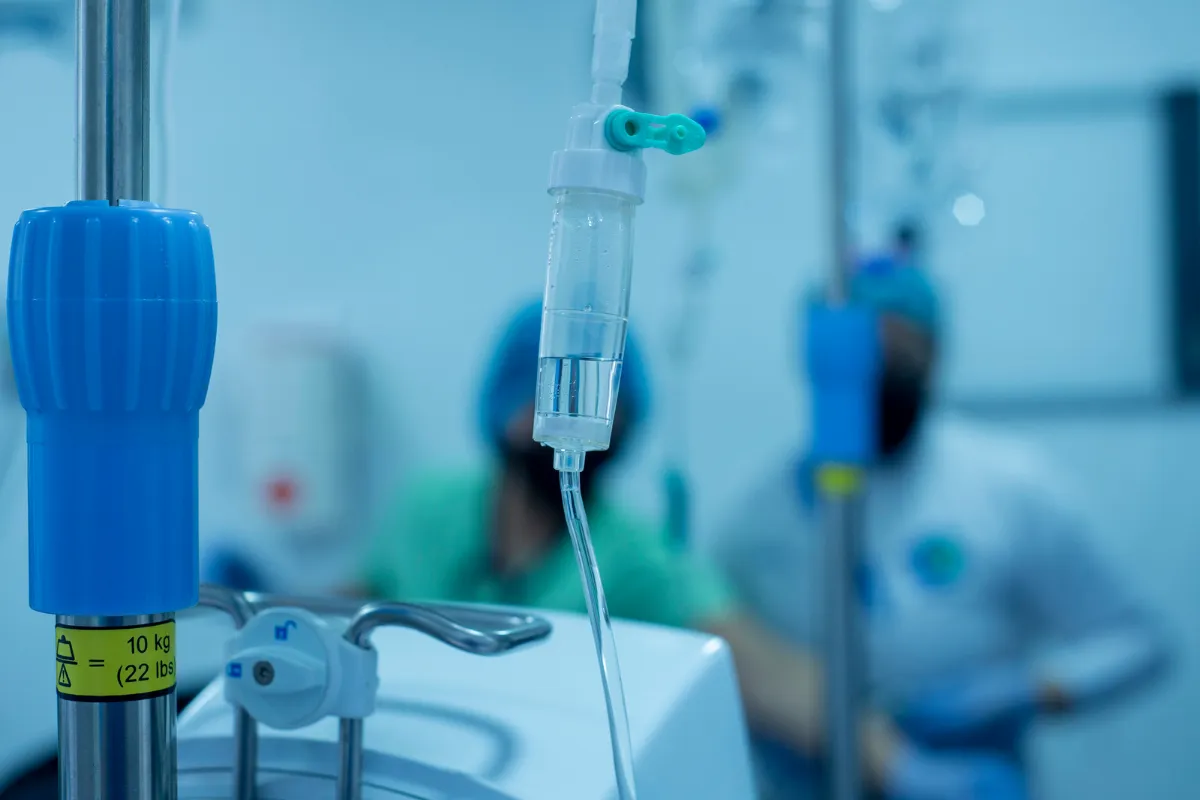
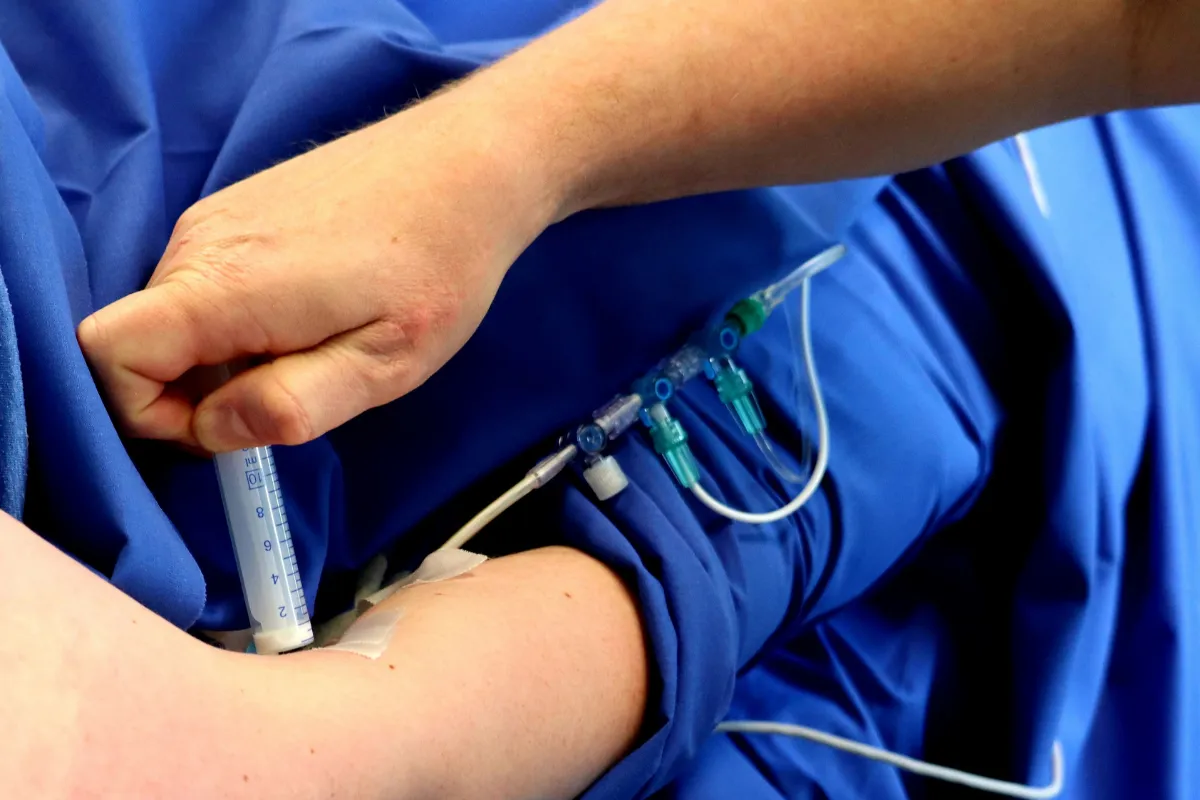
- IV sedasyon (klinikte uygulanır ve izlenir)
Sedasyon genellikle sizi daha sakin ve uykulu hale getirir, ancak gerektiğinde talimatlara yanıt verebilirsiniz. Sedasyonun uygun olup olmadığı sağlık geçmişinize ve kliniğin tıbbi protokollerine bağlıdır.
Genel anestezi (saç ekiminde nadir)
Genel anestezi saç ekimi ameliyatlarında yaygın değildir. Diğer yaklaşımların uygun olmadığı belirli tıbbi gereksinimler veya işlemle ilgili ciddi kaygı durumlarında sınırlı olarak düşünülebilir. Lokal anesteziye kıyasla daha yoğun takip gerektirdiği ve daha yüksek risk taşıdığı için standart FUE veya DHI seanslarında rutin bir tercih değildir.
Lokal anestezi saç ekimi işlemleri için güvenli midir?
Çoğu hasta için lokal anestezi, nitelikli sağlık profesyonelleri tarafından uygulandığında güvenli kabul edilir. Yan etkiler genellikle hafif ve geçicidir. Ciddi reaksiyonlar nadirdir, ancak ameliyat öncesinde kliniğinizin tıbbi geçmişinizi, kullandığınız ilaçları ve alerjilerinizi ayrıntılı şekilde değerlendirmesi gerekir.
Lokal anestezi genellikle işlemi kapsayacak kadar uzun süre etkilidir. Gerekirse seans sırasında küçük ek dozlar uygulanabilir.
Neden lokal anestezi genellikle tercih edilir?
Lokal anestezi, konfor sağlarken iyileşme sürecinin daha kolay olması nedeniyle yaygın olarak kullanılır. Başlıca avantajları şunlardır:
- Entübasyon veya derin anestezi gerektirmemesi
- İşlem sonrası daha hızlı iyileşme ve aynı gün taburcu olabilme
- Genel anesteziye kıyasla daha az sistemik yan etki
- İşlem sırasında tıbbi ekiple iletişim kurulabilmesi
- Genellikle daha düşük karmaşıklık ve izlem gereksinimi
Anestezi seçimi saç ekimi sonuçlarını etkiler mi?
Anestezi türü, greftlerin tutma oranını veya saç çıkışını doğrudan etkilemez. Ancak işlem sırasındaki konforunuz önemlidir. Rahat olduğunuzda ve hareketsiz kalabildiğinizde, özellikle ekim aşamasında ekip daha tutarlı bir şekilde çalışabilir.
Anestezinin etkisi geçtikten sonra ne olur?
Uyuşukluk geçtikten sonra tedavi edilen bölgelerde hafif ağrı, gerginlik veya hassasiyet hissetmek normaldir. Birçok hasta bunu kliniğin önerdiği standart ağrı kesicilerle kontrol altına alır. Doktorunuz ayrıca şişliği kontrol etmek ve enfeksiyon riskini azaltmak için ilaçlar reçete edebilir.
Şiddetli ağrı, olağandışı şişlik, nefes darlığı, döküntü veya baş dönmesi yaşarsanız derhal kliniğinizle iletişime geçin.
Saç ekimi öncesinde anesteziye nasıl hazırlanılır?
Kliniğinizin ameliyat öncesi talimatlarını dikkatle takip edin. Çoğu durumda hastalara şu önerilerde bulunulur:
- İşlemden 24 saat önce alkolden kaçınmak
- Anksiyeteye yatkınsanız ameliyat günü kafeini sınırlamak
- Kullandığınız tüm ilaç ve takviyelerin listesini önceden paylaşmak
- Klinik aksi bir şey söylemedikçe hafif bir öğün yemek
- Uzun sürecek bir randevu için rahat kıyafetler giymek
Sıkça Sorulan Sorular
Saç ekiminde hangi tür anestezi kullanılır?
Genellikle lidokain+adrenalin içeren lokal anestezi enjeksiyonları kullanılır; sedasyon isteğe bağlıdır.
Saç ekiminde anestezi ne kadar sürer?
Uyuşukluk genellikle 2–4 saat sürer; uzun işlemlerde takviye yapılır.
Saç ekimi için ağrısız anestezi nedir?
Tamponlanmış lokal anestezi, sinir blokları ve hafif sedasyon ağrıyı en aza indirir.
Anestezisiz saç ekimi ağrılı mıdır?
Evet, anestezi olmadan iğneler, kesiler ve greft yerleştirme ağrılı olur.
Saç ekiminde uyanık kalabilir misiniz?
Evet, çoğu kişi lokal anesteziyle uyanıktır; bazen hafif sedasyon verilir.
Saç ekiminin en ağrılı kısmı nedir?
En ağrılı kısım genellikle anestezi iğneleri, özellikle donör bölgede olur.
İlgili kapsamlı rehberi inceleyin: Tıbbi Güvenlik ve Uygunluk