

At Hair Center of Turkey, we look at mustard oil benefits for hair through both traditional use and clinical experience. Our Istanbul-based clinic has performed more than 3,000 hair transplant procedures since 2014, with a team of 3 specialist doctors who also field regular questions about scalp care and hair health. Below, you’ll find how mustard oil may help with scalp dryness, dandruff, and breakage — along with safe ways to use it and when it makes sense to look at medical options instead.
Quick answer: Mustard oil can help moisturize the scalp, ease mild dryness or flaking, and make hair look fuller over time by reducing breakage during washing and styling. It works mainly through scalp massage and conditioning, not through any drug-like effect on follicles. It won’t regrow hair in areas where follicles are already damaged or dormant, so if you’re dealing with active or sudden shedding, pair it with a medical evaluation — or a hair transplant consultation at Hair Center of Turkey — rather than relying on oiling alone.
What Is Mustard Oil?
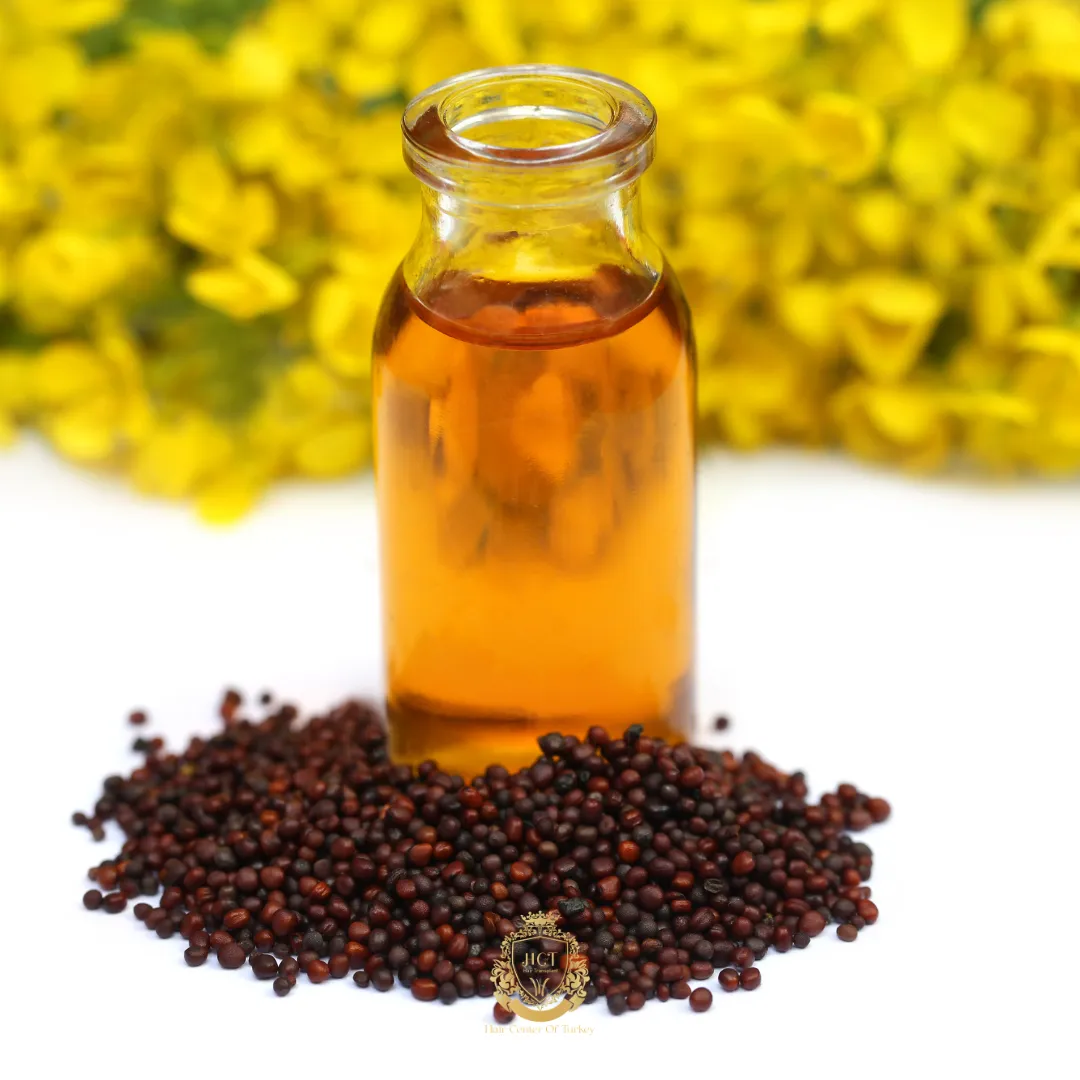
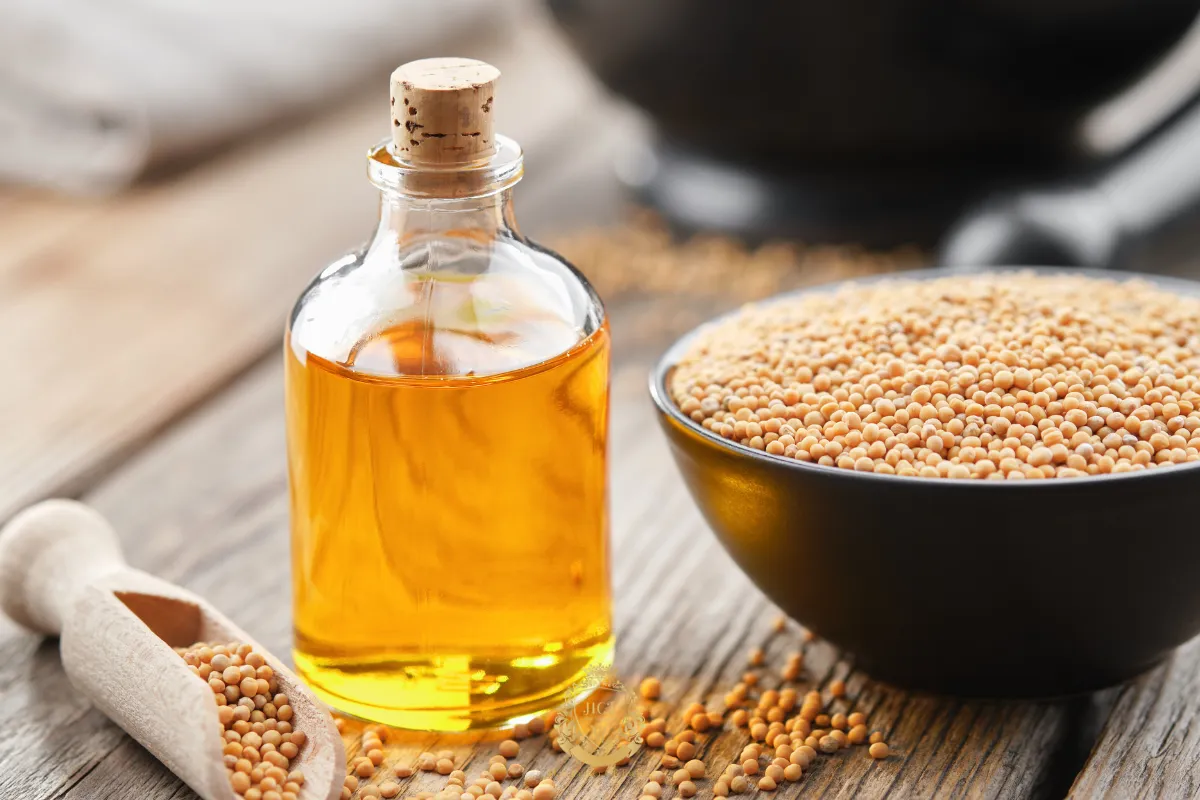
Mustard oil is pressed from mustard seeds and has a naturally sharp, warming scent. It’s widely used in traditional self-care routines, including scalp and hair oiling. For hair use, many people prefer cold-pressed or edible-grade mustard oil with a short ingredient list.Because mustard oil can feel “hot” on the skin, a mild tingling sensation is common. That same warming effect can also irritate sensitive scalps, especially if the oil is used undiluted or left on too long.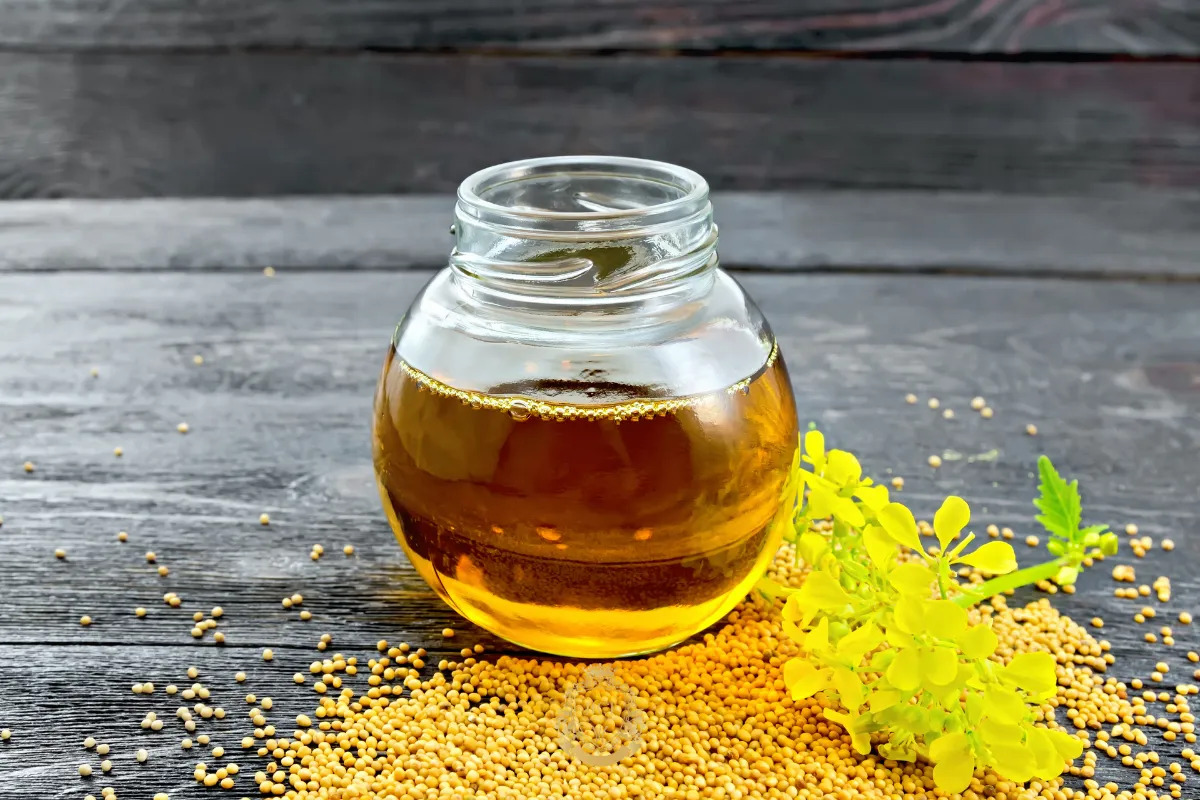
Key Benefits Of Mustard Oil For Hair
Mustard oil works mainly as an emollient: it helps coat the hair shaft, reduces moisture loss, and improves slip. Many users also like it for scalp massage because it spreads easily and leaves hair feeling conditioned after washing.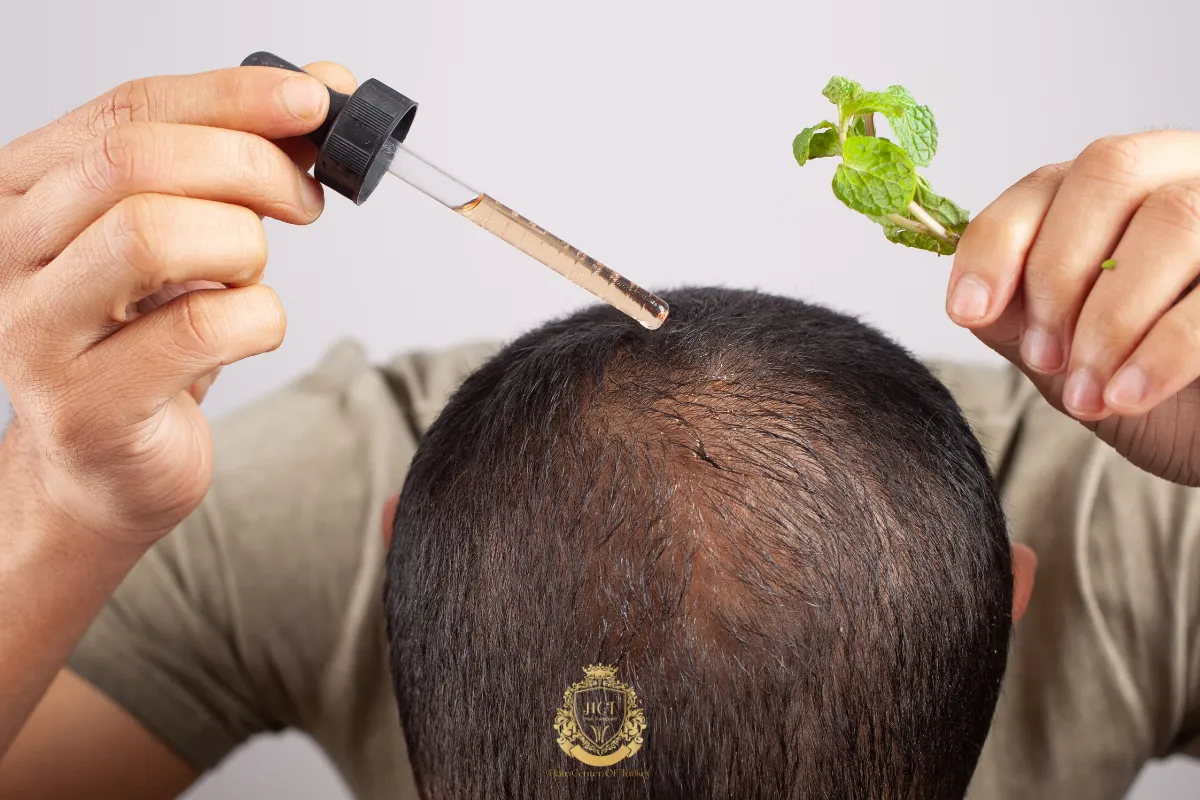
May Support The Look Of Fuller Hair
Regular scalp massage can help hair look healthier by improving scalp comfort and reducing breakage. Mustard oil is often chosen for massage because it’s rich in fatty acids and helps soften the roots and lengths. Hair growth results vary, but a consistent routine can improve the overall look and feel of hair.- Helps reduce breakage by keeping hair more flexible and less prone to snapping.
- Supports a cleaner scalp environment when paired with proper washing and gentle exfoliation.
- Makes detangling easier, which can lower day-to-day mechanical damage.
May Support The Look Of Fuller Hair
Regular scalp massage can help hair look healthier by improving scalp comfort and reducing breakage. Mustard oil is often chosen for massage because it’s rich in fatty acids and helps soften the roots and lengths. Hair growth results vary, but a consistent routine can improve the overall look and feel of hair.- Helps reduce breakage by keeping hair more flexible and less prone to snapping.
- Supports a cleaner scalp environment when paired with proper washing and gentle exfoliation.
- Makes detangling easier, which can lower day-to-day mechanical damage.
How To Use Mustard Oil For Hair
Start with a small amount, warm it slightly between your palms, and apply to damp or dry hair. If your scalp is sensitive, dilute mustard oil with a gentler carrier oil such as coconut, olive, or jojoba oil.Pre-wash Scalp Massage
- Use 1–2 teaspoons of oil (more for long or very thick hair).
- Massage the scalp with light pressure for 5–10 minutes.
- Leave it on for 30–60 minutes, then shampoo well (a double cleanse can help).
Simple Hair Mask For Lengths
For a softer finish, focus on the mid-lengths and ends rather than the scalp. Mix equal parts mustard oil and a milder oil, then apply it as a short mask before washing.- Mix: 1 tablespoon mustard oil + 1 tablespoon coconut or olive oil.
- Apply to lengths and ends, comb through, and leave for 20–30 minutes.
- Shampoo and condition as usual.
Overnight Treatment
An overnight oiling can work well for very dry hair, but it’s not ideal for everyone. If you try it, use a small amount, dilute it, and protect your pillowcase. Skip overnight use if you’re prone to scalp irritation or clogged follicles.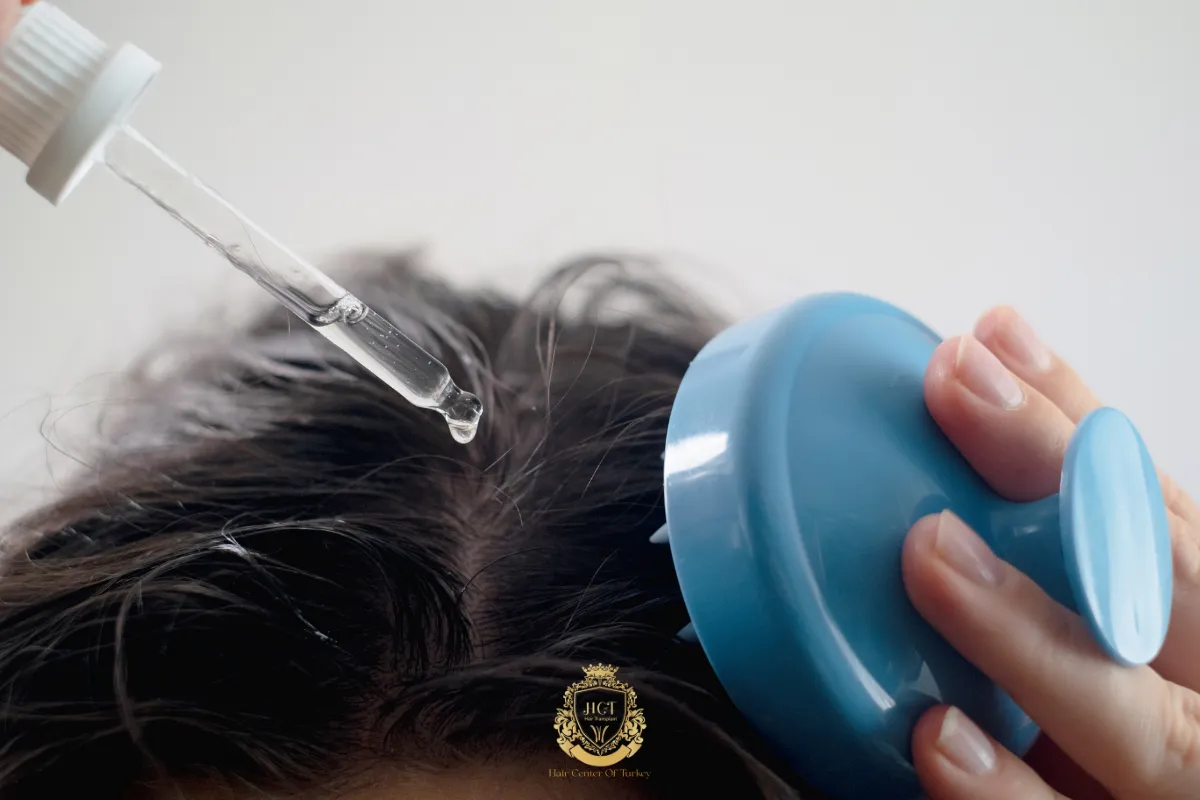
Safety, Side Effects, And Precautions
Mustard oil isn’t a fit for every scalp. Some people experience redness, itching, or a burning sensation, especially with undiluted oil. Do a patch test first, and stop using it if your scalp feels hot, sore, or inflamed.- Patch test on the inner arm for 24 hours before first use.
- Avoid use on broken skin, active rashes, or a highly inflamed scalp.
- Dilute if you have a sensitive scalp or are new to scalp oiling.
- Keep it away from the eyes, and rinse immediately if it gets in.
- If you’re allergic to mustard or other Brassica plants, avoid it.
FAQs About Mustard Oil For Hair
Can mustard oil help with hair regrowth?It may support a healthier scalp and reduce breakage, which can make hair look fuller over time. It won’t replace medical treatment for true hair loss, so see a clinician if shedding is sudden or severe.How often should I use mustard oil on my hair?Most people do well with 1–2 times per week. If your scalp is sensitive, start once weekly and dilute the oil.Is mustard oil suitable for all hair types?It’s often best for dry, coarse, or curly hair. Fine hair can use it in small amounts, mainly on the ends, to avoid heaviness.How can I reduce the smell?Dilute the oil, keep the leave-on time shorter, and shampoo twice if needed. A lightly scented conditioner can also help.Does mustard oil really help hair growth?
Mustard oil doesn't directly regrow hair on bald areas, but it can improve scalp moisture, ease mild dandruff, and reduce breakage — which makes existing hair look fuller. For active or sudden shedding, pair it with a medical evaluation rather than relying on oiling alone.
How often should I use mustard oil on my scalp?
Most people do well with 1–2 applications per week. If your scalp is sensitive, start with once a week and dilute the oil with a milder carrier oil like coconut or jojoba to reduce irritation risk.
Can I use mustard oil after a hair transplant?
No — avoid mustard oil or any scalp oiling during the early healing period after a hair transplant, since the warming effect can irritate fresh grafts. Ask your clinic, such as Hair Center of Turkey, when it's safe to resume scalp treatments.
Is mustard oil safe for a sensitive scalp?
It can be, but always patch test on the inner arm for 24 hours first and dilute it with a gentler oil. Undiluted mustard oil is more likely to cause redness, itching, or a burning sensation on sensitive skin.
Which is better for hair: mustard oil or coconut oil?
Mustard oil has a stronger warming effect and heavier scent, better suited to dry or coarse hair needing intense conditioning. Coconut oil is gentler and more versatile — often a better starting point for fine hair or first-time users.
Can mustard oil be used on oily or fine hair?
Yes, but use it sparingly and focus on the mid-lengths and ends rather than the scalp. Applying too much near the roots on oily or fine hair can leave it looking weighed down or greasy.
How can I reduce the smell of mustard oil?
Dilute it with a milder oil, shorten the leave-on time, and shampoo twice if needed. A lightly scented conditioner afterward also helps mask the residual odor.
Mustard Oil Hair Benefits: Timeline at a Glance
| Time frame | Main effect | What you may notice |
|---|---|---|
| 1–2 weeks | Improved scalp moisture | Less dryness, more softness |
| 3–4 weeks | Reduced flaking and roughness | Fewer visible dandruff spots |
| 6–8 weeks | Less breakage if hair was brittle | Slightly fuller appearance |
| 3–4 months | Healthier strands from active follicles | Mild density improvement |
Quick-Reference: How to Use Mustard Oil Step by Step
- Warm a small amount of mustard oil until it’s mildly warm, not hot.
- Dilute with a carrier oil like coconut, olive, or jojoba if your scalp is sensitive.
- Part your hair and apply to the scalp, or focus on mid-lengths and ends for a lighter mask.
- Massage gently with light pressure for 5–10 minutes.
- Leave on for 30–60 minutes (or overnight only if your scalp tolerates it well).
- Shampoo thoroughly, double-cleansing if needed to remove residue.
- Repeat 1–2 times per week, adjusting frequency based on scalp response.
Explore the complete guide: Hair Care and Products