






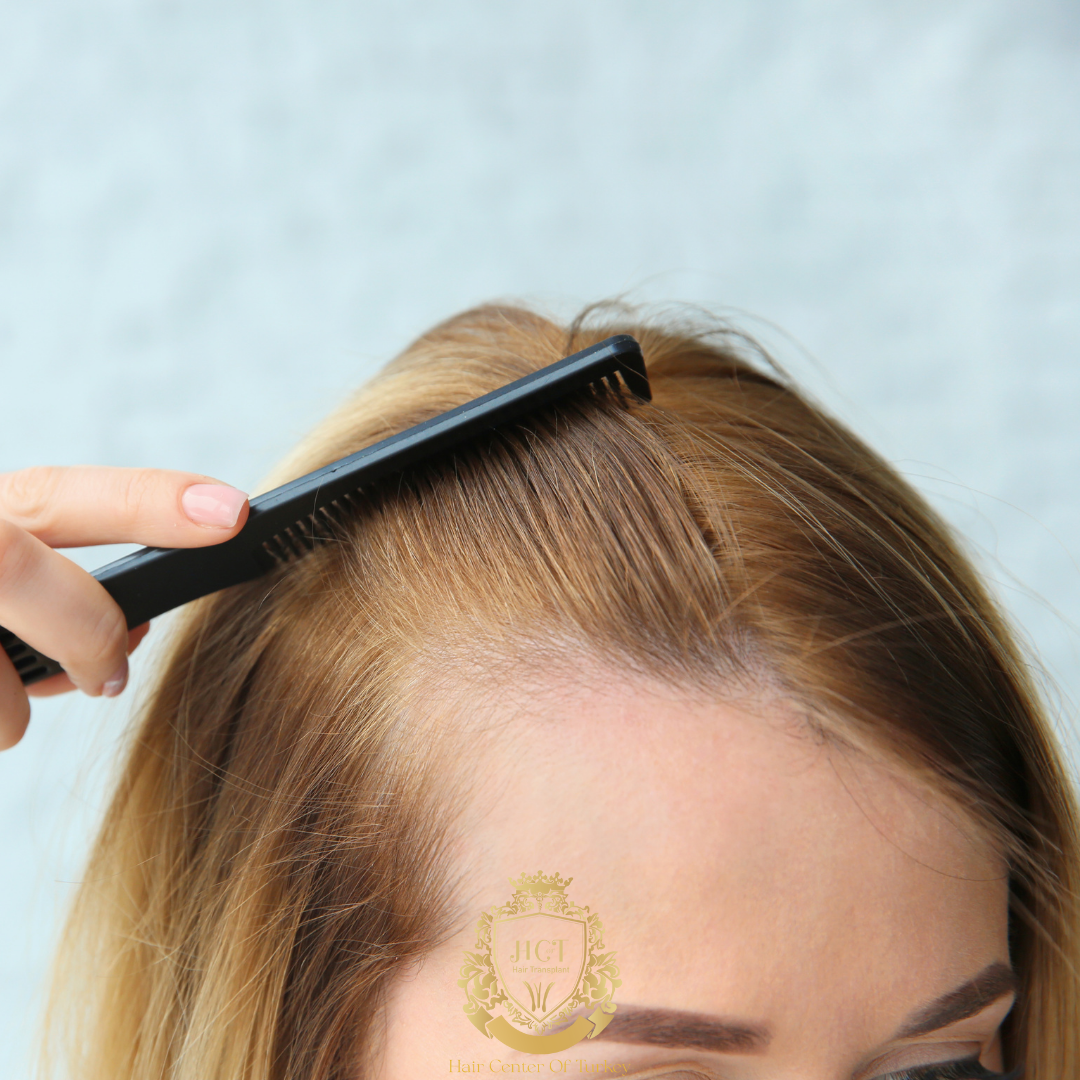
Haircuts For Women With Thinning Hair
Short and medium cuts usually make thinning hair look fuller because they keep weight off the ends and lift the roots. Try a blunt bob, textured lob, or a layered pixie, then add soft face-framing and light fringe if the hairline feels sparse. Finish with root lift, a side part, and dimensional color for extra depth
Haircuts That Create The Look Of Fuller Hair
The goal is simple: keep the perimeter strong, build lift through smart layering, and avoid styles that drag the hair flat. A good cut can’t change density, but it can make hair look thicker and feel easier to style day to day.
Blunt Bob (Chin To Collarbone)
A blunt bob keeps the ends looking dense, which is helpful when hair is finer through the lengths. Ask for a clean, slightly rounded shape rather than heavy stacking, so the cut stays modern and easy to maintain.
Textured Lob (Long Bob)
A lob sits in that sweet spot where you still have movement, but not so much length that the ends look see-through. Light texture at the tips can stop the style from feeling boxy, as long as the perimeter stays strong.
Layered Pixie Or Bixie
Short cuts often look fuller because they lift naturally at the crown. Request soft, piecey layers and a longer top if you want styling flexibility without exposing the scalp.
Shoulder-Length With Soft Face-Framing
If you prefer mid-length hair, keep layers minimal and concentrated around the face. This builds movement where people look first, while the back and ends still read as thicker.
Soft Shag (Light, Not Choppy)
A modern shag can work well when it’s airy and blended, not aggressively razored. It adds texture and lift around the crown, which helps hair appear more voluminous in photos and in natural light.
Do Layers And Texture Help Thin Hair Look Thicker?
Yes, when they’re done with restraint. Soft, blended layers add movement and prevent hair from collapsing against the scalp. Over-layering can backfire by removing too much bulk, so it’s usually better to keep layers longer and avoid heavy thinning shears.
Techniques like point-cutting can create a lighter feel without making the ends look sparse. If your thinning is concentrated near the part or crown, a little lift in those areas often makes the biggest visual difference.
Bangs That Work When Hair Is Thinning
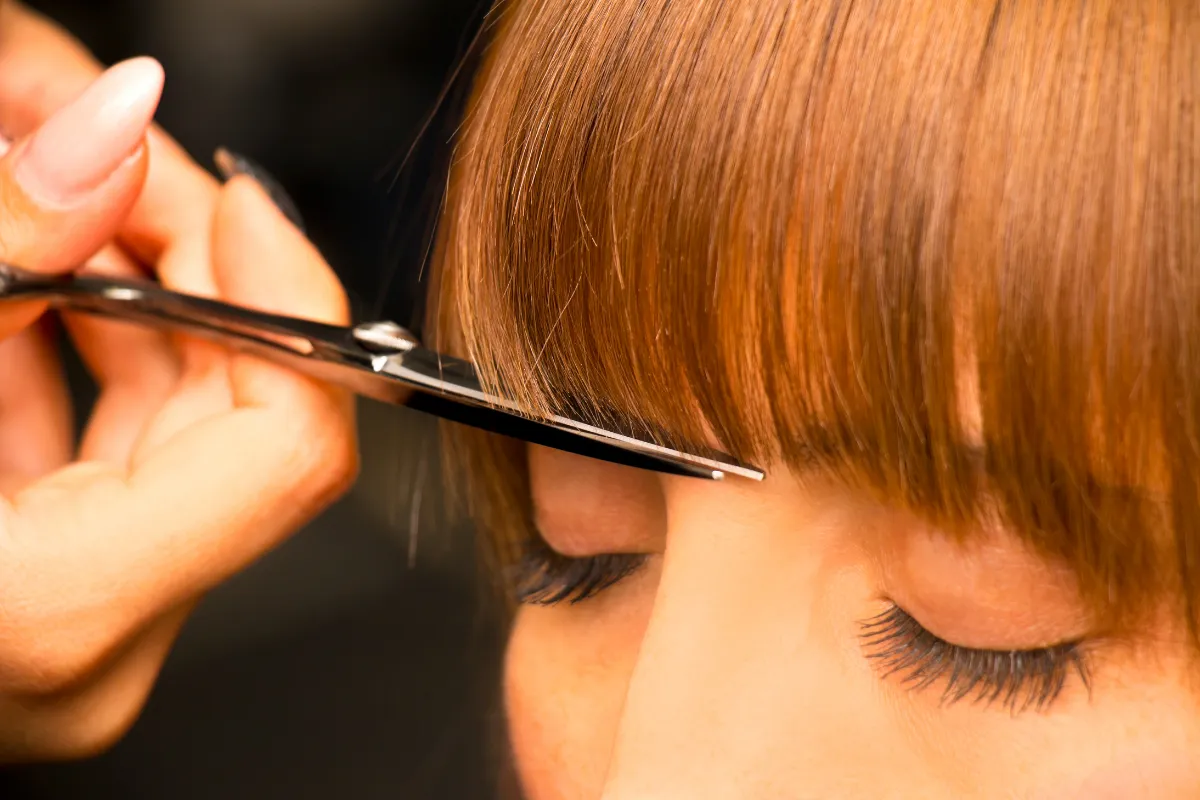
Bangs can be flattering, especially when thinning shows around the hairline. Wispy, side-swept bangs and soft curtain fringe tend to blend well and create coverage without looking heavy. Very thick, blunt bangs can separate and expose the scalp, so they’re usually harder to wear with fine density.
A stylist can also angle fringe to pull hair forward from denser areas, which often looks more natural than trying to force a straight-across line. If you’re unsure, start longer so you can pin them back on low-volume days.
Styling Tips That Add Volume Without Stressing Hair
Small technique changes can make fine hair look noticeably fuller.
- Use a lightweight volumizing mousse or root-lift spray at the scalp, not the mid-lengths.
- Blow-dry the roots first, lifting upward with a round brush or your fingers.
- Switch your part from time to time to reduce flatness and help camouflage sparse areas.
- Choose dry shampoo for grip and lift between washes, especially at the crown.
- Keep heavy oils and rich creams for the ends only, if you use them at all.
If you use heat tools, keep the temperature moderate and use a heat protectant. Gentle volume lasts longer when the hair stays healthy and doesn’t break at the ends.
Can Hair Color Make Thinning Hair Look Fuller?
Color can create the illusion of density by adding depth and dimension. Highlights and lowlights break up contrast, so the scalp is less noticeable. Very dark, one-tone color can make thin areas stand out, especially under bright lighting.
A soft root shadow or lived-in highlights can look fuller while staying low maintenance. If your hair is fragile, talk to a colorist about minimizing bleach and choosing gentler options to reduce breakage.
Extensions And Toppers: What’s Safe?
Lightweight toppers and professionally fitted extensions can add volume, but the key is avoiding tension. Pieces that pull at the roots can worsen shedding or cause breakage over time.
Look for breathable bases, minimal clips, and a custom blend that matches your color and texture. If you notice discomfort, scalp irritation, or increased shedding, take a break and reassess the fit with a professional.
How To Choose The Right Cut For Your Thinning Pattern
Start with where you’re losing density: hairline, part, crown, or overall diffuse thinning. Your stylist can place volume where it’s most useful, and keep the perimeter strong where hair tends to look see-through.
Bring photos, but prioritize what works with your natural texture and daily routine. If hair loss feels sudden or comes with itching, burning, or patchy shedding, it’s worth checking in with a dermatologist or GP to rule out medical causes.
FAQs About Haircuts For Women With Thinning Hair
Which haircut makes thinning hair look thicker?
Blunt bobs, textured lobs, and layered pixies often look fuller because they keep the ends strong and add lift at the crown.
Is long hair a bad idea with thinning hair?
Not always, but extra length can make the ends look sparse. Many people find collarbone or shoulder length easier to keep looking thick.
What bangs hide a thinning hairline?
Side-swept or curtain bangs usually blend best and create softer coverage than heavy, blunt fringe.
Will hair color damage thin hair?
It depends on the technique. Dimensional color can help hair look denser, but over-bleaching can increase breakage, so a gentle plan matters.
Are toppers safe for fine or thinning hair?
Yes, when they’re lightweight and fitted correctly. Avoid anything that feels tight or pulls at the roots.



