





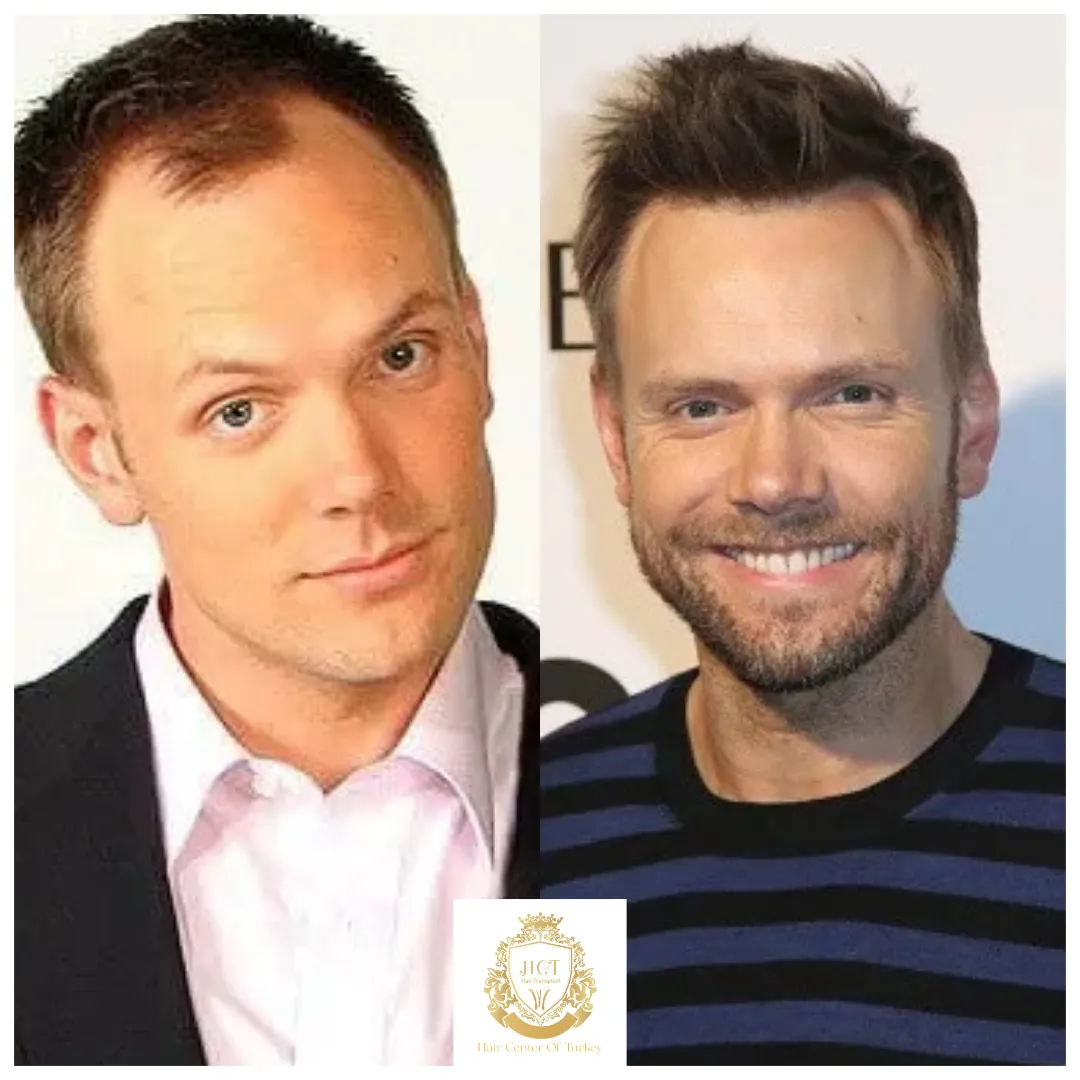
Joel McHale Hair Transplant
Joel McHale has spoken publicly about having multiple hair transplants to address hair loss. While exact graft counts and clinic details aren’t fully disclosed, his results suggest a gradual, natural-looking improvement. In most cases, new growth becomes noticeable after 3–6 months, with final outcomes typically judged around the 12‑month mark.

Table of Contents
Who Is Joel McHale?
Joel McHale is an American comedian, actor, and TV host best known for Community and The Soup. His on-camera career spans decades, which means fans have plenty of red-carpet photos and TV appearances to compare as his style (and hairline) changed over time.

Did Joel McHale Get A Hair Transplant?
Yes. McHale has said he’s had hair transplants, and he’s been unusually candid for a celebrity. In a 2025 podcast appearance, he described being “fully bald” before treatment and said he’s had four procedures over the years. He also mentioned starting with an older “strip” approach and later switching to a newer method, while stressing that quality and surgeon experience matter.
Joel McHale Hair Loss And Hairline Changes
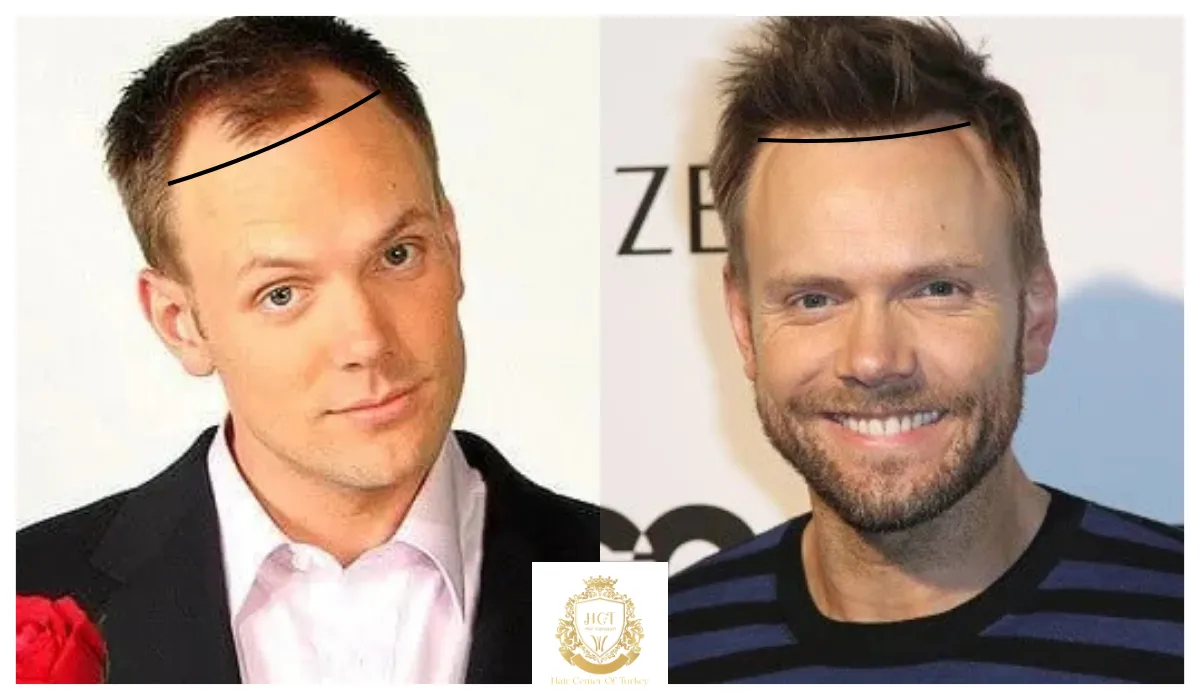
Like many men, McHale appeared to show signs consistent with male pattern hair loss: recession at the temples, a higher hairline, and reduced density through the front. That pattern often progresses slowly, which can make changes look subtle from year to year but obvious when you compare photos across a longer timeline.
Joel McHale Before And After Hair Transplant
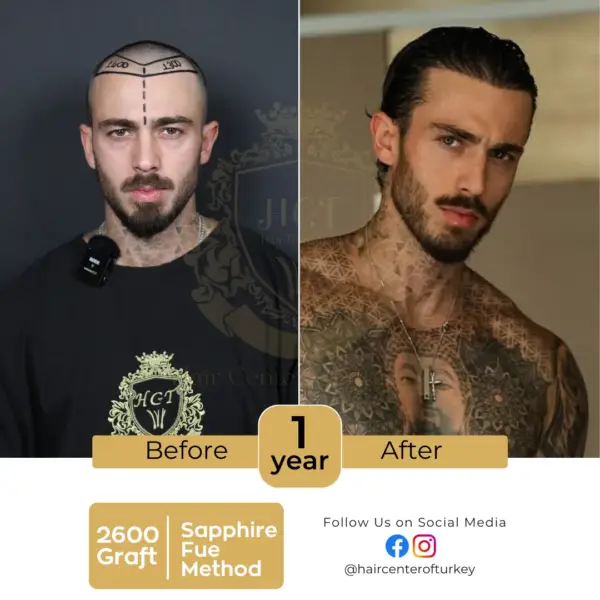
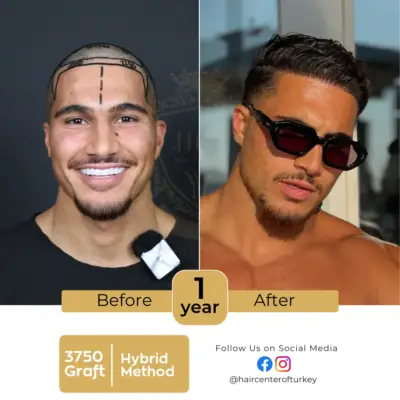
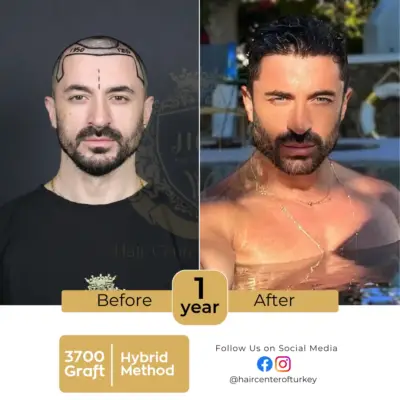
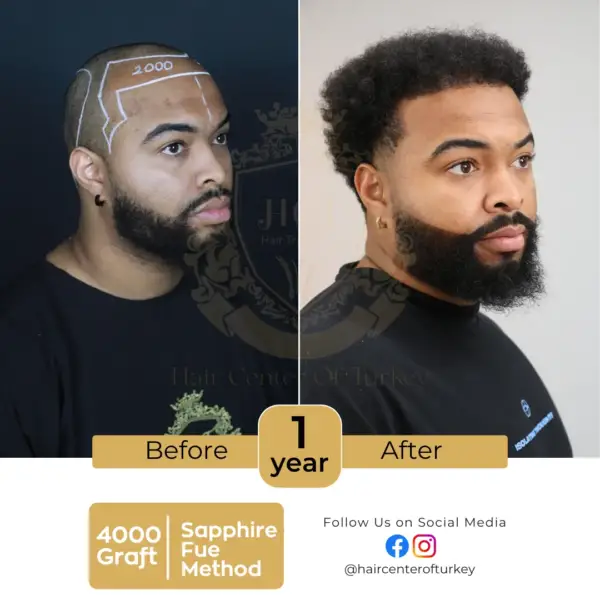
In earlier photos, his frontal hairline looks more receded and the forelock area appears thinner. In later appearances, the hairline looks fuller and the front frames his face more evenly. That kind of improvement is commonly associated with surgical restoration, styling changes, or both—so it’s best to treat “before and after” comparisons as observational rather than diagnostic.
What Technique Did He Likely Use?
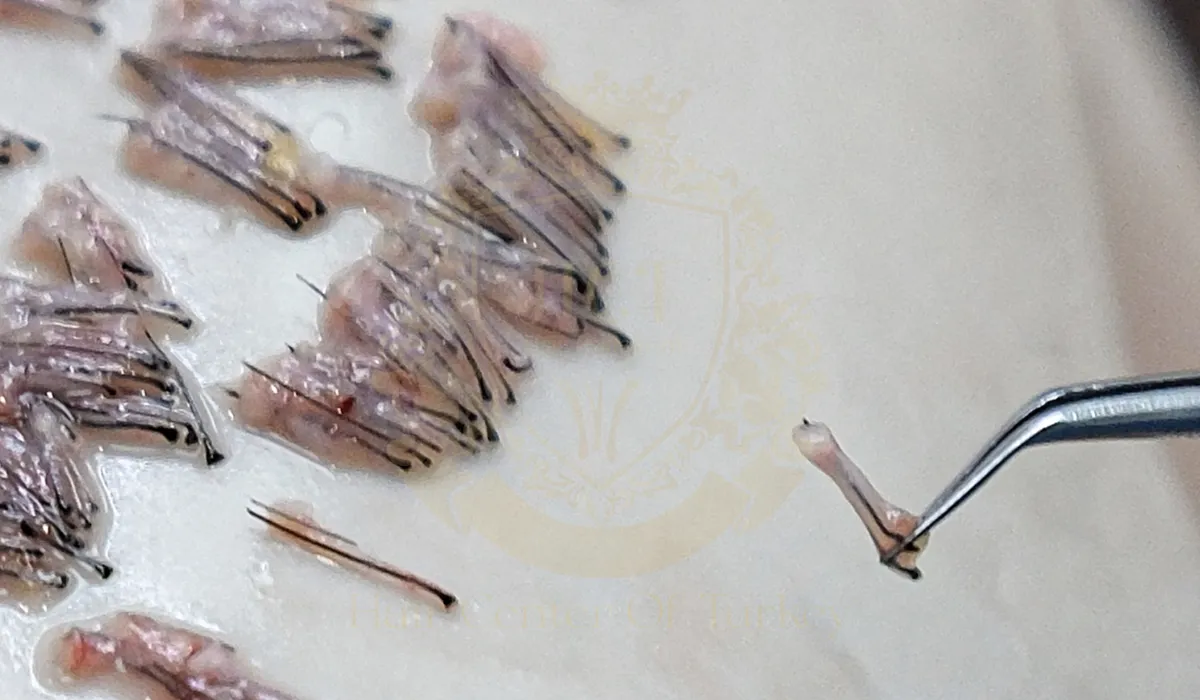
McHale has referenced a “strip” procedure in the past, which points to FUT (Follicular Unit Transplantation). FUT removes a thin strip of scalp from the donor area and dissects it into grafts. He also described moving to a newer technique later on, which sounds closer to FUE (Follicular Unit Extraction), where grafts are taken individually with small punches. Either approach can produce natural results when planned well; the right choice depends on donor density, hairstyle preferences, and the surgeon’s strategy.
How Many Grafts Could Be Involved?
Only McHale and his medical team would know the real numbers, but there are common ranges doctors use for planning. For a conservative hairline and temple fill, many patients land somewhere around 800–1,500 grafts. For the full frontal third (hairline plus temples and early mid-scalp), it’s often closer to 1,500–2,500 grafts. Crown work can add 1,000–2,000+ grafts depending on size and desired density.
These are ballpark estimates. Hair caliber, curl pattern, contrast between hair and scalp, and existing miniaturized hairs all affect how much coverage you can achieve with a given graft count.
How Much Is A Hair Transplant Like Joel McHale’s?
Hair transplant pricing varies more than most people expect. In the U.S., costs are typically higher, often quoted per graft or as a total surgical fee. Medical tourism destinations can be less expensive, but standards and oversight vary by clinic, so the lowest price isn’t always the best value.
McHale has said he spent about $10,000 in total across multiple procedures. That number shouldn’t be treated as a universal benchmark—his timeline, approach, and location are specific to him. The only accurate way to estimate cost is a consultation that reviews your pattern of loss, donor capacity, and long-term plan.
Recovery And Results Timeline
Most patients look presentable within days to a couple of weeks, depending on how short they wear their hair and whether the donor area is shaved. The transplanted hairs commonly shed in the first few weeks, which is normal.
Early regrowth often starts around month 3–4. Noticeable improvement tends to show up between months 6–9, and the result is usually evaluated around month 12. If someone is restoring multiple zones or chasing a very dense look, more than one session may be recommended over time.
Choosing A Surgeon And Avoiding Common Mistakes
A natural-looking transplant is mostly planning: hairline design, graft placement angle, and a realistic density plan that protects the donor area. Look for a surgeon who is transparent about who does each step of the procedure, what technique is being used, and what results are realistic for your hair type and degree of loss.
Be cautious of clinics that promise extreme graft numbers in a single day, use aggressive “one-size-fits-all” hairlines, or avoid discussing long-term loss progression. A good plan accounts for the possibility that native hair will continue thinning over time.
FAQ
How much did Joel McHale’s hair transplant cost?
According to the June 2025 podcast, approximately $10,000 for four transplants.
What happened to Joel McHale’s hair?
Androgenic hair loss left him completely bald; multiple transplants thickened his hairline.
How many times did Joel McHale get hair transplants?
According to what he said on the We Might Be Drunk podcast, he had four hair transplants.
Who are the most famous celebrities who have had hair transplants?
Wayne Rooney, Elton John, Joel McHale, John Cena, Joe Swash, Calum Best.
How many grafts did Joel McHale have?
This has not been made public; only unverified graft estimates exist.