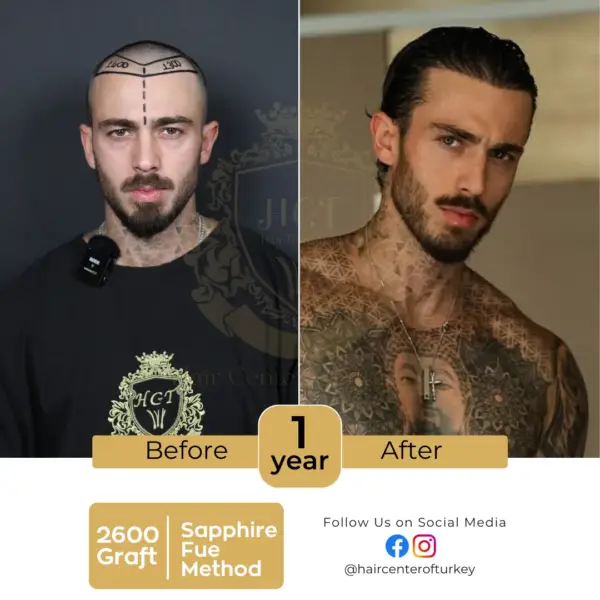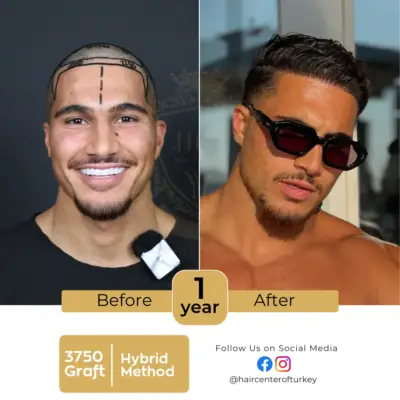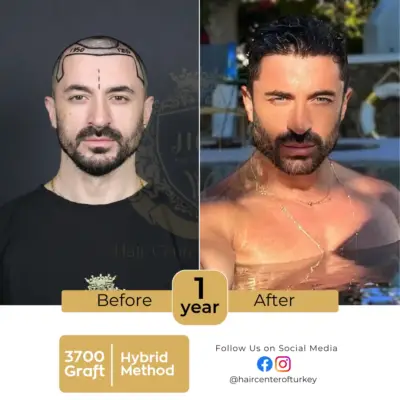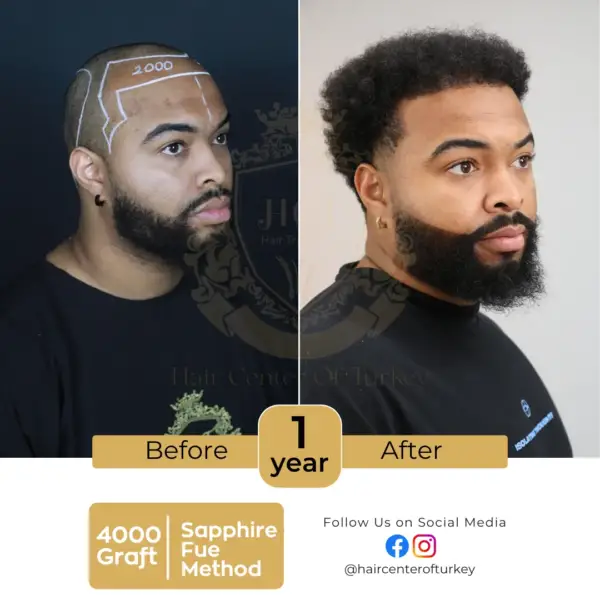





Unshaven Hair Transplant Turkey: What Is It?
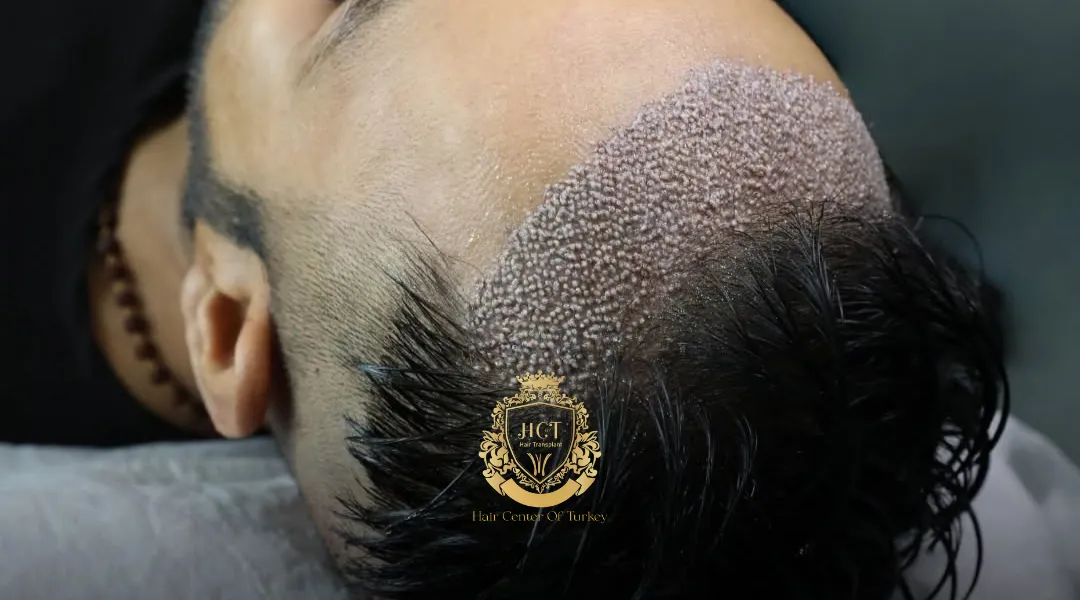
An unshaven hair transplant Turkey is a hair restoration procedure performed without fully shaving the patient’s head.
Surgeons use specialized FUE or DHI techniques to extract and implant hair follicles discreetly. They shave only small donor areas, which remain hidden under existing hair. This approach allows patients to maintain their current hairstyle during recovery. Many professionals prefer this method because it offers privacy and minimal visible change.
Table of Contents
What Is An Unshaven Hair Transplant?
An unshaven hair transplant is a hair restoration procedure performed without shaving the entire scalp. Surgeons use advanced FUE or DHI techniques to extract individual hair follicles carefully. They shave only small, hidden donor areas under existing hair. This method allows patients to keep their current hairstyle during treatment. Many people prefer this option for privacy and minimal visible change.
The procedure suits professionals who cannot take long social breaks. Recovery is similar to standard hair transplant techniques. Results remain natural and permanent when performed by experienced surgeons. Unshaven hair transplant procedures combine discretion, comfort, and effective hair restoration outcomes.
Understanding The Unshaven Procedure
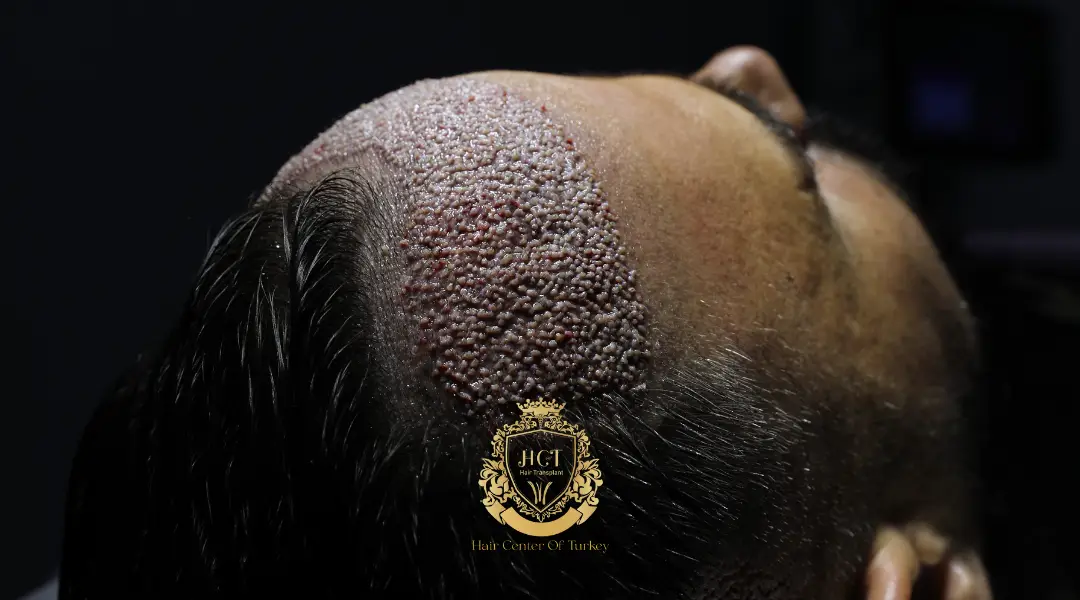
Traditional restoration methods require completely shaving the scalp for maximum surgical visibility. The unshaven approach successfully bypasses this highly uncomfortable cosmetic requirement absolutely entirely. Medical professionals carefully extract healthy follicles from the densely populated back area. They strictly utilize highly specialized microscopic tools to avoid damaging surrounding hair. The extracted healthy grafts are then precisely implanted directly into the thinning areas. This precise medical action occurs seamlessly between your existing long hair strands. The complex process demands immense technical skill and absolute unwavering continuous focus. It perfectly preserves your current aesthetic appearance throughout the entire physical process.
Ideal Candidates For This Method
Not every single patient automatically qualifies for this highly specific aesthetic approach. Individuals requiring a massive number of grafts might ultimately need traditional methods. Those experiencing mild to moderate hair loss are absolutely the perfect candidates. Patients needing gentle hairline lowering or minor density improvements benefit the most. Having existing long hair easily helps conceal the tiny surgical extraction points. Good overall physical health strictly ensures a highly smooth and rapid recovery process. Realistic personal expectations regarding the final visual outcome are also absolutely essential. A thorough initial medical evaluation easily determines individual suitability for this technique.
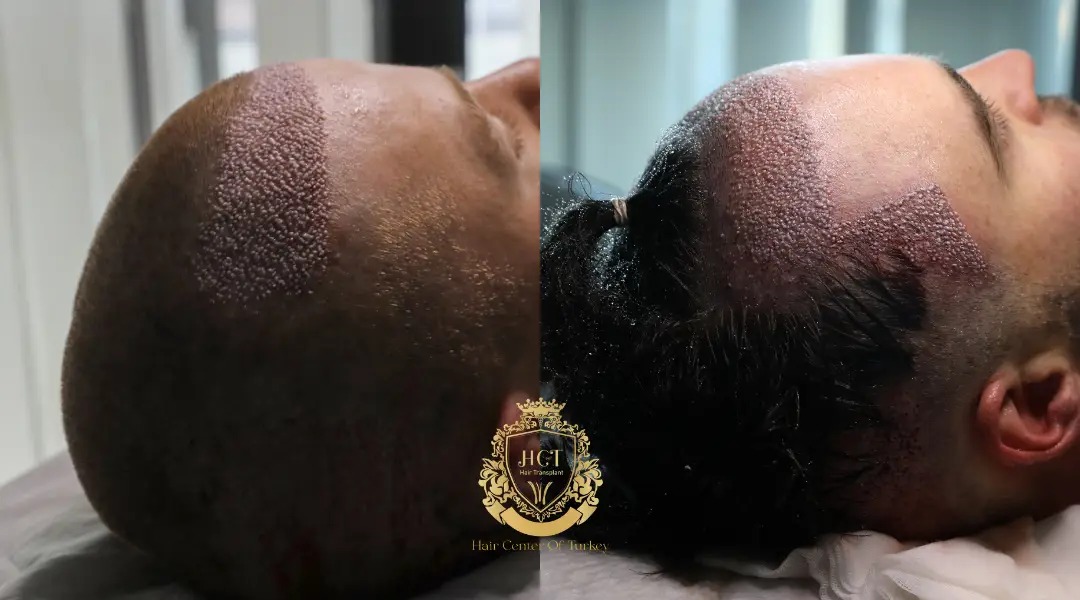
Why People Choose a No-Shave Hair Transplant?
Discretion is the obvious reason. If you keep your hair medium or long, shaving can be a bigger emotional hurdle than the procedure itself. Many patients also worry about returning to work, attending events, or being questioned by friends and colleagues. Unshaven FUE can make those weeks feel easier because your hairstyle stays closer to normal.
Another reason is personal comfort. Some people simply don’t like the look of a shaved head, even temporarily. Others have hair texture that takes time to grow out evenly. No-shave options can reduce that awkward transition phase.
Still, it’s important to understand the tradeoffs. No-shave procedures can take longer, they can cost more, and they may not be ideal for very large graft sessions. A good clinic will explain this clearly instead of presenting no-shave as the “premium” answer for everyone.
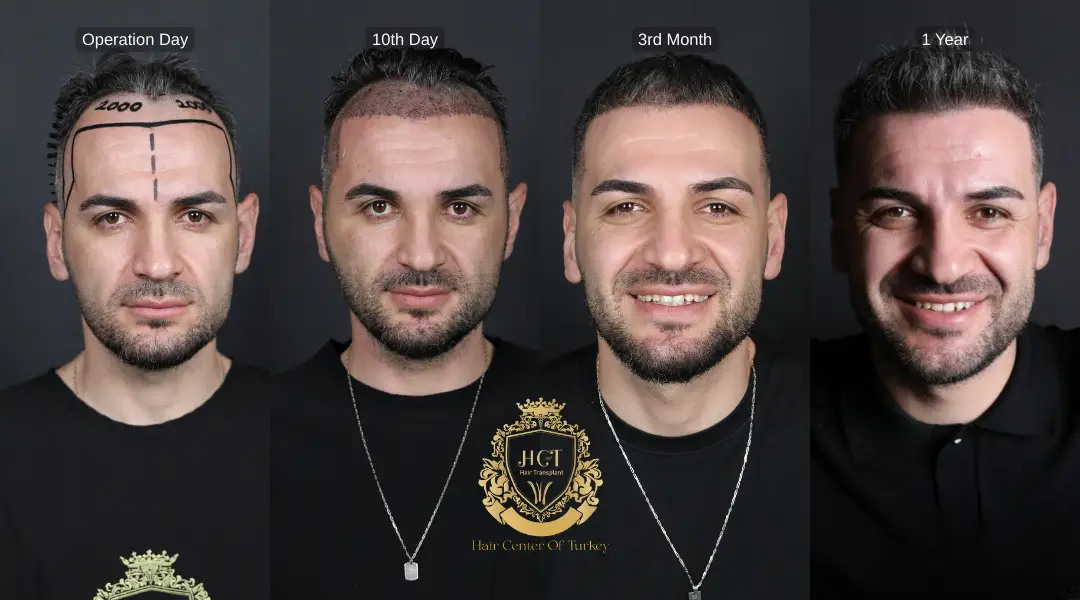
How the Procedure Works?
A no-shave hair transplant still begins with planning. The clinic designs the hairline and maps the recipient zones based on your facial structure, age, and likely future hair loss. This step matters because the most natural results come from conservative, age-appropriate hairline design and smart density distribution.
On procedure day, the team prepares the donor area. Instead of shaving a large section, they may trim only tiny areas needed for extraction or work carefully around longer hair. Local anesthesia is typically used. Extraction is performed one graft at a time, then the grafts are prepared for implantation.
Implantation follows, with careful attention to angle and direction. Even when the recipient area remains unshaven, the clinic must still create clean access for placing grafts precisely. This can be slower than shaved cases, because longer hair can obscure the view and requires meticulous handling.
Pros and Cons
The main advantage is discretion. Many patients feel more comfortable returning to normal life because their hair still looks like “their hair,” just with a healing phase underneath. This can be especially valuable if you wear your hair down or styled forward.
The main downside is complexity. No-shave procedures can require more time, more staff coordination, and more careful graft handling. That can translate into higher cost. It can also limit how many grafts can be done comfortably in a single session, depending on the clinic’s process.
The best way to think about it is this: shaving makes the surgery easier; no-shave makes the recovery appearance easier. Your plan should balance both.
Unshaven Hair Transplant Turkey Cost 2026
Unshaven hair transplant Turkey cost in 2026 ranges between €2,500 and €6,000 depending on grafts and technique.
Prices vary based on the surgeon’s experience and clinic reputation. The number of grafts significantly affects the total cost. Unshaven procedures require more time and precision than standard FUE methods. This factor can slightly increase the overall price.
Frequently Asked Questions
How long does the unshaven surgery take?
The unshaven cosmetic surgery usually thoroughly takes between six and eight hours to complete fully. This physical duration is generally safely slightly longer than a traditional completely shaven standard surgical procedure. Navigating incredibly carefully between existing long native hairs requires immense continuous precision and intense medical focus.
Is the unshaven hair transplant painful?
The unshaven hair transplant is not painful due to advanced modern local anesthesia. You will truly only briefly feel a tiny slight physical pinch during the initial numbing injections. The entire careful microscopic extraction and precise implantation process remains completely and entirely physically highly painless.
How many grafts can be transplanted in one session?
Typically up to exactly three thousand grafts can be safely highly transplanted in one single session. The precise unshaven specific method naturally strictly limits the maximum daily extraction and delicate implantation capacity. Carefully working meticulously around long existing native hairs drastically significantly slows down the overall surgical speed. Pushing unsafely beyond this strict limit could potentially greatly compromise the ultimate survival of the fragile grafts.
How do I wash my hair after the procedure?
You must gently cleanly wash your delicate hair strictly following specific precise instructions provided after the surgery. You absolutely cannot completely completely wet your entire head for the extremely first two entire postoperative days. A highly wonderfully gentle medical shampoo and extremely special softening healing lotion will be provided for you completely.
When will the new hair start growing?
The highly anticipated new permanent hair will start naturally beautifully growing around the third or fourth entire month. The newly transplanted incredibly healthy hairs will actually fully completely shed within the first extremely few short weeks. This incredibly early natural shedding phase is entirely totally strictly normal and a highly standard biological healing response.
Can women get an unshaven hair transplant?
Women are absolutely entirely exceptionally highly fantastic candidates for the highly advanced unshaven hair transplant procedure globally entirely. Many totally normal female patients greatly suffer from highly mild thinning and completely totally refuse to completely shave their heads.