





Folic Acid For Hair Growth
Folic acid can support hair health when low folate is contributing to shedding, but it won’t fix every type of hair loss. Folate helps with cell turnover and red blood cell production, which supports oxygen delivery to follicles. If you suspect a deficiency, testing and treating the underlying cause usually matters more than adding another supplement.
Table of Contents
What Is Folic Acid, And Why Does It Matter For Hair?
Folate is vitamin B9, and folic acid is the supplemental form used in many multivitamins and fortified foods. It plays a central role in DNA synthesis and cell division, which are important for fast-growing tissues. Hair follicles are active structures, so low folate can affect overall hair quality in some people.
Does Folic Acid Actually Help Hair Growth?
Folic acid is most likely to help if you’re truly low in folate or have related blood changes such as megaloblastic anaemia. If your folate levels are normal, taking extra folic acid is unlikely to create noticeable regrowth on its own. Hair loss is often multi-factorial, so it’s common to have more than one driver at the same time.

When Low Folate Might Be Part Of The Problem
Folate deficiency is less common than iron deficiency, but it can happen. Risk is higher with restrictive diets, heavy alcohol intake, certain gastrointestinal conditions that reduce absorption, and some medications. Pregnancy also increases folate needs, which is why folic acid is commonly recommended before conception and in early pregnancy.
Signs Of Folate Deficiency
Hair-related signs can include increased shedding, slower regrowth, and strands that feel weaker or more prone to breakage. Folate deficiency can also cause fatigue, mouth sores, a sore tongue, and symptoms linked to anaemia. Because these symptoms overlap with other deficiencies, lab testing is the most reliable way to know.

Which Tests To Ask For If You’re Shedding
If you’re dealing with persistent shedding, a clinician may check folate alongside a complete blood count (CBC). Depending on your history, ferritin (iron stores), vitamin B12, thyroid function, and vitamin D may also be discussed. Testing is especially useful if hair loss is new, severe, or comes with systemic symptoms like fatigue or shortness of breath.
Best Food Sources Of Folate
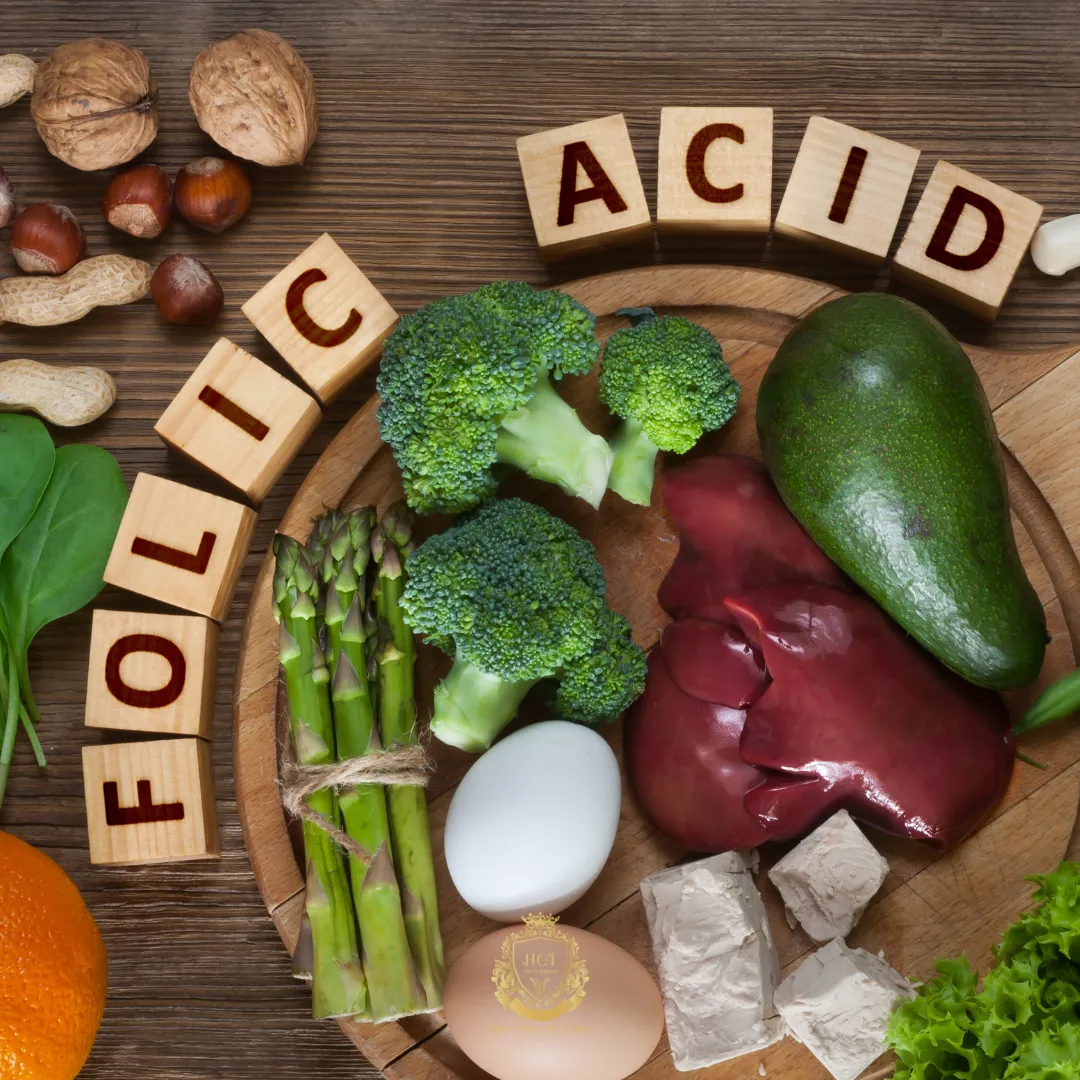
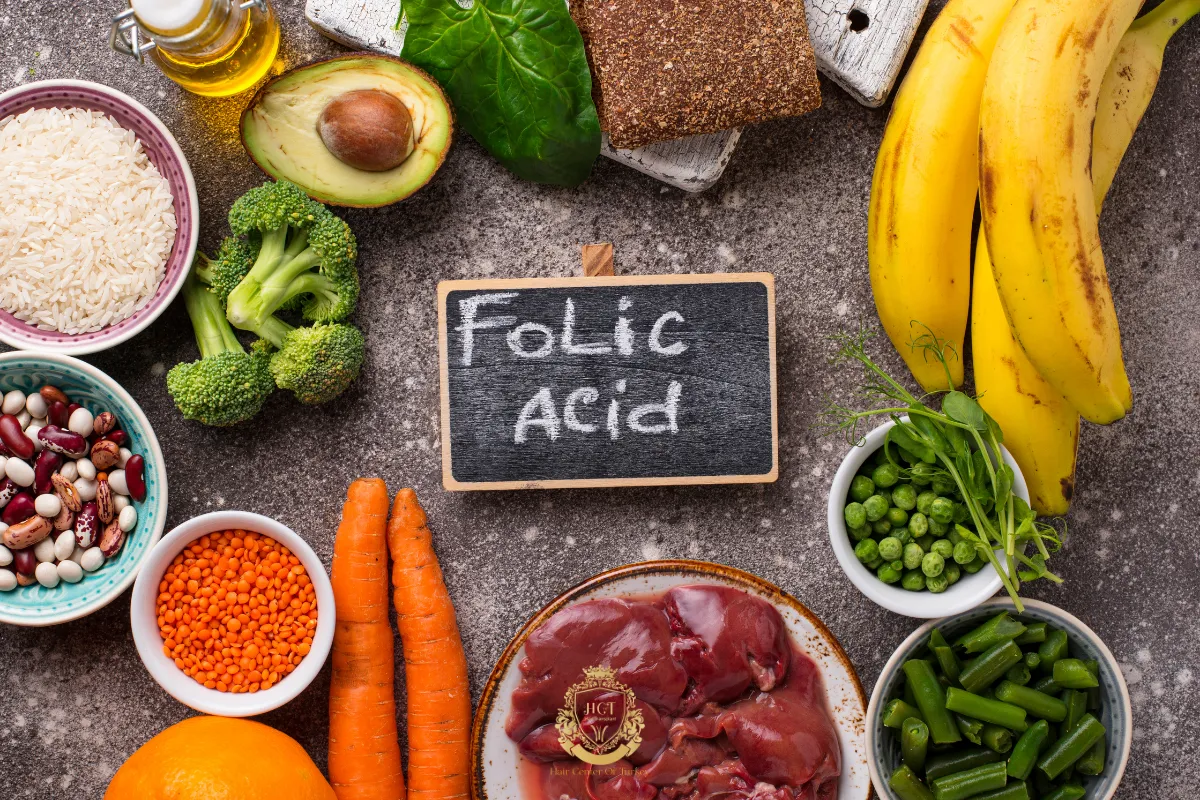
Food-first is a solid strategy because it supports overall nutrition without pushing doses too high. Good sources include leafy greens (spinach, kale), beans and lentils, asparagus, avocado, citrus fruits, and fortified grains and cereals. Pairing these with adequate protein and iron-rich foods supports hair structure and growth more broadly.
Folic Acid Supplements For Hair Growth
Supplements can be helpful if diet is limited, absorption is reduced, or blood tests confirm low folate. For most adults, the recommended intake is 400 mcg DFE per day, while pregnancy needs are higher (often listed as 600 mcg DFE). Many multivitamins already contain folic acid, so it’s worth checking the label before adding an extra product.
Safety Notes And Common Mistakes
More is not always better. High intakes of folic acid can mask a vitamin B12 deficiency, which can delay diagnosis and treatment. If you’re supplementing for hair, consider checking B12 as well, particularly if you’re vegetarian/vegan or have digestive symptoms. If you’re pregnant or trying to conceive, follow your clinician’s advice on dose rather than self-adjusting.
How Long Does It Take To See A Difference?
Hair changes take time because follicles cycle slowly. If low folate is contributing to shedding, you may notice less hair fall after your levels begin to improve, but visible regrowth often takes several months. Progress is easier to track with monthly photos in the same lighting rather than day-to-day checks.
When To See A Doctor Or Hair Specialist
Get medical advice if hair loss is sudden, patchy, painful, or paired with redness, scaling, or scarring. You should also book an evaluation if shedding lasts longer than three months or you have symptoms of anaemia. A proper assessment helps rule out common causes like thyroid disease, iron deficiency, autoimmune conditions, and androgenetic alopecia.
F.A.Q
Does folic acid help your hair grow?
Folic acid supports hair only when correcting deficiency; otherwise it won’t boost growth.
Can excess folic acid cause hair loss?
No; excess folic acid rarely causes hair loss, but can mask B12 deficiency.
Which acid is best for hair growth?
No single “acid” reliably grows hair; treat causes and use proven therapies.
Is it OK to take folic acid every day?
Yes; daily folic acid is safe at recommended doses—400 mcg, or 600 mcg in pregnancy.
What are the big 3 for thinning hair?
Minoxidil, a DHT blocker (finasteride), and ketoconazole shampoo are the Big 3.