





Does Creatine Cause Hair Loss?
Creatine has not been proven to cause hair loss. The concern mainly comes from a small 2009 study that found a rise in DHT levels (a hormone linked to male pattern baldness) after short-term creatine loading, but the study did not measure shedding. A newer 12‑week randomized trial found no changes in DHT or hair growth markers.
Why People Link Creatine To Hair Loss
Creatine is one of the most researched sports supplements, so myths travel fast. The hair-loss rumor usually traces back to dihydrotestosterone (DHT), an androgen involved in androgenetic alopecia (male/female pattern hair loss). If your follicles are genetically sensitive to DHT, even normal hormone fluctuations can matter more than they would for someone without that predisposition.
What The Research Actually Shows
One small, double-blind study in college-aged rugby players (2009) reported an increase in DHT and in the DHT-to-testosterone ratio after a creatine “loading” phase. Importantly, it did not track hair shedding, hair density, or changes in the scalp.
More recently, a 12‑week randomized controlled trial (2025) compared creatine with placebo and found no significant differences in DHT, the DHT-to-testosterone ratio, or hair growth parameters between groups. In practical terms, that’s the kind of study design people wanted to see after the 2009 paper.
Creatine’s broader safety profile is also well established in sports nutrition literature, with position stands describing creatine monohydrate as a well-studied supplement when used appropriately.
DHT, Genetics, And Why Results Differ Between People
DHT does not “cause” hair loss on its own. Pattern hair loss happens when follicles are genetically sensitive to DHT over time, leading to miniaturization (thinner, shorter hairs and a gradual drop in density). If you already have a family history of pattern thinning, you may notice shedding earlier than friends who take the same supplement.
That said, seeing more hair in the shower does not automatically mean DHT is rising. Many people experience temporary shedding from unrelated triggers.

Table of Contents
Other Common Reasons People Shed While Taking Creatine
If hair loss starts around the same time as creatine, timing can be misleading. A few common confounders:
- **Hard training and under-recovery:** Rapid increases in training volume, poor sleep, or high stress can contribute to shedding.
- **Calorie deficits and rapid weight loss:** Cutting aggressively can reduce protein, iron, zinc, and overall energy availability.
- **Illness or major life stressors:** These can trigger telogen effluvium (temporary shedding) weeks to months later.
- **Supplement quality:** Contamination isn’t common with reputable brands, but third‑party testing matters.
- **Existing pattern hair loss:** Creatine may get blamed for a process that was already underway.

What To Do If You Notice Shedding
If shedding is mild and you feel well, it may settle on its own. If it’s sudden, heavy, or paired with scalp symptoms (itching, burning, flaking) or obvious thinning at the temples/crown, it’s worth getting checked.
A clinician may look at:
- Pattern vs. diffuse shedding
- Recent stress, diet changes, illness, or medications
- Iron (ferritin), vitamin D, thyroid function, and other relevant labs where appropriate
If you have a strong family history of androgenetic alopecia, ask about evidence-based options such as topical minoxidil or prescription treatments—these should be chosen with a healthcare professional.
 Things to Consider
Supporting Hair Health While Training
Hair tends to reflect overall health. These basics help more than “miracle” shampoos:
- Eat enough total calories and protein for your training load
- Aim for steady, sustainable fat loss if cutting
- Prioritize sleep and recovery
- Avoid tight hairstyles and harsh chemical treatments if hair is fragile
When Hair Loss Needs A Specialist Eye
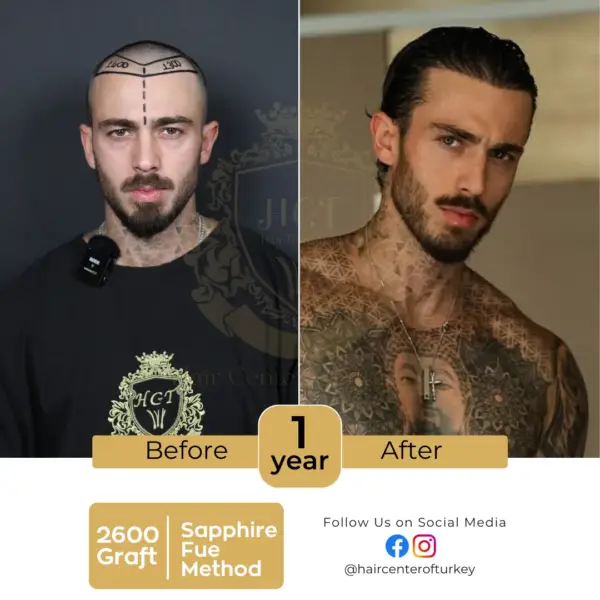
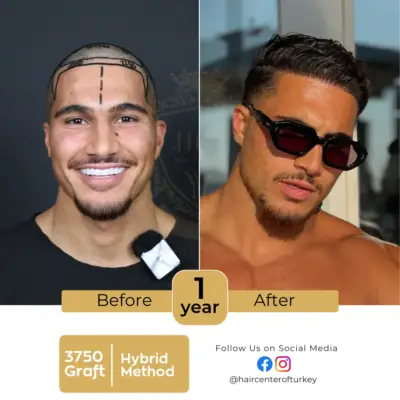
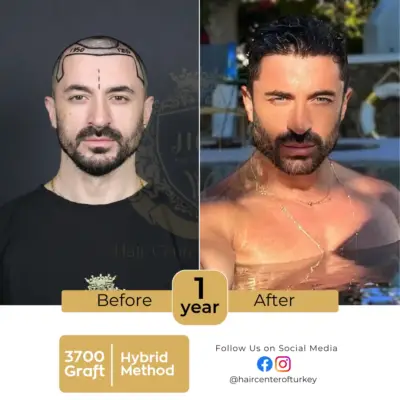
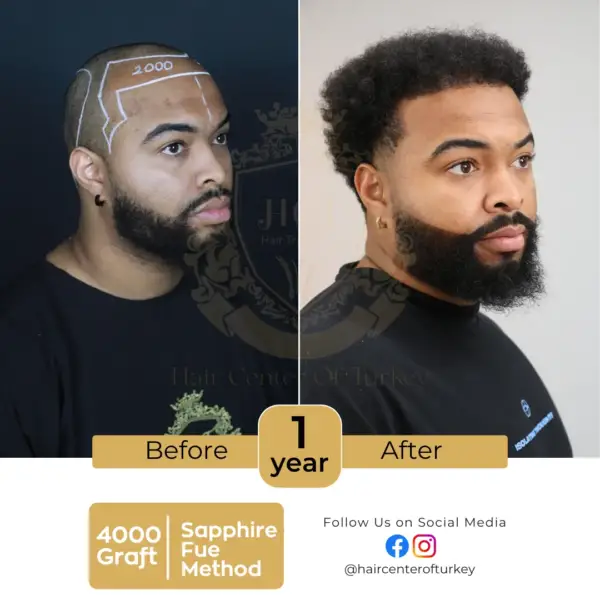
If you want clarity on what’s driving thinning—especially if you’re considering a long-term plan—getting a proper assessment saves time. Hair Center of Turkey provides a boutique, VIP-style approach focused on understanding the cause of hair loss first, then discussing appropriate next steps based on your pattern, history, and goals.
FAQ
Does creatine increase DHT and hair loss?
No strong evidence creatine increases DHT or causes hair loss.
Should I stop creatine if I have hair loss?
No; stopping creatine is optional, but monitor changes and consult a dermatologist.
Will I stop losing hair if I stop taking creatine?
Unlikely; stopping creatine won’t reliably stop hair loss if you’re genetically predisposed.
How much creatine to avoid hair loss?
No dose is proven to prevent hair loss; 3–5 g/day hasn’t shown causation.
Is creatine bad for thin hair?
No; creatine isn’t proven bad for thin hair.