






Does Collagen Promote Hair Growth?
Collagen may support healthier hair by providing amino acids used to build keratin and by helping maintain scalp and follicle health. It won’t “regrow” hair where follicles are inactive or scarred, but it can be a useful part of a routine aimed at reducing breakage and supporting thickness, especially when diet and protein intake are low.

What Is Collagen And Why Is It Important?
Collagen is the most abundant protein in the body. It helps form the structure of skin, connective tissue, and the supportive layers around hair follicles.
Natural collagen production tends to decline with age. Nutrition, sun exposure, smoking, stress, and certain health conditions can also affect how well your body maintains collagen-rich tissues.

How Collagen May Support Hair Health
Hair growth is driven primarily by genetics, hormones, nutrition, and overall scalp health. Collagen isn’t a direct “hair growth switch,” but it may support the environment your hair needs to grow and stay strong.
Supports Follicle And Scalp Structure
The skin and connective tissue around follicles rely on structural proteins. By supporting the building blocks of these tissues, collagen supplementation may help maintain scalp resilience, which matters when hair is prone to thinning.
Provides Amino Acids Used To Build Keratin
Hair is mostly keratin, a protein made from amino acids. Collagen (especially hydrolyzed collagen peptides) contains amino acids such as glycine, proline, and hydroxyproline, and many products also contribute to overall daily protein intake.
If your diet is low in protein, adding collagen can help you hit a more consistent protein target, which is often a practical step for hair quality.
Antioxidant Support
Oxidative stress can affect the scalp and follicles. Some research suggests collagen peptides may have antioxidant properties, which could support healthier-looking hair and skin over time.
Can Collagen Regrow Hair?
Collagen can help improve hair quality, strength, and breakage resistance in some people. It is not a treatment that reliably reactivates dormant follicles.
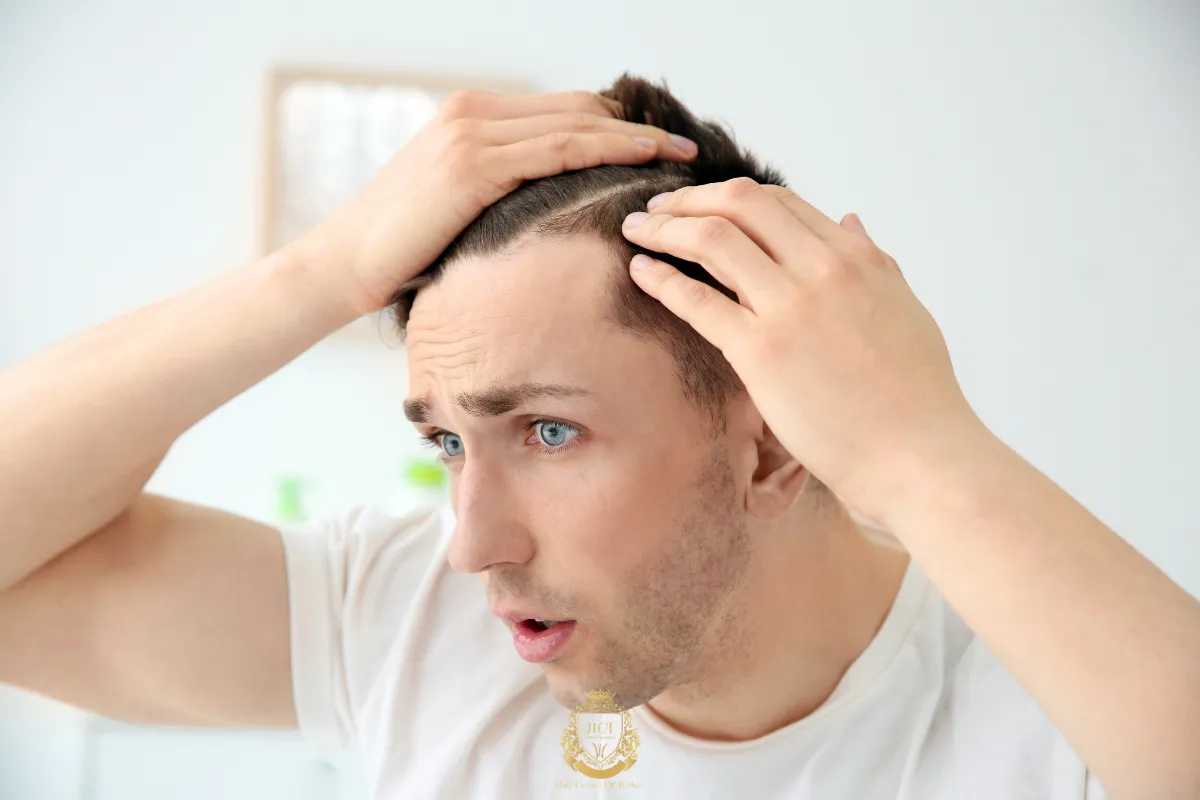
If hair loss is caused by androgenetic alopecia (pattern hair loss), scarring alopecia, or advanced miniaturization, collagen alone is unlikely to create visible regrowth. In those cases, targeted medical treatment and an expert scalp assessment are usually needed.
Can Collagen Help Thinning Hair?
For early thinning, collagen may be a helpful support when the main issue is fragility, shedding linked to low protein intake, or overall hair quality. People sometimes notice improved shine, fewer split ends, and less breakage rather than dramatic “new growth.”
If you have sudden shedding, patchy loss, scalp inflammation, or thinning that progresses quickly, it’s worth checking for common triggers such as iron deficiency, thyroid issues, recent illness, stress, postpartum changes, or medication side effects.
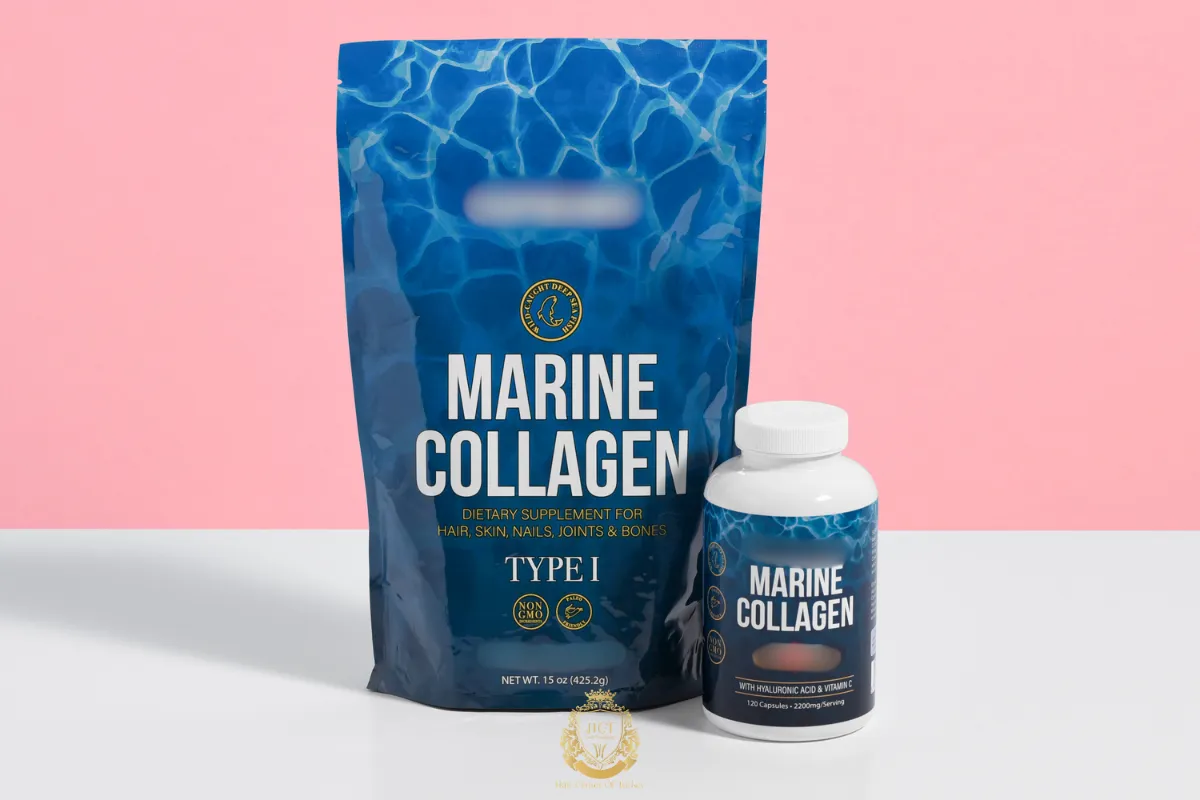
Is Collagen Worth Taking?
Collagen may be worth trying if you want to support hair strength, especially when paired with a balanced diet, adequate calories, and enough total protein. It tends to be most useful as part of a wider plan rather than a standalone fix.
If you’re deciding between supplements, focus on what’s most likely to move the needle: nutrition basics, scalp health, and addressing the underlying type of hair loss.
How To Take Collagen For Hair Growth
Choose a form you can stick with consistently. Most people use collagen daily for at least 8–12 weeks before deciding whether it’s helping.
Collagen Peptides (Powder Or Capsules)
Hydrolyzed collagen peptides mix easily into coffee, smoothies, yogurt, or water. Capsules are convenient if you prefer a measured dose without taste.
Liquid Collagen
Liquid collagen is easy to take on the go. It can be helpful for people who don’t like powders, but check the label for added sugars, sweeteners, and flavoring.
Bone Broth And Food Sources
Bone broth contains collagen, though the amount varies widely by preparation. A protein-rich diet (eggs, fish, poultry, legumes, dairy, and tofu) supports the amino acid pool your body uses to build hair proteins.
Typical Dose
Many products fall in the range of 2.5–15 grams per day, depending on the formula. Use the manufacturer’s directions, and consider speaking with a clinician if you’re pregnant, breastfeeding, have kidney disease, or take multiple supplements.
Side Effects And Safety
Collagen is generally well tolerated. Some people report mild digestive symptoms such as bloating, fullness, or heartburn, especially when starting at higher doses.
If you have food allergies, check the source (marine, bovine, chicken) and any added ingredients. Choosing a reputable brand with third-party testing can help reduce the risk of contaminants.
When Supplements Aren’t Enough
If thinning is advanced or has been progressing for years, supplements may not deliver noticeable cosmetic change. A professional evaluation can clarify whether you’re dealing with pattern hair loss, inflammation, or a treatable deficiency.
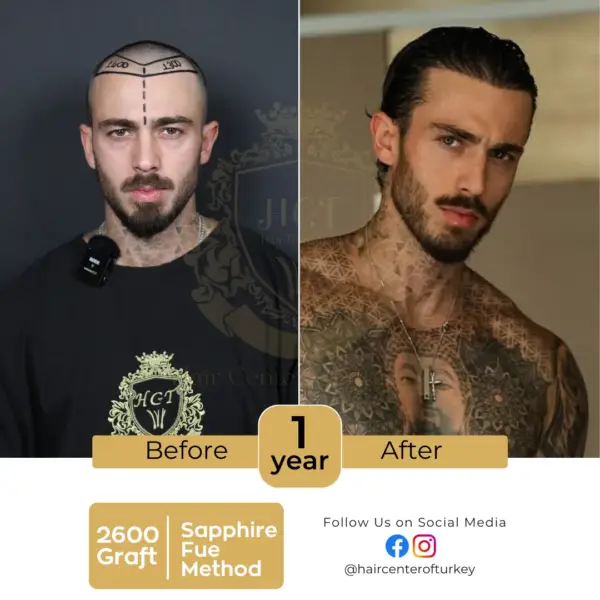
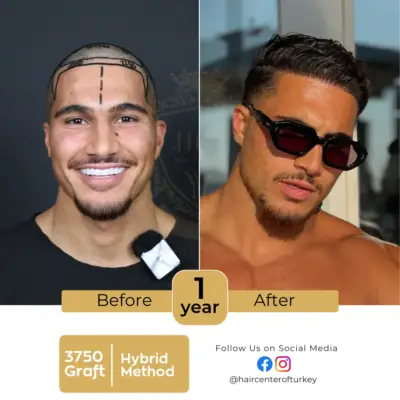
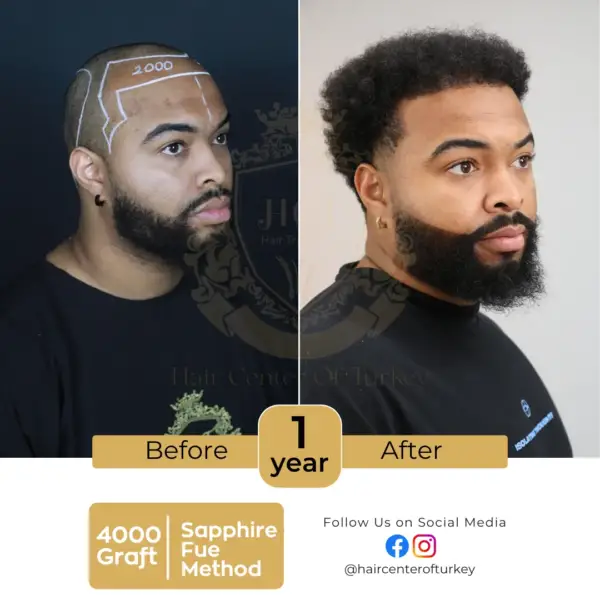
For candidates with significant hair loss, hair transplantation can offer a more predictable improvement in density when performed with a personalized plan and careful follow-up. At Hair Center of Turkey, patients are guided through a one-to-one assessment and a VIP-style care pathway designed around their goals, donor area, and recovery needs. Clinics that focus on boutique, patient-specific care often combine medical guidance with a tailored transplant strategy.
F.A.Q. (Frequently Asked Questions)
How long does collagen take to work for hair?
Many people assess changes after 8–12 weeks, since hair growth is slow. Improvements are more likely to show up as reduced breakage and better texture before any change in perceived thickness.
Can collagen stop hair loss?
Collagen can support hair quality, but it does not treat every cause of hair loss. Pattern hair loss and scarring conditions typically require targeted medical care.
Can I take collagen with other hair supplements?
Often yes, but overlapping products can push certain nutrients too high. If you’re combining collagen with biotin, iron, zinc, or multivitamins, it’s smart to review your total intake with a clinician.
Which collagen type works well for hair?
Most supplements use Type I and Type III collagen, commonly sourced from bovine or marine collagen. Hydrolyzed collagen peptides are popular because they mix well and are easier to digest.
Will collagen help bald spots?
If follicles are inactive or scarred, collagen is unlikely to regrow hair in that area. Getting the cause diagnosed first saves time and helps you choose an approach with realistic outcomes.