





Do Energy Drinks Cause Hair Loss?
Energy drinks aren’t a proven direct cause of baldness, but heavy or frequent use may contribute to hair shedding and thinning in some people. The main risks come from high caffeine and sugar, sleep disruption, stress-hormone spikes, and replacing nutrient-rich foods with ultra-processed drinks. If shedding persists, a medical check is worth it.
Table of Contents
The Real Relationship Between Energy Drinks And Hair Loss
Most hair loss has bigger drivers than a single drink: genetics, hormones, medical conditions, medications, or major stress. Energy drinks matter when they push your body into a pattern that’s unfriendly to healthy hair growth—poor sleep, high daily caffeine, excess sugar, and inconsistent nutrition.
Hair follicles are sensitive to internal changes. When your system is under strain, more hairs can shift into the resting phase (telogen) and shed later, often several weeks to a few months after the trigger.
How Energy Drinks May Contribute To Shedding Or Thinning
1) High Caffeine And Stress-Hormone Effects
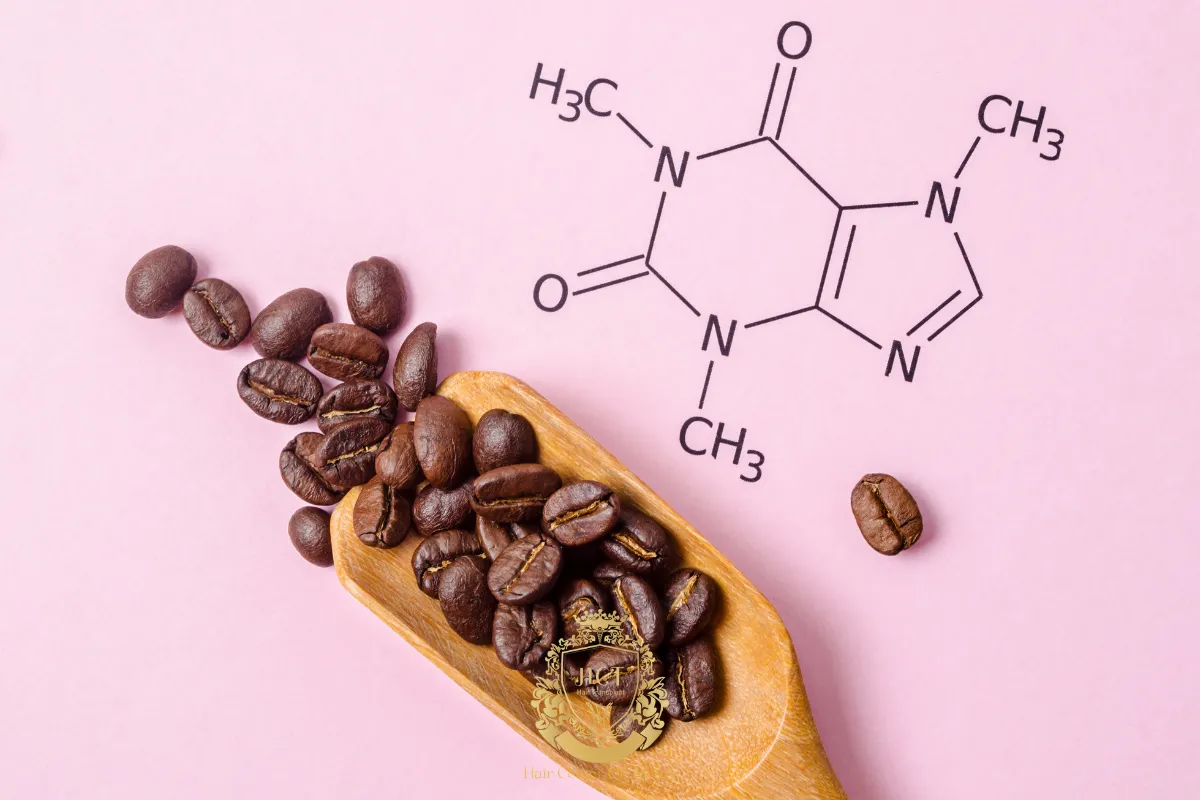
Many energy drinks contain a wide range of caffeine per serving, and some people stack multiple servings in one day. Higher caffeine intake can increase feelings of jitteriness, anxiety, and stress in sensitive individuals, which may indirectly trigger shedding.
Caffeine can also disrupt sleep, especially when consumed later in the day. Poor sleep and chronic stress are common “background” factors in diffuse shedding.
2) Sleep Disruption That Hits Hair Growth Over Time
Hair growth relies on steady recovery: sleep quality, hormone balance, and a well-fed body. If energy drinks regularly interfere with sleep, the body may prioritize essential functions over “non-essential” ones like hair production.
If you notice shedding after weeks of poor sleep, the timing fits how temporary shedding patterns often work.
3) High Sugar Intake And Metabolic Stress
Some energy drinks are loaded with sugar. High sugar intake can contribute to insulin spikes and, over time, insulin resistance in susceptible people. Metabolic stress can influence inflammation and hormone pathways that may aggravate thinning in people who are already genetically prone.
Research on sugar-sweetened beverages has found an association with male pattern hair loss in young men, though this type of study can’t prove cause and effect.
4) “Nutrient Displacement”
This is a practical one. When energy drinks replace real meals or reduce appetite, people often fall short on key hair-supporting nutrients such as protein, iron, zinc, and vitamin D.
Hair is a “luxury tissue.” If your diet is inconsistent, hair quality and density can be one of the first things to suffer.
What The Research Actually Suggests
- There isn’t strong evidence that energy drinks alone directly cause permanent baldness in otherwise healthy people.
- There is reasonable evidence that stress, sleep disruption, and metabolic strain can contribute to shedding patterns.
- There are observational studies linking high sugar-sweetened beverage intake with higher odds of male pattern hair loss. These findings are worth taking seriously, but they still need stronger research to confirm causation.
How Much Is “Too Much”?
Tolerance varies. Some adults do fine with moderate caffeine, while others feel side effects at much lower amounts.
A sensible, safety-focused approach:
- Track your total daily caffeine (coffee, tea, cola, pre-workout, energy drinks).
- If you’re regularly near the upper daily limit suggested by major health authorities, hair shedding isn’t guaranteed, but sleep and stress effects become more likely.
- Avoid energy drinks in the late afternoon/evening if sleep quality is even slightly affected.
Signs Your Energy Drink Habit Might Be Affecting Your Hair
You don’t need every symptom here, but patterns matter:
- New or increased shedding when washing or brushing
- Noticeably thinner ponytail diameter over a few months
- Poor sleep, racing thoughts, anxiety, or frequent “crashes”
- Skipping meals or relying on energy drinks instead of breakfast/lunch
- Scalp irritation worsening with high sugar intake or poor lifestyle routines

How To Protect Hair Health If You Drink Energy Drinks
Reduce Frequency First, Not “All Or Nothing”
Cutting back gradually is often easier than quitting overnight, especially if caffeine withdrawal triggers headaches.
Prioritize Sleep Like It’s Part Of Your Hair Routine
If you want one high-impact change, start here. Better sleep supports recovery, stress balance, and healthier shedding patterns.
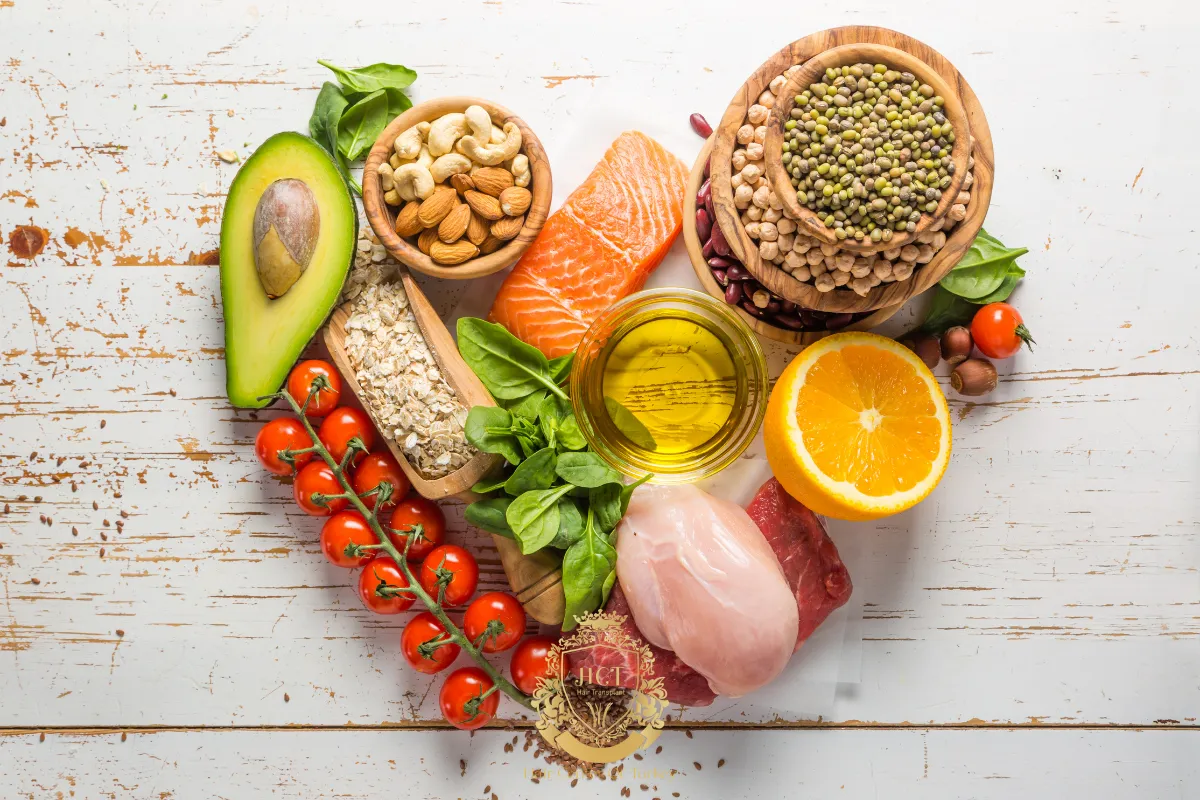
Build A Hair-Supporting Diet
Aim for consistent intake of:
- Protein-rich foods (eggs, fish, yogurt, legumes)
- Iron and zinc sources (lean meats, lentils, pumpkin seeds)
- Vitamin D support (safe sun exposure + doctor-guided supplementation if needed)
- Colorful vegetables and fruit for antioxidants
Choose Lower-Sugar Options
If you do use energy drinks, consider sugar-free versions and keep ultra-sweet drinks as occasional, not daily.
When To See A Doctor Or Hair Specialist
Get checked if you have any of these:
- Shedding that lasts longer than 3–6 months
- Patchy bald spots, itching, burning, or scaling
- Rapid thinning with family history of pattern hair loss
- Fatigue, low ferritin/iron, thyroid symptoms, or sudden weight change
- Hair loss after a medication change or illness
A proper evaluation can identify telogen effluvium, androgenetic alopecia, scalp conditions, or nutritional deficiencies—each needs a different plan.
F.A.Q.
What drinks are linked to hair loss?
Excessive alcohol is linked; other drinks lack strong direct evidence.
Is energy drink good for hair?
No, energy drinks offer no proven hair benefits and can worsen sleep and stress.
Can caffeine speed up hair loss?
No, normal caffeine intake doesn’t speed hair loss; excessive use may worsen shedding indirectly.
Do energy drinks affect hair loss?
Yes, they can indirectly worsen shedding by disrupting sleep, raising stress, and affecting nutrition.
What are 5 side effects of drinking energy drinks?
Insomnia, anxiety, palpitations, increased blood pressure, and stomach upse