






This article was inspired by a simple question raised by a recently released commercial: did a famous athlete really come to Turkey for a hair transplant, or was it simply a cleverly produced creative campaign? In this article, you will learn what this type of promotion actually tells you, which factors truly matter when considering a hair transplant abroad, how pricing and techniques generally work, what to expect during recovery, how international patients should plan their trip, and why a well-organized option in Istanbul may be worth considering. The goal is to help you shape your decision based on medical facts rather than social media buzz.
Table of Contents
Where Does the Buzz Come From?
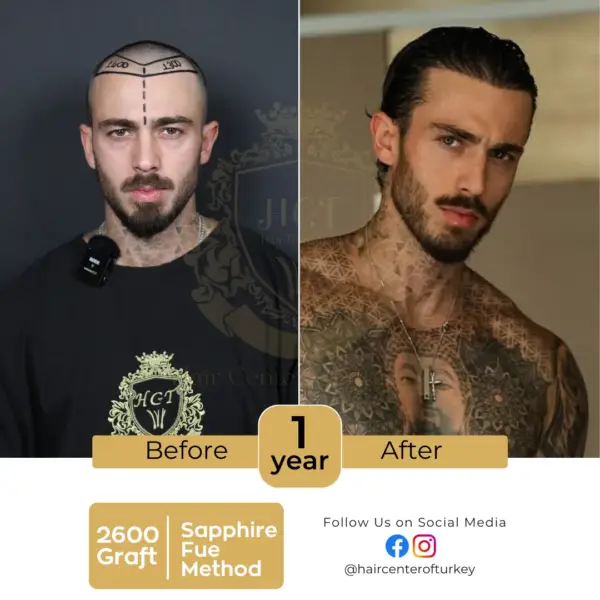
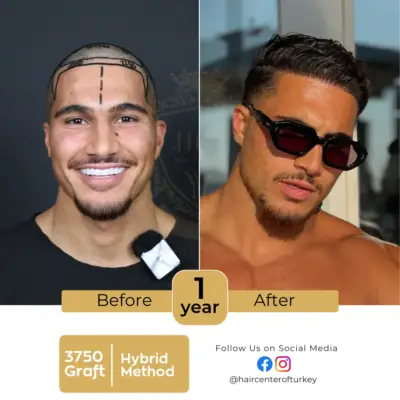
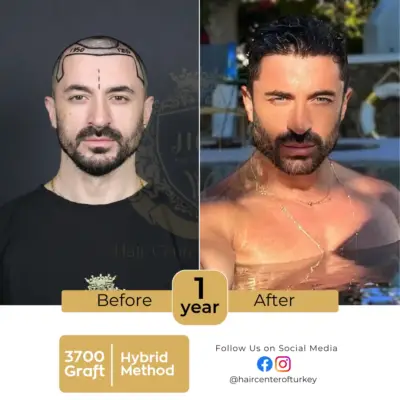
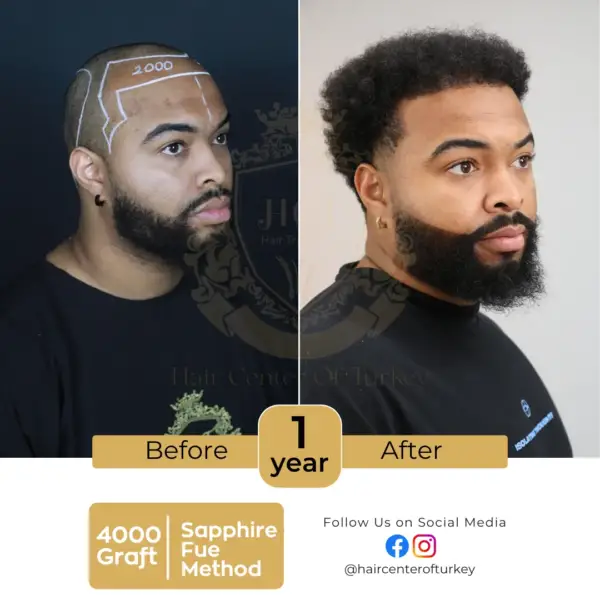
The short answer is this: advertising and celebrity visibility create curiosity, but they are not medical proof. Commercial films, short videos, and promotional campaigns are designed to attract attention; they do not replace clinical documentation. If you see a high-profile name associated with a country or a treatment, treat it as a conversation starter rather than confirmed evidence. What matters far more are verifiable clinic photos, authentic patient feedback, and clearly presented before-and-after timelines from the medical team.
Why Does Turkey Attract So Many Patients?
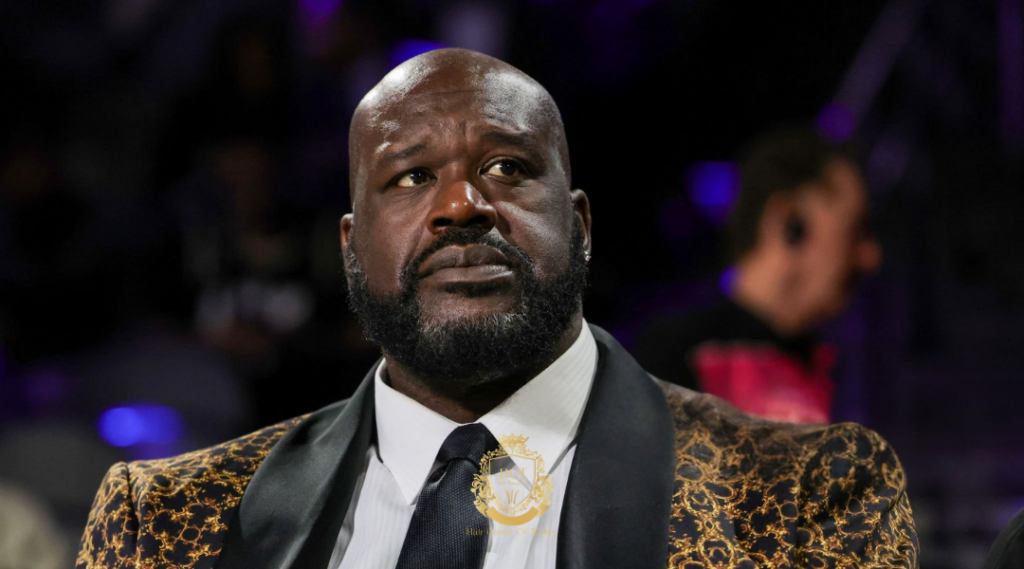
Turkey has become one of the most frequently preferred destinations for hair restoration for several strong reasons:
- High procedure volumes and experienced surgical teams
- Wide availability of techniques such as FUE, DHI, and sapphire FUE
- Competitive package pricing that may include transfer and accommodation
- A well-developed tourism infrastructure that makes travel easier for international patients
These advantages can translate into successful outcomes when clinics prioritize individualized planning, sterile working standards, and a strong follow-up process. However, the size of the sector makes careful clinic selection just as important as access to experienced teams.
What Questions Should You Ask Before Booking?
Before making a decision, you should get clear answers to the following questions. If possible, ask for this information in writing:
- Who will perform the procedure, and what is their professional background?
- Can I see recent, unedited before-and-after photos of similar cases?
- How many grafts are being recommended, and how was that number calculated?
- What exactly is included in the package? (medications, check-ups, transfers, etc.)
- How does the post-operative follow-up plan work, and how are possible complications handled?
These questions reveal the core elements of a responsible hair transplant process: planning quality, the logic behind the graft count, and long-term donor area preservation.
How Does Pricing Work, and What is a Reasonable Expectation?
Hair transplant pricing is never based on a single factor. In most cases, the cost depends on the number of grafts, the technique used, the experience of the surgeon, and whether travel-related services are included in the package. A realistic premium package range, including the procedure itself, early follow-up visits, transfers, and basic post-operative medications, will often fall between €2,500 and €6,000. It is important to keep the following in mind:
- Transparent pricing linked to a clear graft plan is usually a strong sign of quality.
- A lower price does not automatically mean poor quality, but unusually low offers deserve closer scrutiny.
- A higher price may reflect better planning, a more experienced team, and stronger aftercare support.
- Always ask for an itemized breakdown so you can compare offers properly.
What is the Difference Between Fue, Dhi, and Sapphire, and Why Does It Matter?
Technique names matter, but they are not the only deciding factor. In practical terms, the differences can be summarized like this:
FUE (Follicular Unit Extraction): Individual grafts are extracted one by one and then implanted. It is versatile and widely used.
DHI (Direct Hair Implantation): Grafts are implanted directly with a special implanter pen. It may be particularly suitable when targeted density is needed in specific areas.
Sapphire FUE: This follows the same general principle as FUE, but sapphire blades are used during channel opening. Some clinics report that this allows for more controlled work and finer incisions.
Even so, the most important issue remains the surgeon’s ability to plan angles, manage density distribution, and preserve the donor area. In other words, technique should follow clinical priorities, not replace them.
How is a Natural Hairline Designed?
Hair restoration searches can feel confusing because clinics often use overlapping language. In practical A natural-looking hairline is the result of both artistry and medical planning. When evaluating a proposed design, pay attention to the following points:
- Is the hairline adapted to your facial proportions and age?
- Are single-hair grafts planned for the front to create a softer look?
- Is donor area preservation clearly discussed?
- Are long-term expectations explained, such as how density may evolve over time?
A good design avoids an artificial, overly dense front line while creating a result that works in harmony with your existing hair.
What Should You Expect During Recovery?
When post-operative instructions are followed, the recovery process is usually predictable. Common stages include:
Days 0–7: Crusting appears, washing must be done carefully, and no pressure should be applied to the transplanted area.
Weeks 2–8: A shedding phase may occur. Some of the transplanted hairs falling out is normal.
Months 3–6: New, fine hairs begin to grow.
Months 9–18: The hair continues to thicken and mature. Final density usually becomes clearer around 12 to 18 months.
Following instructions related to medications, sleeping position, sun exposure, and exercise restrictions helps reduce complication risks and supports graft survival.
Travel and Planning for International Patients

If you are traveling for treatment, the following points should be clarified early:
- A pre-operative online consultation and photo assessment
- Travel dates that allow enough time for short-term recovery in the country, usually around 3 to 7 days
- A clear transfer plan and an early post-operative control schedule
A clinic that offers transfers, accommodation, and communication support in your language can make the process much easier. It is also important to confirm in advance how remote follow-up will continue once you return home.
What Are the Most Common Patient Mistakes, and How Can You Avoid Them?
Many patients make the mistake of focusing on only one factor. That factor may be price, advertising, or a name trending on social media. Try to avoid the following:
- Making a decision based only on eye-catching ads or celebrity associations
- Accepting a graft number without understanding the long-term donor strategy
- Ignoring written post-operative follow-up protocols
- Underestimating how much early follow-up and aftercare affect the final result
The best way to reduce risk is to request a written treatment plan, verify real patient outcomes, and make your final decision only after a proper medical evaluation.
Why Might Istanbul Be a More Structured Option?
Istanbul stands out not only for its surgical experience, but also for its developed infrastructure for hosting and coordinating international patients. In many cases, patients can benefit from:
- A standardized flow of consultation → procedure → early follow-up
- A multidisciplinary structure including the surgical team, patient coordinators, and aftercare staff
- Packages that include transfers and early check-ups, reducing uncertainty
If logistics, a clear timeline, and post-operative follow-up matter to you, this type of organized environment can make the entire process smoother and safer.
Final Thoughts
Advertising and attention-grabbing campaigns naturally create curiosity around hair transplantation. However, the right decision should come not from promotional language, but from proper medical planning, a transparent graft strategy, and a reliable post-operative follow-up process. When comparing clinics, priority should be given to those that carefully assess each candidate, focus on natural hairline design, preserve the donor area, explain the procedure and follow-up process clearly, and manage patient logistics effectively. For many international patients, well-organized clinics in Istanbul can offer a safer and more controlled experience than unstructured local options. This is not simply because of popularity, but because of measurable planning, experienced teams, and stronger support systems. If you are evaluating different clinics, pay close attention to whether the team provides a written treatment plan, presents verifiable case history, and offers a clear roadmap for post-operative care. For patients seeking a more coordinated international experience, Hair Center Of Turkey may be considered among the options worth evaluating, not as the single “best” choice, but as a clinic that may offer the planning, patient coordination, and long-term perspective many patients are looking for.
Frequently Asked Questions
Did a famous athlete really come to Turkey for a procedure?
Promotional content may create that impression, but it does not replace clinical confirmation. Real verification would require clinic records or confirmed statements from the team involved.
How does choosing Turkey compare to having the procedure done in my own country?
Turkey may offer high case volume, strong experience, and package-based service advantages. Staying in your own country may be more practical for follow-up. The comparison should focus not only on price, but also on the medical team and the follow-up plan.
What is a realistic price range?
Premium packages that include the procedure, early follow-up visits, and transfers often fall between €2,500 and €6,000. The final cost depends on your graft needs and the scope of the services included.
Which gives a more natural result, DHI or FUE?
Both techniques can deliver natural-looking results. In most cases, the real deciding factors are hairline design, graft placement angle, and the surgeon’s experience rather than the name of the technique itself.
If I come to Istanbul, how are check-ups handled after I return home?
Most reputable clinics perform early follow-up checks while you are still in Turkey, then continue the process remotely through photos or online consultations after you return home. This pathway should always be clarified before booking.