

Haircuts For A Thinning Fringe: Styles That Create Fuller-Looking Bangs
A thinning fringe can look noticeably fuller with haircuts that add texture, movement, and soft coverage. Styles like side-swept fringe, curtain bangs, textured layers, a pixie cut, or a chin-length bob help reduce the look of gaps by lifting the roots and breaking up flat sections while keeping the front hairline flattering.
Table of Contents
Understanding A Thinning Fringe
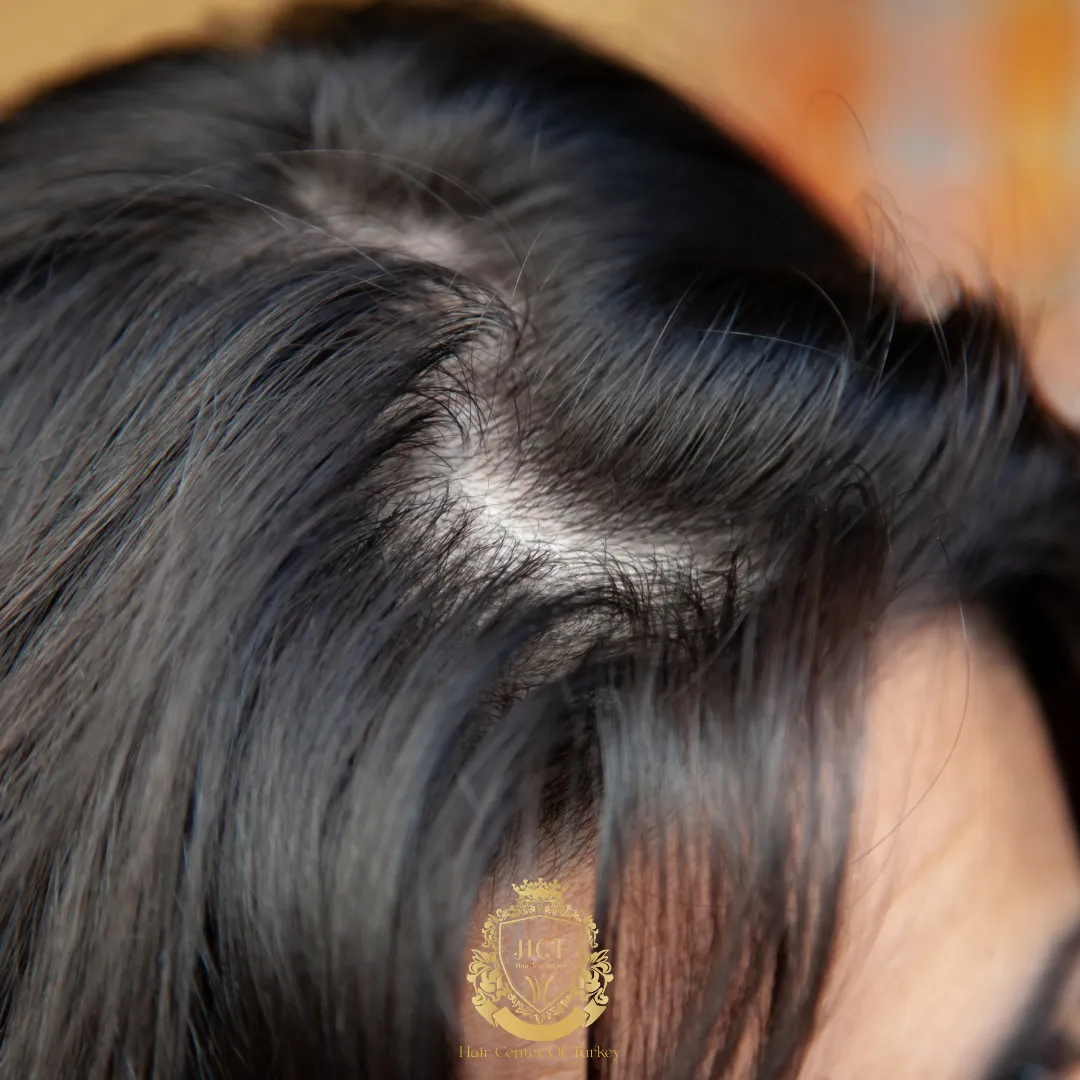
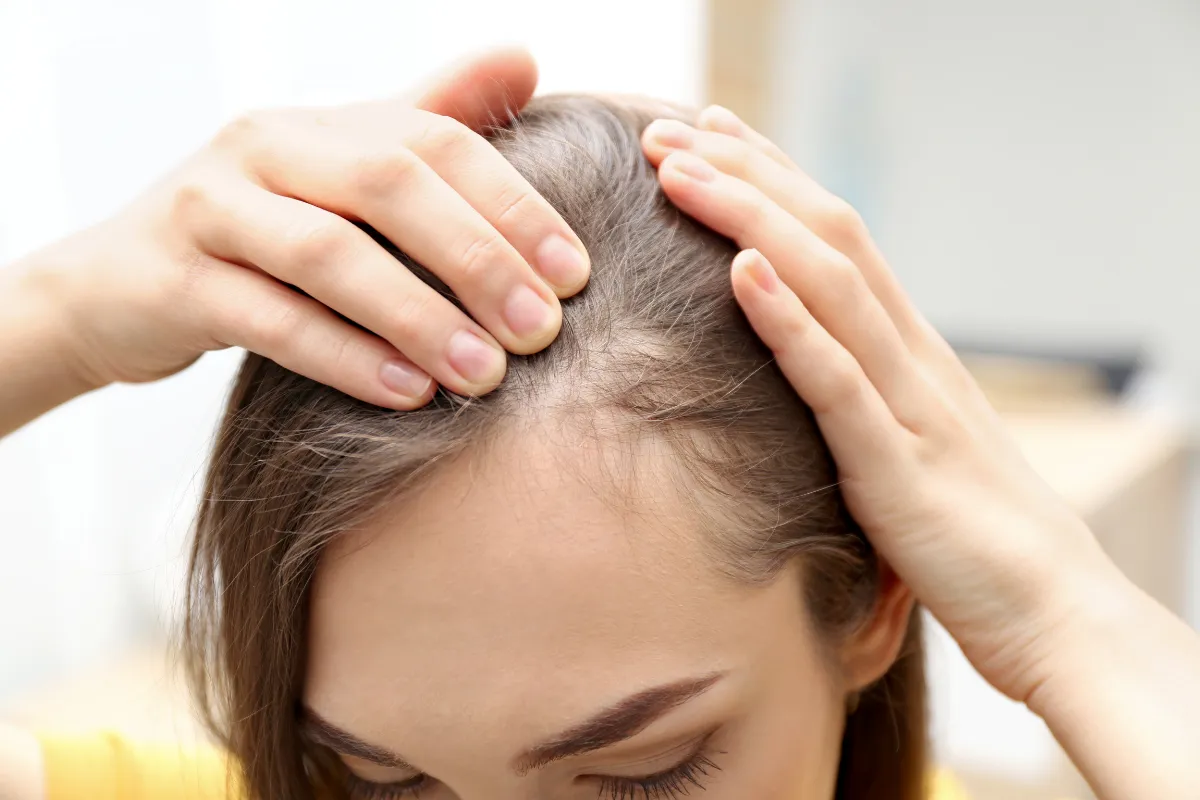
A thinning fringe happens when hair density at the front hairline decreases, making the area look sparse or “see-through.” Genetics, stress, aging, and hormonal shifts can all play a role. Sometimes styling habits—like heat overuse or heavy products—make the fringe look thinner than it really is.
If thinning appears suddenly, is patchy, or comes with scalp irritation, it’s worth speaking with a dermatologist or medical professional. Getting clarity on the cause helps you choose the right plan, not just the right haircut.
Why The Right Haircut Makes A Difference
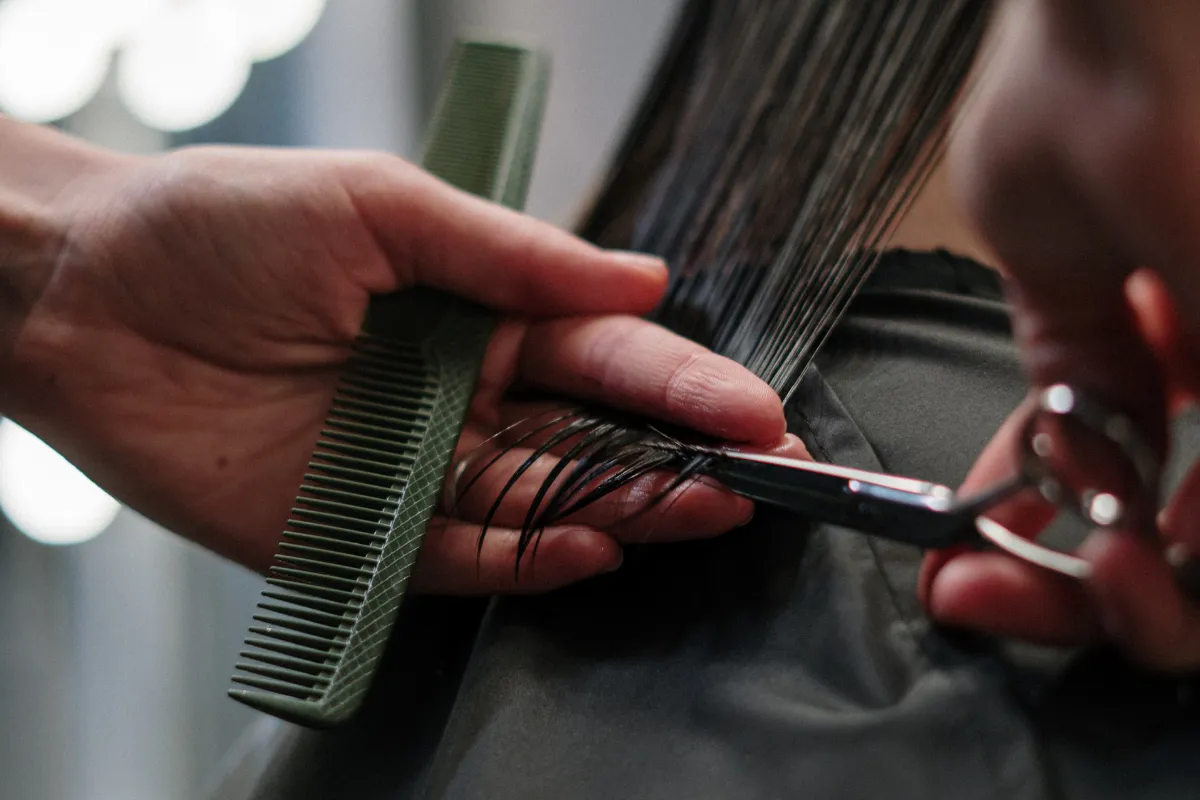
A smart cut doesn’t “hide” thinning so much as it changes how light hits the hair. Texture and movement make the fringe look more dimensional, and strategic length creates softer coverage. The goal is a fringe that sits naturally, without needing constant teasing or heavy product.
Haircuts That Help A Thinning Fringe
Textured Layers
Textured layers create lift and reduce the weight that pulls hair flat. Ask your stylist for soft, piecey layering around the front so the fringe blends into the rest of the haircut. This works especially well if your hair is fine and tends to fall forward in a single sheet.
Side-Swept Fringe
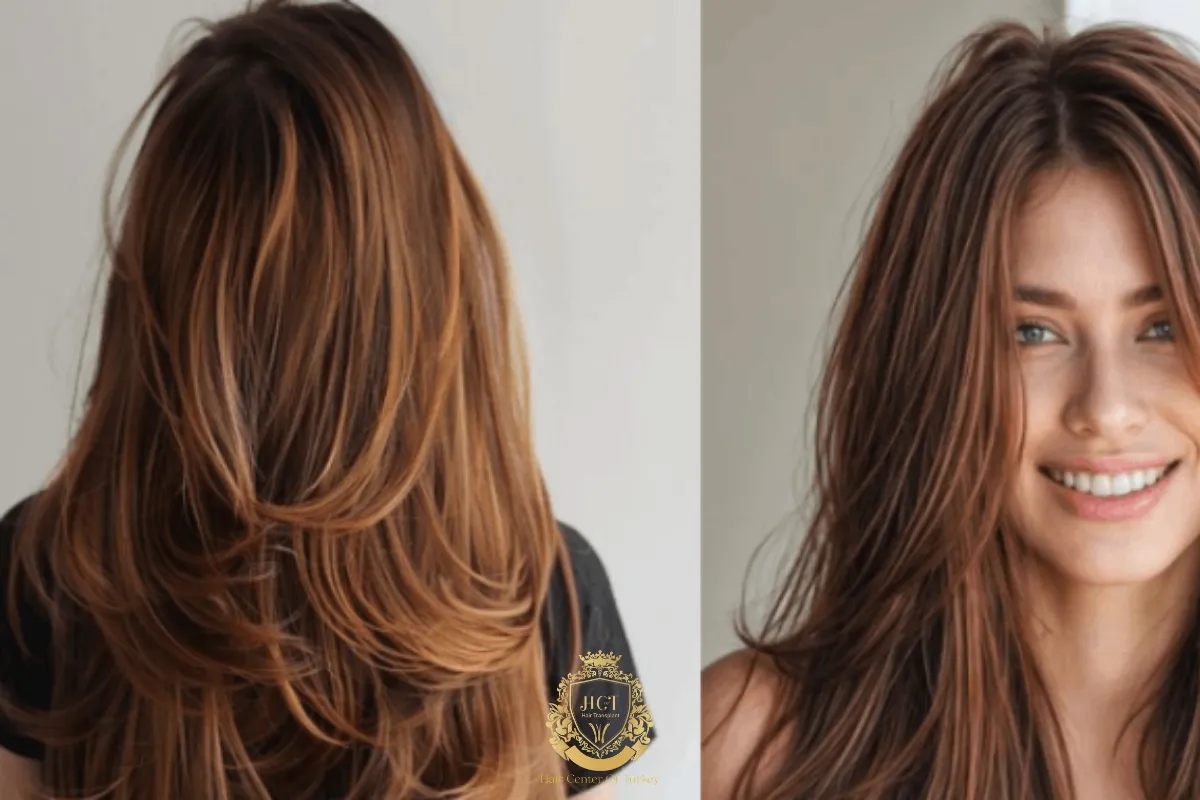
Side-swept fringe is one of the most reliable options because it spreads hair across a wider area. The diagonal shape adds coverage without looking heavy. It also grows out gracefully, which makes maintenance easier.

Soft Pixie Cut
A pixie cut can make hair appear denser by removing thin, wispy length. Keeping a little extra texture on top (instead of slicking it flat) helps the fringe area look fuller. It’s also low-maintenance day to day.
Chin-Length Bob With Movement
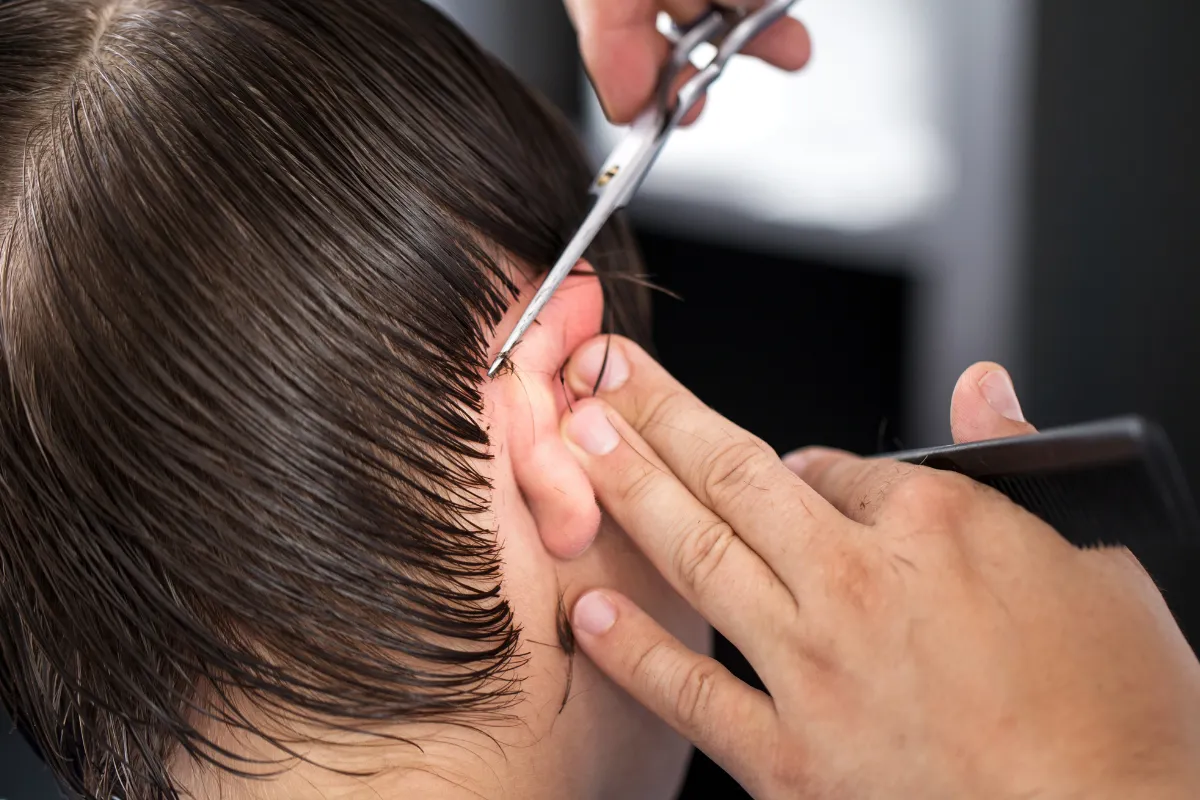
A chin-length bob frames the face and draws attention to the overall shape, not just the hairline. Slight layering or subtle waves add body. If your fringe is thinning, pairing a bob with a soft side part often looks more natural than forcing a straight, forward-heavy bang.
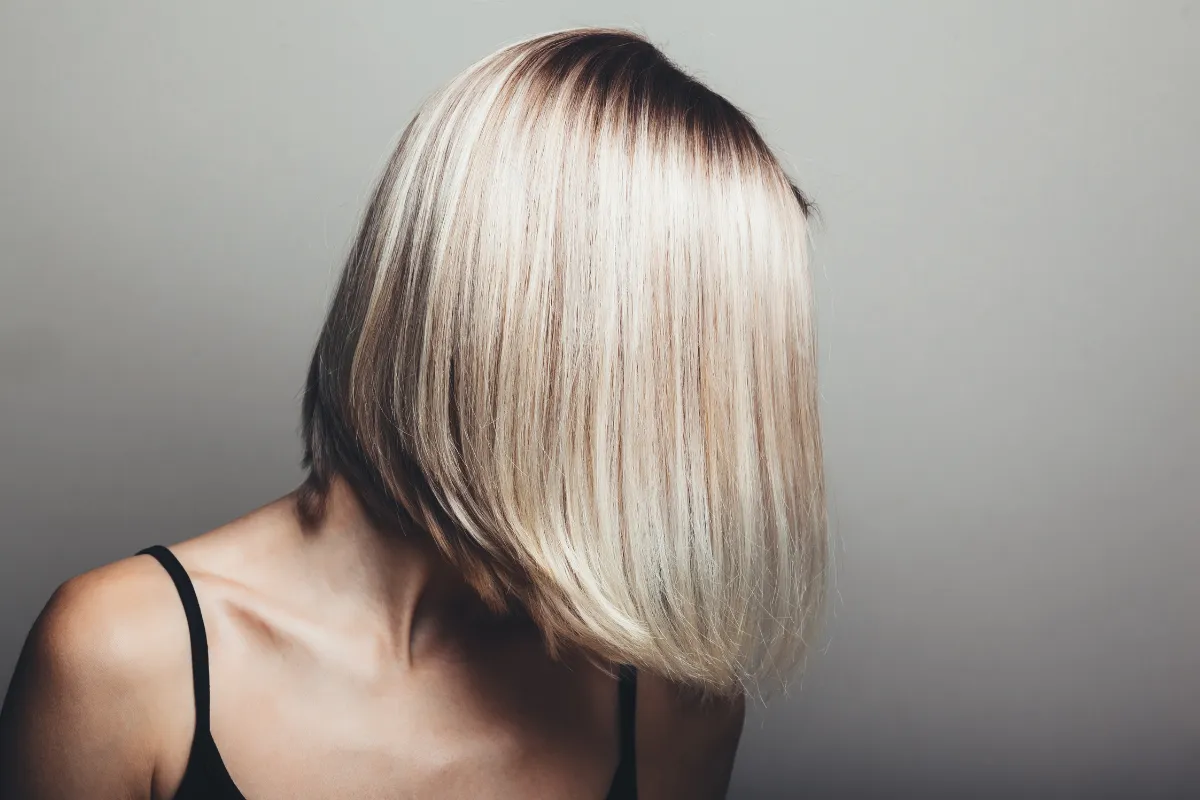
Curtain Bangs
Curtain bangs split gently at the center or slightly off-center, which reduces the “see-through” look. They blend into the sides, so the front hairline doesn’t become the focal point. This style suits many face shapes and works across different hair textures.
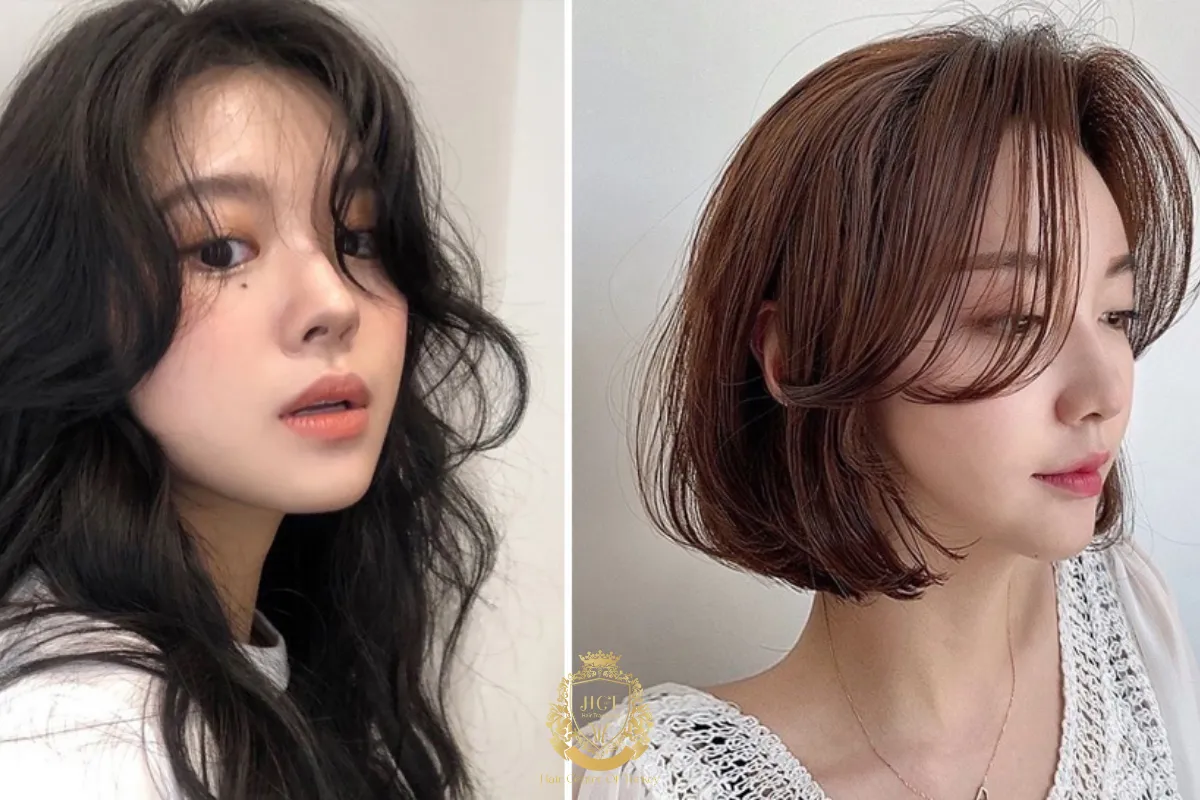
Tousled, Lived-In Styles
A tousled finish makes sparse areas less obvious by breaking up uniform sections. Think light bend, texture spray, and a relaxed shape instead of perfectly straight fringe. The effect is fuller-looking hair with less effort.

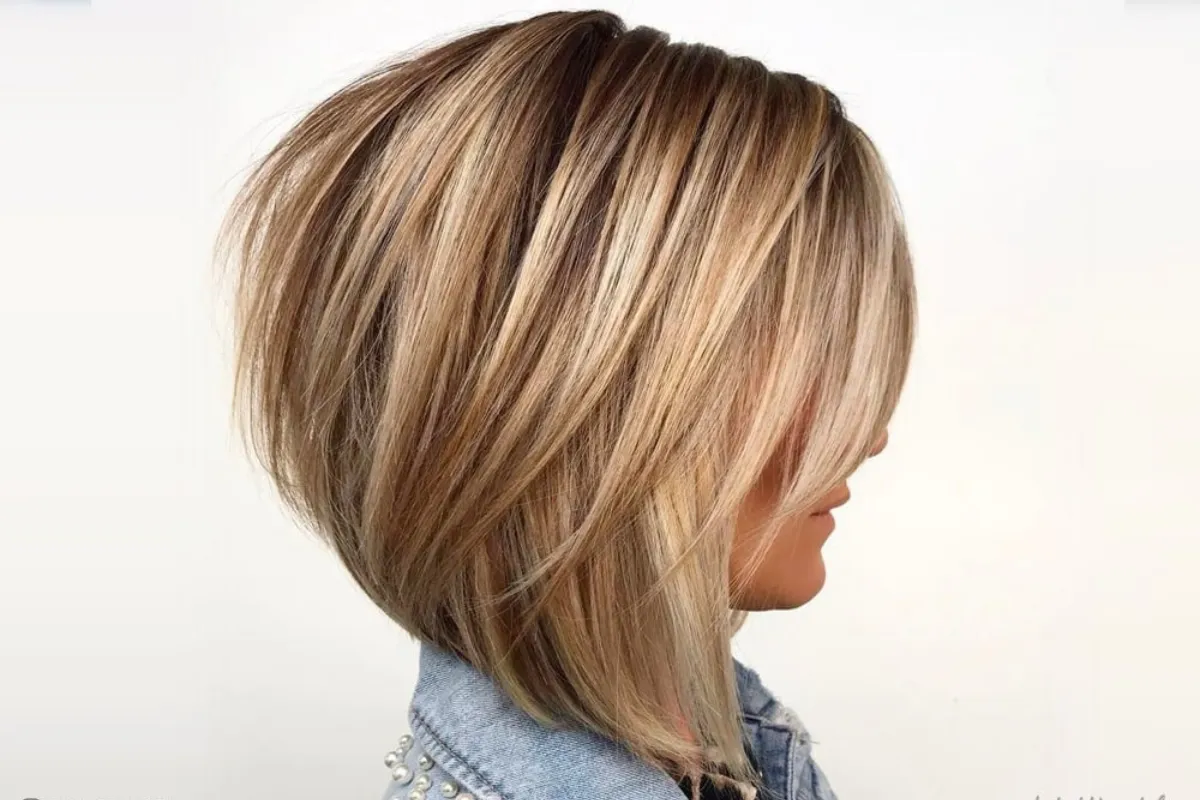
Graduated Cuts
Graduated cuts add structure and volume through the shape of the haircut. With more lift at the crown and a balanced front, the fringe won’t feel like it’s carrying the entire style. This is helpful if your thinning fringe is part of overall density changes.
Styling Tips To Make A Fringe Look Fuller
- Use lightweight volumizers: Mousse or root-lift spray adds support without weighing the fringe down.
- Blow-dry for lift: Dry the fringe in the opposite direction first, then set it into place for extra volume.
- Avoid heavy oils and waxes: These can separate strands and make gaps look more obvious.
- Add dimension with color: Subtle highlights or lowlights can create depth and reduce contrast at the hairline.
- Keep trims consistent: Regular shaping prevents ends from looking stringy and helps the fringe sit better.
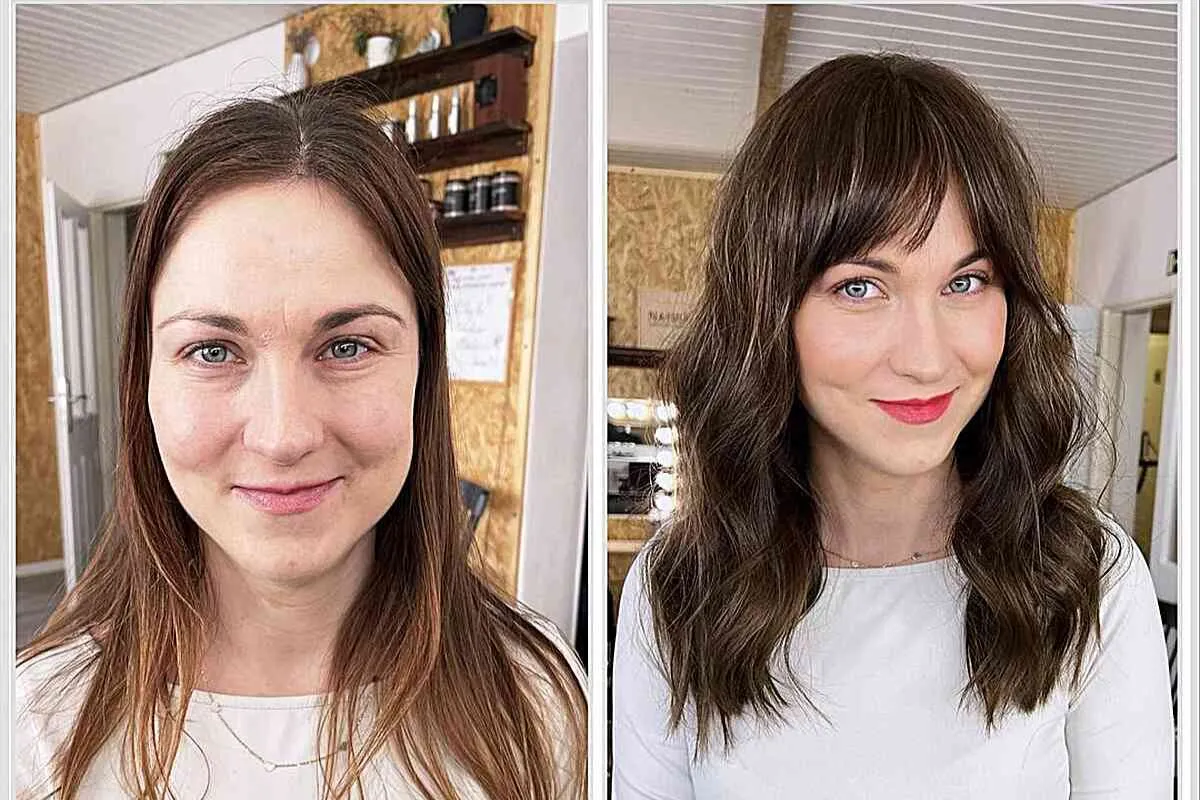
When A Haircut Isn’t Enough
If styling improvements aren’t giving you the result you want, combining a good haircut with targeted support can help. Scalp-friendly routines, professional guidance, and evidence-based treatments (such as topical minoxidil or in-clinic options like PRP, when appropriate) may be worth discussing with a qualified provider.
At Hair Center of Turkey, patients often start with a personal consultation to understand the pattern of thinning and the most suitable next step. A tailored plan matters more than a one-size-fits-all approach.
FAQ
What is the best haircut for thinning fringe men?
A textured crop with short sides suits thinning fringe men best.
What is the best haircut for thinning hair in the front?
A short textured style reduces contrast and improves appearance.
How to thicken up a thin fringe?
Use volumizing products and consider medical hair loss treatments.
What to do with a thinning fringe?
Choose shorter layered cuts and seek medical evaluation.
Does thinning hair look better, short or long?
Short hair generally looks fuller on thinning scalps.
How to stop fringe from thinning men?
Use FDA-approved treatments like minoxidil or finasteride.
Should I get a buzzcut if my hair is thinning?
A buzzcut can reduce contrast and improve overall appearance.
How to stop hair thinning in the front male?
Use minoxidil or finasteride and consult a dermatologist.
Explore the complete guide: Hair Styling and Color